
Genus · Colubridae
Types of kingsnakes
20+ species make up the genus Lampropeltis, the snakes commonly called kingsnakes. None are considered dangerous to humans.
About kingsnakes and milksnakes
Smooth, glossy New World colubrids best known for hunting and eating other snakes, including venomous rattlesnakes and copperheads. None of the 26 species in our database is venomous.
Lampropeltis is a genus of nonvenomous colubrid snakes native to North and Central America, made up of the animals commonly called kingsnakes and milksnakes. The name comes from Greek roots meaning shiny shield, a reference to their smooth, tightly fitting scales that give the body a polished, glossy look. That sheen, combined with bold banding or chain-like patterning, is one of the most reliable ways to place a snake in this group. Our database lists 20+ species, and not one of them is venomous.
The standout trait that earns these snakes the title king is their diet. They are powerful constrictors that readily eat other snakes, and they are largely immune to the venom of pit vipers. A kingsnake will overpower and consume rattlesnakes and copperheads that would be lethal to most animals their size. This is why finding kingsnakes in an area is often a good sign for people: they help suppress local populations of venomous snakes while also keeping rodents in check.
Patterning in this genus runs from clean alternating bands to the speckled and chain-link looks that give species like the speckled kingsnake and eastern kingsnake their names. The milksnakes are the genus's most famous mimics. Their red, black, and yellow or white banding resembles the coral snake closely enough to deter predators, even though milksnakes are completely harmless. This mimicry is exactly why the old color rhymes meant to separate coral snakes from harmless lookalikes are unreliable, and why identification should never come down to a memorized verse.
Ecologically these snakes are generalist hunters. Beyond other snakes they take rodents, lizards, birds, and eggs, which makes them valuable for natural pest control. Lampropeltis species lay eggs rather than giving live birth. Many of them, especially the California kingsnake, are hardy, even-tempered, and widely kept, which has made the genus one of the most popular among snake enthusiasts.
For people, kingsnakes and milksnakes are harmless and beneficial. They are not venomous, they pose no medical threat, and a yard or field with kingsnakes in it tends to have fewer rodents and fewer venomous snakes. The right response to one in the wild is to leave it alone and let it move on; there is no reason to handle or relocate a wild snake to confirm what it is.
Lampropeltis belongs to the Colubridae family (Colubrids). The largest snake family, and the one most snakes you meet belong to. Typically round pupils, a head only slightly wider than the neck, and no heat-sensing facial pit or rattle. Scales may be smooth and glossy or keeled and matte depending on the species.
Danger: Almost all colubrids are harmless. A small number are rear-fanged with medically significant venom, the boomslang and the twig (vine) snakes of Africa being the dangerous exceptions. Most colubrids will flee or bluff rather than bite.
All species (26)
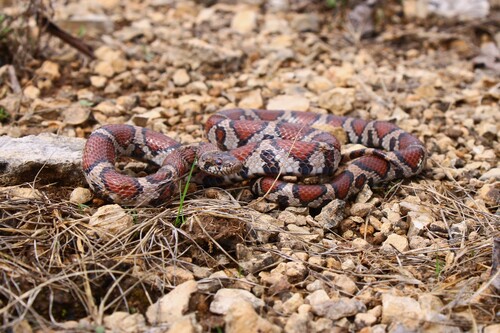 Eastern MilksnakeLampropeltis triangulumHarmless
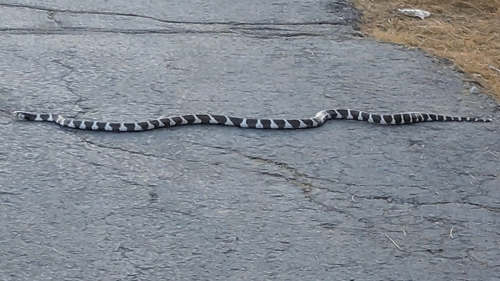 California King SnakeLampropeltis californiaeHarmless
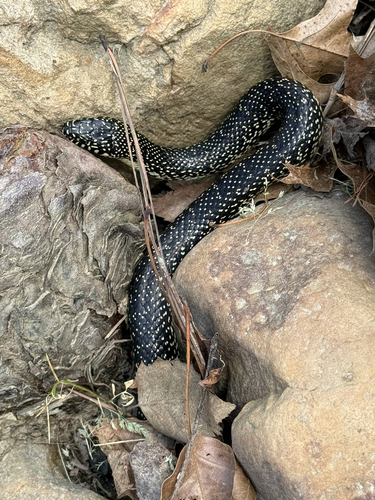 Speckled KingsnakeLampropeltis holbrookiHarmless
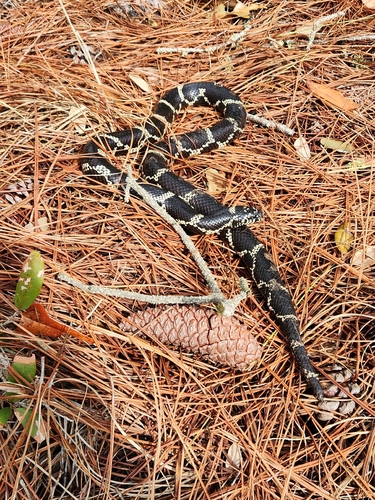 Eastern KingsnakeLampropeltis getulaHarmless
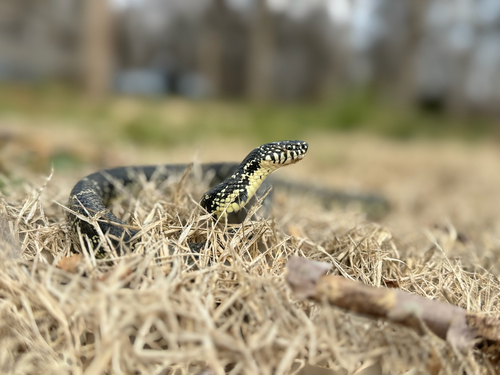 Black KingsnakeLampropeltis nigraHarmless
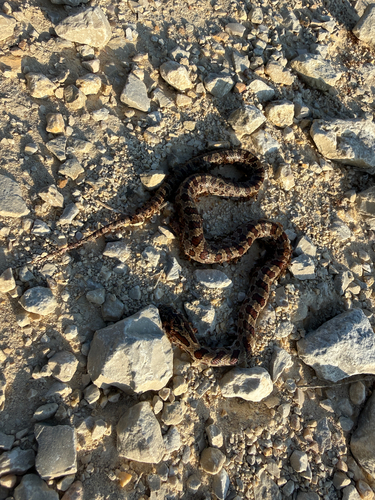 Prairie KingsnakeLampropeltis calligasterHarmless
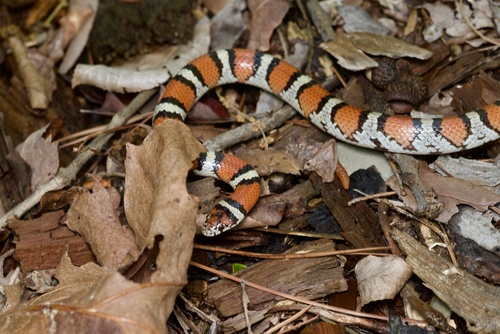 Western MilksnakeLampropeltis gentilisHarmless
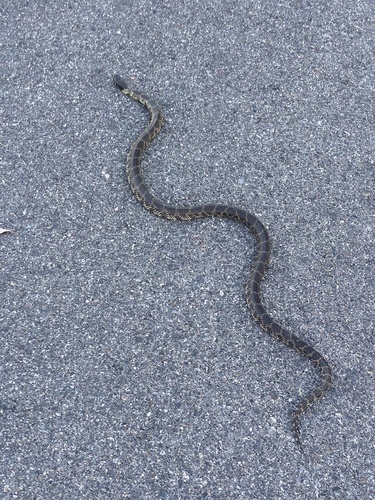 Desert KingsnakeLampropeltis splendidaHarmless
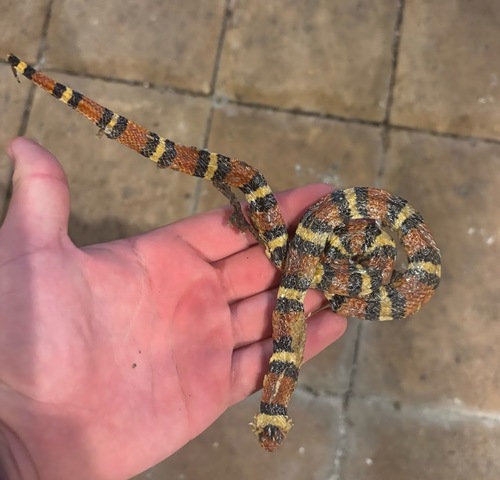 Scarlet KingsnakeLampropeltis elapsoidesHarmless
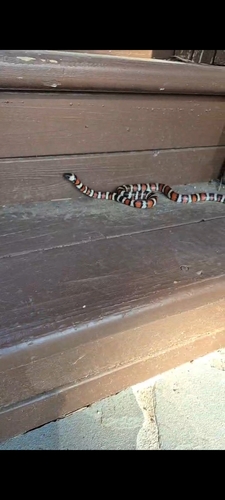 Coast Mountain KingsnakeLampropeltis multifasciataHarmless
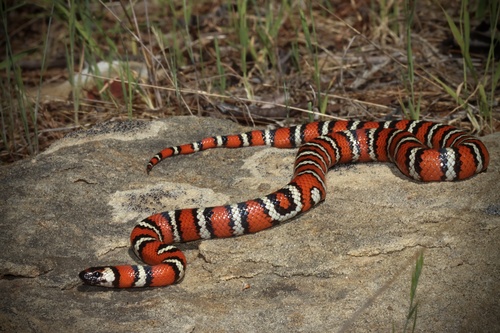 California Mountain KingsnakeLampropeltis zonataHarmless
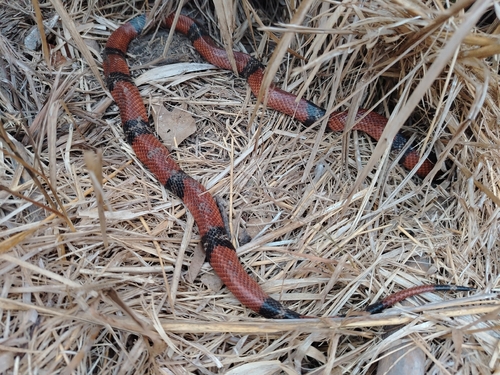 West Mexican MilksnakeLampropeltis polyzonaHarmless
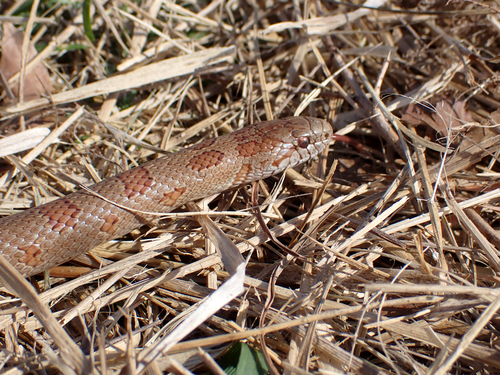 Mole KingsnakeLampropeltis rhombomaculataHarmless
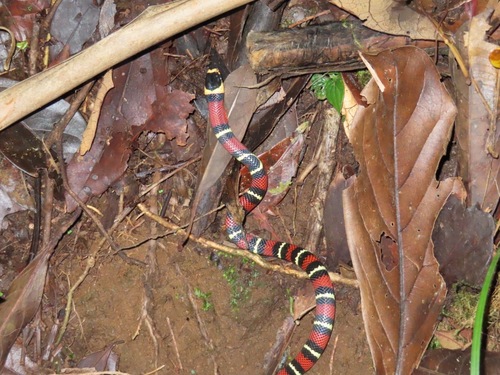 Central American MilksnakeLampropeltis abnormaHarmless
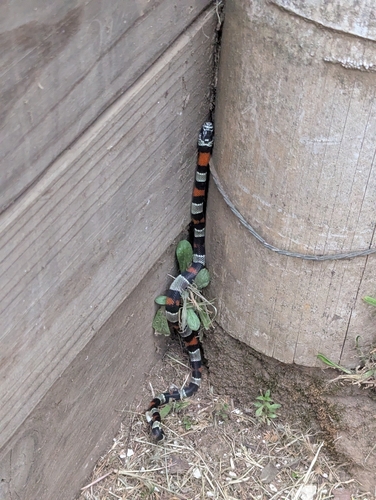 South American MilksnakeLampropeltis micropholisHarmless
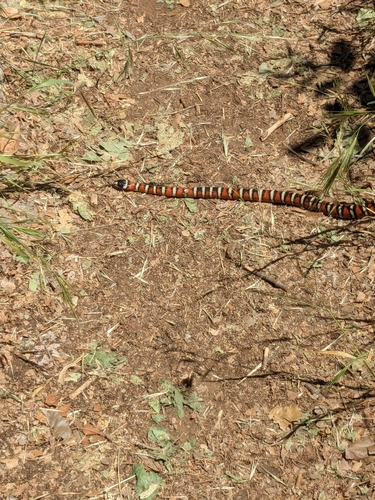 Arizona Mountain KingsnakeLampropeltis pyromelanaHarmless
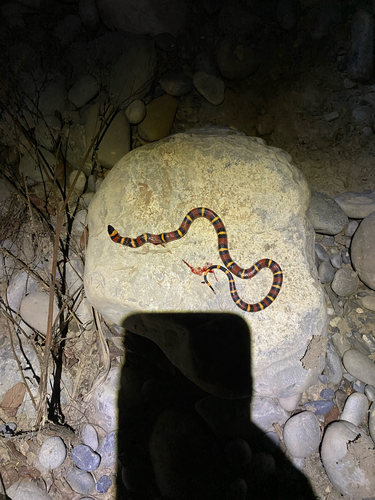 Tamaulipan MilksnakeLampropeltis annulataHarmless
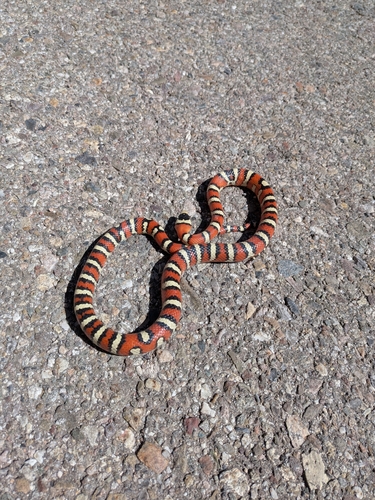 Chihuahuan Mountain KingsnakeLampropeltis knoblochiHarmless
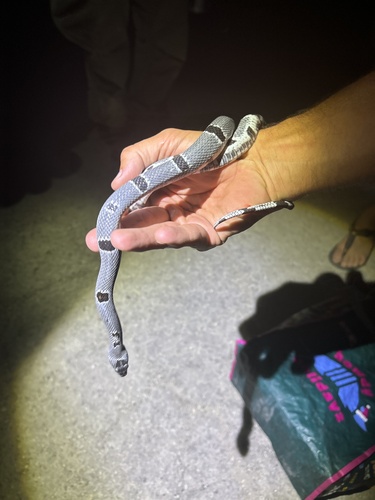 Gray-banded KingsnakeLampropeltis alternaHarmless
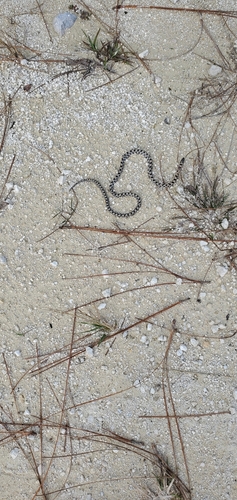 Short-tailed SnakeLampropeltis extenuataHarmless
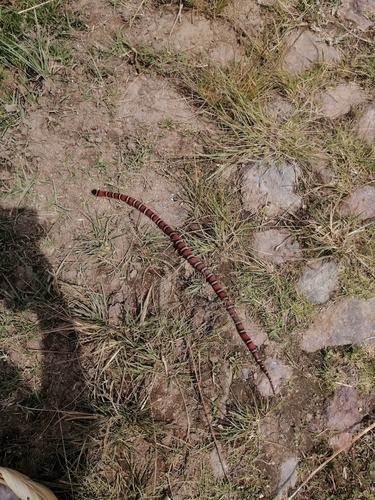 Ruthvens KingsnakeLampropeltis ruthveniHarmless
 San Luis Potosi Mountain KingsnakeLampropeltis mexicanaHarmless
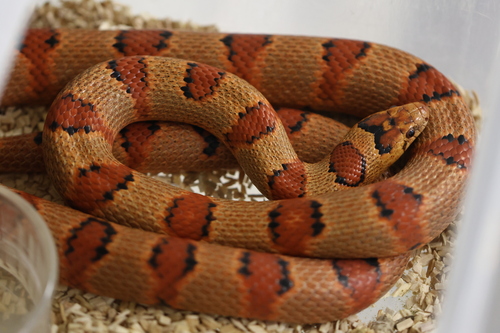 Variable KingsnakeLampropeltis leonisHarmless
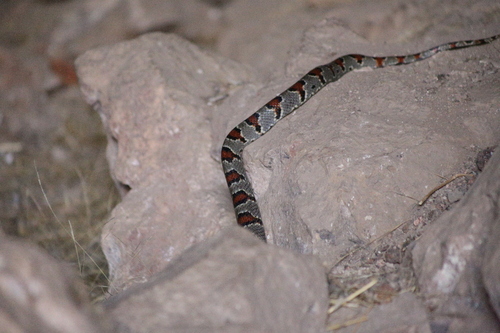 Durango Mountain KingsnakeLampropeltis greeriHarmless
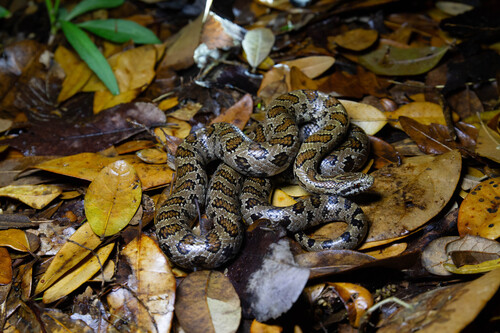 South Florida Mole KingsnakeLampropeltis occipitolineataHarmless
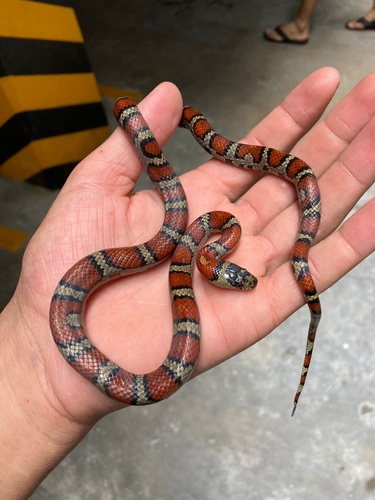 Webb's KingsnakeLampropeltis webbiHarmless
Keep learning
- What Is a Snake? Anatomy and the BasicsA clear overview of what makes a snake a snake: limbless body plan, anatomy, evolution from lizards, species diversity, and why they are ectothermic.
- How Snakes Move, Hunt, and EatHow snakes move without legs, hunt as ambushers or active foragers, kill by constriction or venom, and swallow prey wider than their head.
- What Do Snakes Eat?All snakes are carnivores. Learn what snakes eat, how diet changes with size and age, how often they feed, and how they hunt and swallow prey.
- Venomous vs Nonvenomous: How to Tell the DifferenceThe folk rules for telling venomous snakes apart, where each one fails, and why location-based identification beats guessing by sight.