
Uruguay
Snakes in Uruguay
50+ snake species have been recorded in Uruguay, 12 venomous.
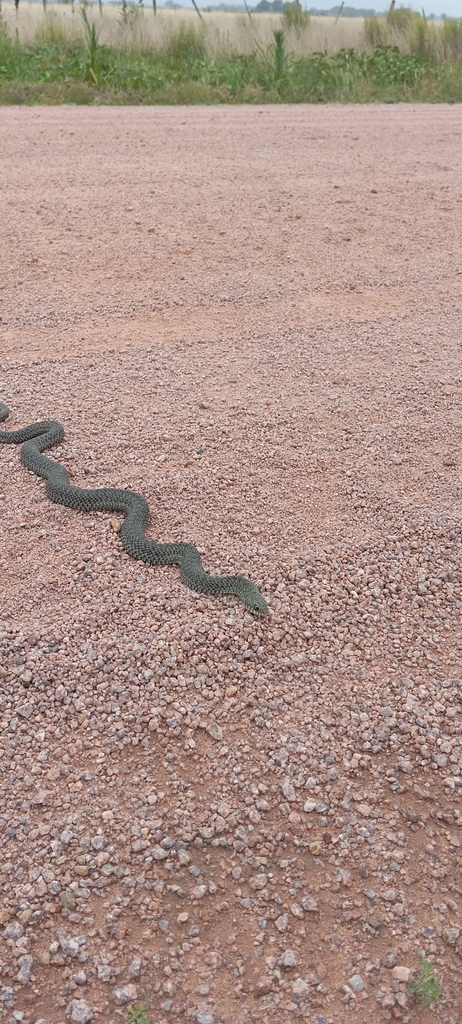
Snakes of Uruguay
Uruguay has 50+ snake species recorded in our database, 12 of them venomous. The great majority of species are non-venomous, so most snakes a person encounters in the country pose no medical threat at all. Uruguay is a small, low-lying country, and its snake fauna reflects the temperate grassland and subtropical influences that meet here rather than the explosive diversity of the tropics farther north.
The geography that shapes this fauna is dominated by rolling grasslands, the pampas, which cover most of the interior. These open landscapes are broken by gallery forests along rivers, palm savannas, rocky outcrops, coastal dunes and wetlands, and the marshy lowlands near the Atlantic and the Rio de la Plata. Each of these habitats supports a different mix of snakes. Grassland species hunt rodents and frogs across the open country, riverine and wetland species favor the damp margins of waterways, and the warmer northern districts share species with neighboring Brazil and Argentina. This range of habitats, more than sheer size, is what drives the diversity recorded here.
The medically important venomous snakes of Uruguay fall into two groups. The first is the pit vipers, represented by lanceheads of the genus Bothrops, including the species commonly called yarara, and by the South American rattlesnake, Bothrops and Crotalus being the two pit viper lineages present. These are responsible for the overwhelming majority of serious snakebites in the country. The second group is the coral snakes of the genus Micrurus, brightly banded elapids whose venom acts on the nervous system. True cobras, mambas, and sea snakes do not occur in Uruguay, so the practical concern is limited to the pit vipers and coral snakes. The lanceheads are the snakes most often involved in dangerous bites because they are relatively common and well camouflaged in grassland and brush.
The non-venomous majority is large and varied. It includes many colubrid snakes such as the racers and false water snakes, water snakes, and a range of small, secretive, and burrowing species that make up the bulk of the 45 non-venomous species recorded. Some harmless species are boldly patterned and are sometimes mistaken for coral snakes, while others are mild-mannered residents of gardens and farmland that go entirely unnoticed. These snakes are a normal part of the Uruguayan countryside and are far more often seen than the venomous few.
Snakes earn their place in these ecosystems. By preying on rats, mice, and other rodents, they hold down populations that would otherwise damage crops, contaminate stored grain, and spread disease around farms and homes. Other snakes control frogs, lizards, insects, and even other snakes, keeping the food web in balance. A landscape with a healthy snake population is usually one with fewer rodent problems, which is a direct, practical benefit to the people who live and farm there.
On safety, the honest picture is reassuring. Most snakes in Uruguay are harmless, and the main medical threat comes from the lanceheads and, less often, the coral snakes and the rattlesnake. A venomous bite is a medical emergency that is treated with antivenom and supportive hospital care, so the right response is to get the person to a hospital quickly and contact emergency services. No wild venomous snake should ever be handled, and even snakes that appear harmless should be left alone and given room to move away. If a bite occurs, do not attempt home remedies; seek professional medical care immediately. In the United States, Poison Control can be reached at 1-800-222-1222; elsewhere, contact local emergency services.
Snakes in Uruguay: FAQ
- Are there venomous snakes in Uruguay?
- Yes. 12 venomous snake species have verified records in Uruguay, including Pampas Lancehead, Urutu Lancehead, Uruguayan Coralsnake, Jararaca Pintada. Most snakes in Uruguay, however, are harmless.
- How many snake species live in Uruguay?
- 50+ snake species have verified records in Uruguay, of which 12 are venomous.
- What is the most commonly seen snake in Uruguay?
- The Patagonian Racer is the most frequently reported snake in Uruguay, based on verified wildlife observations.
- What should I do if I see a venomous snake in Uruguay?
- Keep your distance and do not try to catch or kill it. Most bites happen when people handle or corner a snake. If someone is bitten, contact local emergency services or poison control immediately.
Venomous snakes in Uruguay
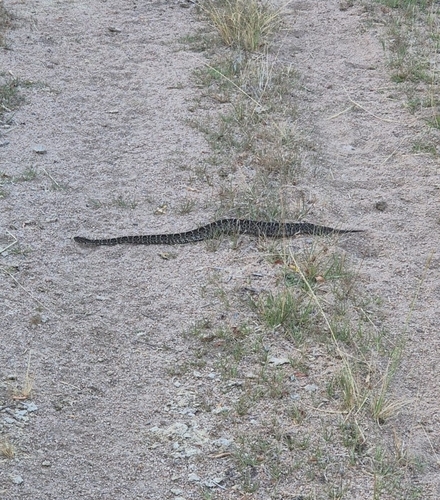
 Uruguayan CoralsnakeMicrurus altirostrisVenomous
Rings of red, yellow, and black where red touches yellow; small rounded head and round pupils.
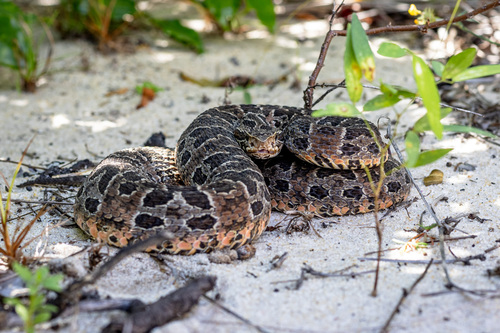
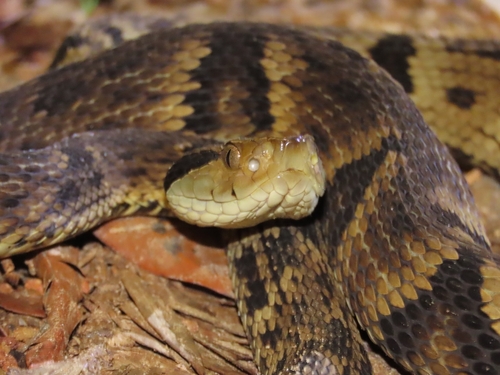
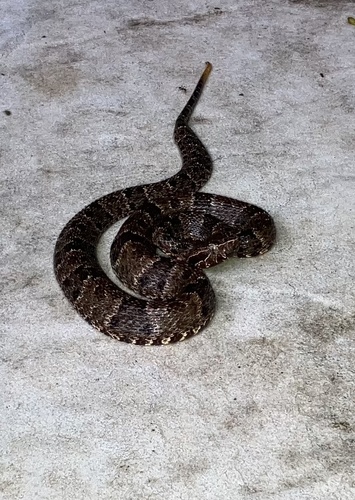
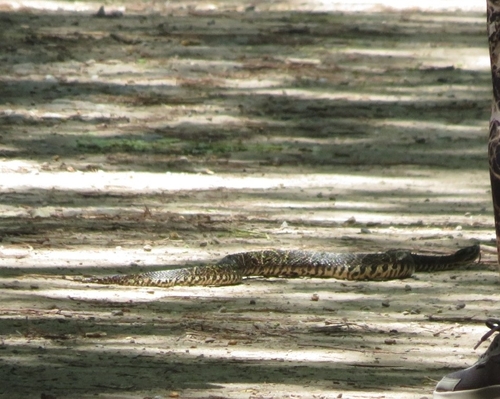
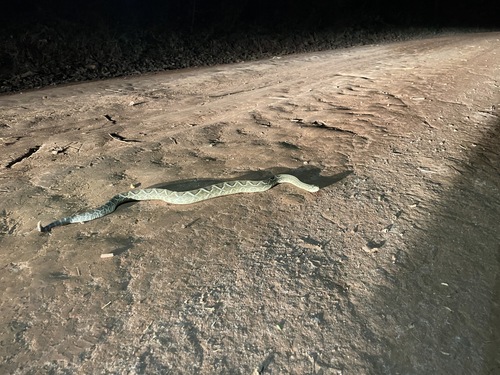 Neotropical RattlesnakeCrotalus durissusVenomous
Heavy body, broad triangular head, vertical (cat-like) pupils, and a segmented keratin rattle at the tail tip.
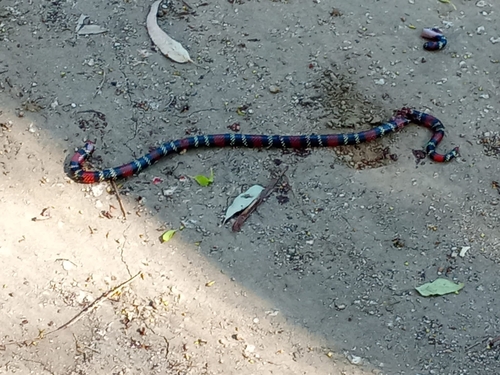
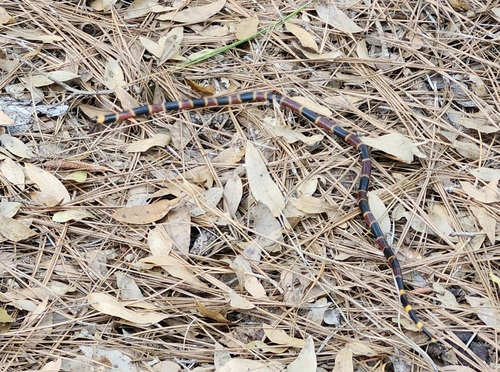 Eastern CoralsnakeMicrurus fulviusVenomous
Rings of red, yellow, and black where red touches yellow; small rounded head and round pupils.
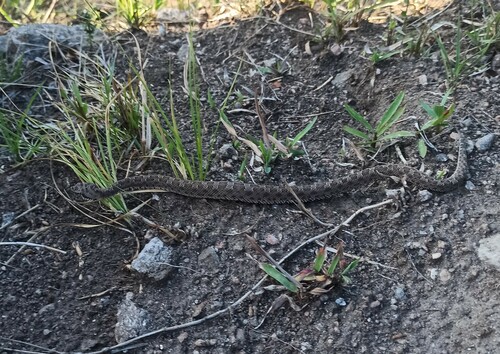
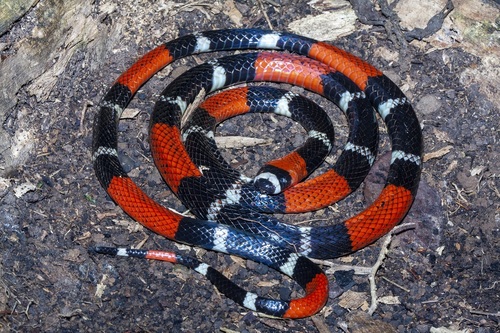 Ribbon CoralsnakeMicrurus lemniscatusVenomous
Rings of red, yellow, and black where red touches yellow; small rounded head and round pupils.
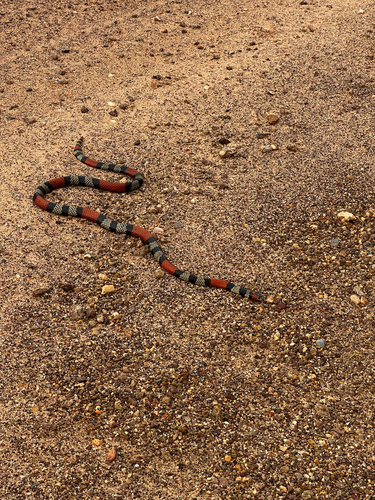 Southern CoralsnakeMicrurus frontalisVenomous
Rings of red, yellow, and black where red touches yellow; small rounded head and round pupils.
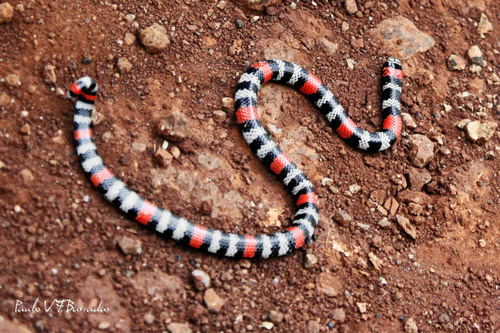 Mesopotamian CoralsnakeMicrurus baliocoryphusVenomous
Rings of red, yellow, and black where red touches yellow; small rounded head and round pupils.
Every snake recorded in Uruguay
50+ species across 5 families, grouped by family. Venomous flagged.
Colubridae (41)
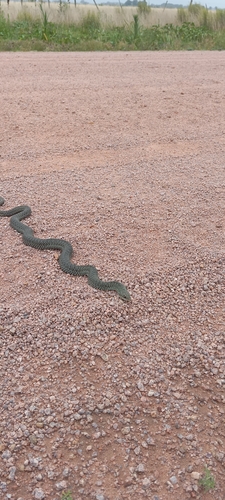
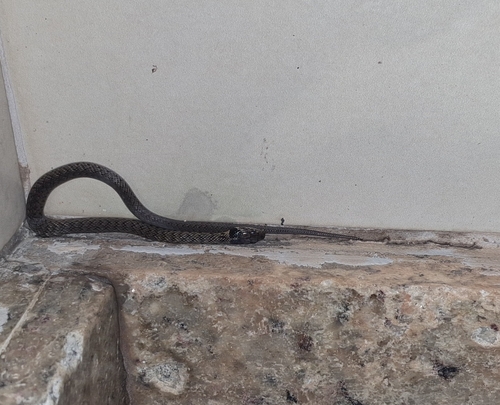
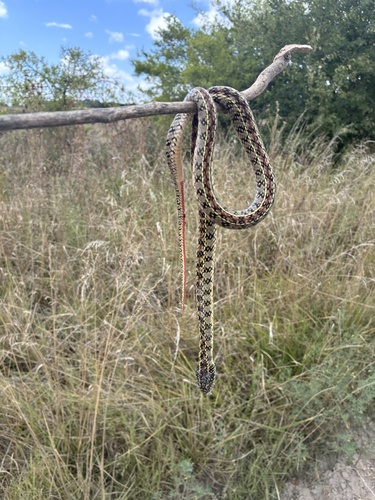
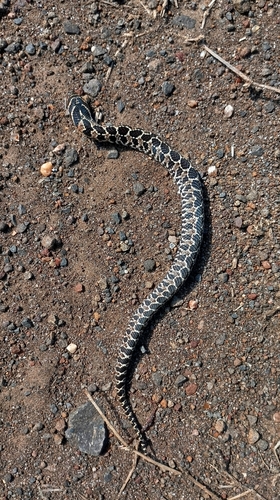
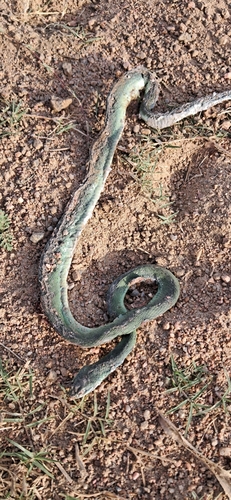
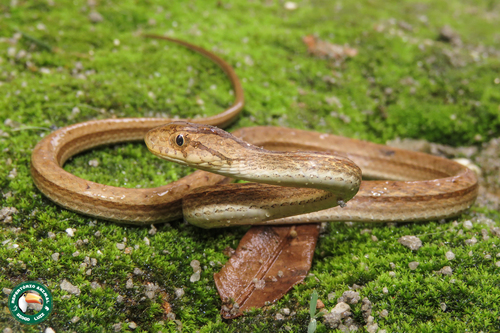
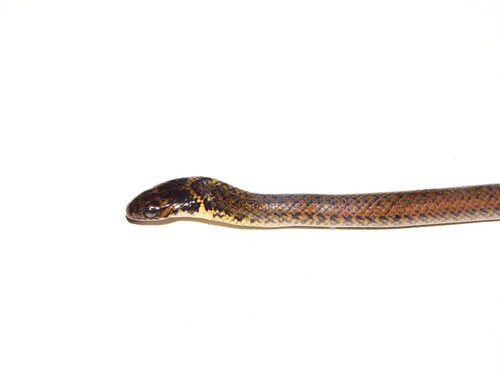
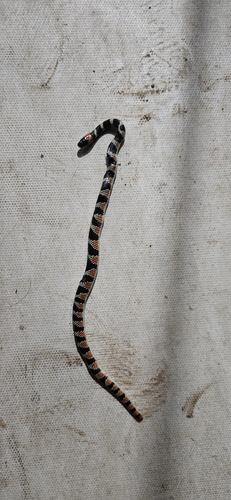
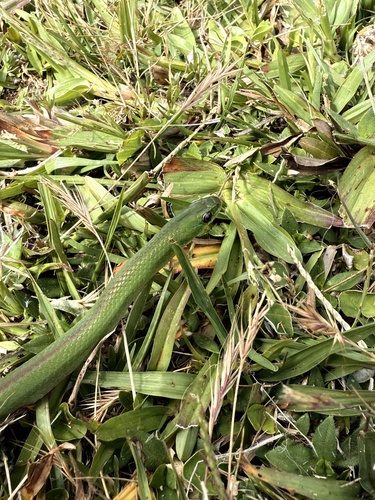
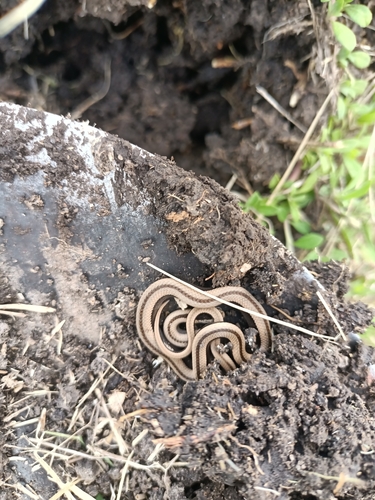
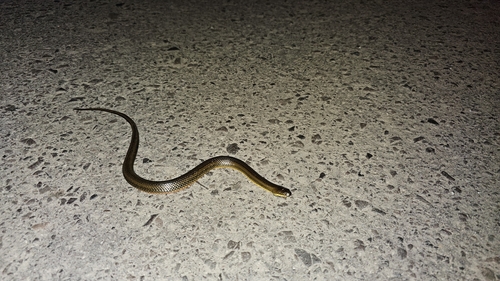
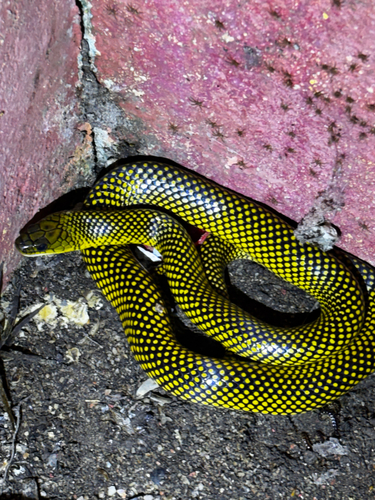
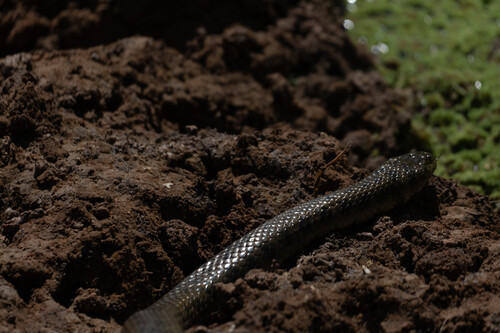
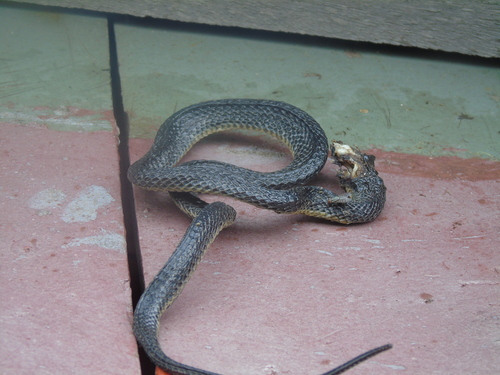
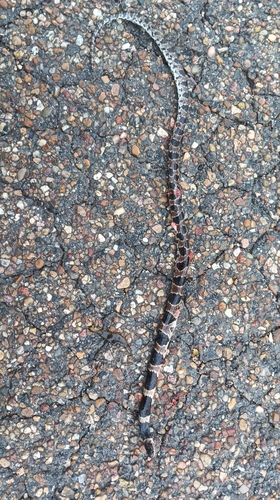
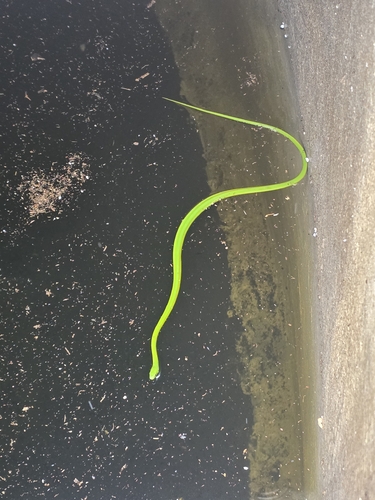
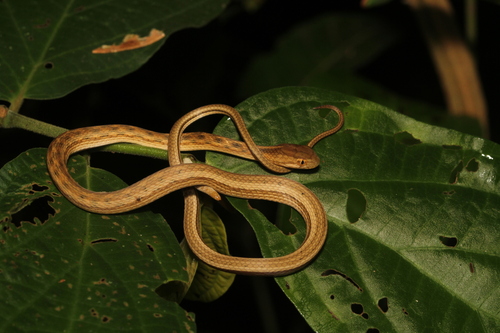
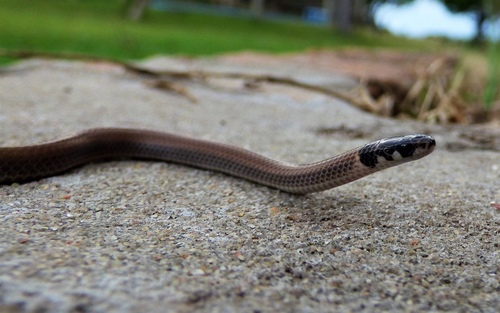
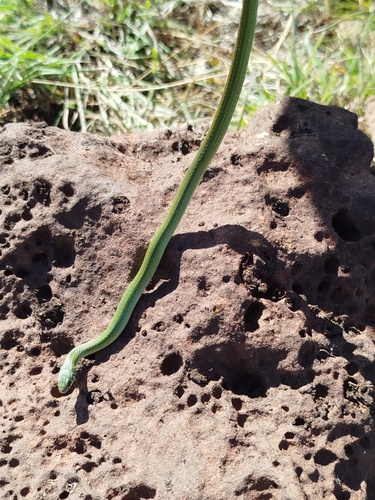
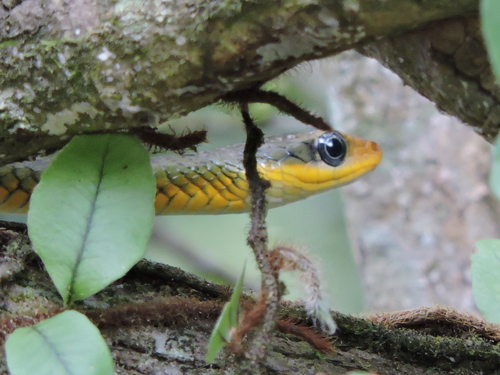
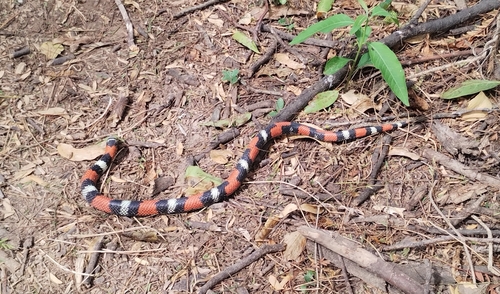
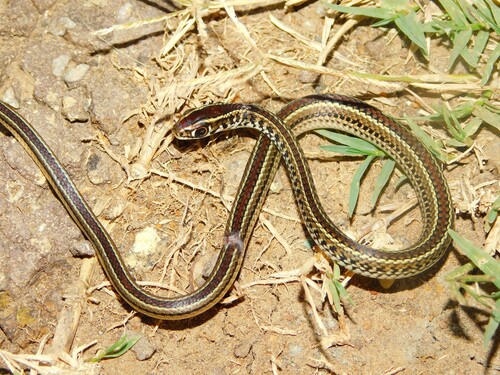
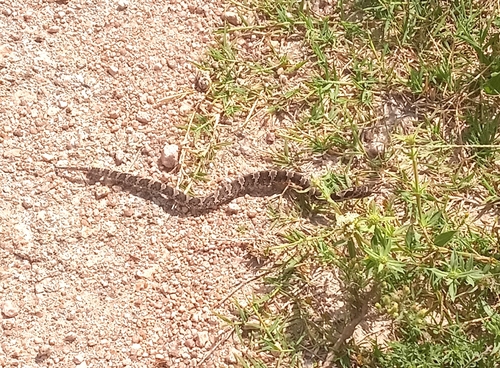
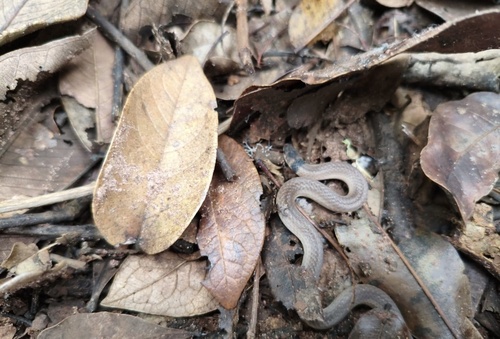
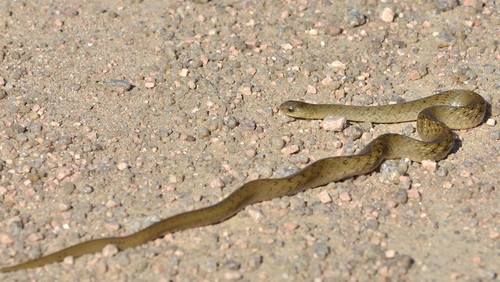
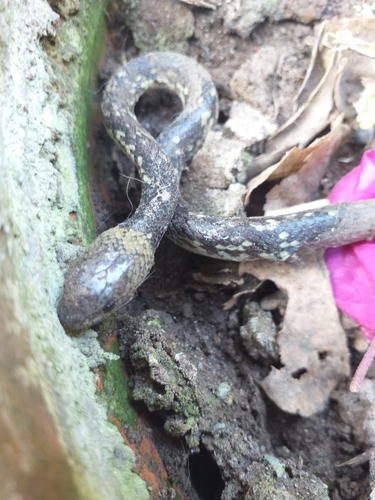
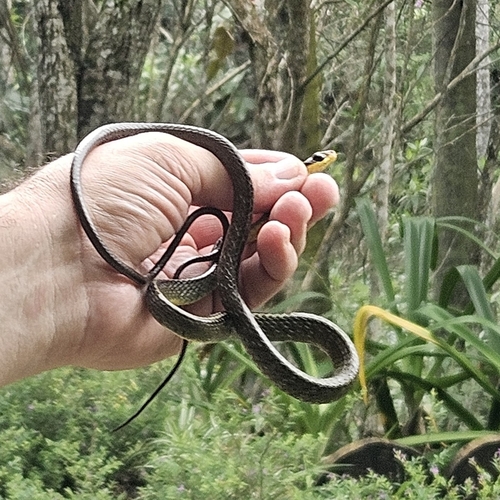
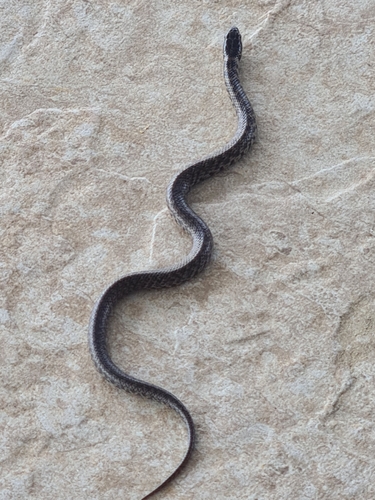
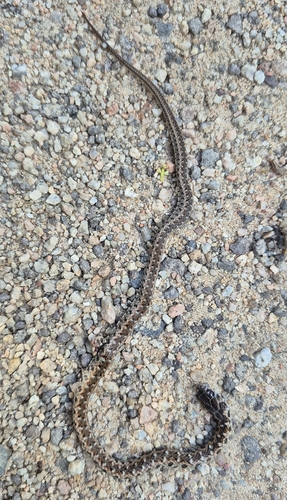
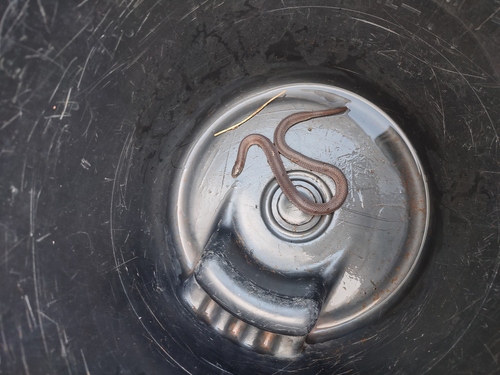
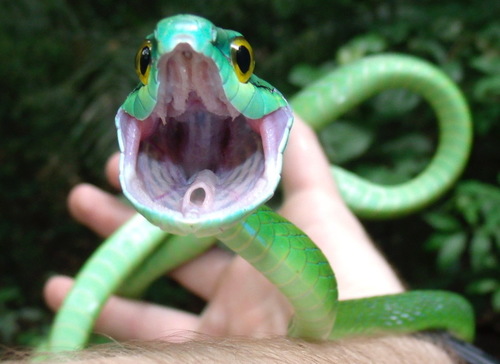
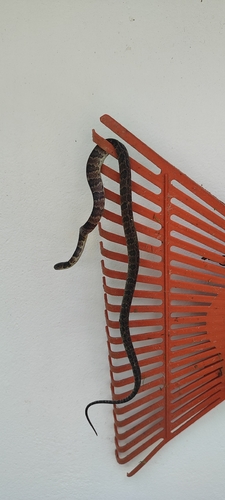
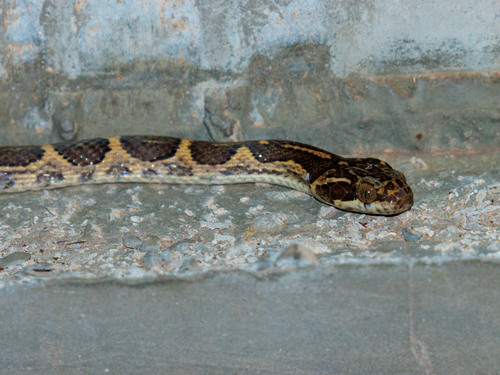
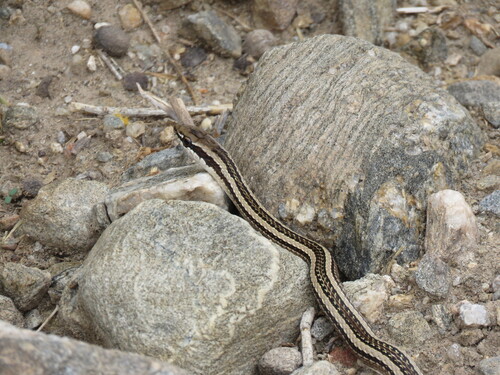
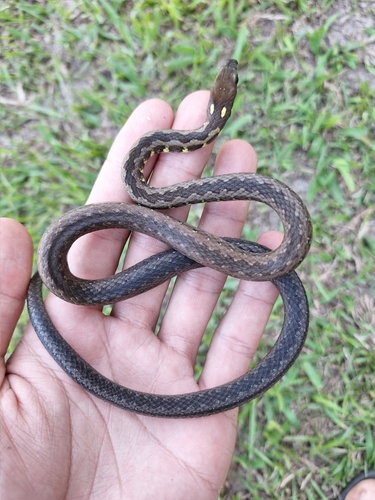
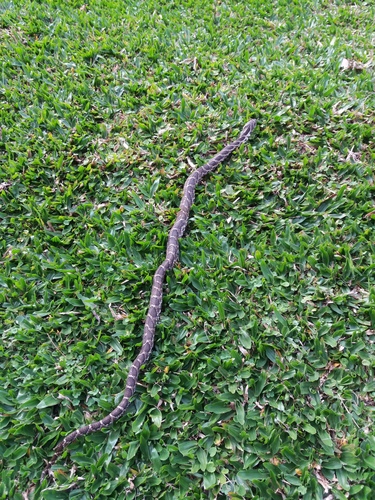
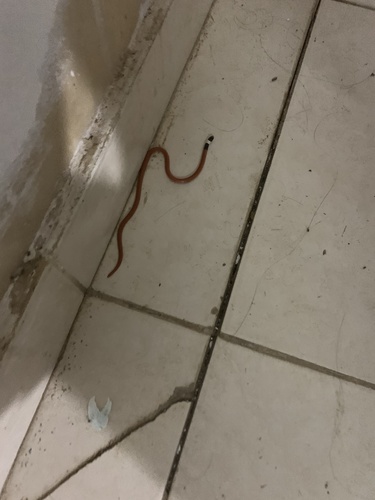
Viperidae (7)
Elapidae (5)
Leptotyphlopidae (3)
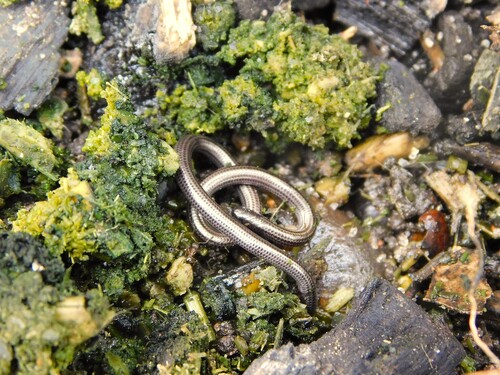
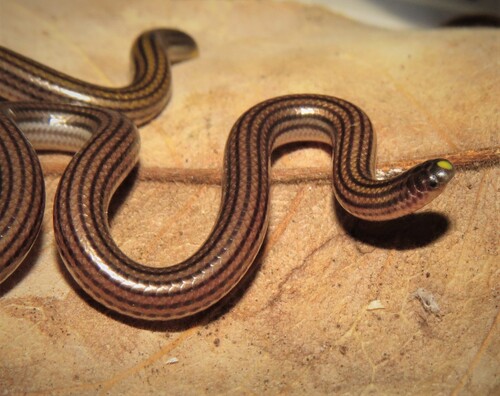
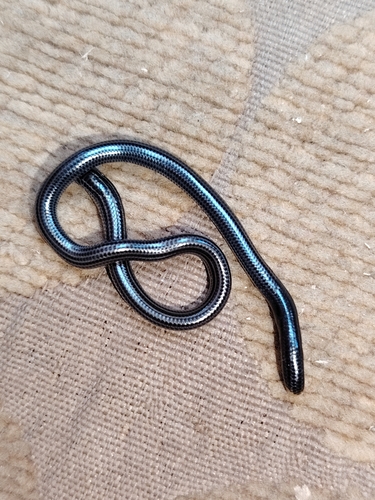
Boidae (1)
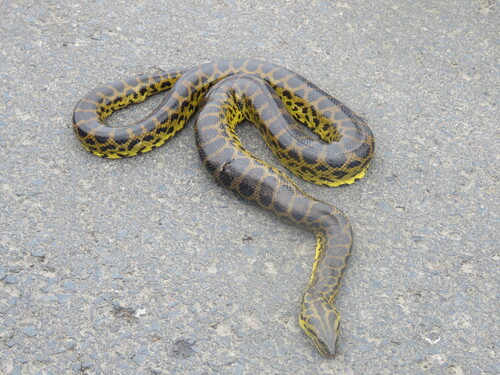
Compiled from verified GBIF & iNaturalist observations. "How often seen" reflects how frequently a snake is reported here, not how dangerous it is. Informational only.
Keep learning
- Are Snakes Dangerous? The Real Risk, in PerspectiveMost snakes are harmless and avoid people. Here is the honest picture of snakebite risk worldwide and how to lower your own.
- Snakebite First Aid: What to Do (and What Never to Do)A clear, CDC-based guide to snakebite first aid: the steps that help, the popular myths that hurt, and how to tell a serious bite from a minor one.
- Venomous vs Nonvenomous: How to Tell the DifferenceThe folk rules for telling venomous snakes apart, where each one fails, and why location-based identification beats guessing by sight.
- What to Do If You Find a SnakeFound a snake at home or on a trail? Here is how to stay calm, give it space, identify it safely, and know when to call a professional.