
Netherlands
Snakes in Netherlands
20+ snake species have been recorded in Netherlands, 2 venomous.
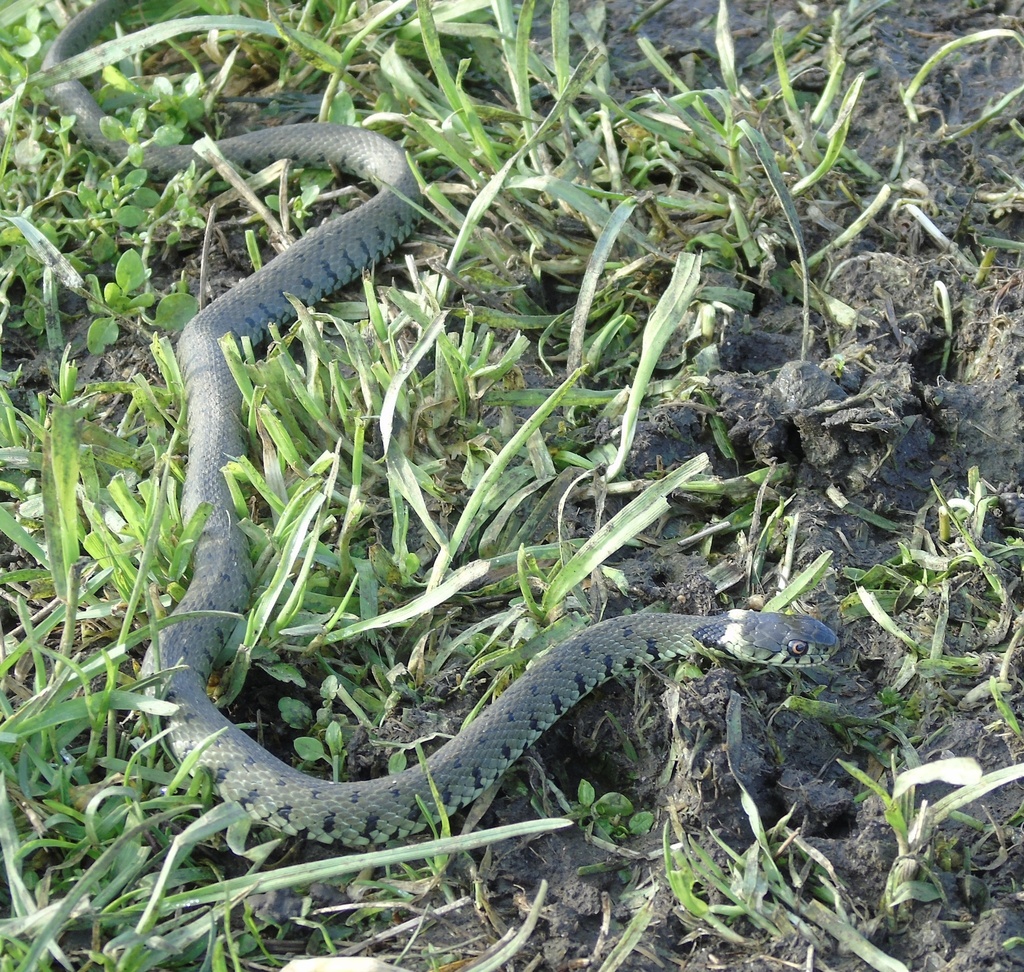
Snakes of Netherlands
The Netherlands has 20+ snake species recorded in our database, and only 2 of them are venomous. The great majority of snakes found here are non-venomous, and most encounters in the country involve harmless species going about the business of hunting rodents and amphibians. This is a low country of polders, river deltas, peat bogs, and reclaimed wetland, and that mix of water and managed land shapes the kind of snakes that thrive here.
Geography and habitat drive the diversity. The Netherlands sits at the meeting point of Atlantic coastal lowlands and the wider northwestern European plain, so its snakes are cool-climate species adapted to damp, temperate conditions rather than the rich reptile faunas of southern Europe. Heathlands, dune systems along the North Sea, peatlands, ditch networks, and the edges of forests and reed beds all give snakes the cover, basking spots, and prey they need. Wet habitats in particular support semi-aquatic species that hunt frogs and fish.
The medically important venomous snakes in the Netherlands belong to one group: the true vipers. The country has a small number of native vipers, and the European adder type viper is the one that matters for human safety. There are no cobras, mambas, coral snakes, pit vipers, rattlesnakes, or sea snakes native to the Netherlands. The viper group is the only source of genuine envenomation risk, and even then bites are uncommon and the snakes are shy, preferring to retreat rather than confront people.
The large non-venomous majority is what most people will actually meet. Harmless colubrid snakes, including grass snake type species that frequent water and damp grassland, make up the bulk of the fauna. These snakes are typically calm, often slip away quickly, and pose no venom threat at all. Some can release a foul-smelling musk or feign death when handled, but these are defensive bluffs, not dangerous behavior. They are a familiar and welcome part of the Dutch countryside and protected wetlands.
Snakes earn their place in these ecosystems. By preying on mice, rats, voles, and other small animals, they provide natural rodent and pest control that benefits farms, gardens, and stored crops. Species that hunt amphibians and fish help keep those populations in balance as well. A healthy snake population is a sign of a functioning landscape, and in a country that manages so much of its land and water, that quiet ecological work has real value.
On safety: most snakes in the Netherlands are harmless, and the only real medical threat is a bite from the native viper group. Even those bites are rarely fatal when treated, but they are still a medical emergency. The treatment for a serious venomous bite is professional hospital care, including antivenom when a doctor judges it necessary. Never handle a wild snake, venomous or not, since identification is unreliable in the moment and even non-venomous snakes can bite. If a bite occurs, contact emergency services or, in the US, Poison Control at 1-800-222-1222, and get to a hospital. Do not rely on home remedies.
Snakes in Netherlands: FAQ
- Are there venomous snakes in Netherlands?
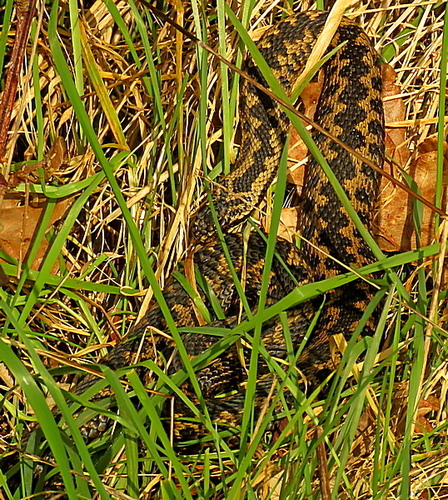
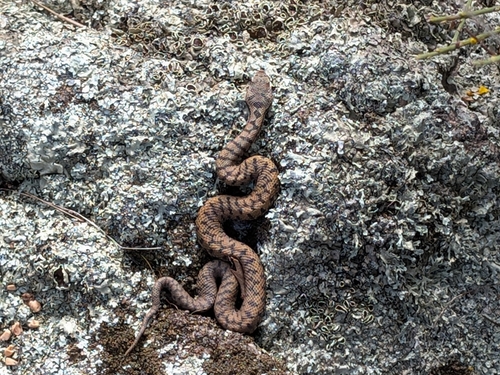
- Yes. 2 venomous snake species have verified records in Netherlands, including Adder, Asp Viper. Most snakes in Netherlands, however, are harmless.
- How many snake species live in Netherlands?
- 20+ snake species have verified records in Netherlands, of which 2 are venomous.
- What is the most commonly seen snake in Netherlands?
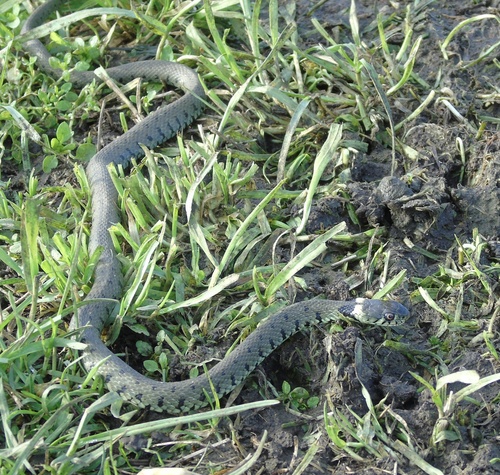
- The Barred Grass Snake is the most frequently reported snake in Netherlands, based on verified wildlife observations.
- What should I do if I see a venomous snake in Netherlands?
- Keep your distance and do not try to catch or kill it. Most bites happen when people handle or corner a snake. If someone is bitten, contact local emergency services or poison control immediately.
Venomous snakes in Netherlands
Every snake recorded in Netherlands
20+ species across 5 families, grouped by family. Venomous flagged.
Colubridae (16)
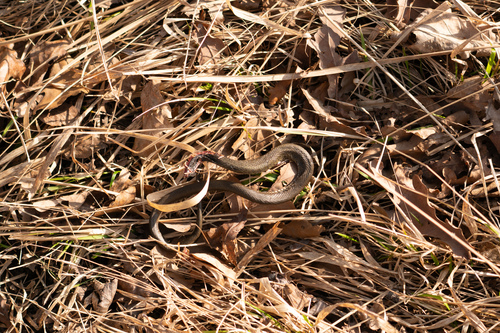
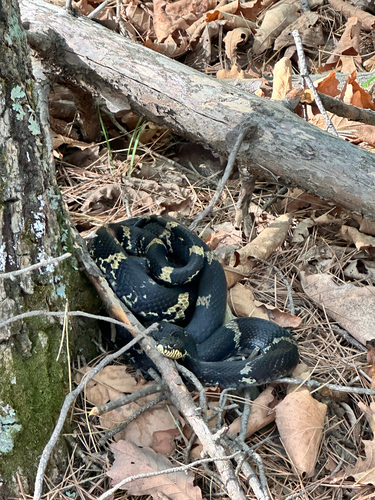
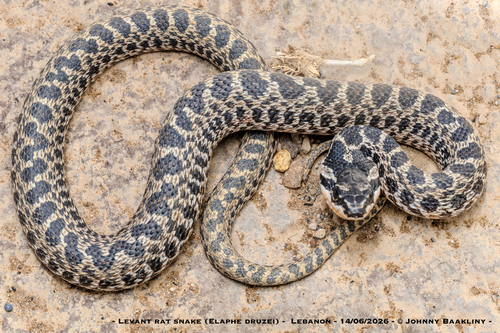
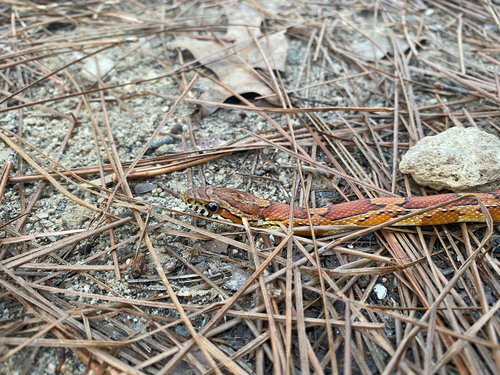
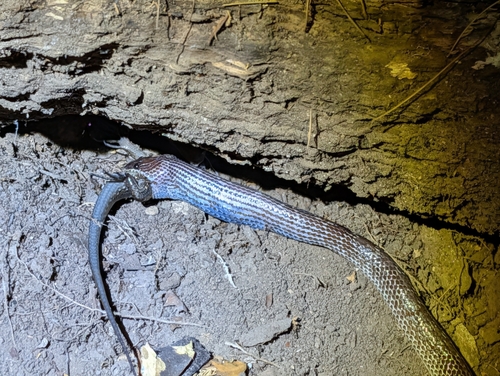
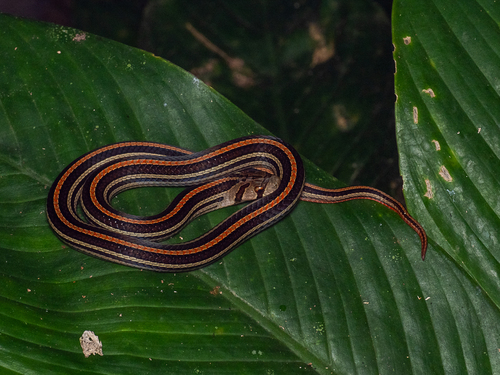
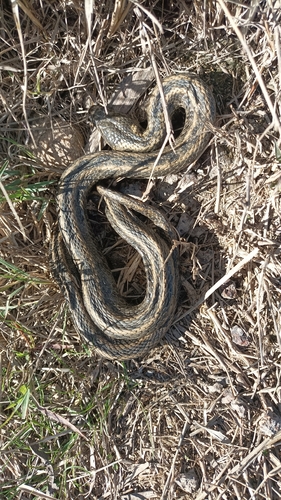
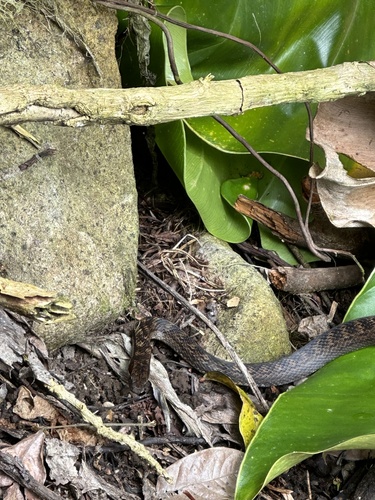
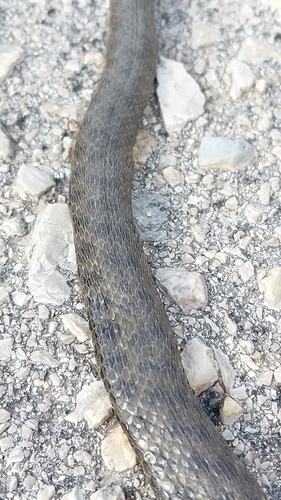
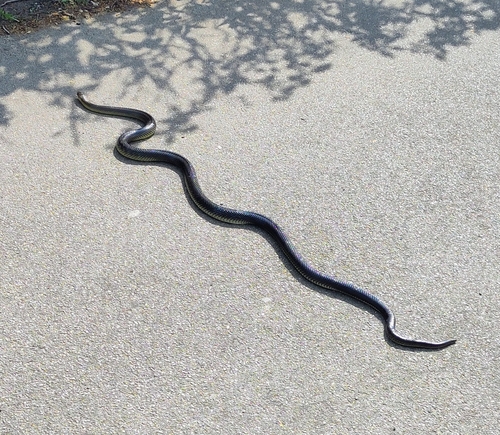
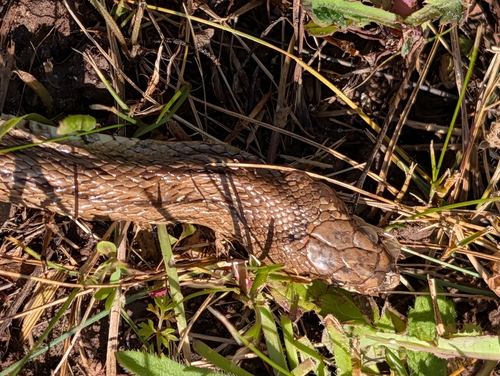
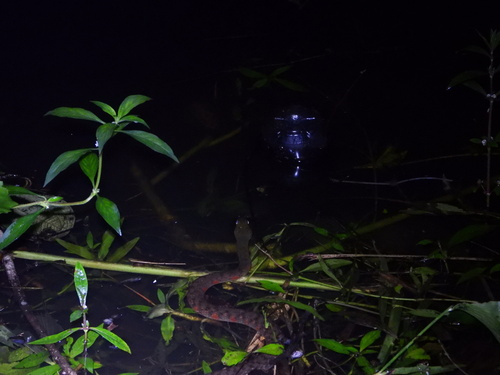
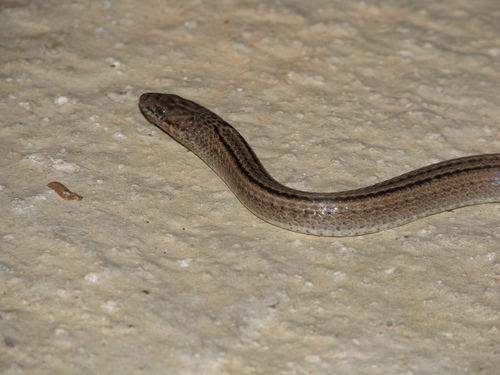
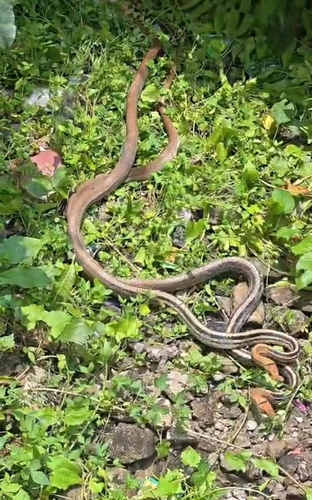
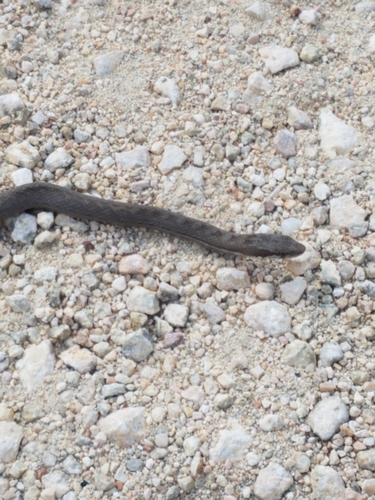
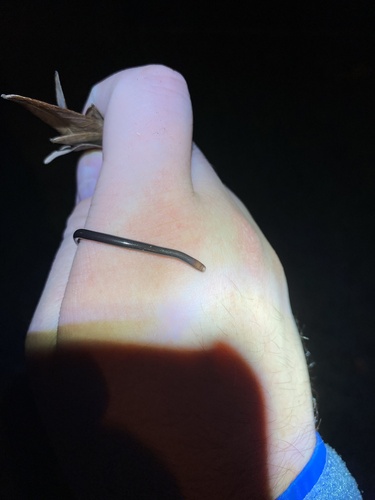
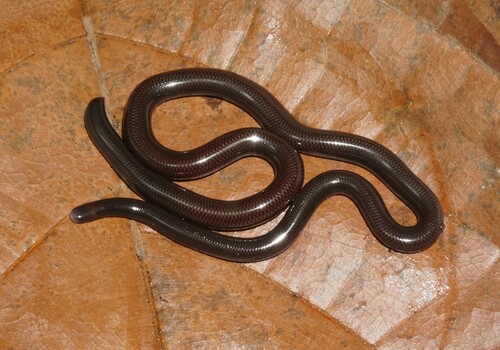
Pythonidae (1)
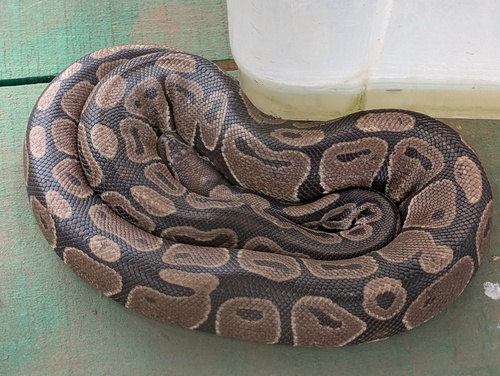
Leptotyphlopidae (1)
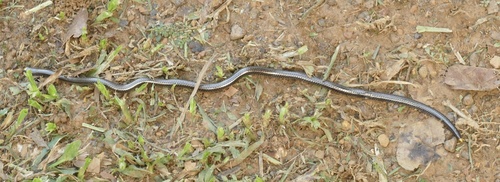
Compiled from verified GBIF & iNaturalist observations. "How often seen" reflects how frequently a snake is reported here, not how dangerous it is. Informational only.
Keep learning
- Are Snakes Dangerous? The Real Risk, in PerspectiveMost snakes are harmless and avoid people. Here is the honest picture of snakebite risk worldwide and how to lower your own.
- Snakebite First Aid: What to Do (and What Never to Do)A clear, CDC-based guide to snakebite first aid: the steps that help, the popular myths that hurt, and how to tell a serious bite from a minor one.
- Venomous vs Nonvenomous: How to Tell the DifferenceThe folk rules for telling venomous snakes apart, where each one fails, and why location-based identification beats guessing by sight.
- What to Do If You Find a SnakeFound a snake at home or on a trail? Here is how to stay calm, give it space, identify it safely, and know when to call a professional.