
Lebanon
Snakes in Lebanon
30+ snake species have been recorded in Lebanon, 6 venomous.
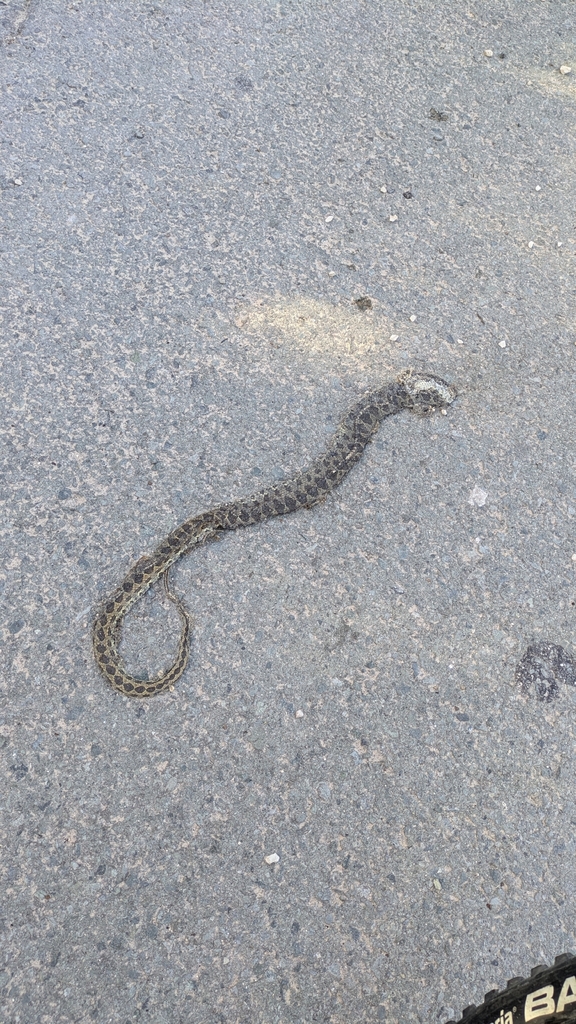
Snakes of Lebanon
Lebanon has 30+ snake species recorded in our database, and 7 of them are venomous. The great majority of the country's snakes are non-venomous and pose no medical threat to people. Despite its small size, Lebanon supports a varied snake fauna shaped by its position at the meeting point of the Mediterranean coast, the steep slopes of Mount Lebanon, the Bekaa Valley, and the drier eastern ranges that grade toward the Syrian interior.
That geography is the engine of the diversity. A narrow coastal strip with mild, humid winters gives way within a short distance to high mountains that hold snow into spring, then drops into the Bekaa, a broad agricultural valley between two ranges. This compression of climates, from sea level to 3,000+ meters, packs Mediterranean scrub, pine and oak woodland, rocky uplands, river corridors, and cultivated farmland into a small area. Each of those habitats favors different snakes, so the country carries both moisture-loving species near the coast and arid-adapted species inland.
The medically important venomous snakes in Lebanon belong to the viper family. True vipers of the genus Macrovipera and Montivipera, along with smaller Vipera-type vipers, are the front-rank concern, and the broader region also includes the burrowing asps of the genus Atractaspis, which deliver venom through side-stabbing fangs and should never be handled even though they look small and inoffensive. Rear-fanged colubrids such as the cat snakes and the Montpellier snake carry mild venom that matters little to humans in most encounters. Lebanon has no cobras, no mambas, no rattlesnakes, no New World pit vipers, and no coral snakes. There is no resident population of dangerous sea snakes in the eastern Mediterranean. The practical takeaway is that vipers are the group to respect.
The non-venomous majority is where most of the variety sits, and it includes some of the country's most recognizable snakes. Large, fast colubrids such as whip snakes and racers patrol open ground and stone walls, the big Caspian or large whip snake among them, and these account for many of the snakes people actually see. Rat snakes, dice snakes near water, the slender worm snake that looks more like an earthworm, and the harmless coastal and woodland colubrids round out the list. These snakes are not a danger to people; their reputation suffers mostly from being mistaken for the few vipers.
Ecologically, snakes earn their place. They are efficient predators of rodents, and a healthy snake population is one of the cheapest forms of pest control a farm or a village can have, holding down rats and mice that damage stored grain and spread disease. They also feed on insects, lizards, and other small animals, which keeps those populations in balance. Killing snakes on sight tends to backfire by removing this free rodent control, and most of the snakes killed are harmless species that were doing useful work.
On safety, the honest framing is simple. Most snakes in Lebanon are harmless, and the real medical threat comes from the vipers. A venomous bite is a medical emergency, and the correct response is professional care: antivenom and hospital treatment given by clinicians, not home remedies. No wild snake should be picked up or handled, including small or apparently sluggish ones, because identification mistakes and defensive bites are how most people get hurt. If a bite happens, do not attempt field treatment; get to emergency services immediately, and in the United States you can also reach Poison Control at 1-800-222-1222 while arranging care.
Snakes in Lebanon: FAQ
- Are there venomous snakes in Lebanon?
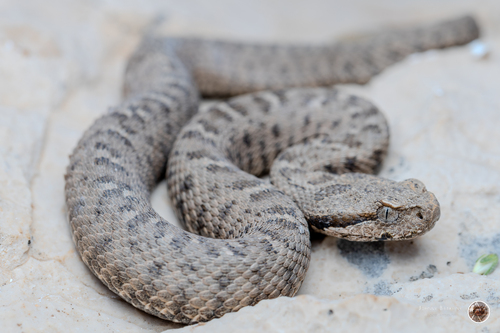
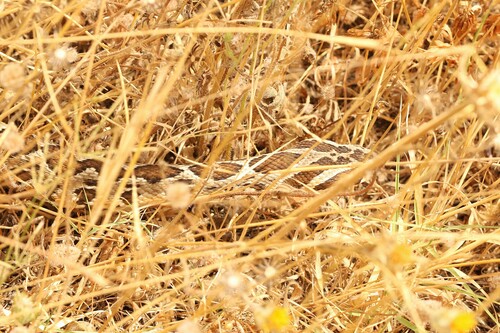
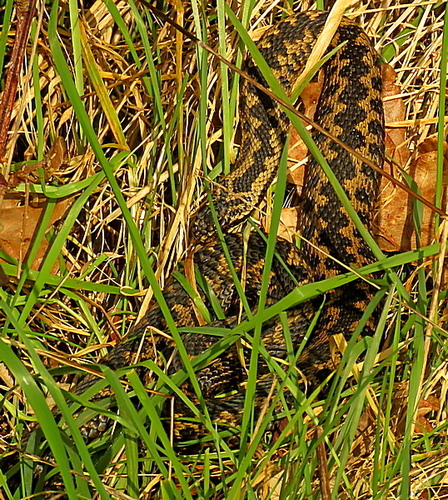
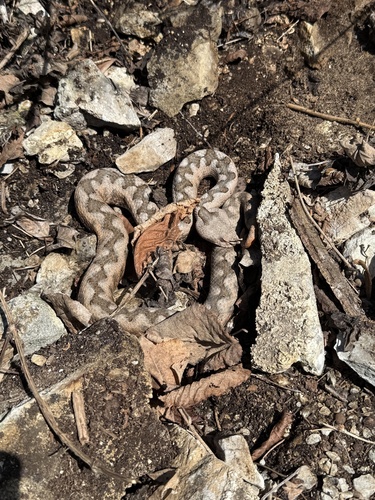
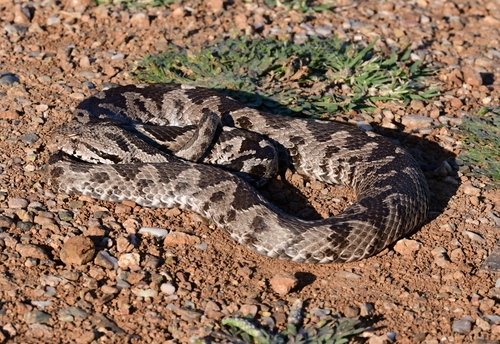
- Yes. 6 venomous snake species have verified records in Lebanon, including Lebanon Viper, Palestine Viper, Adder, Nose-horned Viper. Most snakes in Lebanon, however, are harmless.
- How many snake species live in Lebanon?
- 30+ snake species have verified records in Lebanon, of which 6 are venomous.
- What is the most commonly seen snake in Lebanon?
- The Asian Racer is the most frequently reported snake in Lebanon, based on verified wildlife observations.
- What should I do if I see a venomous snake in Lebanon?
- Keep your distance and do not try to catch or kill it. Most bites happen when people handle or corner a snake. If someone is bitten, contact local emergency services or poison control immediately.
Venomous snakes in Lebanon

Every snake recorded in Lebanon
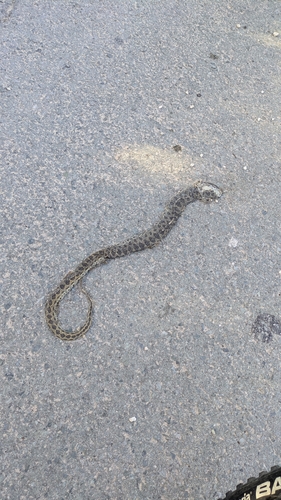
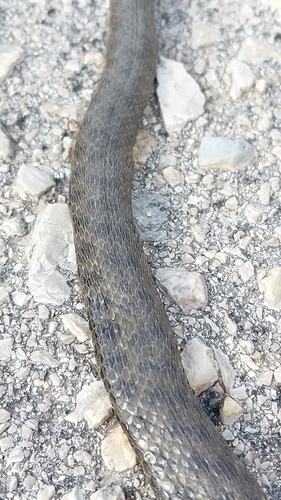
30+ species across 6 families, grouped by family. Venomous flagged.
Colubridae (21)
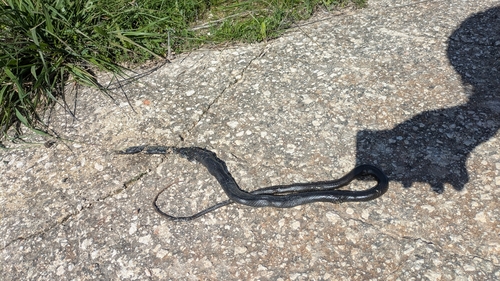
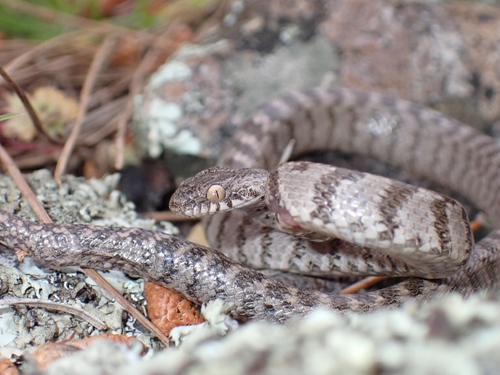
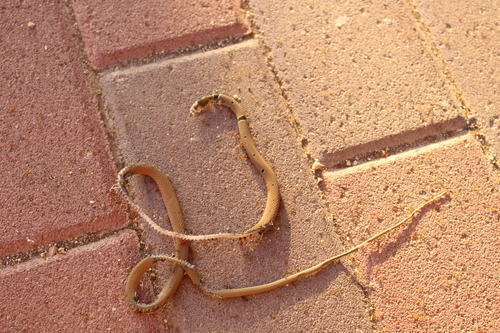
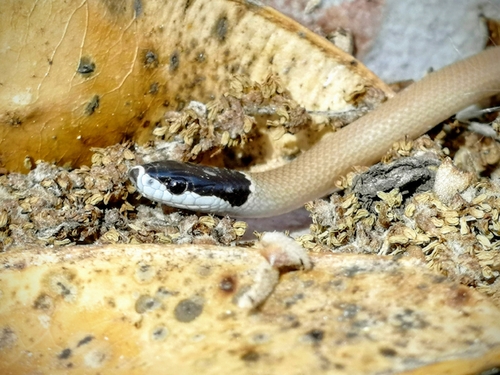
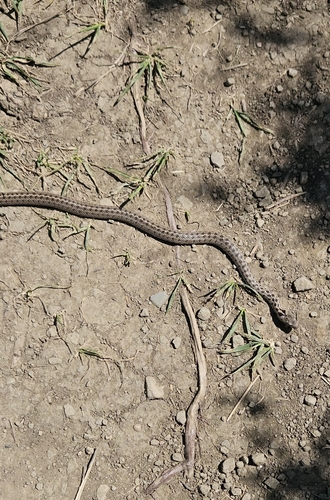
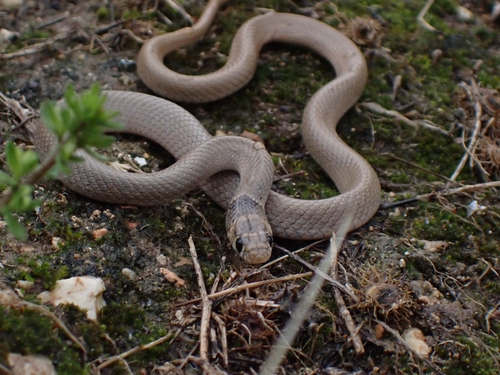
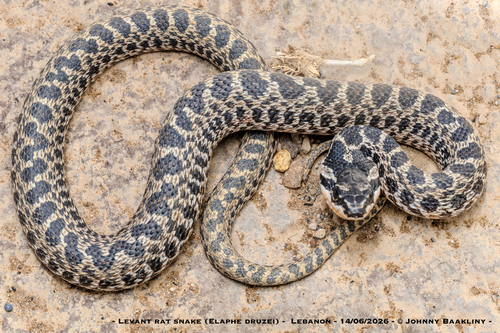
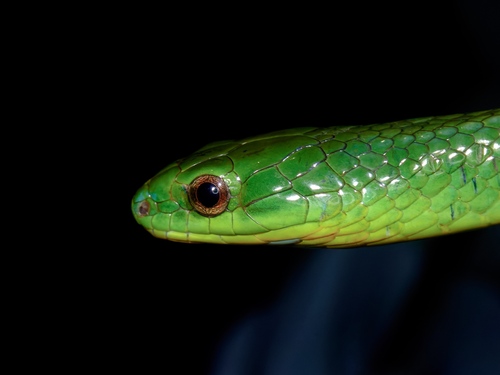
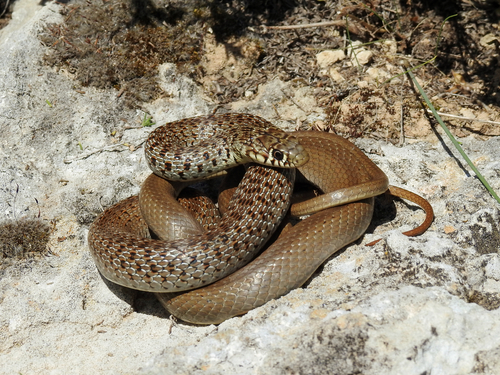
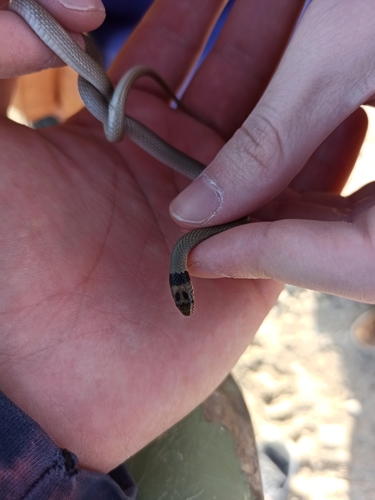
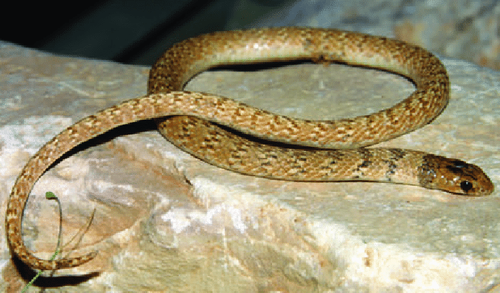
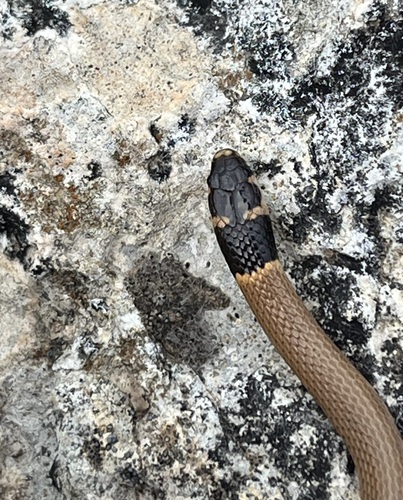
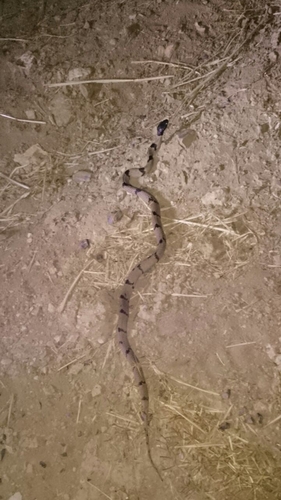
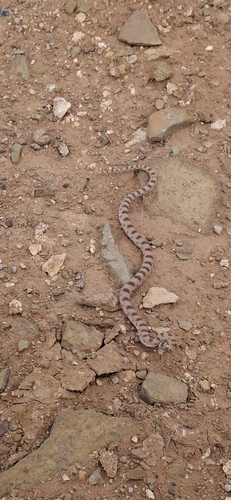
Viperidae (5)
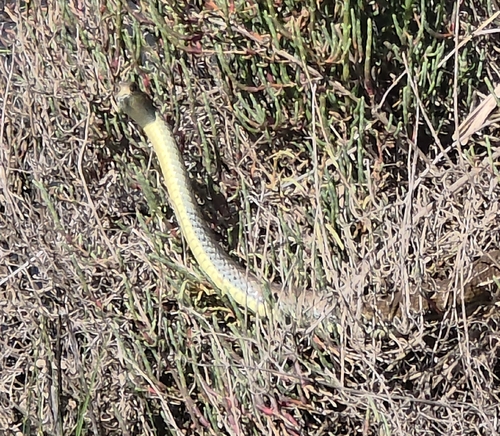
Psammophiidae (3)
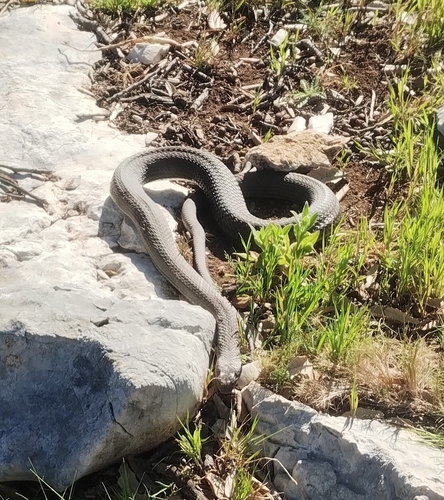
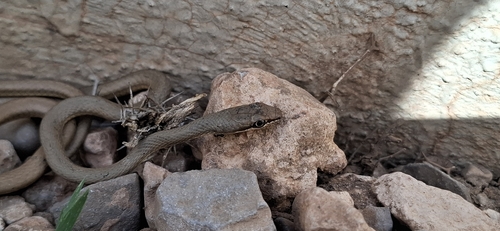
Typhlopidae (2)
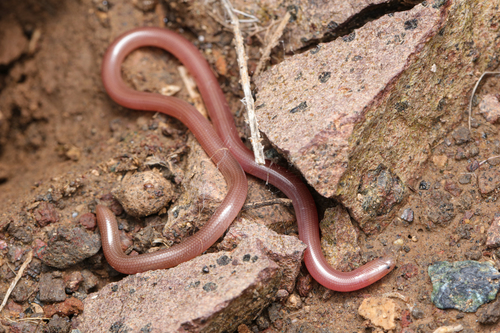
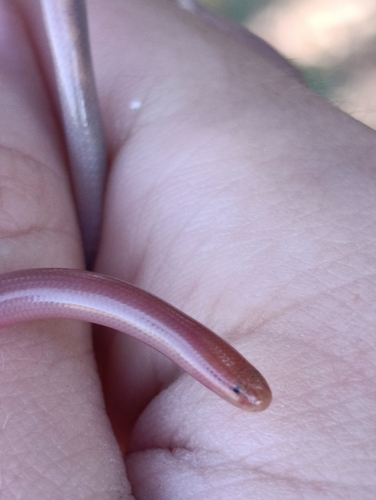
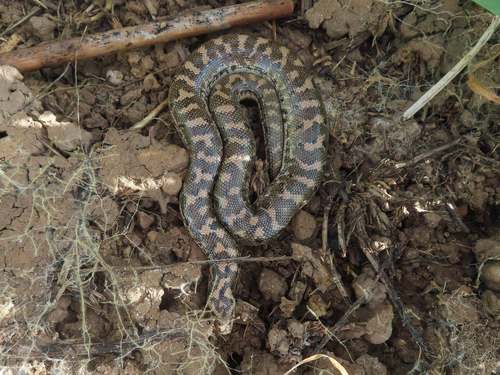
Boidae (1)
Atractaspididae (1)
Compiled from verified GBIF & iNaturalist observations. "How often seen" reflects how frequently a snake is reported here, not how dangerous it is. Informational only.
Keep learning
- Are Snakes Dangerous? The Real Risk, in PerspectiveMost snakes are harmless and avoid people. Here is the honest picture of snakebite risk worldwide and how to lower your own.
- Snakebite First Aid: What to Do (and What Never to Do)A clear, CDC-based guide to snakebite first aid: the steps that help, the popular myths that hurt, and how to tell a serious bite from a minor one.
- Venomous vs Nonvenomous: How to Tell the DifferenceThe folk rules for telling venomous snakes apart, where each one fails, and why location-based identification beats guessing by sight.
- What to Do If You Find a SnakeFound a snake at home or on a trail? Here is how to stay calm, give it space, identify it safely, and know when to call a professional.