
Dominican Republic
Snakes in Dominican Republic
40+ snake species have been recorded in Dominican Republic, 3 venomous.
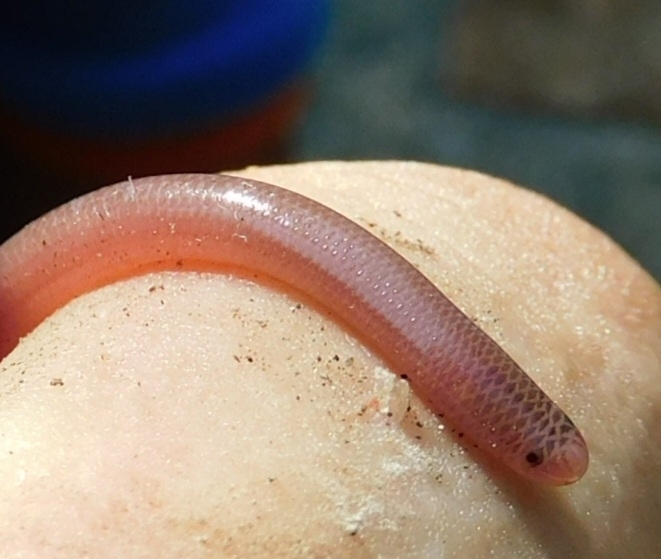
Snakes of Dominican Republic
The Dominican Republic has 40+ snake species recorded in our database, and only 3 of them are venomous. The great majority of species are non-venomous. The country occupies the eastern two thirds of the island of Hispaniola, a setting that has produced a snake fauna that is highly distinctive and, in large part, found nowhere else on Earth. As an island nation, the Dominican Republic lacks the large terrestrial pit vipers and elapids that dominate the snake fauna of the nearby mainland, so the picture here is shaped far more by small, secretive, locally evolved species than by the famous danger snakes of Central and South America.
Geography drives that diversity. The island rises from coastal mangroves and dry thorn scrub through fertile valleys to the highest mountains in the Caribbean, including the pine forests of the Cordillera Central. This range of elevation and rainfall creates many separate habitats, from arid lowlands to humid broadleaf forest, and snakes have adapted to each. Many native species are tied to leaf litter, rock crevices, and the soil itself, where they hunt insects, lizards, and frogs. Isolation on the island over long timescales has allowed populations to diverge, which is why Hispaniola supports so many species found only here.
On the question of medically important venom, the Dominican Republic is reassuring. The major continental venomous groups, the true vipers and rattlesnakes, the cobras and mambas, the coral snakes, and the sea snakes, are not part of the established land fauna of Hispaniola. The venomous snakes present here belong to the rear fanged colubrid group, snakes whose mild venom is delivered by grooved teeth at the back of the mouth and is adapted for subduing small prey such as lizards and frogs. Bites to people from these species are uncommon and typically minor, which is very different from the systemic, life threatening envenomation caused by vipers or elapids elsewhere. The genuine medical danger from snakes in the Dominican Republic is low compared with mainland tropical regions.
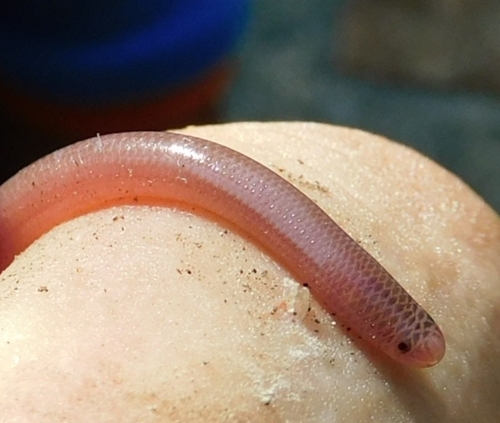
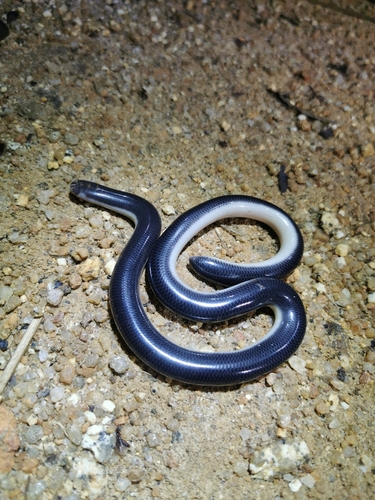
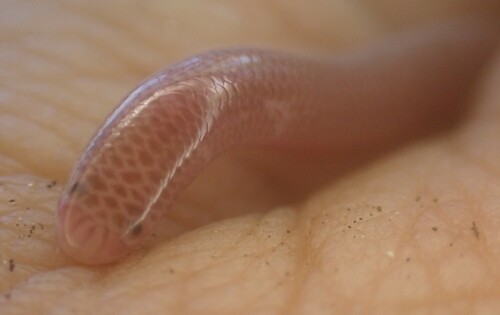
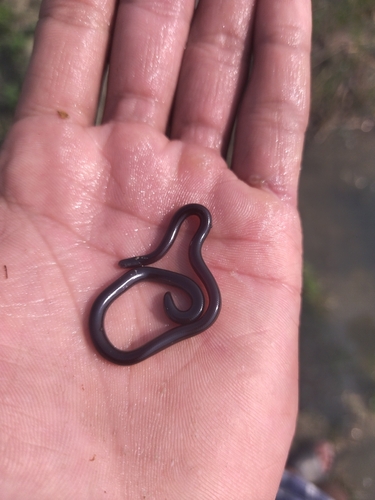
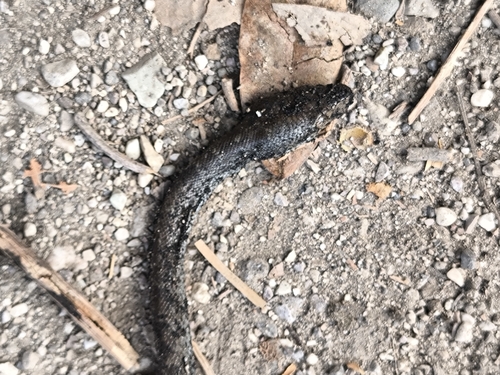
The non-venomous majority is where the country's snake life really lives. The most famous group is the Hispaniolan boas, large constrictors that are among the biggest snakes of the Caribbean and that kill prey by constriction rather than venom. Alongside them are numerous smaller racers and ground snakes, along with tiny burrowing blindsnakes and threadsnakes that look almost like earthworms and spend most of their lives underground. These species are harmless to people. They are also a point of national natural heritage, since many are endemic to Hispaniola and exist as part of the island's unique evolutionary story.
Snakes earn their place in Dominican ecosystems. By preying on rodents, large constrictors and mid sized snakes help limit the rats and mice that damage crops, raid stored grain, and spread disease. Smaller snakes keep insect and lizard populations in balance. Removing snakes from an area tends to let pest populations climb, so the snakes around farms, forests, and rural homes are quietly doing useful work. Protecting them, especially the endemic boas that are vulnerable to habitat loss and to being killed on sight, supports both biodiversity and practical pest control.
For safety, the honest summary is that most snakes in the Dominican Republic are harmless and that the country has no large, highly venomous land snakes. The only venom risk comes from mild rear fanged species, and serious bites are rare. Even so, no wild snake should ever be picked up or handled, because any bite can cause injury or infection and species are easy to misidentify. The correct response to a serious bite is professional medical treatment, and where antivenom is indicated it is given in a hospital, not in the field. If a bite occurs, contact local emergency services immediately, or in the United States reach Poison Control at 1-800-222-1222, and get the person to medical care without delay.
Snakes in Dominican Republic: FAQ
- Are there venomous snakes in Dominican Republic?
- Yes. 3 venomous snake species have verified records in Dominican Republic, including Common Lancehead, Aquatic Coralsnake, Guyana Blackback Coralsnake. Most snakes in Dominican Republic, however, are harmless.
- How many snake species live in Dominican Republic?
- 40+ snake species have verified records in Dominican Republic, of which 3 are venomous.
- What is the most commonly seen snake in Dominican Republic?
- The Hispaniola Worm Snake is the most frequently reported snake in Dominican Republic, based on verified wildlife observations.
- What should I do if I see a venomous snake in Dominican Republic?
- Keep your distance and do not try to catch or kill it. Most bites happen when people handle or corner a snake. If someone is bitten, contact local emergency services or poison control immediately.
Venomous snakes in Dominican Republic
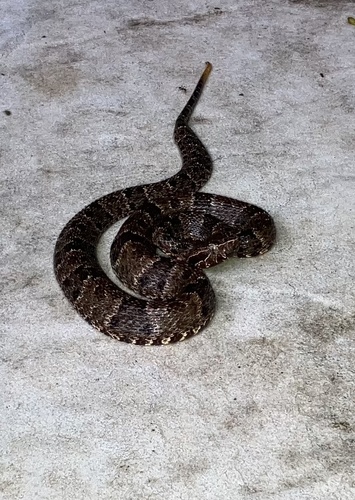
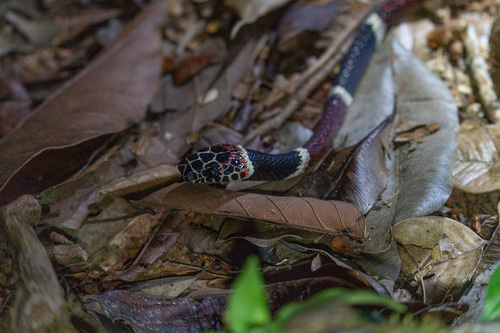
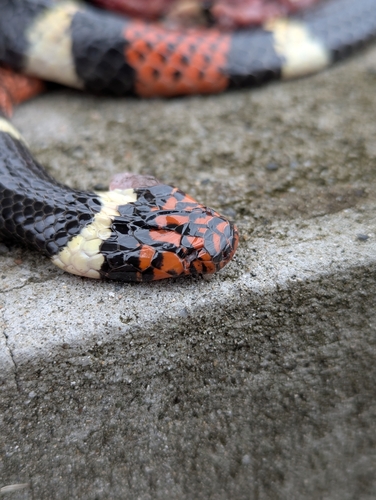 Aquatic CoralsnakeMicrurus surinamensisVenomous
Rings of red, yellow, and black where red touches yellow; small rounded head and round pupils.
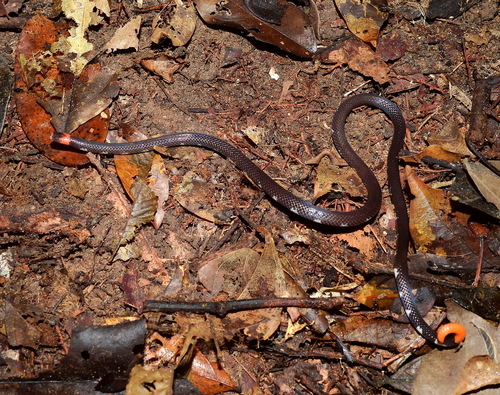 Guyana Blackback CoralsnakeMicrurus collarisVenomous
Rings of red, yellow, and black where red touches yellow; small rounded head and round pupils.
Every snake recorded in Dominican Republic
40+ species across 10 families, grouped by family. Venomous flagged.
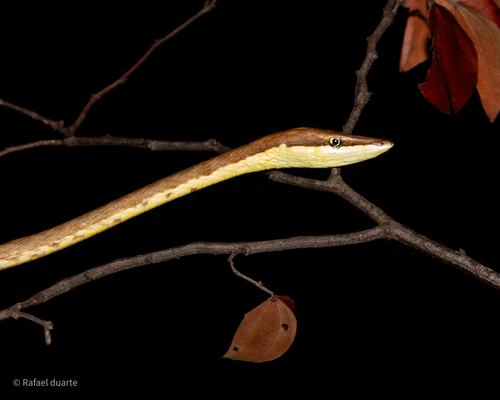
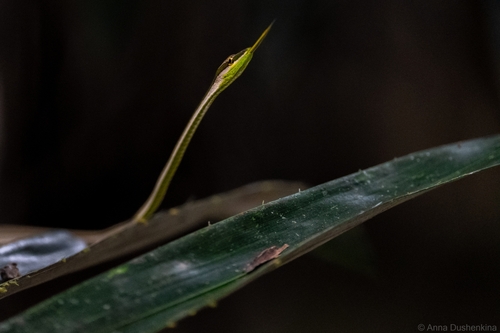
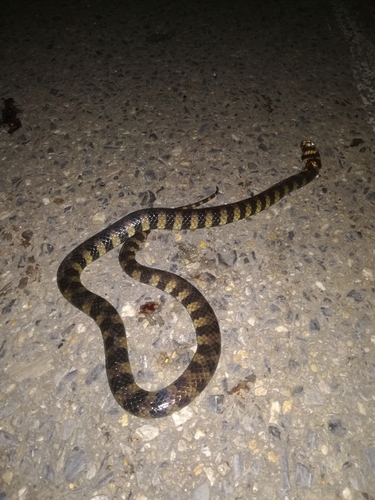
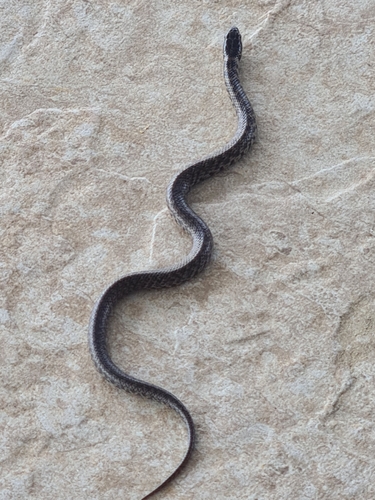
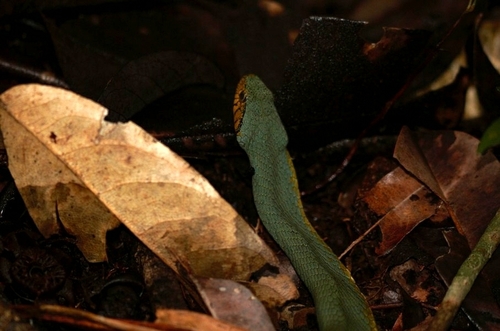
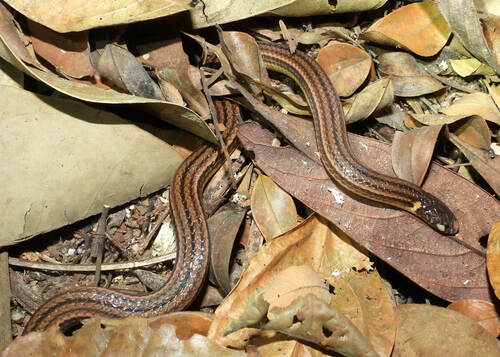
Colubridae (28)
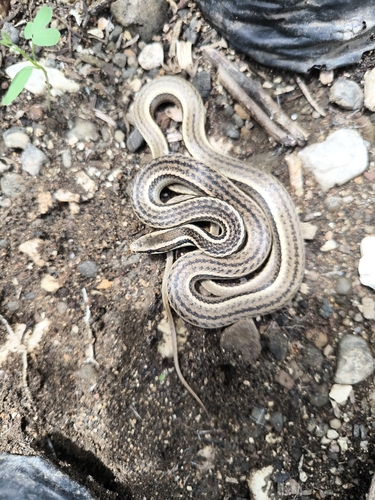
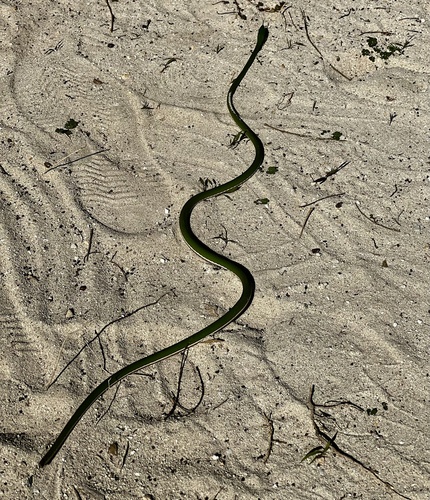
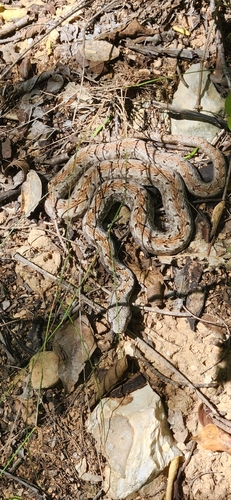
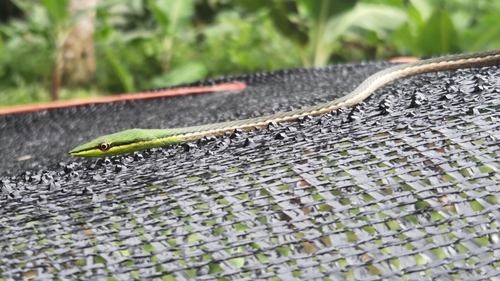
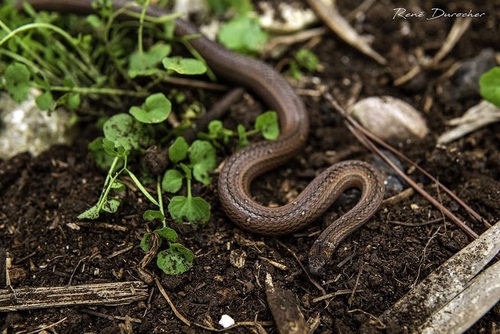
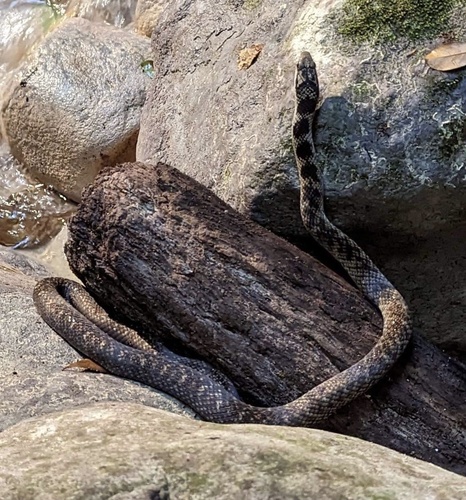
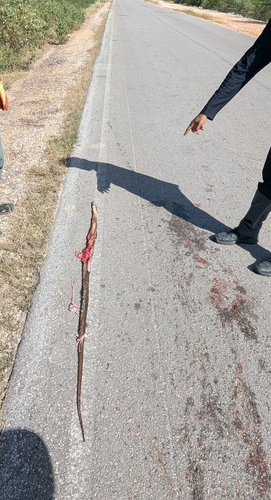
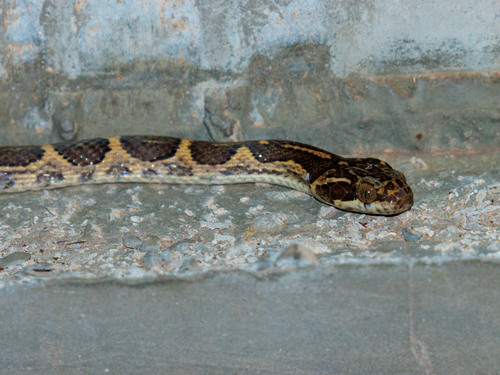
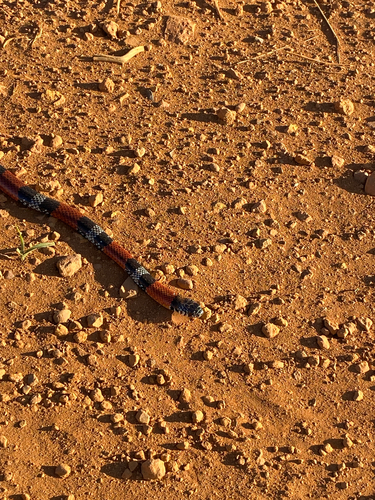
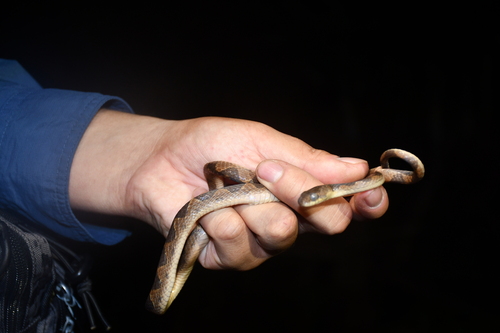
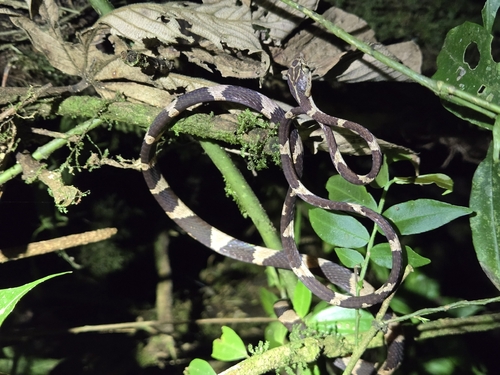
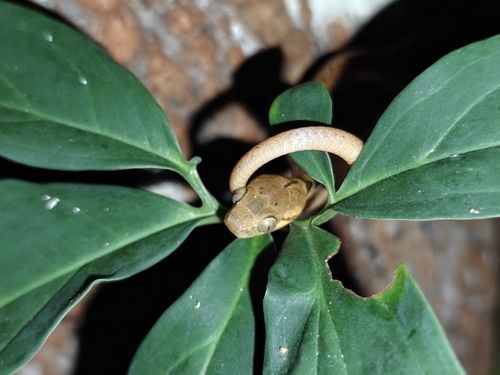
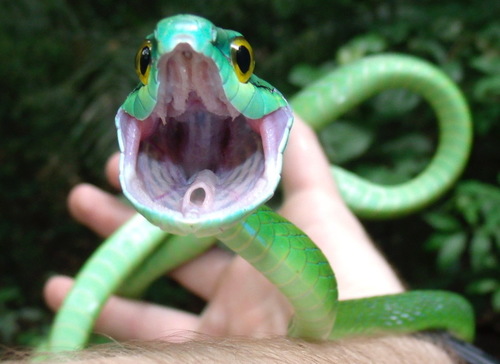
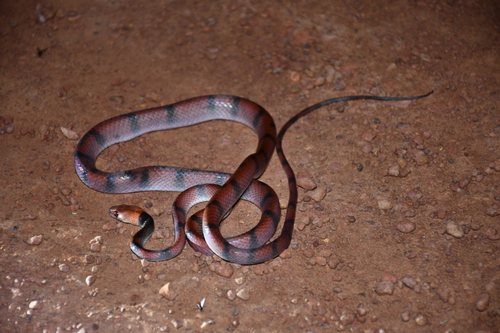
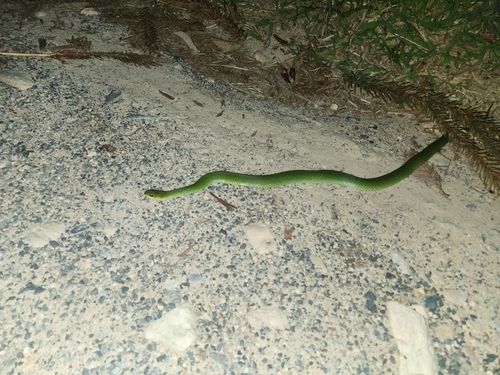

Typhlopidae (5)
Boidae (5)
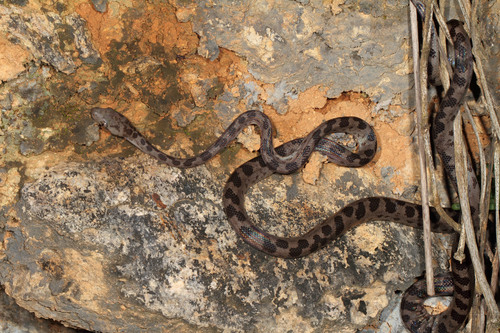
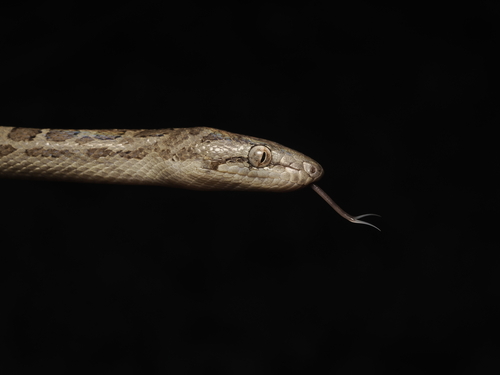
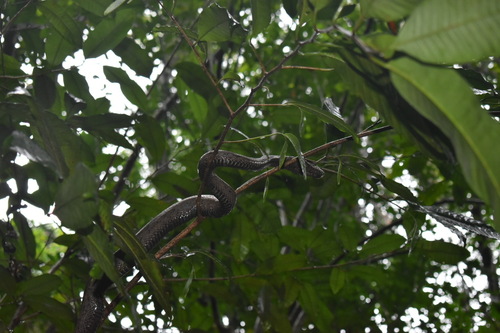
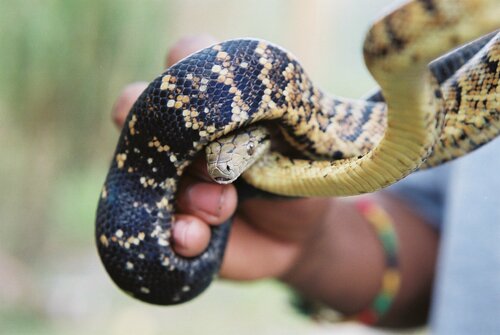
Tropidophiidae (4)
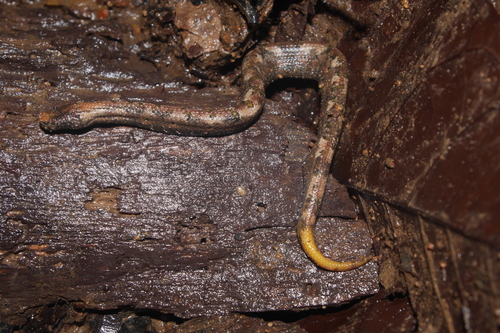
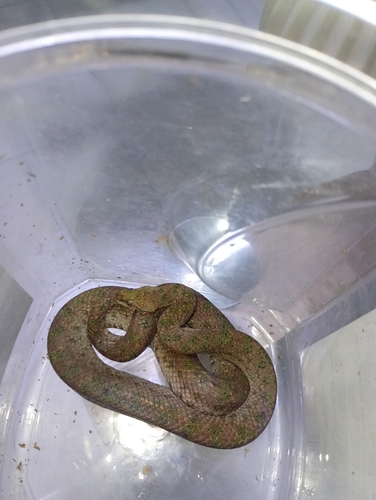
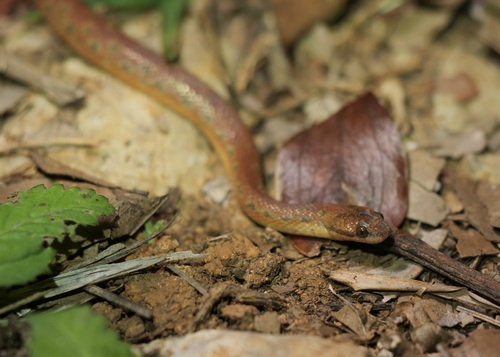
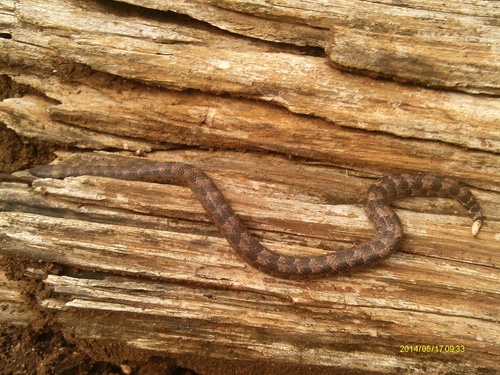
Elapidae (2)
Anomalepididae (1)
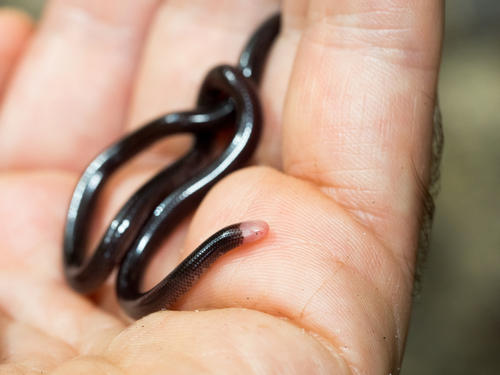
Viperidae (1)
Aniliidae (1)
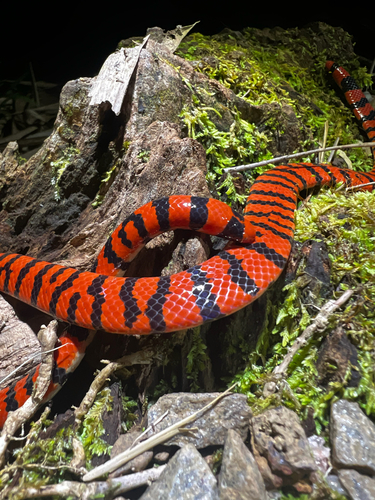
Pseudoxyrhophiidae (1)
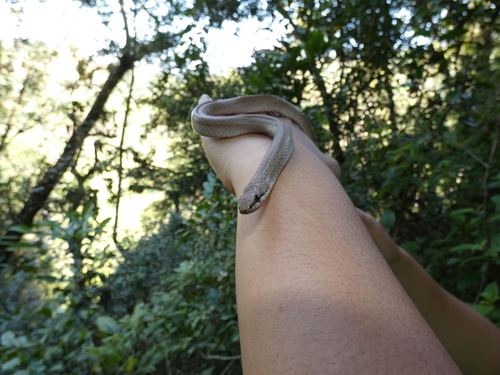
Leptotyphlopidae (1)
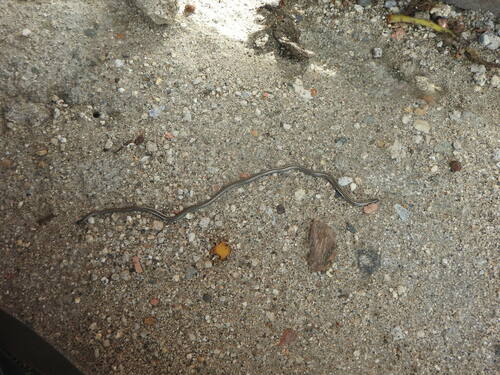
Compiled from verified GBIF & iNaturalist observations. "How often seen" reflects how frequently a snake is reported here, not how dangerous it is. Informational only.
Keep learning
- Are Snakes Dangerous? The Real Risk, in PerspectiveMost snakes are harmless and avoid people. Here is the honest picture of snakebite risk worldwide and how to lower your own.
- Snakebite First Aid: What to Do (and What Never to Do)A clear, CDC-based guide to snakebite first aid: the steps that help, the popular myths that hurt, and how to tell a serious bite from a minor one.
- Venomous vs Nonvenomous: How to Tell the DifferenceThe folk rules for telling venomous snakes apart, where each one fails, and why location-based identification beats guessing by sight.
- What to Do If You Find a SnakeFound a snake at home or on a trail? Here is how to stay calm, give it space, identify it safely, and know when to call a professional.