
Cuba
Snakes in Cuba
30+ snake species have been recorded in Cuba, and none are venomous.
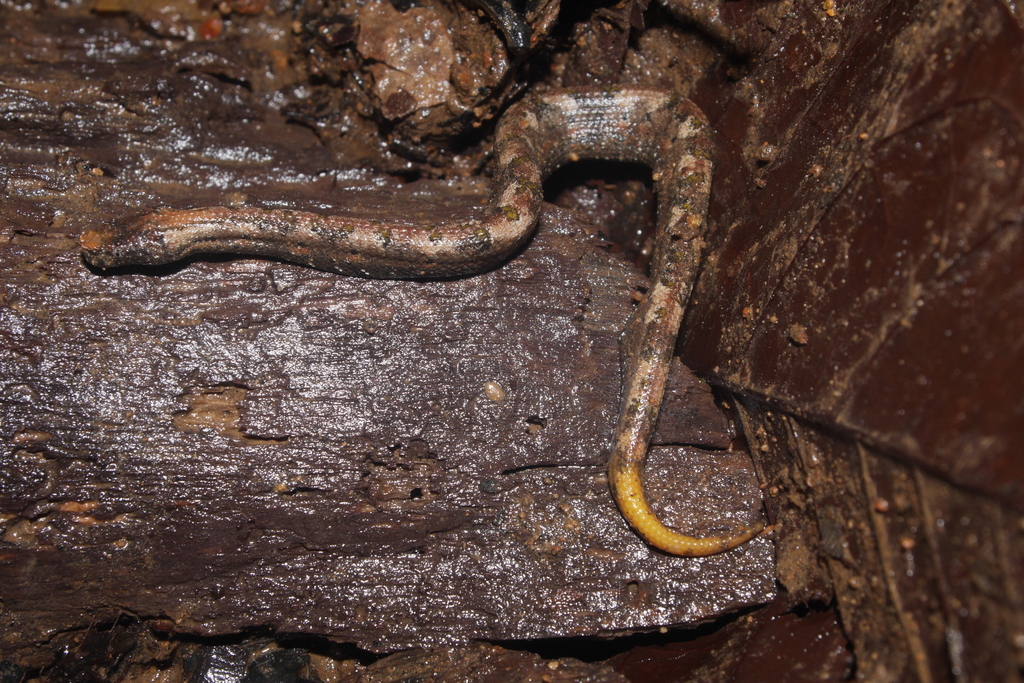
Snakes of Cuba
Cuba is the largest island in the Caribbean, and its snake fauna reflects both that size and its long isolation from the mainland. Our database records 30+ snake species for the country, and none of them are venomous. The great majority of species are non-venomous, and in Cuba that majority is in fact the whole list, which makes the island unusual compared with most countries of similar size.
The island's geography drives the diversity that is present. Cuba ranges from dry coastal scrub and limestone karst to interior mountain ranges such as the Sierra Maestra and the Guaniguanico hills in the west, along with extensive forests, wetlands, mangroves, and farmland. These varied habitats give snakes many ways to make a living, from tree canopies to leaf litter to rocky outcrops, and a high proportion of Cuban snakes are found nowhere else on Earth.
On the question of medically important venomous groups, Cuba stands apart from the mainland tropics. The dangerous front-fanged families that people often worry about, including cobras, mambas, true vipers, pit vipers, rattlesnakes, and coral snakes, are not part of the native Cuban fauna. Sea snakes of the dangerous Indo-Pacific kind are not present in Cuban waters either. There is no native land snake in Cuba whose bite delivers a medically significant venom to people, which is why the database lists zero venomous species for the country.
The non-venomous majority includes some genuinely notable animals. The Cuban boa is the island's largest snake and one of the largest in the West Indies, an impressive constrictor that can reach several meters and feeds on rodents, birds, and bats. Smaller racers, ground snakes, and the many dwarf and blind snakes round out the fauna. These animals are predators that subdue prey by ambush or constriction rather than venom, and several of the boas and racers are well known to naturalists and visitors.
Snakes earn their place in Cuban ecosystems mainly through pest control. By preying on rats, mice, and other small animals, they help keep rodent numbers down around farms, food stores, and homes, which reduces crop loss and the spread of rodent-borne disease. Larger boas also take introduced rats that damage native wildlife, so protecting snakes supports both agriculture and the island's biodiversity.
The honest safety picture for Cuba is reassuring. Nearly every snake you might meet is harmless, and the database shows no venomous land species on the island, so there is no major snakebite envenomation threat from native snakes. That said, no wild snake should ever be handled, since even a non-venomous bite can cause injury and infection, and identification mistakes happen. If a person is bitten and there is any doubt or any serious reaction, the right response is professional medical care: contact local emergency services, or in the United States reach Poison Control at 1-800-222-1222. Antivenom and hospital treatment, where needed, are matters for trained clinicians, not for field first aid.
Snakes in Cuba: FAQ
- Are there venomous snakes in Cuba?
- No venomous snakes have verified records in Cuba. Every snake recorded here is harmless to humans, though any snake may bite defensively if handled.
- How many snake species live in Cuba?
- 30+ snake species have verified records in Cuba.
- What is the most commonly seen snake in Cuba?
- The Northern Eyelash Boa is the most frequently reported snake in Cuba, based on verified wildlife observations.
Every snake recorded in Cuba
30+ species across 4 families, grouped by family. Venomous flagged.
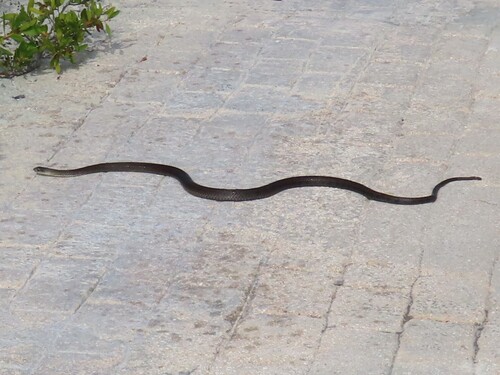
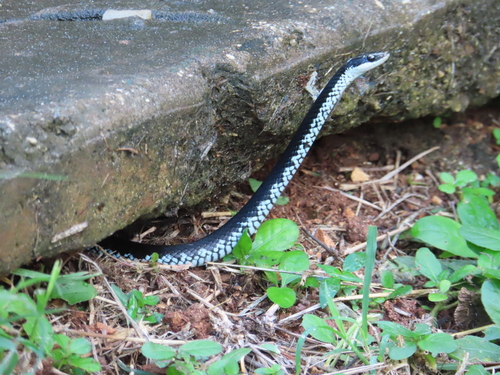
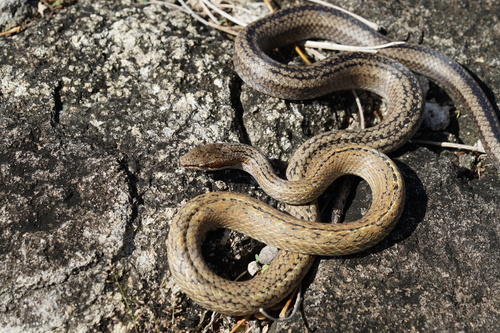
Colubridae (16)
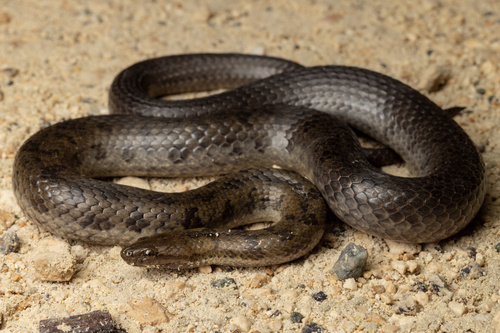
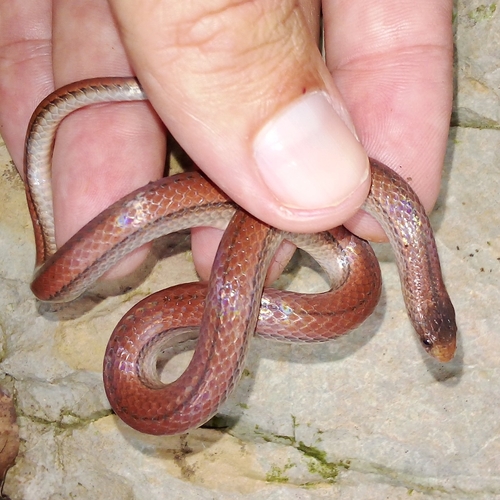
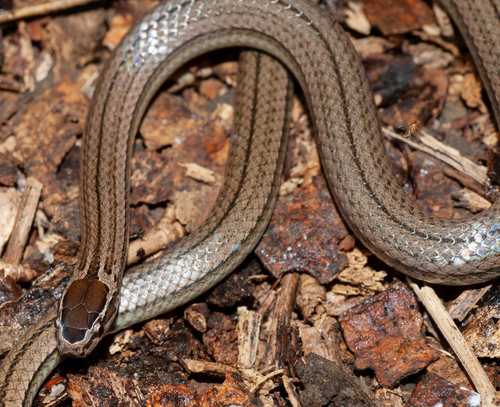
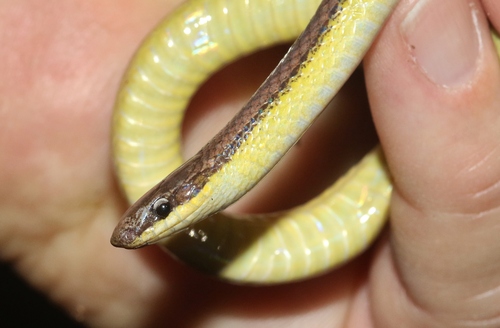
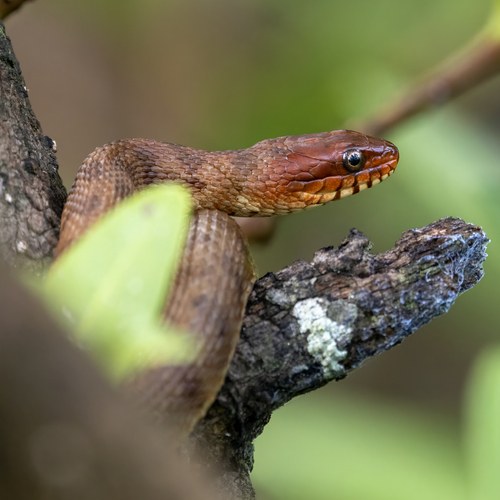
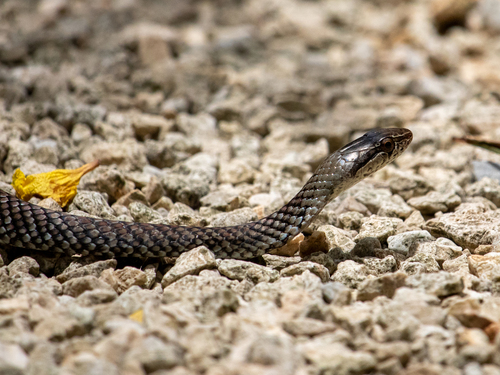
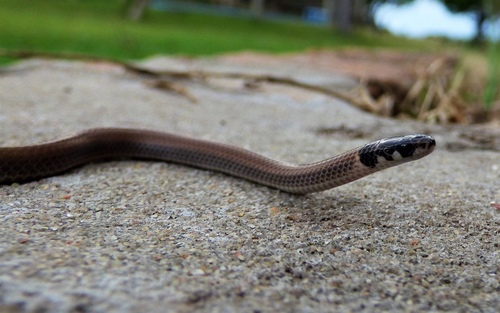
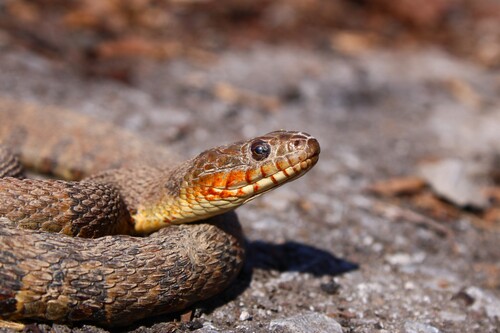
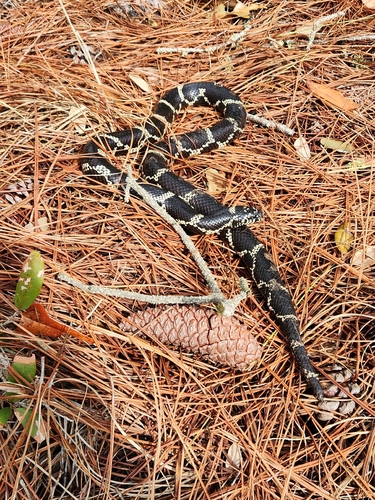
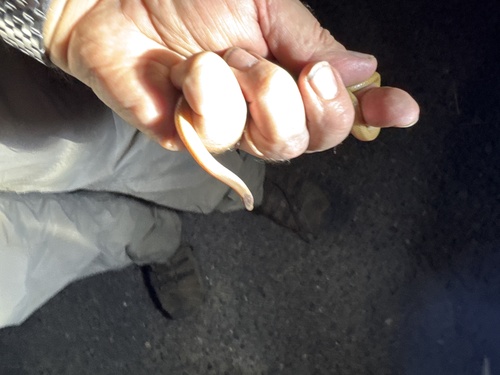
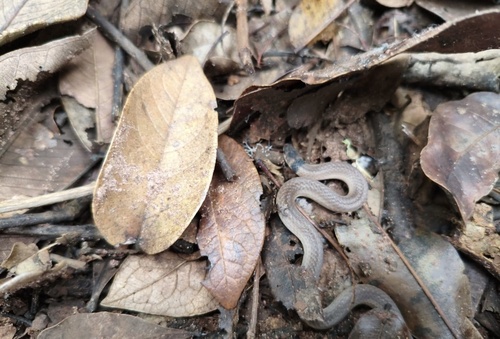
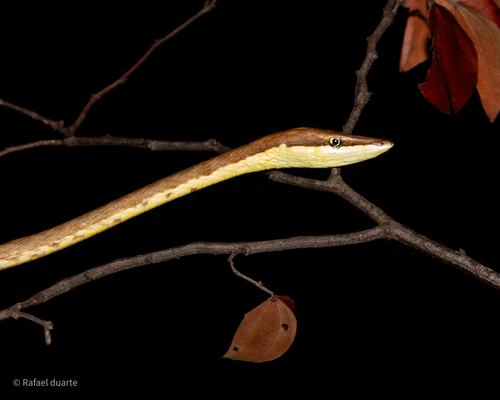
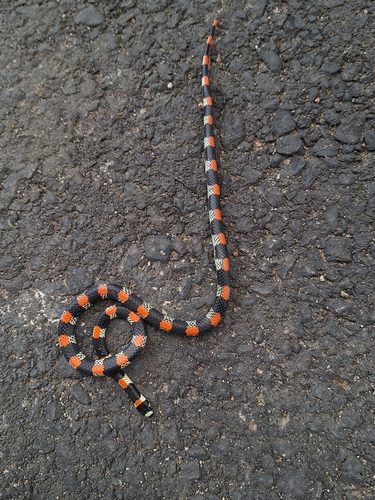
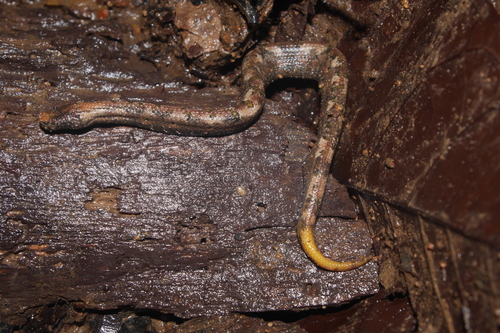
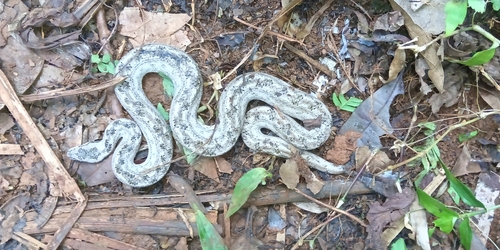
Tropidophiidae (14)
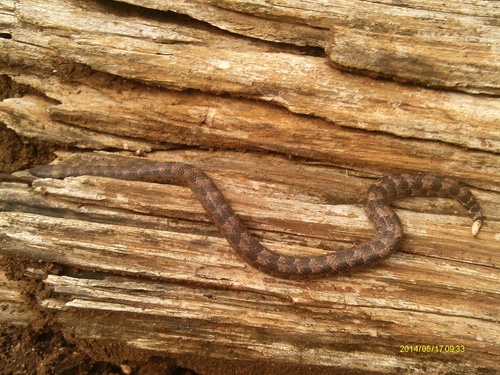
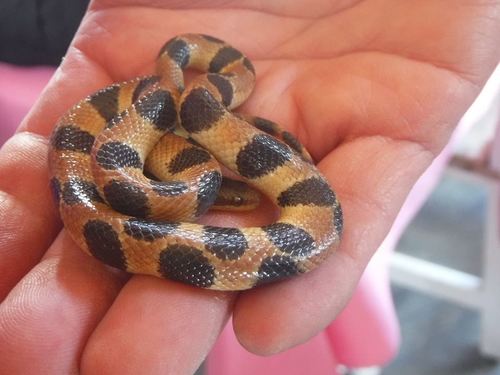
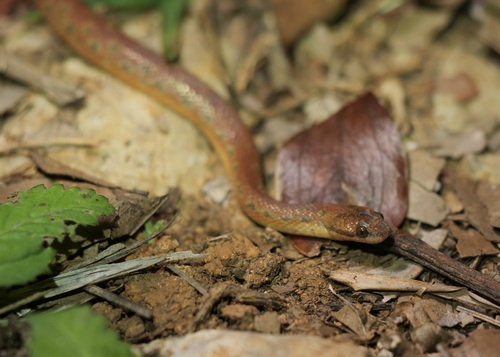
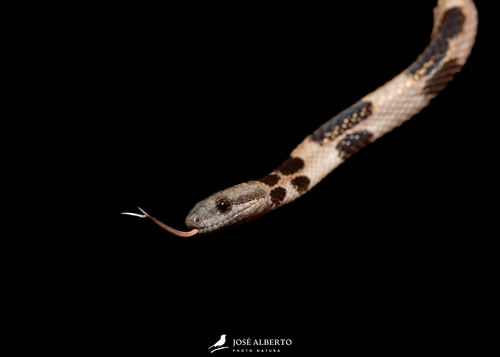
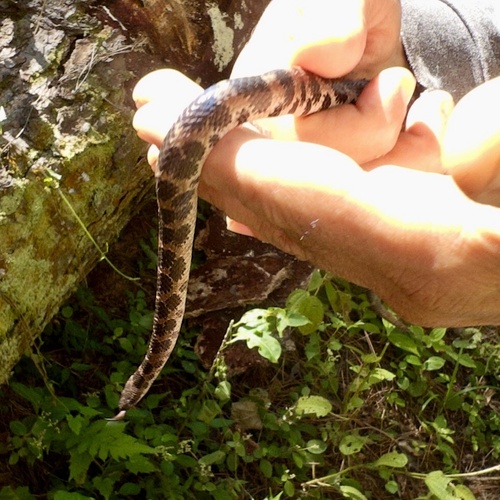
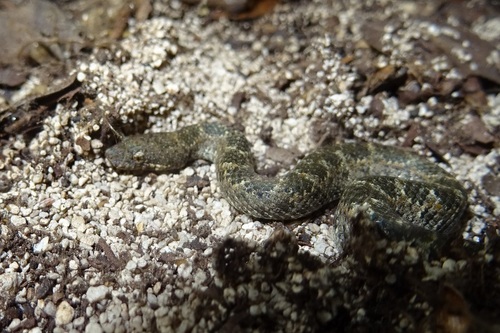
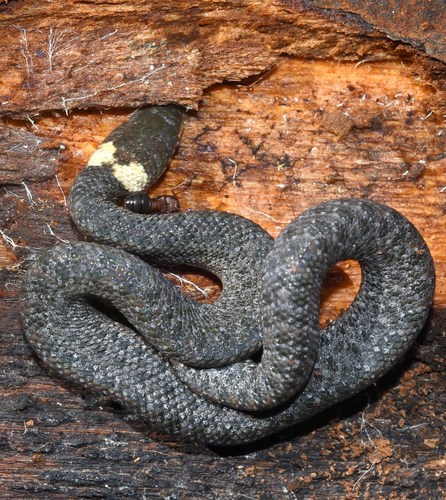
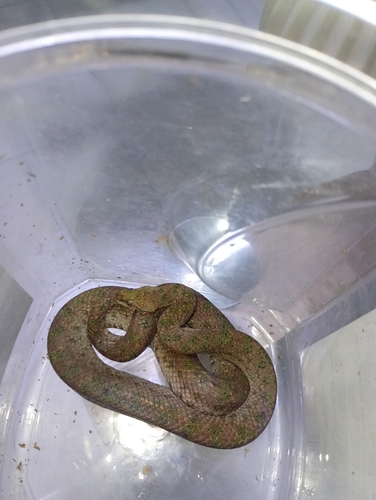
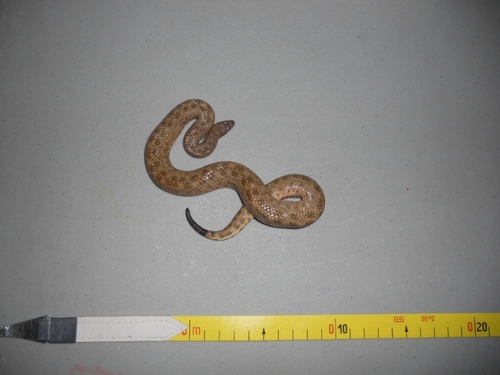
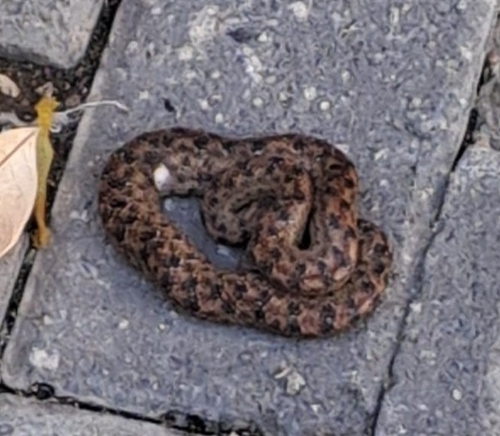

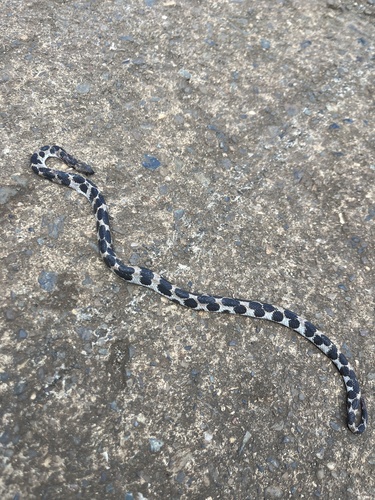
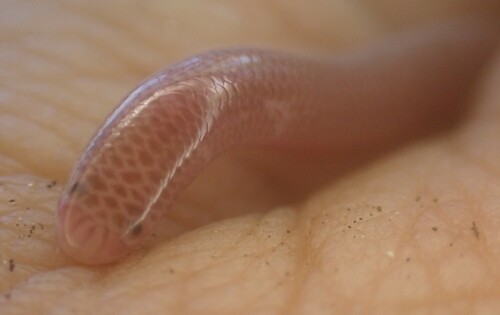
Typhlopidae (5)
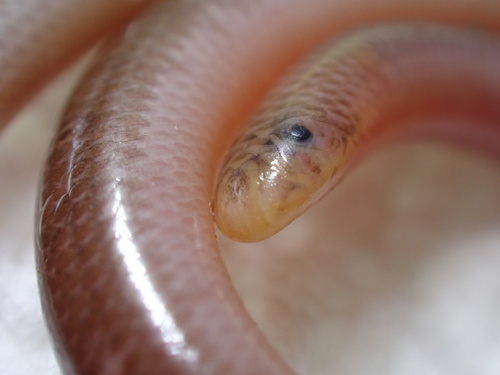
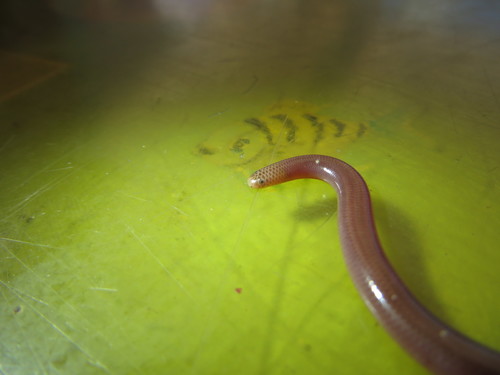
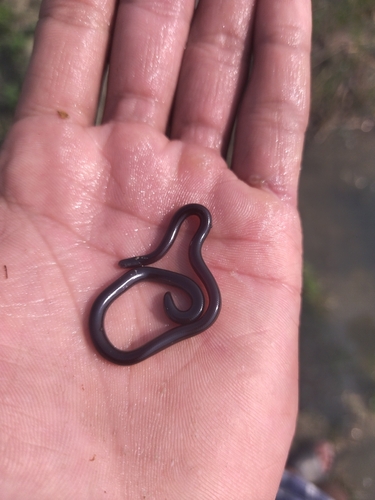
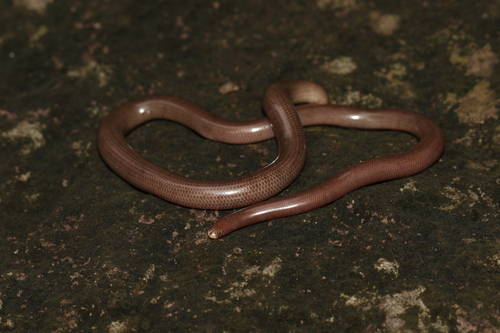
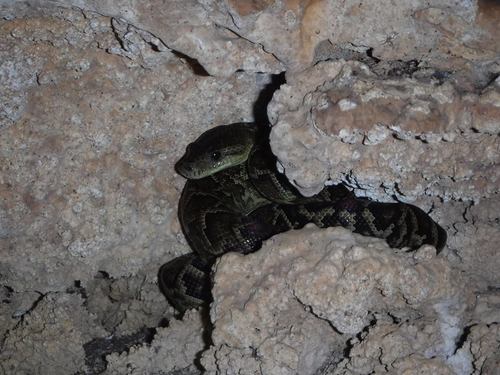
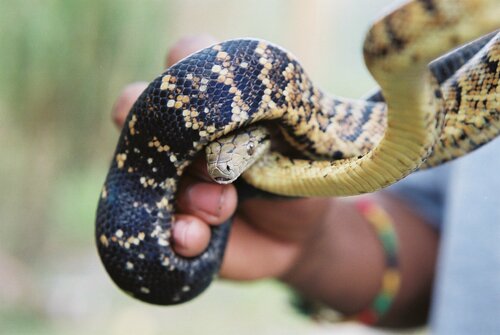
Compiled from verified GBIF & iNaturalist observations. "How often seen" reflects how frequently a snake is reported here, not how dangerous it is. Informational only.
Keep learning
- What Is a Snake? Anatomy and the BasicsA clear overview of what makes a snake a snake: limbless body plan, anatomy, evolution from lizards, species diversity, and why they are ectothermic.
- What to Do If You Find a SnakeFound a snake at home or on a trail? Here is how to stay calm, give it space, identify it safely, and know when to call a professional.
- How to Keep Snakes Out of Your Yard and HomeA practical guide to keeping snakes out of your yard and home using habitat changes that work, plus what to skip and what to do if one shows up.
- Are Snakes Dangerous? The Real Risk, in PerspectiveMost snakes are harmless and avoid people. Here is the honest picture of snakebite risk worldwide and how to lower your own.