
Cayman Islands
Snakes in Cayman Islands
10+ snake species have been recorded in Cayman Islands, and none are venomous.
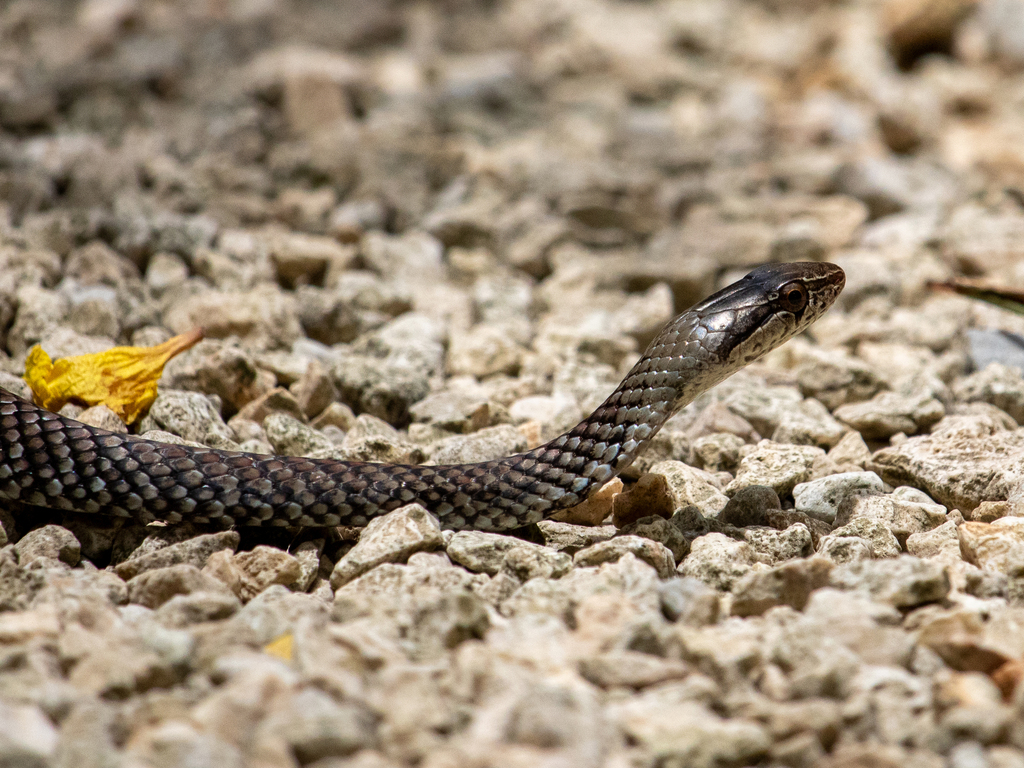
Snakes of Cayman Islands
The Cayman Islands are a small Caribbean archipelago of three low-lying coral and limestone islands, Grand Cayman, Cayman Brac, and Little Cayman. There are no high mountains or large rivers, so the snake fauna is shaped by dry tropical woodland, mangrove fringes, rocky limestone bluffs, scrubby coastal margins, and the gardens and roadsides that surround human settlement. Our database records 10+ snake species across these islands, none of them recorded as venomous. As on many isolated oceanic islands, the snake community is limited in size and dominated by small, secretive species that live close to the ground and out of sight.
There are no medically dangerous venomous snakes established in the Cayman Islands. The islands lie outside the range of the pit vipers and coral snakes that occur on the larger Central and South American mainland, and the species present belong to harmless groups. This is the honest, well-established picture for a small isolated island chain like this one, the snake fauna is made up of non-venomous animals, and there is no native land snake here capable of delivering a dangerous bite to a person.
The harmless majority is the whole story here. The Cayman racers and ground snakes are slender, fast-moving, day-active hunters that pursue lizards, frogs, and insects through leaf litter and low vegetation. Smaller still are the dwarf boas and the tiny burrowing blind snakes, which spend most of their lives underground or under logs and stones, feeding on soft-bodied invertebrates and the eggs and larvae of ants and termites. The blind snakes are so small and worm-like that they are often mistaken for earthworms. None of these animals is a threat to people, and several are found nowhere else, making the Cayman snake fauna a distinctive part of the islands' natural heritage.
Snakes play a quiet but real role in the island ecosystem. The larger racers help keep lizard and rodent numbers in check, while the burrowing species turn over soil and control insect populations underground. Because island ecosystems are small and tightly connected, these predators matter more than their modest numbers suggest, and they are vulnerable to habitat loss, road traffic, and introduced predators such as cats. Protecting native vegetation directly protects the snakes that depend on it.
On safety, the practical message is reassuring. The land snakes of the Cayman Islands are non-venomous and pose no medical danger. Even so, no wild snake should ever be picked up or handled, because any snake can bite when cornered and a bite can cause injury or infection. If anyone is bitten by a snake here or while traveling, or you are unsure what bit you, treat it as a medical matter, stay calm, and seek professional care promptly. Definitive treatment for any serious snakebite is hospital care, and antivenom where it is indicated. In the United States contact Poison Control at 1-800-222-1222, and anywhere call local emergency services.
Snakes in Cayman Islands: FAQ
- Are there venomous snakes in Cayman Islands?
- No venomous snakes have verified records in Cayman Islands. Every snake recorded here is harmless to humans, though any snake may bite defensively if handled.
- How many snake species live in Cayman Islands?
- 10+ snake species have verified records in Cayman Islands.
- What is the most commonly seen snake in Cayman Islands?
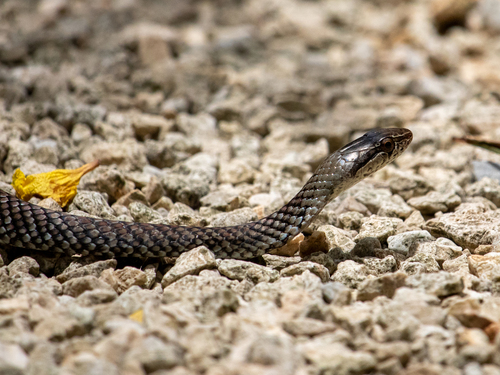
- The Grand Cayman Racer is the most frequently reported snake in Cayman Islands, based on verified wildlife observations.
Every snake recorded in Cayman Islands
10+ species across 3 families, grouped by family. Venomous flagged.
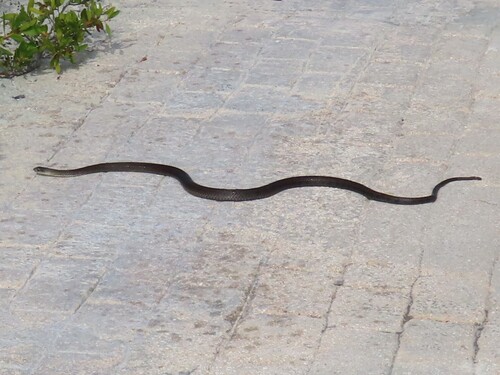
Colubridae (5)
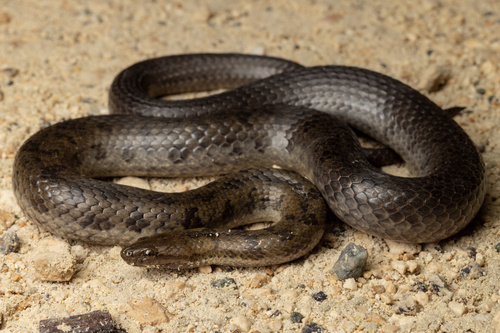
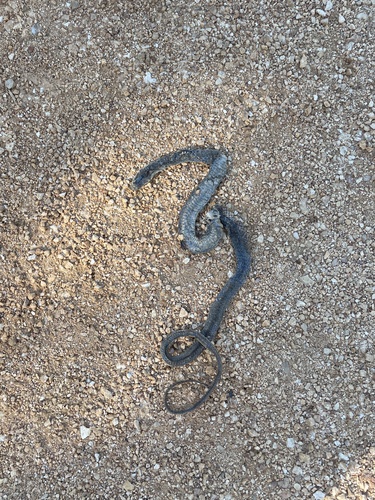
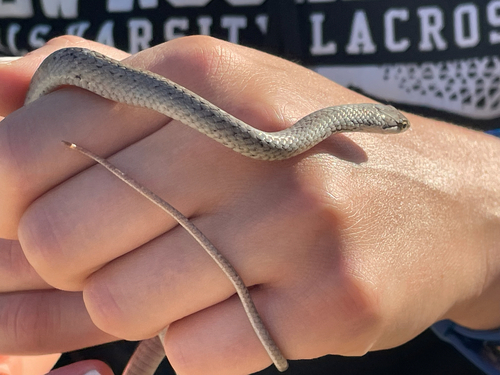
Tropidophiidae (5)
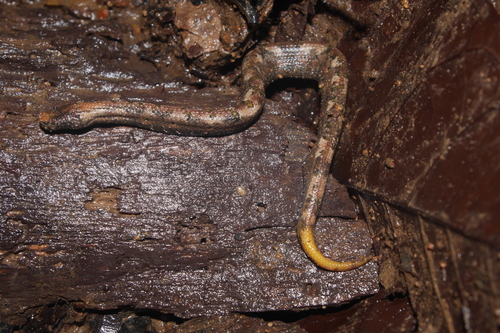
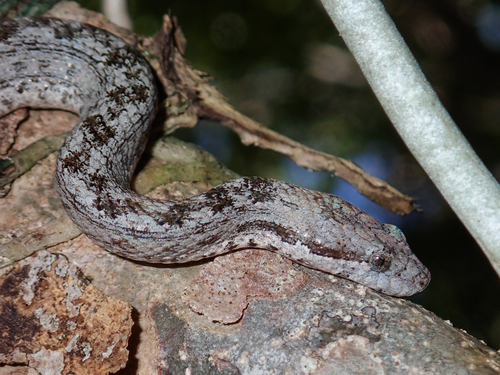
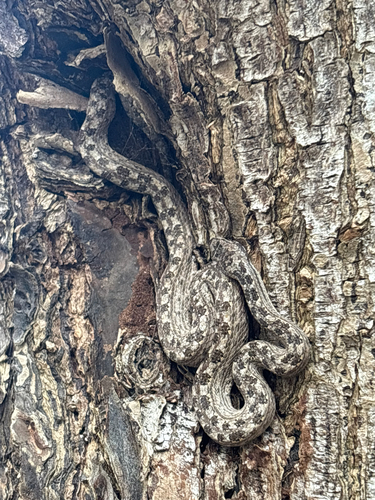
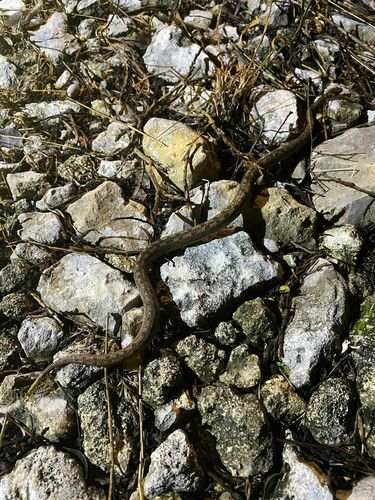
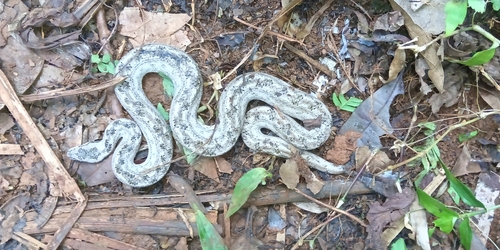
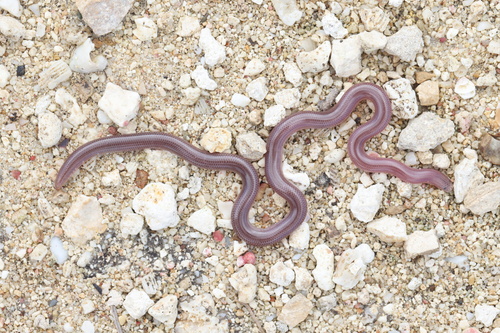
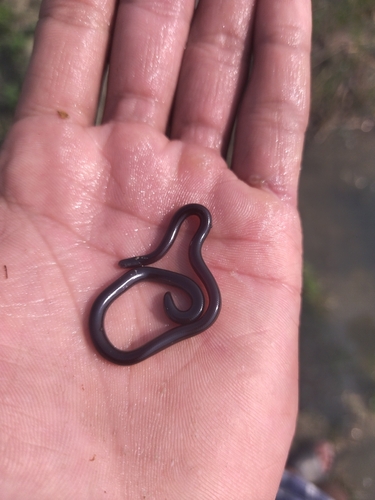
Compiled from verified GBIF & iNaturalist observations. "How often seen" reflects how frequently a snake is reported here, not how dangerous it is. Informational only.
Keep learning
- What Is a Snake? Anatomy and the BasicsA clear overview of what makes a snake a snake: limbless body plan, anatomy, evolution from lizards, species diversity, and why they are ectothermic.
- What to Do If You Find a SnakeFound a snake at home or on a trail? Here is how to stay calm, give it space, identify it safely, and know when to call a professional.
- How to Keep Snakes Out of Your Yard and HomeA practical guide to keeping snakes out of your yard and home using habitat changes that work, plus what to skip and what to do if one shows up.
- Are Snakes Dangerous? The Real Risk, in PerspectiveMost snakes are harmless and avoid people. Here is the honest picture of snakebite risk worldwide and how to lower your own.