
Timor-Leste
Snakes in Timor-Leste
20+ snake species have been recorded in Timor-Leste, 6 venomous.
Snakes of Timor-Leste
Timor-Leste occupies the eastern half of the island of Timor in the Lesser Sunda chain, where the Asian and Australian faunal regions meet near the Wallace Line. Our database records 20+ snake species for the country, of which 6 are venomous. As on most island systems, the great majority of species are non-venomous, and a person is far more likely to encounter a harmless snake than a dangerous one.
The country's snake diversity is shaped by sharply varied terrain packed into a small area. A central mountain spine rising 2,900+ meters separates a dry monsoon north coast from a wetter, more forested south. That gradient produces many distinct habitats, from coastal mangroves and dry savanna woodland to riverine forest, rice terraces, and upland cloud forest, and each supports a different mix of snakes. Surrounding reefs and warm shallow seas add a marine dimension that mainland-only regions lack.
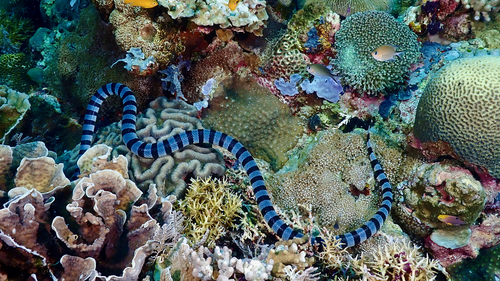
The medically important venomous snakes of Timor-Leste belong mainly to the elapid family rather than to vipers. Terrestrial venom risk centers on the island's small front-fanged elapids, including brown snake and whip snake type species whose Australo-Papuan relatives are responsible for serious bites in nearby regions. The other significant venomous group is the sea snakes, true marine elapids that occur in the coastal waters and are sometimes seen near shore or caught in fishing nets. There are no native cobras, mambas, rattlesnakes, or true vipers established in Timor-Leste, so the practical concern is elapid envenomation on land and sea snakes in the water. Several small rear-fanged colubrids also occur, but these are not considered a serious threat to people.
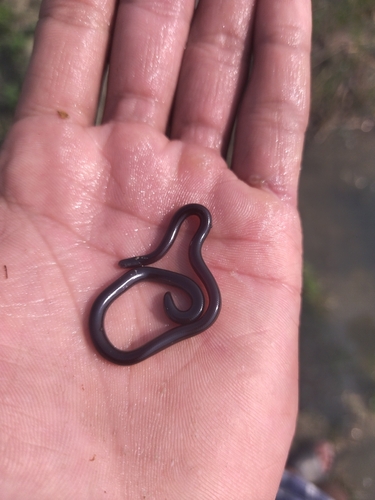
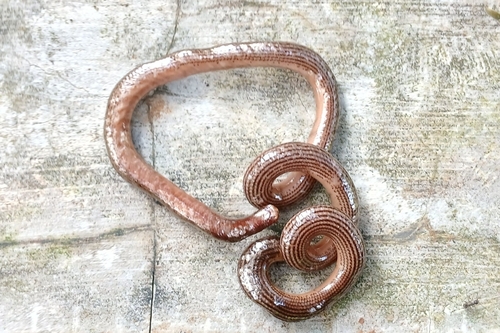
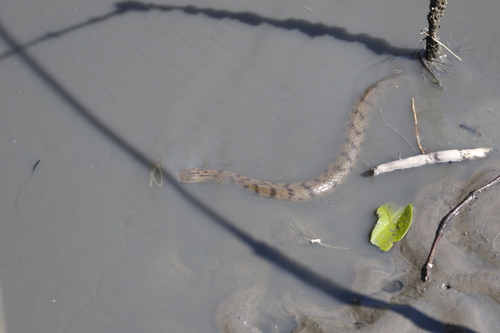
The non-venomous majority covers the bulk of the 20+ species and includes the snakes most people actually see. Pythons are the headline group: the reticulated python, one of the longest snakes in the world, occurs here and is the country's most famous serpent, alongside smaller pythons. The fauna also includes harmless colubrids such as rat snakes, wolf snakes, kukri snakes, and tree snakes, the wide-ranging Asian water snakes of wetlands and rice fields, and tiny burrowing blind snakes that are often mistaken for earthworms. None of these constrictors and small colubrids poses a venom risk to humans.
Snakes earn their place in Timor-Leste's ecosystems and farms. Rat snakes, pythons, and other predators control rodents that damage stored grain and rice crops, and many smaller species feed on insects, frogs, and lizards, helping balance populations across the landscape. Removing snakes from an area tends to let rodent and pest numbers climb, so the animals provide real, low-cost pest control for rural communities.
For safety, keep the framing honest. Most snakes in Timor-Leste are harmless, and the main medical concern is a bite from one of the venomous land elapids or from a sea snake in coastal waters. The correct response to a serious or uncertain bite is professional medical care: antivenom and treatment delivered at a hospital are what manage envenomation, not field remedies. Never attempt to handle, capture, or kill a wild venomous snake, and never assume a wild snake is safe to pick up. If a bite occurs, get to emergency services immediately. In the United States you can reach Poison Control at 1-800-222-1222, and elsewhere contact local emergency services.
Snakes in Timor-Leste: FAQ
- Are there venomous snakes in Timor-Leste?
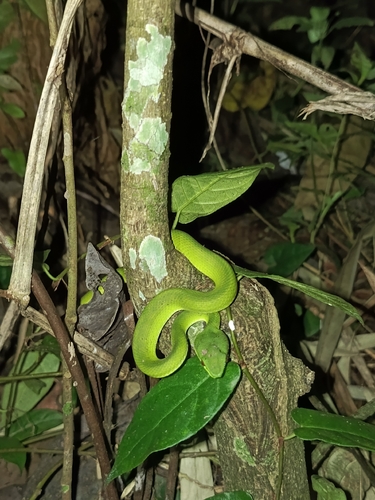
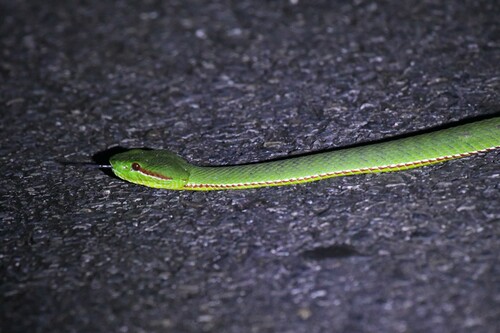
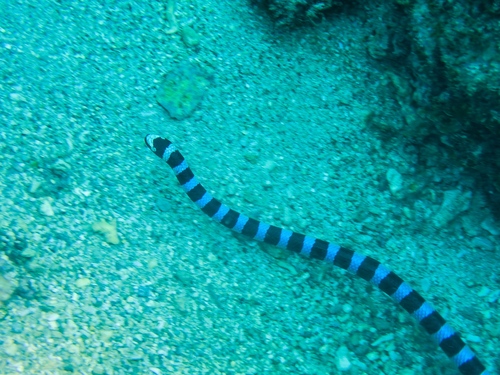
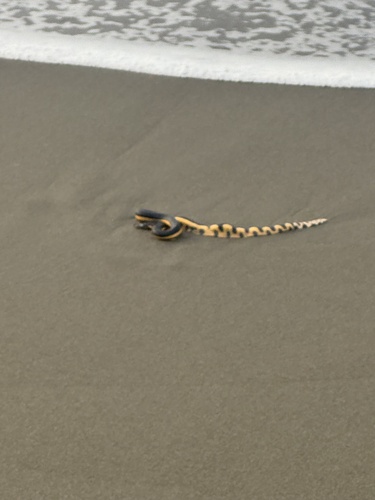
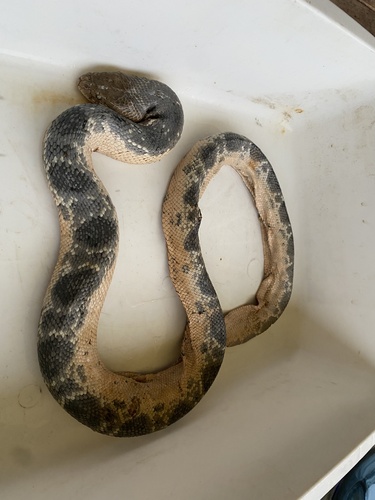
- Yes. 6 venomous snake species have verified records in Timor-Leste, including White-lipped Island Pitviper, Lanna Green Pitviper, Yellow-lipped Sea Krait, Blue-lipped Sea Krait. Most snakes in Timor-Leste, however, are harmless.
- How many snake species live in Timor-Leste?
- 20+ snake species have verified records in Timor-Leste, of which 6 are venomous.
- What is the most commonly seen snake in Timor-Leste?
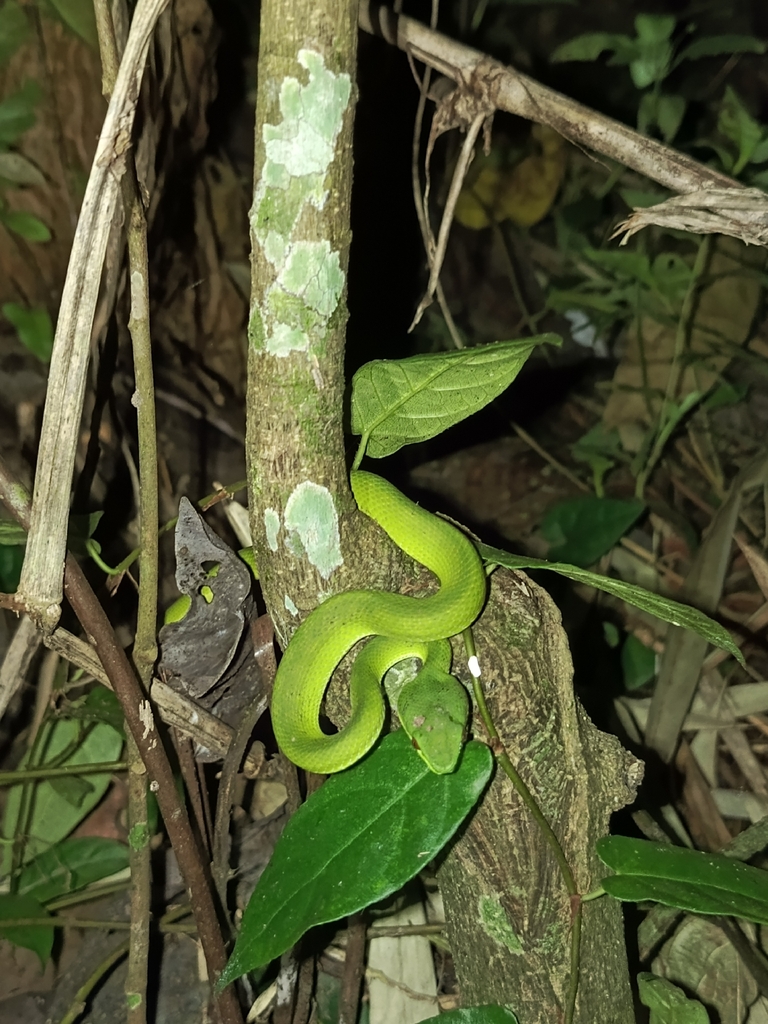
- The White-lipped Island Pitviper is the most frequently reported snake in Timor-Leste, based on verified wildlife observations.
- What should I do if I see a venomous snake in Timor-Leste?
- Keep your distance and do not try to catch or kill it. Most bites happen when people handle or corner a snake. If someone is bitten, contact local emergency services or poison control immediately.
Venomous snakes in Timor-Leste
Every snake recorded in Timor-Leste
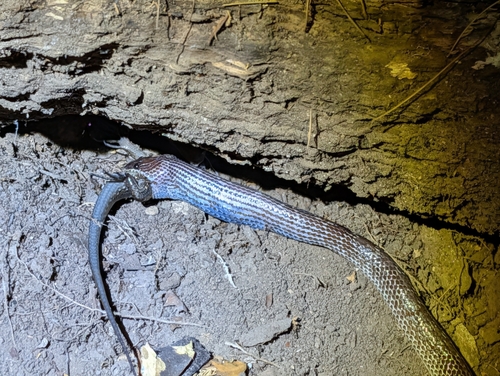
20+ species across 8 families, grouped by family. Venomous flagged.
Colubridae (6)
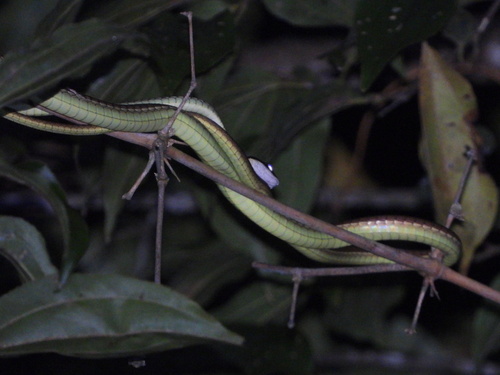
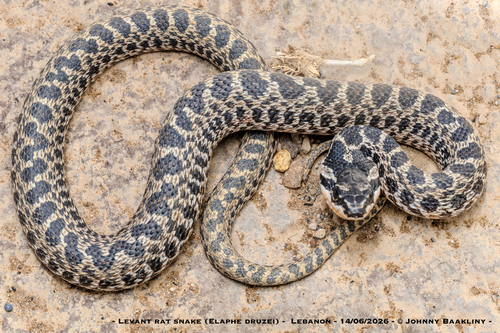
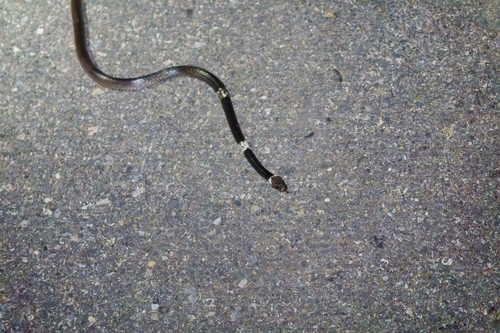
Elapidae (4)
Typhlopidae (3)
Homalopsidae (3)
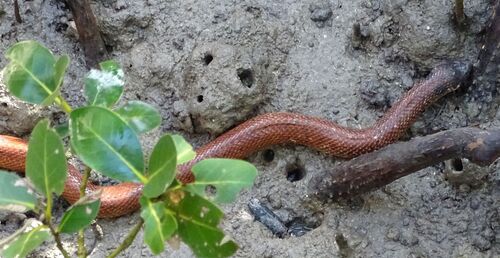
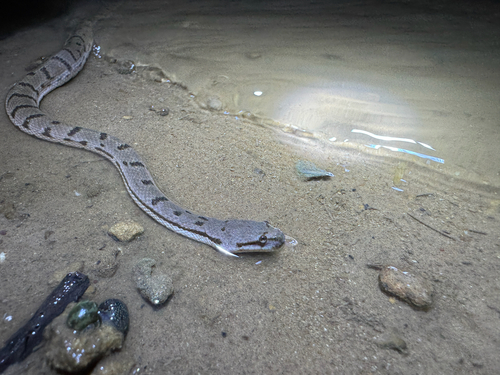
Viperidae (2)
Pythonidae (2)

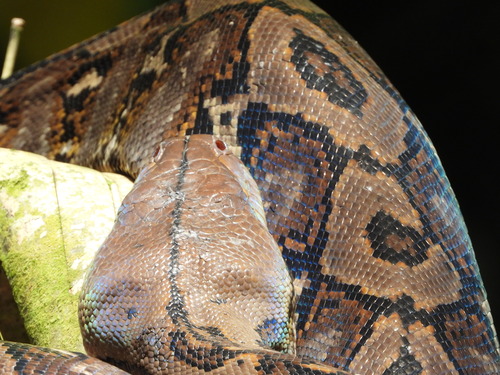
Cylindrophiidae (1)
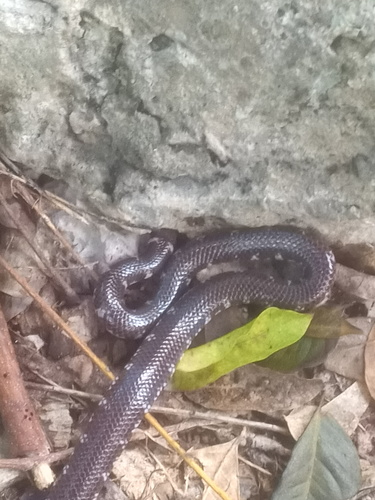
Acrochordidae (1)
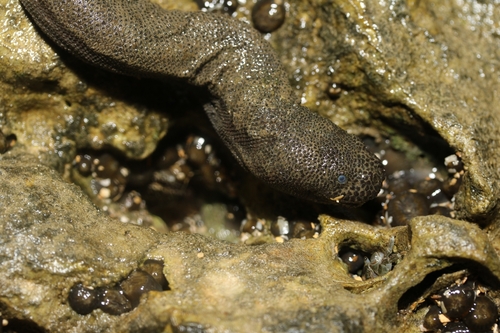
Compiled from verified GBIF & iNaturalist observations. "How often seen" reflects how frequently a snake is reported here, not how dangerous it is. Informational only.
Keep learning
- Are Snakes Dangerous? The Real Risk, in PerspectiveMost snakes are harmless and avoid people. Here is the honest picture of snakebite risk worldwide and how to lower your own.
- Snakebite First Aid: What to Do (and What Never to Do)A clear, CDC-based guide to snakebite first aid: the steps that help, the popular myths that hurt, and how to tell a serious bite from a minor one.
- Venomous vs Nonvenomous: How to Tell the DifferenceThe folk rules for telling venomous snakes apart, where each one fails, and why location-based identification beats guessing by sight.
- What to Do If You Find a SnakeFound a snake at home or on a trail? Here is how to stay calm, give it space, identify it safely, and know when to call a professional.