
Slovenia
Snakes in Slovenia
10+ snake species have been recorded in Slovenia, 3 venomous.
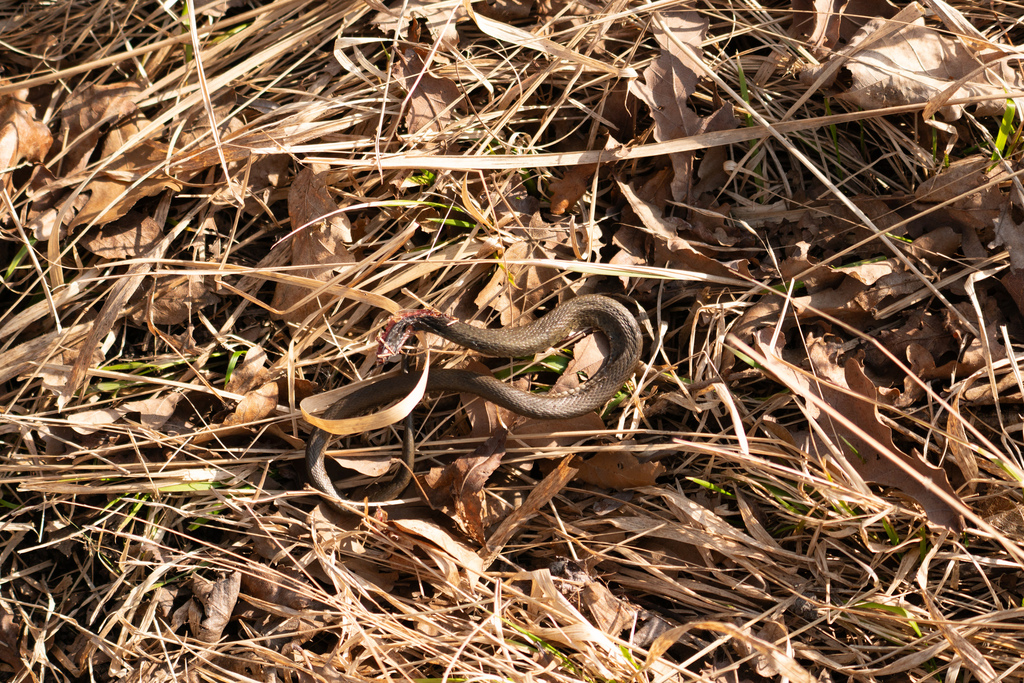
Snakes of Slovenia
Slovenia has 10+ snake species recorded in our database, 3 of them venomous. For a country this small it packs unusual variety, the result of sitting where the Alps, the Dinaric karst, the Pannonian plain, and the warm Mediterranean coast all meet within a short drive of one another. That mix of climates and landscapes, from high mountain meadows and beech forest to dry limestone slopes, river valleys, and the Adriatic littoral, gives different snakes very different homes inside one set of borders.
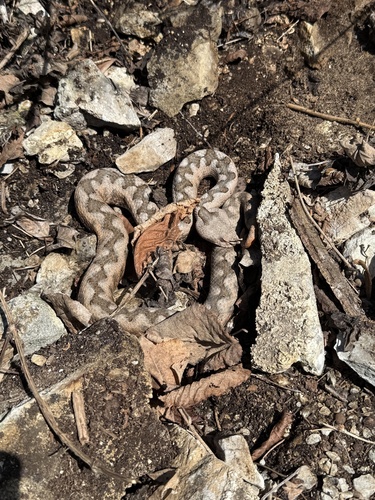
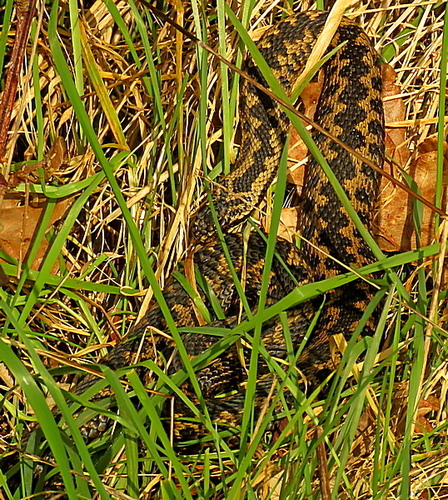
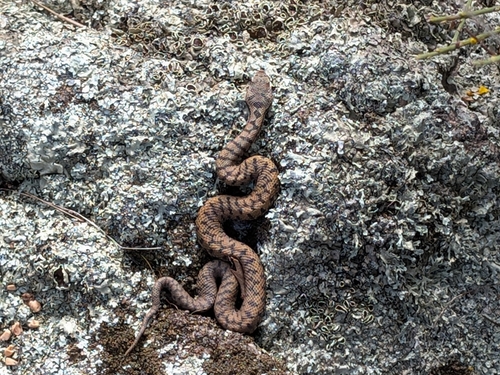
The venomous snakes of Slovenia are vipers, members of the family Viperidae. The group includes the common European adder of the cooler, higher, and northern habitats and the horned or nose-horned viper associated with the warm, rocky, sun-exposed slopes of the south and the karst. These are the snakes behind essentially all medically significant bites in the country. They are typically thick-bodied, with a triangular head and a zigzag or patterned back, and they are not aggressive. They bite defensively when stepped on, cornered, or handled, and most encounters end with the snake retreating if given room.
The great majority of Slovenian snakes are non-venomous and harmless to people. This group is dominated by colubrids such as grass snakes and dice snakes near water, smooth snakes on dry ground, and the large, fast Aesculapian snake, a climber that can exceed a meter and a half and that has long been a cultural emblem of healing. These snakes rely on speed, hiding, and constriction or simple seizing of prey rather than venom, and several are excellent swimmers or climbers suited to Slovenia's varied terrain.
Snakes earn their place in these ecosystems. They are efficient predators of rodents, amphibians, fish, lizards, and insects, keeping those populations in check, and they are in turn prey for birds of prey, mammals, and larger reptiles. A healthy snake population is a sign of a functioning landscape, and several Slovenian species are legally protected. Killing or harassing them is both unnecessary and, in many cases, against the law.
On safety, the honest summary is that most snakes you meet in Slovenia are harmless and that even the vipers want nothing to do with you. The main medical concern is a bite from a viper, which can cause serious local and systemic effects and is a genuine emergency. If a venomous bite is suspected, the correct response is professional medical care, where hospital treatment and antivenom are the established therapy. Do not attempt to handle, catch, or kill any wild snake, since most bites happen when people try. In an emergency contact local emergency services, and in the United States you can reach Poison Control at 1-800-222-1222.
Snakes in Slovenia: FAQ
- Are there venomous snakes in Slovenia?
- Yes. 3 venomous snake species have verified records in Slovenia, including Nose-horned Viper, Adder, Asp Viper. Most snakes in Slovenia, however, are harmless.
- How many snake species live in Slovenia?
- 10+ snake species have verified records in Slovenia, of which 3 are venomous.
- What is the most commonly seen snake in Slovenia?
- The Grass Snake is the most frequently reported snake in Slovenia, based on verified wildlife observations.
- What should I do if I see a venomous snake in Slovenia?
- Keep your distance and do not try to catch or kill it. Most bites happen when people handle or corner a snake. If someone is bitten, contact local emergency services or poison control immediately.
Venomous snakes in Slovenia
Every snake recorded in Slovenia
10+ species across 3 families, grouped by family. Venomous flagged.
Colubridae (9)
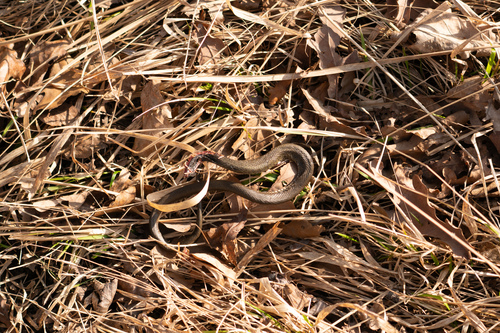
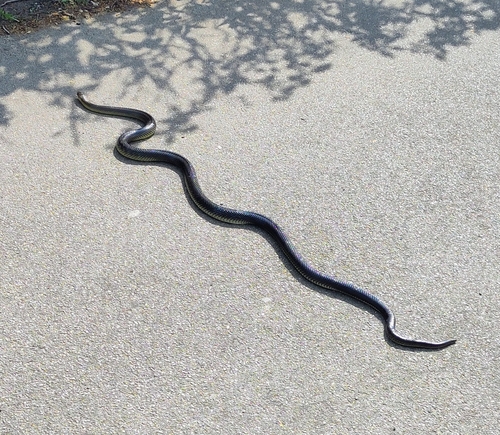
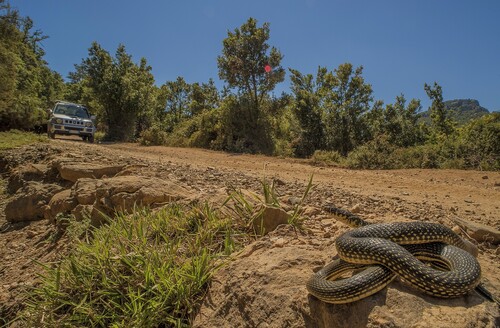
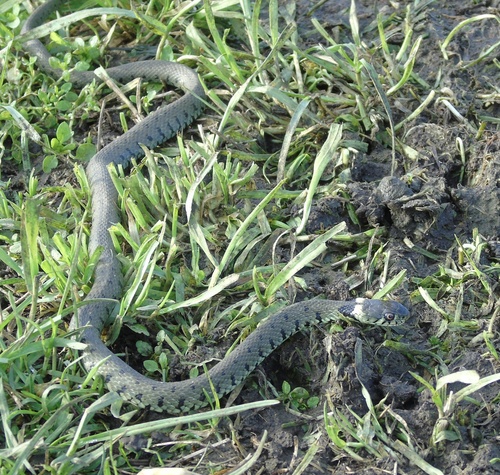
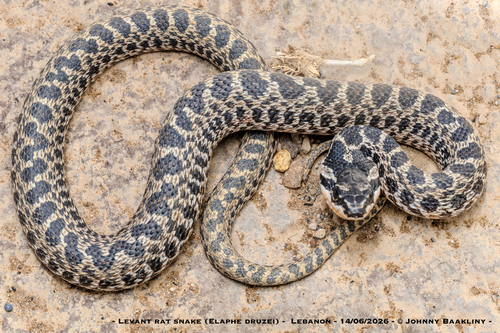
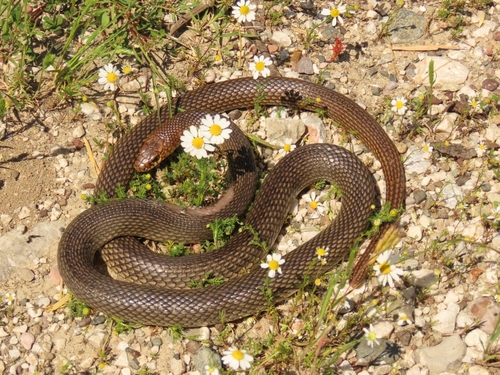
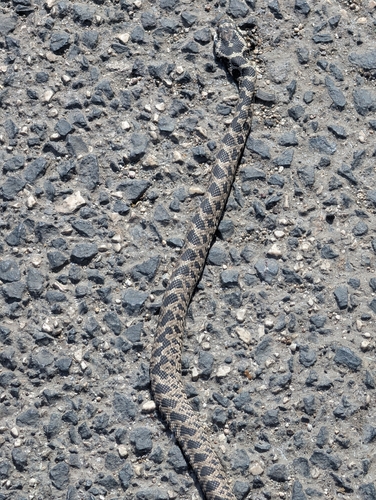
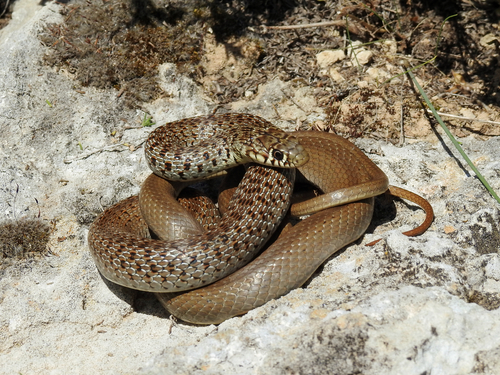
Viperidae (3)
Psammophiidae (1)
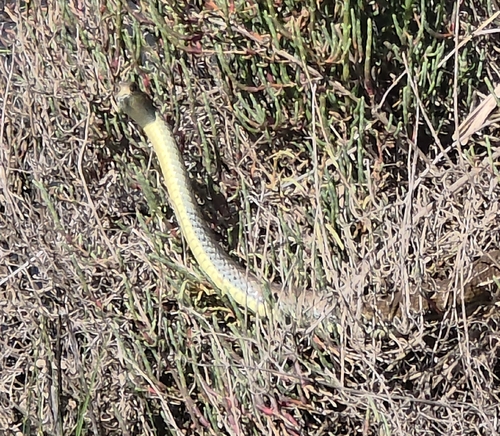
Compiled from verified GBIF & iNaturalist observations. "How often seen" reflects how frequently a snake is reported here, not how dangerous it is. Informational only.
Keep learning
- Are Snakes Dangerous? The Real Risk, in PerspectiveMost snakes are harmless and avoid people. Here is the honest picture of snakebite risk worldwide and how to lower your own.
- Snakebite First Aid: What to Do (and What Never to Do)A clear, CDC-based guide to snakebite first aid: the steps that help, the popular myths that hurt, and how to tell a serious bite from a minor one.
- Venomous vs Nonvenomous: How to Tell the DifferenceThe folk rules for telling venomous snakes apart, where each one fails, and why location-based identification beats guessing by sight.
- What to Do If You Find a SnakeFound a snake at home or on a trail? Here is how to stay calm, give it space, identify it safely, and know when to call a professional.