
Oman
Snakes in Oman
30+ snake species have been recorded in Oman, 21 venomous.
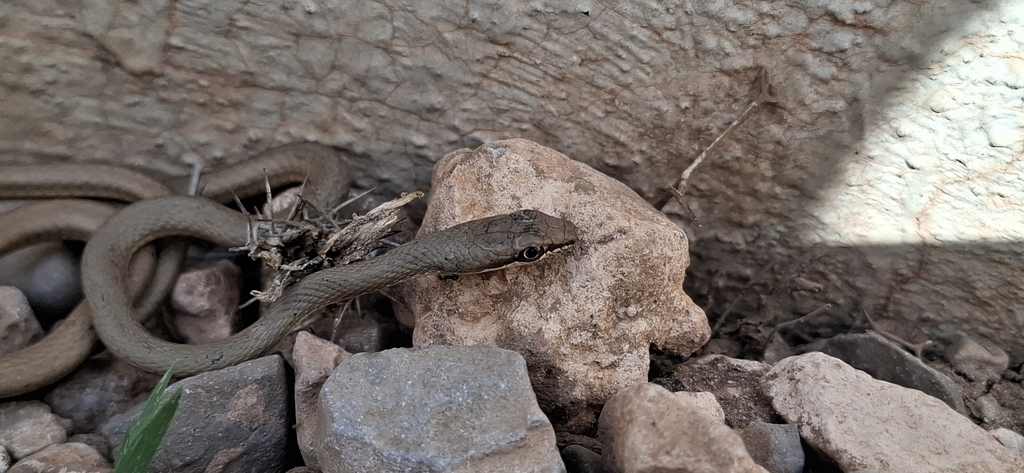
Snakes of Oman
Oman has 30+ snake species recorded in our database, and 21 of them are venomous. Despite that high count of venomous species, the everyday picture for most people is calmer than the numbers suggest, because many of the venomous snakes are sea snakes or small, secretive, or unlikely to be encountered, and a large share of land snakes anyone actually runs into are harmless. The country sits at the southeastern corner of the Arabian Peninsula, where desert, mountain, coast, and a pocket of monsoon-fed greenery meet, and that mix of environments is what gives Oman a snake fauna this varied.
Geography drives the diversity. The Hajar Mountains in the north rise sharply from the coastal plain and hold rocky wadis, gravel slopes, and cooler high ground. The vast interior gravel plains and the sand seas of the Rub al Khali edge support specialized desert snakes adapted to heat and loose sand. Along the Indian Ocean and the Gulf of Oman, warm shallow waters host sea snakes. In the far south, the Dhofar region catches the seasonal khareef monsoon, turning hillsides green and creating humid habitats that differ completely from the northern deserts. Each of these zones favors different species, so the national list is larger than any single landscape would produce on its own.
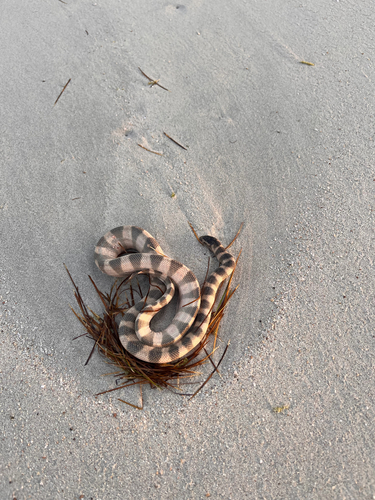
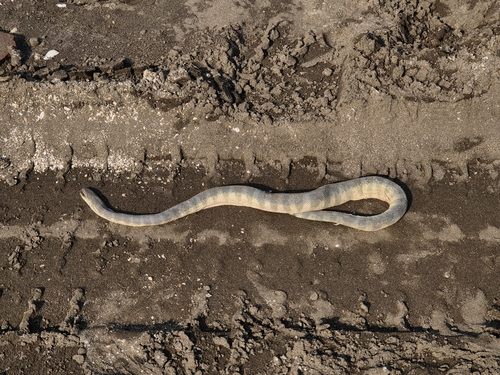
The medically important venomous snakes in Oman come from a few well established groups rather than the cobra and mamba fauna people associate with Africa. True vipers and saw-scaled vipers are the most significant land threat, with the saw-scaled viper group being small, common, and responsible for serious bites across Arabia. Burrowing asps, sometimes called mole vipers, deliver venom through side-mounted fangs and are dangerous to handle even though they look modest. Elapids are represented at sea: several sea snake species live in Omani coastal waters and carry potent venom, though they rarely bite people who leave them alone. There are no rattlesnakes, no pit vipers, no coral snakes, and no mambas in Oman, and the front-fanged land elapids that some neighboring regions discuss are not a typical Omani concern.
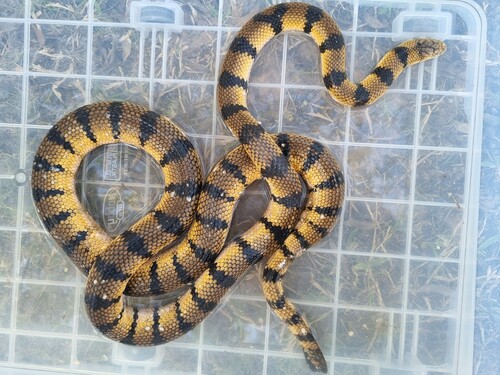
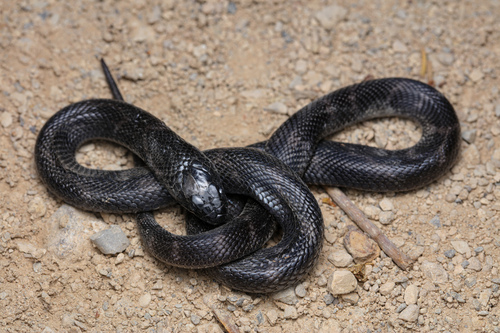
The large non-venomous majority is what most residents and visitors will actually see. Sand boas are stout, blunt-tailed burrowers that move through loose soil. Racers, whip snakes, and sand snakes are fast, slender, day-active hunters of the open ground. Several colubrids, including cat snakes and other rear-fanged species, are essentially harmless to humans even when technically mildly venomous. Diadem snakes and various small ground snakes round out the picture. These animals are not aggressive, and the great majority of Oman's land snakes pose no real danger to people going about their day.
Snakes earn their place in Oman's ecosystems by controlling rodents and other pests. Rats and mice damage stored grain, dates, and crops and can spread disease, and snakes are among the most efficient natural checks on their numbers. In a country with farming oases, palm groves, and human settlements pushed up against open desert, that rodent control has direct value. Removing snakes tends to let rodent populations climb, so the quiet work these animals do is worth protecting rather than punishing.
On safety, the honest summary is that most snakes in Oman are harmless, but the country does have genuinely dangerous species, and the main medical threat on land is the viper group, especially saw-scaled vipers. The correct response to any venomous bite is hospital care and antivenom administered by medical professionals, not anything attempted in the field. Never handle a wild snake, even one that looks dead or harmless, because identification mistakes and defensive bites are exactly how people get hurt. If a bite happens, get to emergency medical services immediately. In Oman, contact local emergency services without delay. In the United States, Poison Control is reachable at 1-800-222-1222. Give snakes distance, and the overwhelming majority of encounters end with no harm to anyone.
Snakes in Oman: FAQ
- Are there venomous snakes in Oman?
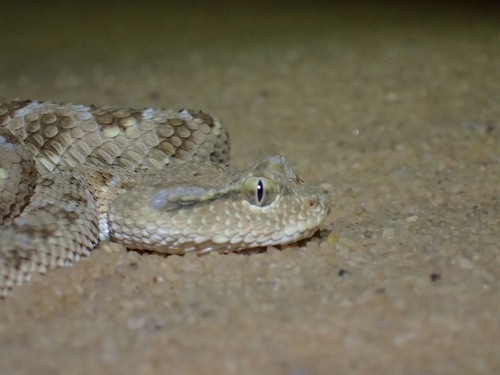
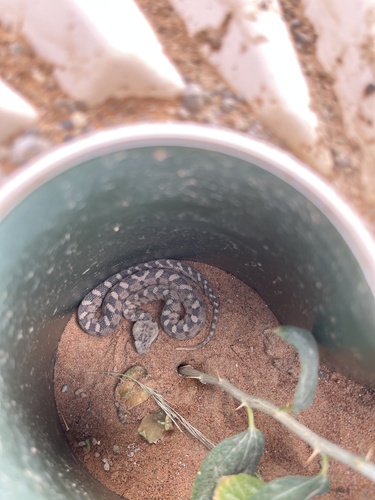
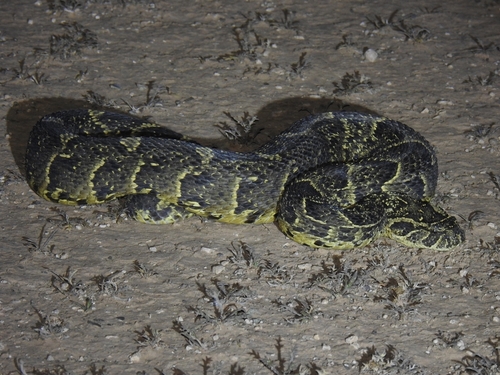
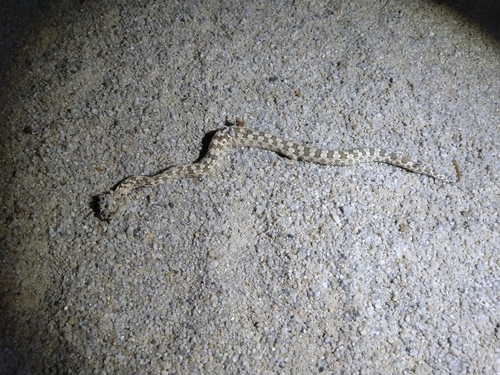
- Yes. 21 venomous snake species have verified records in Oman, including Saw-scaled Viper, Khosatzki's Saw-scaled Viper, Palestine Saw-scaled Viper, Arabian Horned Viper. Most snakes in Oman, however, are harmless.
- How many snake species live in Oman?
- 30+ snake species have verified records in Oman, of which 21 are venomous.
- What is the most commonly seen snake in Oman?
- The Forskal Sand Snake is the most frequently reported snake in Oman, based on verified wildlife observations.
- What should I do if I see a venomous snake in Oman?
- Keep your distance and do not try to catch or kill it. Most bites happen when people handle or corner a snake. If someone is bitten, contact local emergency services or poison control immediately.
Venomous snakes in Oman
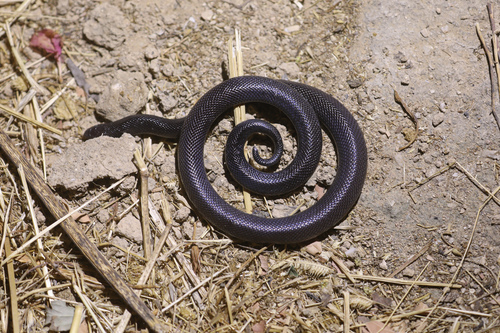
Every snake recorded in Oman
30+ species across 8 families, grouped by family. Venomous flagged.
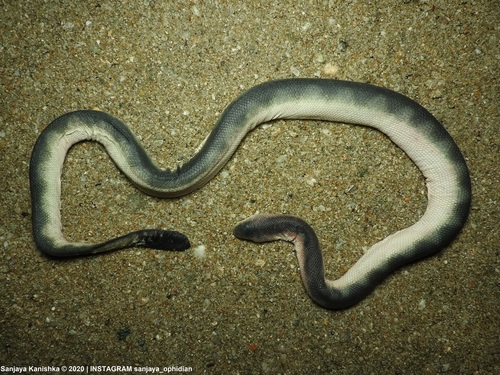
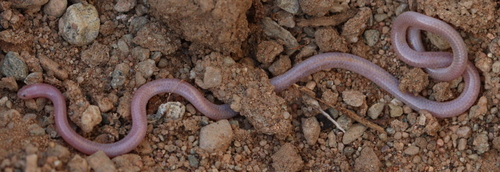
Elapidae (12)
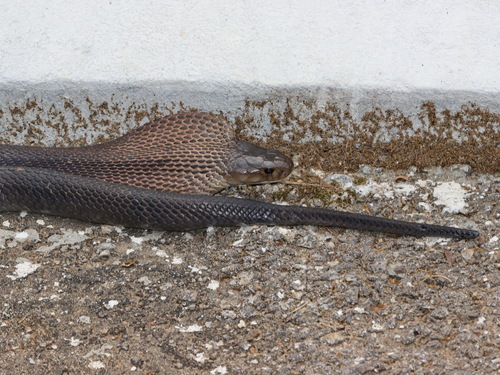
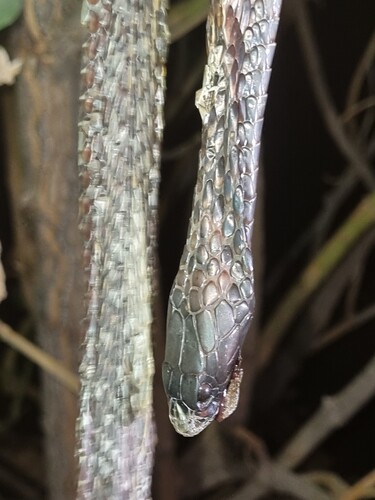
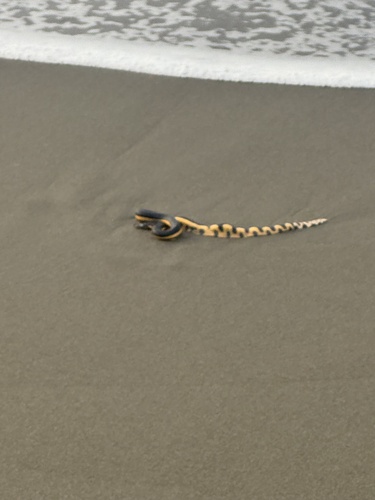
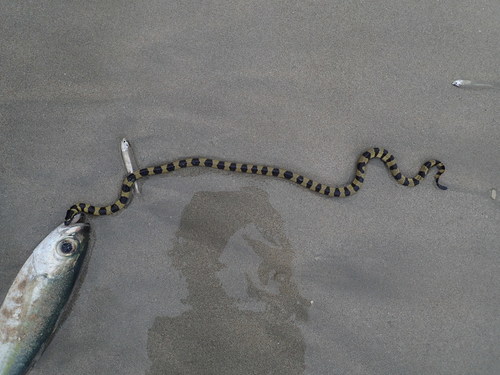
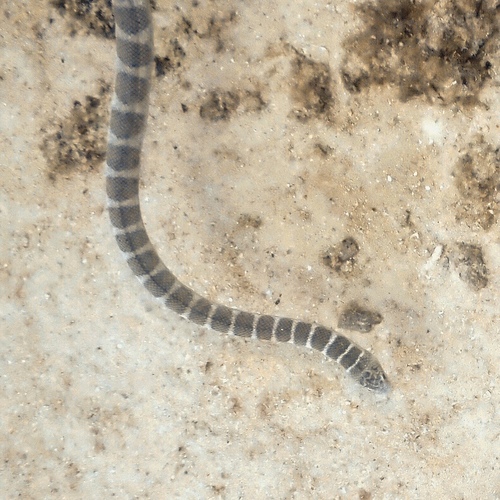
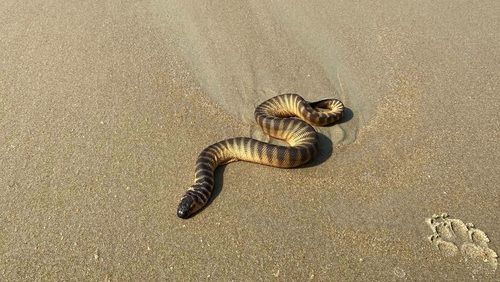

Viperidae (8)
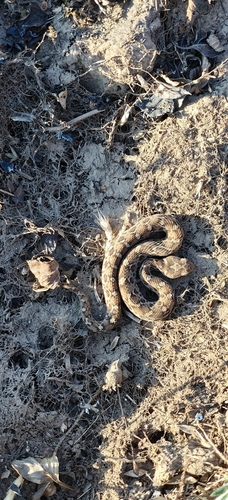
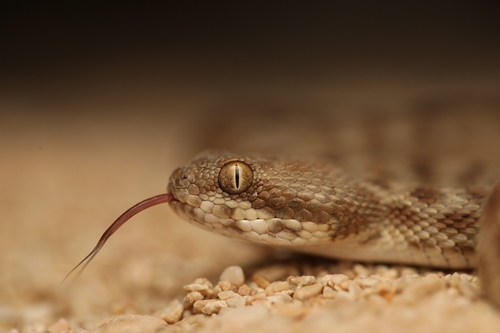
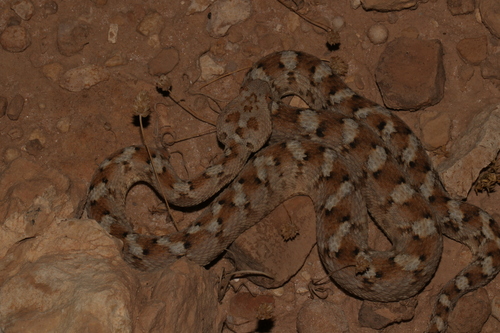
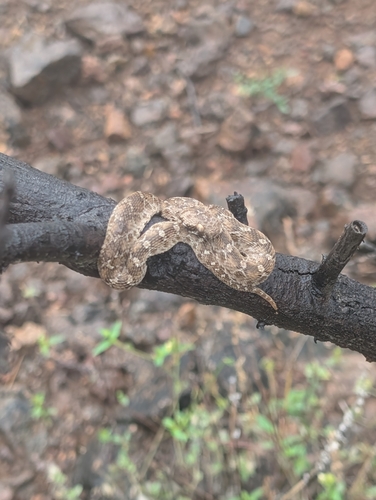
Colubridae (6)

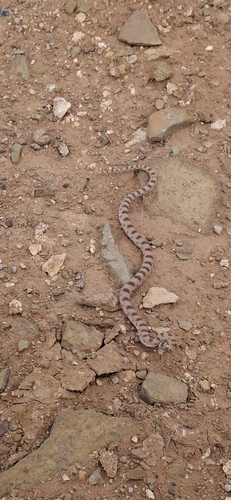
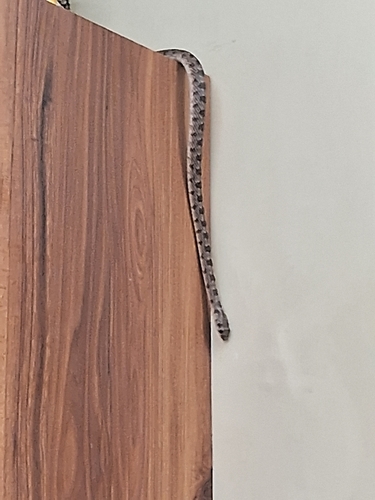
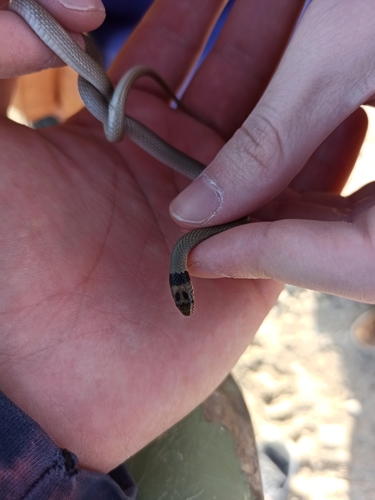
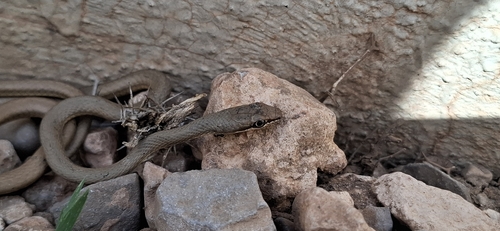
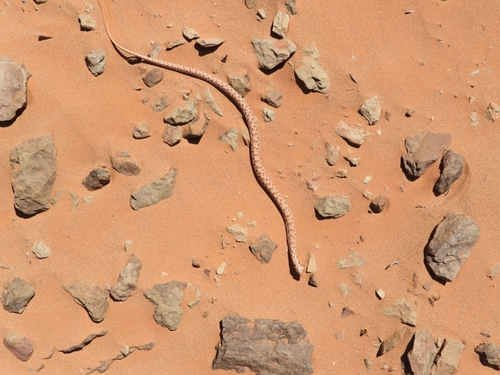
Leptotyphlopidae (2)
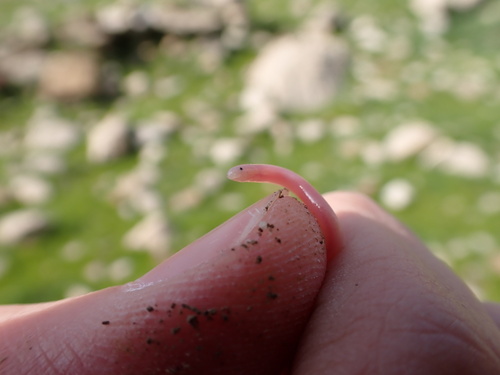
Boidae (1)
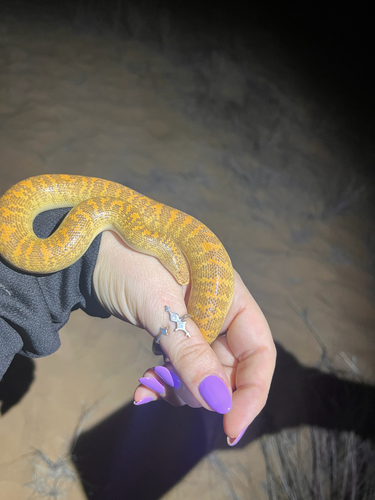
Atractaspididae (1)
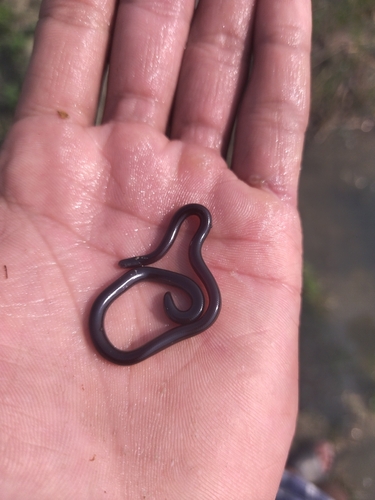
Typhlopidae (1)
Compiled from verified GBIF & iNaturalist observations. "How often seen" reflects how frequently a snake is reported here, not how dangerous it is. Informational only.
Keep learning
- Are Snakes Dangerous? The Real Risk, in PerspectiveMost snakes are harmless and avoid people. Here is the honest picture of snakebite risk worldwide and how to lower your own.
- Snakebite First Aid: What to Do (and What Never to Do)A clear, CDC-based guide to snakebite first aid: the steps that help, the popular myths that hurt, and how to tell a serious bite from a minor one.
- Venomous vs Nonvenomous: How to Tell the DifferenceThe folk rules for telling venomous snakes apart, where each one fails, and why location-based identification beats guessing by sight.
- What to Do If You Find a SnakeFound a snake at home or on a trail? Here is how to stay calm, give it space, identify it safely, and know when to call a professional.