
Fiji
Snakes in Fiji
10+ snake species have been recorded in Fiji, 8 venomous.
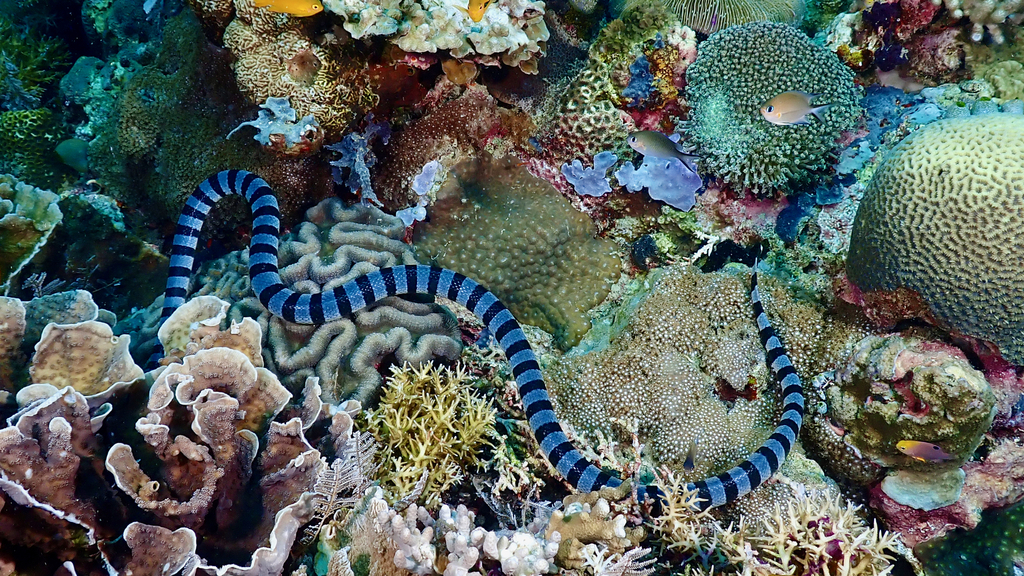
Snakes of Fiji
Fiji is a tropical archipelago of more than 300 islands scattered across the South Pacific, and its snake life reflects that geography. The country has 10+ snake species recorded in our database. The land snake fauna is small, which is typical of remote oceanic islands that were colonized by only a handful of reptile lineages. Most of the recorded diversity sits in the surrounding ocean rather than in the forests and farmland, because the warm reef waters around the islands support a rich assemblage of marine snakes. Habitats range from lowland rainforest and mangrove fringes to coral reefs, lagoons, and rocky coastlines.
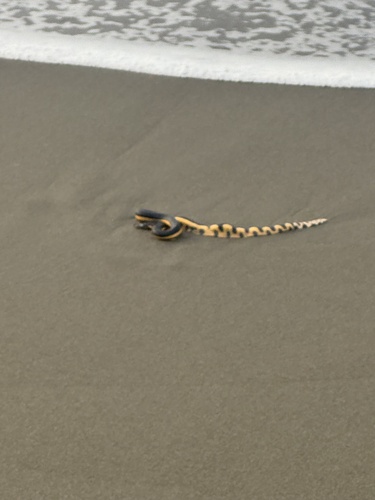
Of the 10+ species recorded here, 8 are venomous. That figure is driven by the sea snakes and sea kraits, which are the dominant venomous group in Fijian waters. Sea kraits come ashore to rest, digest, and lay eggs, so they are the venomous snakes most often encountered by people, often seen banded in black and pale rings on beaches and rocky shores. True sea snakes spend their lives in the water and are seen by divers and fishers. These marine elapids carry potent venom, but they are not aggressive toward people and bites are uncommon. On land, Fiji is best known for a single small native terrestrial venomous snake, the Fiji or Bola snake, a burrowing species that is rarely seen, not considered dangerous to people, and poses no realistic threat in normal conditions.
The non-venomous majority is made up of harmless land snakes, most notably the Pacific boas. The Pacific tree boa and the Fiji ground boa are the islands' iconic native land snakes, non-venomous constrictors that pose no danger to humans. The tree boa is an attractive climber of forest and garden trees, while the ground boa lives in leaf litter and soil. Blind snakes, tiny burrowing worm-like snakes that feed on ant and termite larvae, round out the harmless land fauna. These species are entirely harmless and form the backbone of what a resident or visitor is most likely to encounter on land.
Snakes are a quiet but real part of Fiji's ecology. The boas help control rodent and small-vertebrate numbers, blind snakes manage insect larvae in the soil, and the sea snakes and kraits regulate small reef fish and eels, holding a steady predatory role in the reef food web. As both predators and prey, they connect the forest, the shoreline, and the reef, and their presence is a sign of intact island and marine habitat.
For safety, the practical picture is reassuring. Most species you will meet in Fiji are harmless, and the iconic land snakes, the Pacific boas, carry no venom at all. The main medical consideration is the marine elapids, the sea snakes and sea kraits, whose venom is potent even though bites are rare and these animals are not aggressive. Never handle any wild snake, including a sea krait found on the beach, and never assume a marine snake is safe to pick up. If a venomous bite is suspected, the correct response is immediate professional medical care, where antivenom and hospital treatment are the proven course. In the United States contact Poison Control at 1-800-222-1222, and anywhere call local emergency services without delay.
Snakes in Fiji: FAQ
- Are there venomous snakes in Fiji?
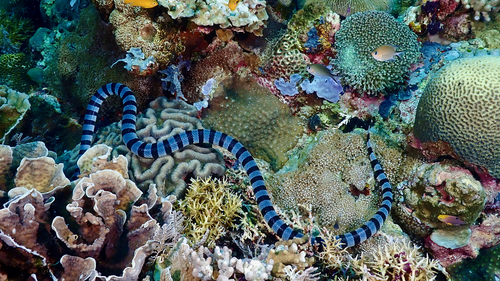
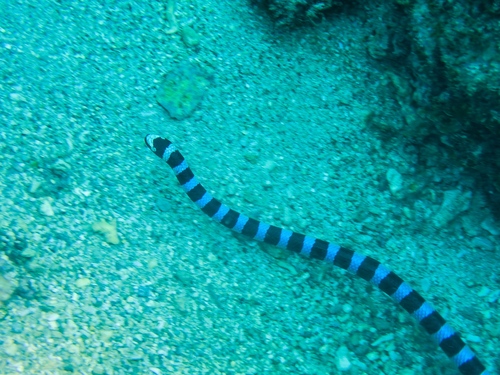
- Yes. 8 venomous snake species have verified records in Fiji, including Yellow-lipped Sea Krait, Slender-necked Sea Snake, Blue-lipped Sea Krait, Yellow-bellied Sea Snake. Most snakes in Fiji, however, are harmless.
- How many snake species live in Fiji?
- 10+ snake species have verified records in Fiji, of which 8 are venomous.
- What is the most commonly seen snake in Fiji?
- The Yellow-lipped Sea Krait is the most frequently reported snake in Fiji, based on verified wildlife observations.
- What should I do if I see a venomous snake in Fiji?
- Keep your distance and do not try to catch or kill it. Most bites happen when people handle or corner a snake. If someone is bitten, contact local emergency services or poison control immediately.
Venomous snakes in Fiji
Every snake recorded in Fiji
10+ species across 5 families, grouped by family. Venomous flagged.
Elapidae (8)

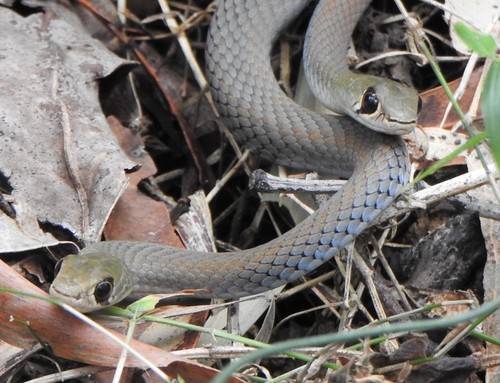
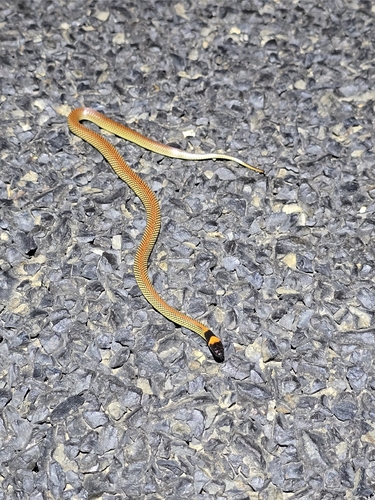
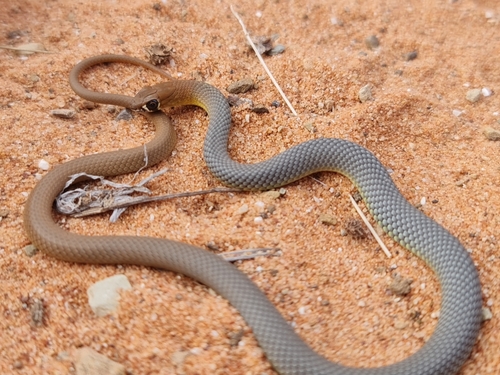
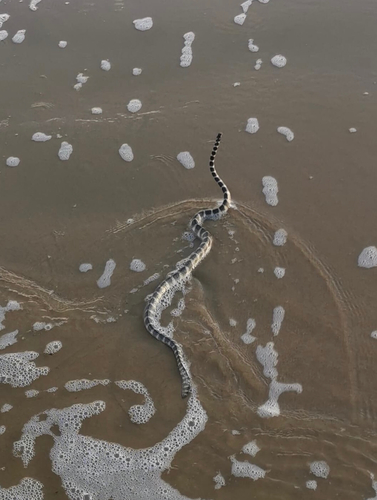
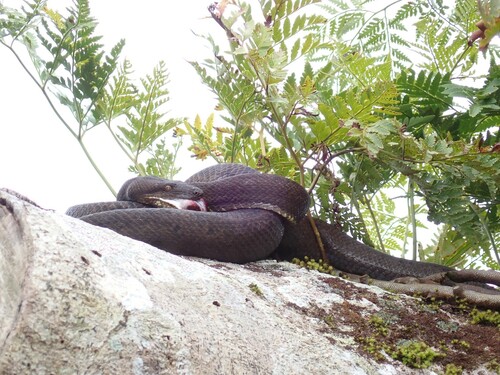
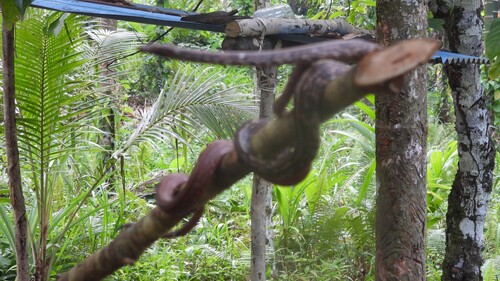
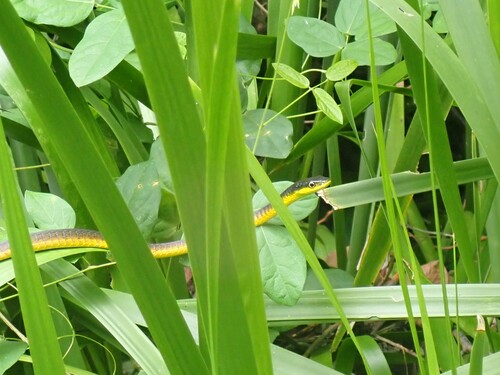
Typhlopidae (1)
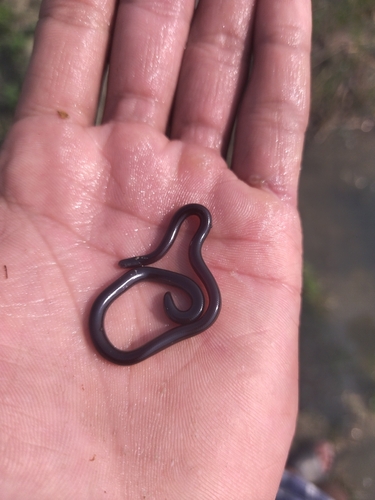
Pythonidae (1)

Compiled from verified GBIF & iNaturalist observations. "How often seen" reflects how frequently a snake is reported here, not how dangerous it is. Informational only.
Keep learning
- Are Snakes Dangerous? The Real Risk, in PerspectiveMost snakes are harmless and avoid people. Here is the honest picture of snakebite risk worldwide and how to lower your own.
- Snakebite First Aid: What to Do (and What Never to Do)A clear, CDC-based guide to snakebite first aid: the steps that help, the popular myths that hurt, and how to tell a serious bite from a minor one.
- Venomous vs Nonvenomous: How to Tell the DifferenceThe folk rules for telling venomous snakes apart, where each one fails, and why location-based identification beats guessing by sight.
- What to Do If You Find a SnakeFound a snake at home or on a trail? Here is how to stay calm, give it space, identify it safely, and know when to call a professional.