
New Caledonia
Snakes in New Caledonia
20+ snake species have been recorded in New Caledonia, 17 venomous.
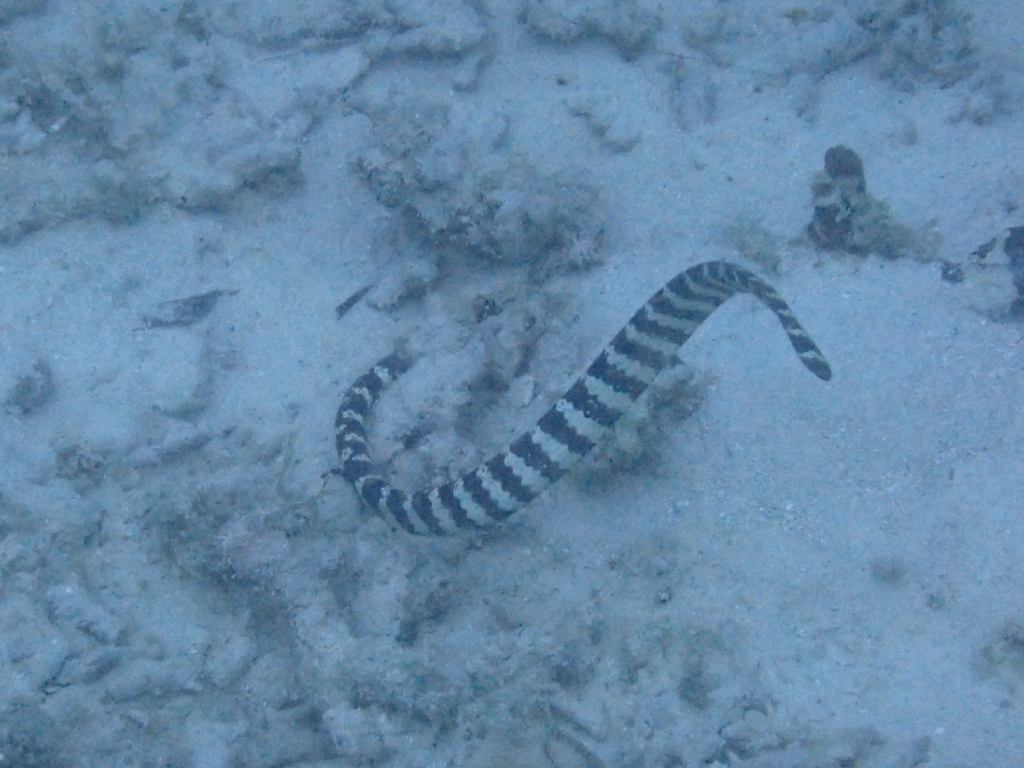
Snakes of New Caledonia
New Caledonia is a Pacific archipelago east of Australia, made up of the main island of Grande Terre, the Loyalty Islands, the Isle of Pines, and many smaller islets surrounded by one of the largest barrier reef systems in the world. Our database records 20+ snake species for the territory, and 17 of these are venomous. That ratio is unusual compared with most land regions, and it reflects a simple fact about New Caledonia: its snake life is overwhelmingly marine. The reefs, lagoons, and warm coastal waters drive the diversity far more than the land does.
The geography explains the pattern. Grande Terre has rugged mountains, dry western plains, humid eastern forests, and mineral-rich ultramafic soils that support plants and habitats found nowhere else. On land, terrestrial snakes are few and small. Out in the water, the extensive coral reefs, seagrass beds, and tidal zones create rich habitat for marine snakes that hunt fish and eels among the coral. The vast lagoon and reef complex is the engine behind the high count of venomous species in our records.
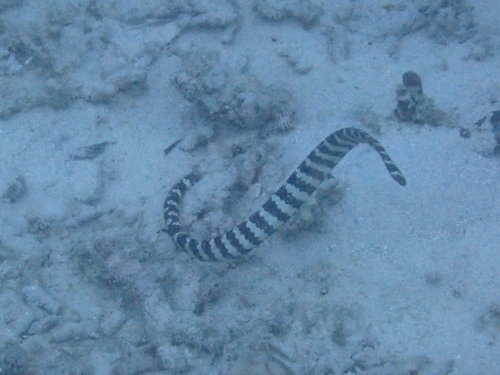
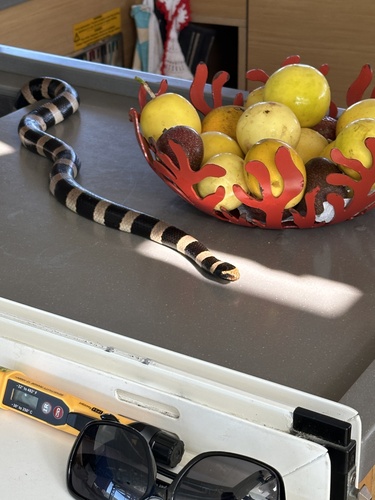
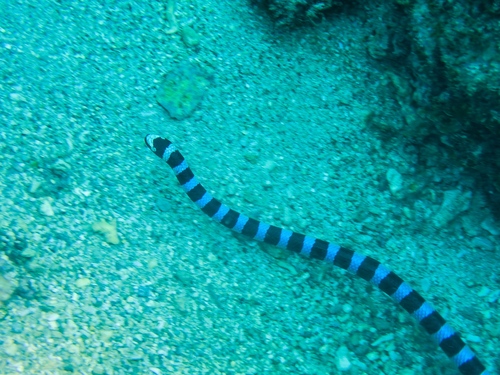
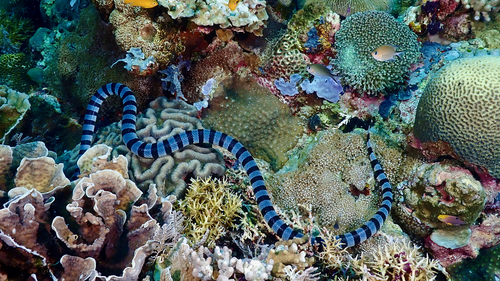
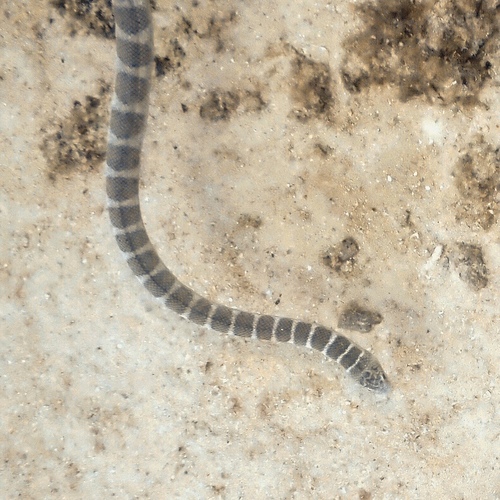
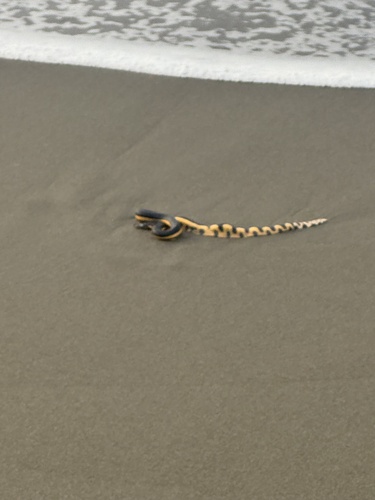
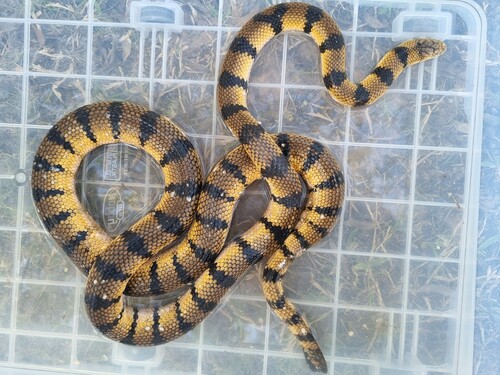
The medically important venomous snakes of New Caledonia belong almost entirely to one group: sea snakes and sea kraits within the elapid family, the same broad family that includes cobras and mambas elsewhere in the world. New Caledonia has no native land cobras, no vipers, no pit vipers, no rattlesnakes, and no terrestrial coral snakes. The venomous animals you may encounter near the coast are sea kraits, often banded black and grey or blue, which come ashore to rest and lay eggs, and true sea snakes that stay in the water. These elapids carry potent venom, so the medical caution centers on them rather than on any land species.
The non-venomous side of the fauna is smaller but real, made up mostly of small, secretive land snakes such as blind snakes that live in soil and leaf litter and feed on ants and termites. These animals are harmless to people, rarely seen, and easy to mistake for worms. New Caledonia is far better known for its reptiles overall, including many endemic geckos and skinks, and the banded sea kraits that gather on certain beaches are among the most recognizable snakes associated with the territory.
Snakes earn their place in these ecosystems. The small terrestrial species help keep insect and invertebrate populations in check, and the marine species are active predators of fish and eels that help balance reef food webs. Removing or killing snakes tends to cause more problems than it solves, since the same species that make people nervous are also quietly limiting pests and prey populations. A healthy snake presence is a sign of a functioning environment, on land and on the reef.
On safety: the great majority of snakes you might meet across New Caledonia are harmless, and the realistic medical threat comes from the venomous sea snakes and sea kraits near the coast. These are generally not aggressive and will move away if left alone, but they should never be handled. No wild snake is safe to pick up, and a calm, gentle appearance is not a reason to touch one. If a bite happens, the correct response is immediate professional medical care, where antivenom and hospital treatment are available. Do not rely on home remedies or field procedures. Contact local emergency services right away, or in the United States reach Poison Control at 1-800-222-1222.
Snakes in New Caledonia: FAQ
- Are there venomous snakes in New Caledonia?
- Yes. 17 venomous snake species have verified records in New Caledonia, including Eastern Turtle-headed Sea Snake, New Caledonian Sea Krait, Blue-lipped Sea Krait, Olive-headed Sea Snake. Most snakes in New Caledonia, however, are harmless.
- How many snake species live in New Caledonia?
- 20+ snake species have verified records in New Caledonia, of which 17 are venomous.
- What is the most commonly seen snake in New Caledonia?
- The Eastern Turtle-headed Sea Snake is the most frequently reported snake in New Caledonia, based on verified wildlife observations.
- What should I do if I see a venomous snake in New Caledonia?
- Keep your distance and do not try to catch or kill it. Most bites happen when people handle or corner a snake. If someone is bitten, contact local emergency services or poison control immediately.
Venomous snakes in New Caledonia
Every snake recorded in New Caledonia
20+ species across 4 families, grouped by family. Venomous flagged.
Elapidae (17)
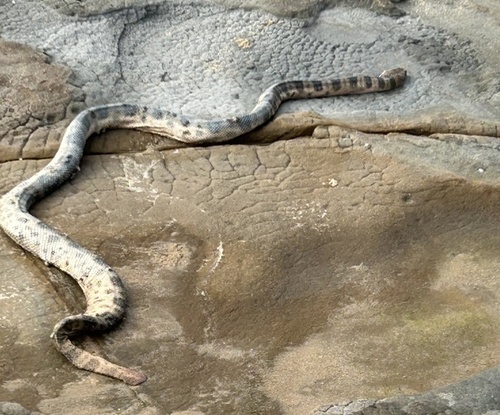
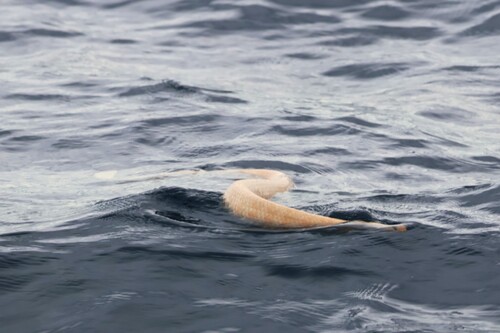

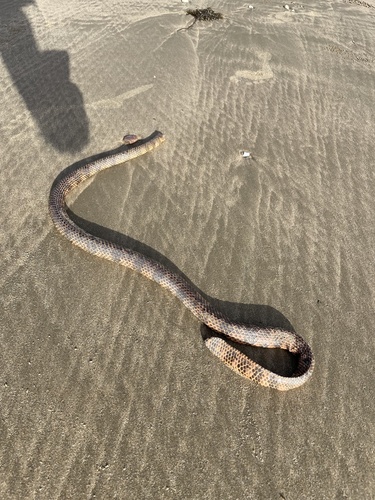
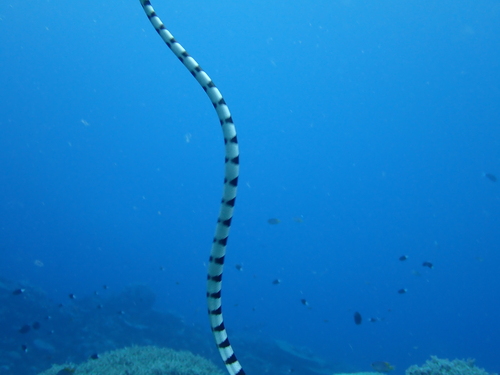


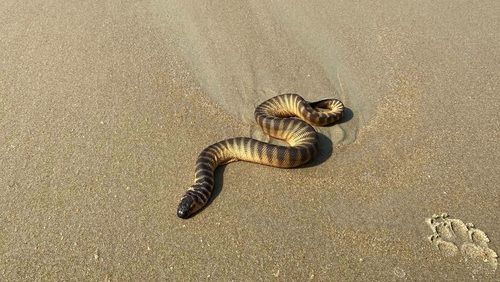
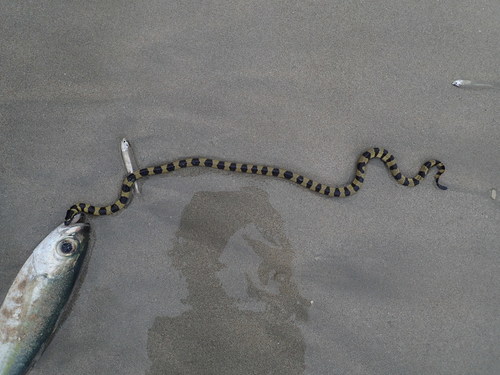

Typhlopidae (1)
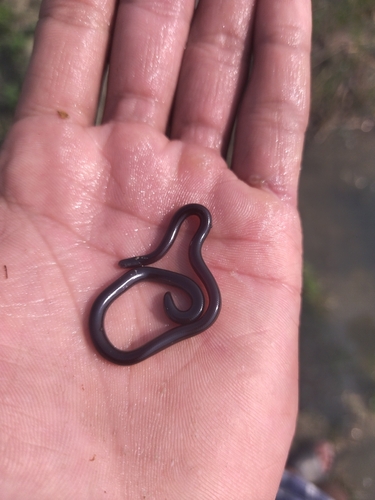
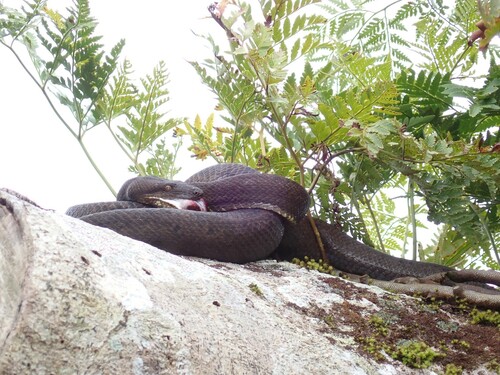
Pythonidae (1)
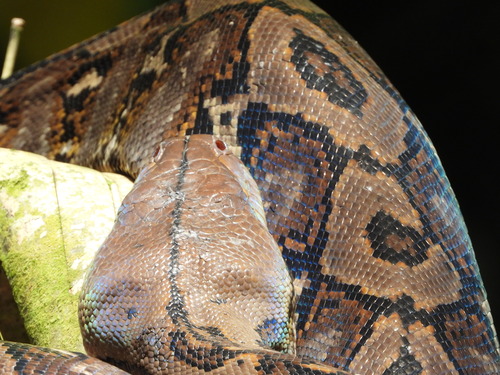
Compiled from verified GBIF & iNaturalist observations. "How often seen" reflects how frequently a snake is reported here, not how dangerous it is. Informational only.
Keep learning
- Are Snakes Dangerous? The Real Risk, in PerspectiveMost snakes are harmless and avoid people. Here is the honest picture of snakebite risk worldwide and how to lower your own.
- Snakebite First Aid: What to Do (and What Never to Do)A clear, CDC-based guide to snakebite first aid: the steps that help, the popular myths that hurt, and how to tell a serious bite from a minor one.
- Venomous vs Nonvenomous: How to Tell the DifferenceThe folk rules for telling venomous snakes apart, where each one fails, and why location-based identification beats guessing by sight.
- What to Do If You Find a SnakeFound a snake at home or on a trail? Here is how to stay calm, give it space, identify it safely, and know when to call a professional.