
Macao
Snakes in Macao
20+ snake species have been recorded in Macao, 7 venomous.
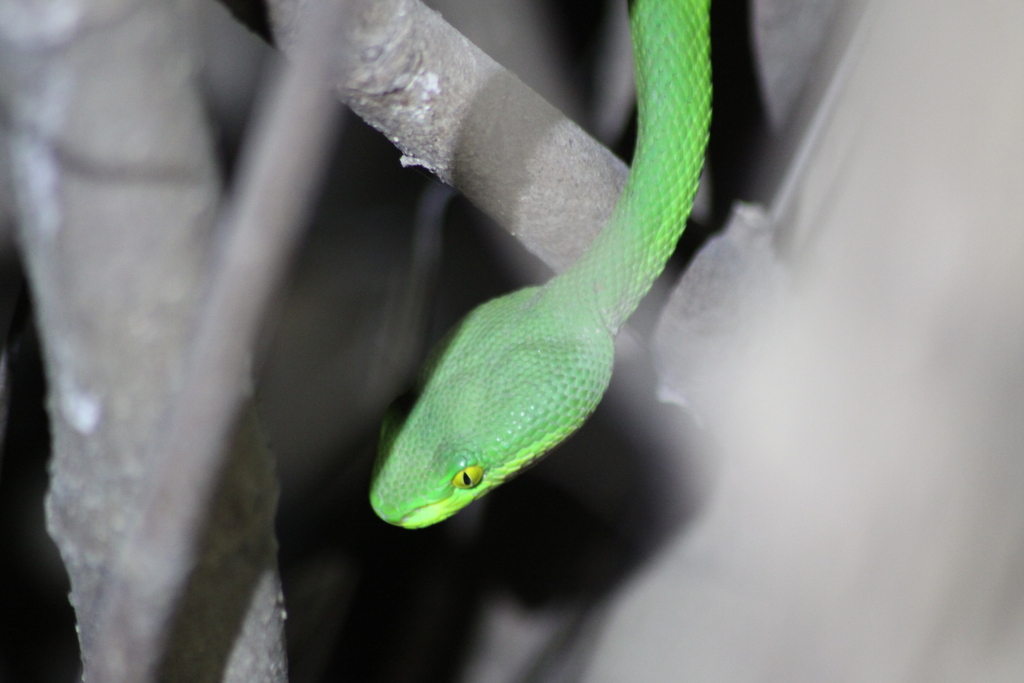
Snakes of Macao
Macao records 20+ snake species in our database, of which 7 are venomous. The clear majority, around two thirds of the recorded fauna, are non-venomous. Despite its small size and dense urban core, Macao sits within the subtropical Pearl River Delta of southern China, and its snake life reflects the broader herpetofauna of the region. The territory packs a surprising range of species into a compact area of coastal hills, parkland, freshwater channels, and the green slopes of Coloane and Taipa.
The diversity here is driven by geography and a warm, humid subtropical climate. Macao combines forested hillsides, scrub, freshwater streams and reservoirs, mangrove and estuarine margins, and the warm coastal waters of the South China Sea. Each of these supports different snakes. Wooded hill reserves on Coloane shelter terrestrial and arboreal forest species, the wetter low ground and reservoir edges hold water-associated snakes, and the marine environment offers habitat for fully aquatic species. This mix of land, freshwater, and sea habitats in a small footprint is why a territory this size can record more than twenty species.
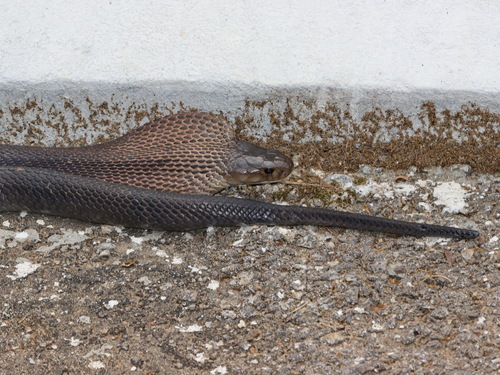
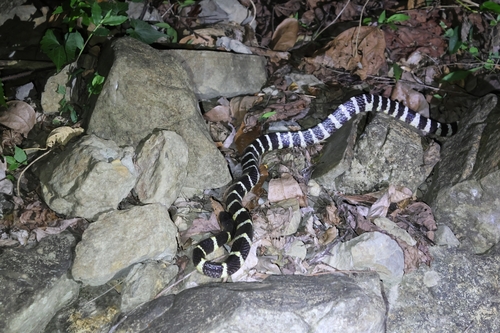
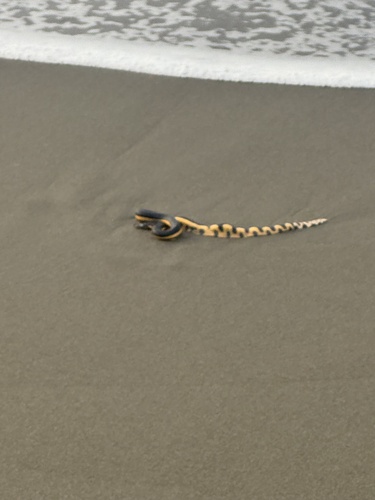
The medically important venomous snakes in Macao belong to a few well established groups found across southern China. Elapids are represented by cobras, including spitting and monocled forms in the region, and by the kraits, banded nocturnal snakes with potent neurotoxic venom. The king cobra, the world's longest venomous snake, occurs in the wider region though it is uncommon. Vipers are present as pit vipers, most notably green pit vipers of the genus Trimeresurus and the Chinese habu type lance-headed vipers, which are responsible for many bites in the region because they rest in vegetation near where people live and walk. Coastal and offshore waters can hold sea snakes, which are venomous elapids adapted to marine life. Where a specific species is uncertain, treat the group itself as the relevant threat, since the venomous fauna of this region is dominated by cobras, kraits, and pit vipers.
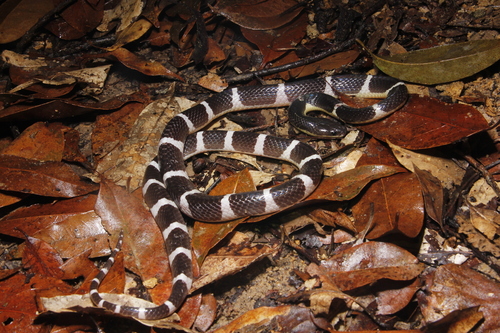
The non-venomous majority is the larger and more visible part of Macao's snake life. Rat snakes are among the most familiar, large, fast, and effective hunters of rodents around farmland and the edges of developed land. Keelbacks are common near water and wet ground and are frequently seen after rain. Wolf snakes, kukri snakes, and the small burrowing blind snakes round out the harmless species, and pythons, which are non-venomous constrictors, occur in the broader region as the largest snakes one might encounter. These snakes pose no venom risk to people and most are shy, retreating long before any contact.
Snakes earn their place in Macao's ecology. Rat snakes, racers, and many smaller species are efficient predators of rats and mice, helping suppress rodent numbers in parks, agricultural margins, and the edges of the urban area. By controlling rodents they reduce crop damage and limit the pests that spread disease, and they themselves are prey for birds of prey and other wildlife. A healthy snake population is a sign of a functioning local ecosystem, and removing snakes tends to let rodent populations climb.
On safety, the honest picture is reassuring but not casual. Most snakes you might encounter in Macao are harmless, and even the venomous species avoid people when given the chance. The main medical threats are the pit vipers, cobras, and kraits, and a confirmed or suspected bite from any venomous snake is a medical emergency. The correct response is rapid transport to a hospital, where antivenom and supportive care are the proven treatment. No wild snake should ever be handled or picked up, regardless of how harmless it appears, because identification mistakes are easy and the cost of being wrong is high. If a bite occurs, contact local emergency services immediately, or in the United States call Poison Control at 1-800-222-1222, and get the person to emergency care without delay.
Snakes in Macao: FAQ
- Are there venomous snakes in Macao?
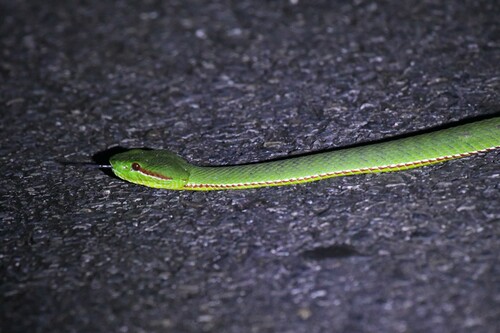
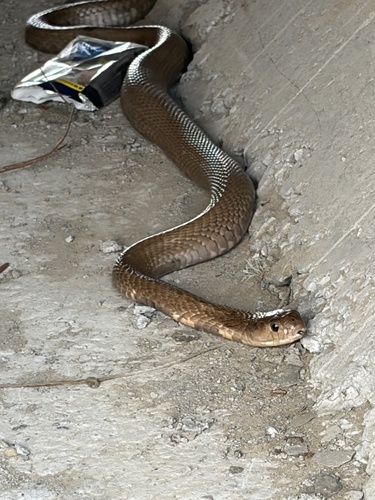
- Yes. 7 venomous snake species have verified records in Macao, including White-lipped Pit Viper, Lanna Green Pitviper, Chinese Cobra, Brown Banded Cobra. Most snakes in Macao, however, are harmless.
- How many snake species live in Macao?
- 20+ snake species have verified records in Macao, of which 7 are venomous.
- What is the most commonly seen snake in Macao?
- The White-lipped Pit Viper is the most frequently reported snake in Macao, based on verified wildlife observations.
- What should I do if I see a venomous snake in Macao?
- Keep your distance and do not try to catch or kill it. Most bites happen when people handle or corner a snake. If someone is bitten, contact local emergency services or poison control immediately.
Venomous snakes in Macao
Every snake recorded in Macao
20+ species across 7 families, grouped by family. Venomous flagged.
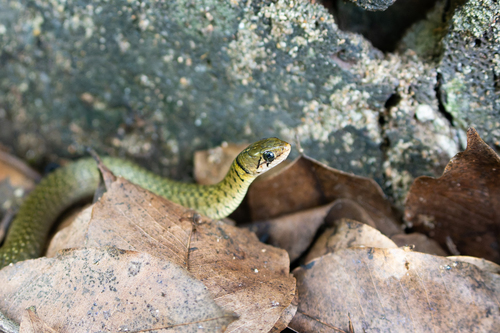
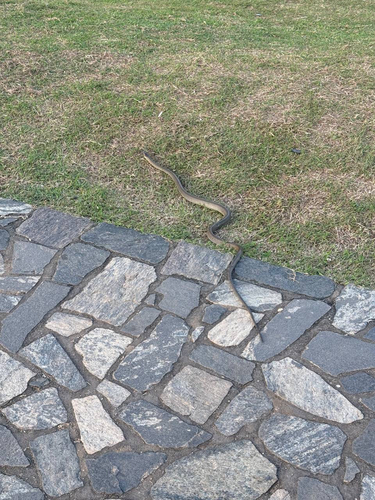
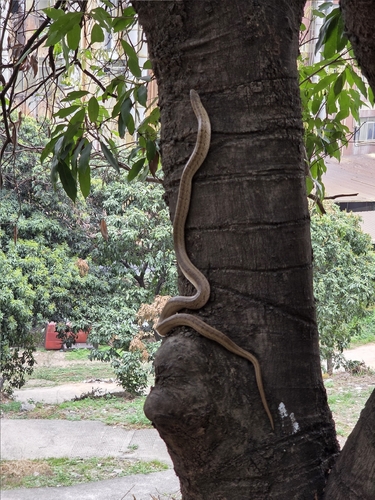
Colubridae (9)
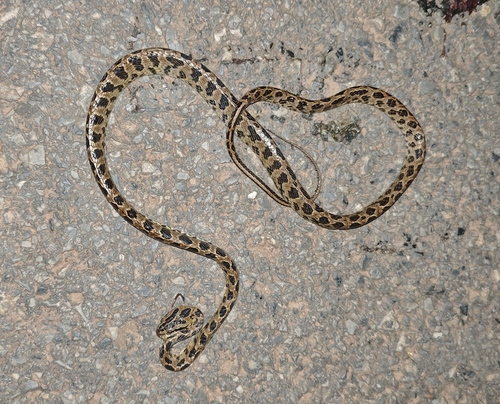
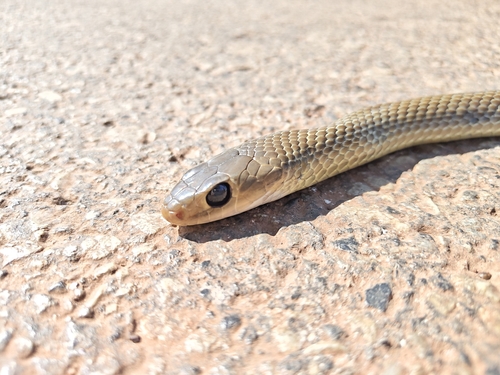
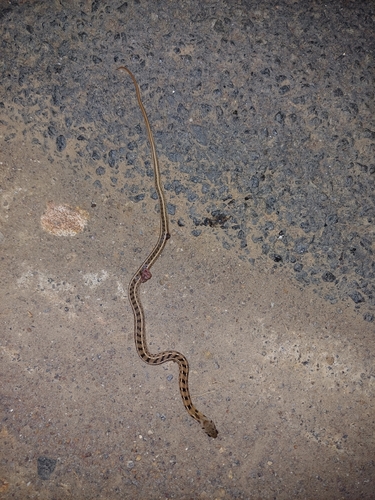
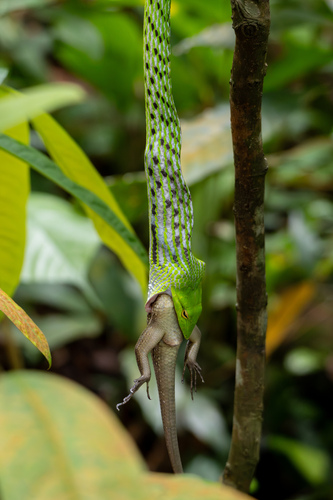
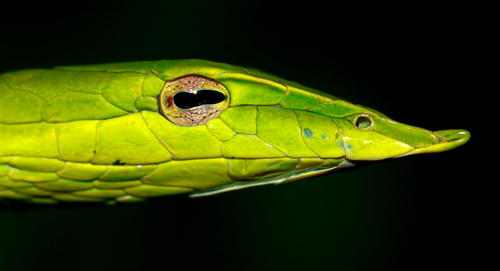
Elapidae (5)
Typhlopidae (3)
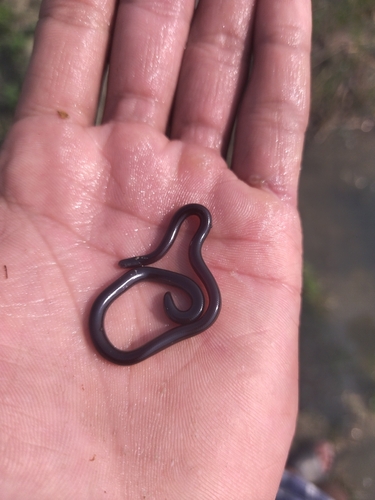
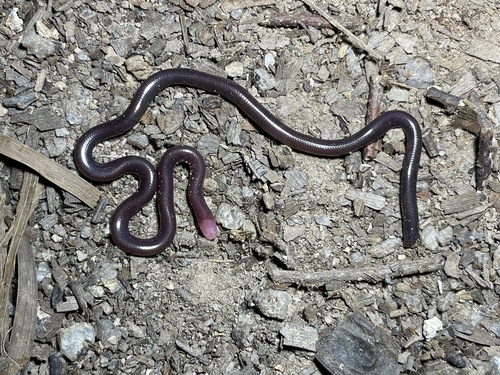
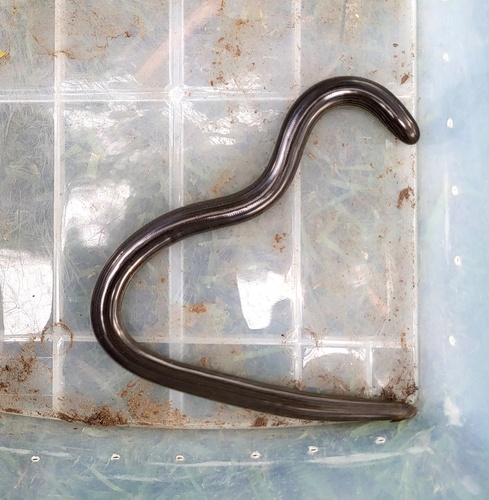
Viperidae (2)
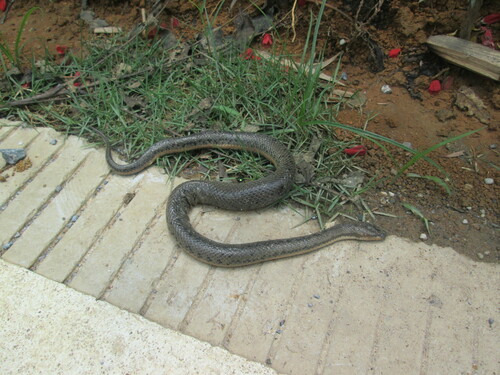
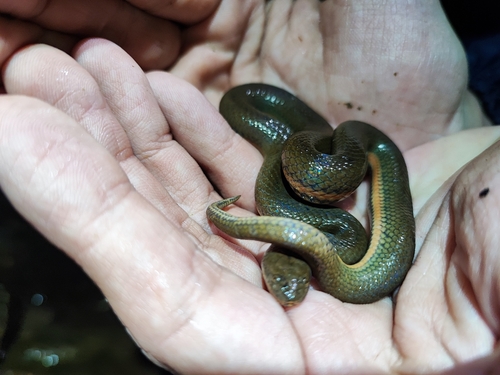
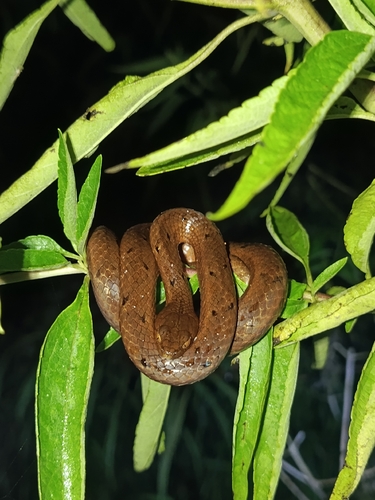
Pseudaspididae (1)
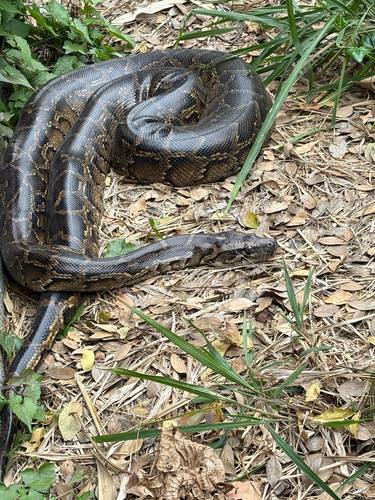
Pythonidae (1)
Compiled from verified GBIF & iNaturalist observations. "How often seen" reflects how frequently a snake is reported here, not how dangerous it is. Informational only.
Keep learning
- Are Snakes Dangerous? The Real Risk, in PerspectiveMost snakes are harmless and avoid people. Here is the honest picture of snakebite risk worldwide and how to lower your own.
- Snakebite First Aid: What to Do (and What Never to Do)A clear, CDC-based guide to snakebite first aid: the steps that help, the popular myths that hurt, and how to tell a serious bite from a minor one.
- Venomous vs Nonvenomous: How to Tell the DifferenceThe folk rules for telling venomous snakes apart, where each one fails, and why location-based identification beats guessing by sight.
- What to Do If You Find a SnakeFound a snake at home or on a trail? Here is how to stay calm, give it space, identify it safely, and know when to call a professional.