
Azerbaijan
Snakes in Azerbaijan
20+ snake species have been recorded in Azerbaijan, 5 venomous.
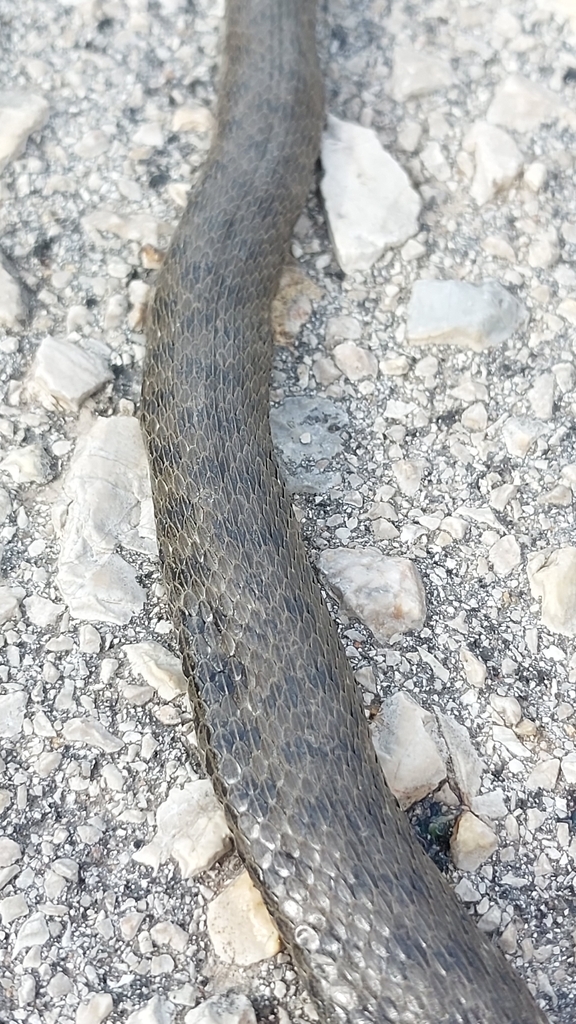
Snakes of Azerbaijan
Azerbaijan has 20+ snake species recorded in our database, and the great majority of them are non-venomous. Only 5 of the recorded species are venomous. For most people, most of the time, an encounter with a snake in Azerbaijan involves a harmless animal that wants nothing more than to move away and be left alone.
The country's snake diversity is driven by an unusually wide range of habitats packed into a small area. Azerbaijan stretches from the shores of the Caspian Sea up into the Greater and Lesser Caucasus mountains, and includes semi-desert and dry steppe in the central lowlands, the humid subtropical forests and wetlands of the Lankaran lowland in the southeast, and rugged rocky highlands inland. This mix of sea-level plains, river valleys, arid flats, and mountain slopes gives snakes many distinct niches to occupy, which is why a relatively compact country supports two dozen species.
The medically important venomous snakes in Azerbaijan belong to the viper family. True vipers and the mountain-dwelling pit vipers of the wider Caucasus and Caspian region are the group that accounts for serious bites here. These are the snakes to know about, since their venom can cause significant tissue damage, swelling, and systemic effects. Azerbaijan does not have the cobras, mambas, coral snakes, sea snakes, or rattlesnakes that worry people in other parts of the world. The realistic threat is a viper, most often in rocky, brushy, or mountainous terrain, and the practical lesson is simple: give any viper a wide berth and do not attempt to catch or kill it.
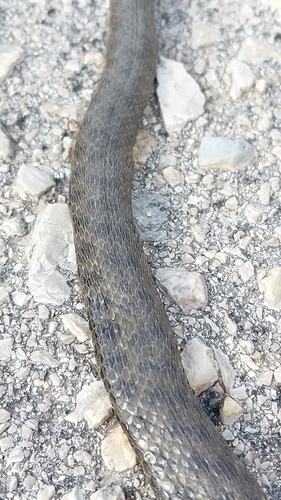
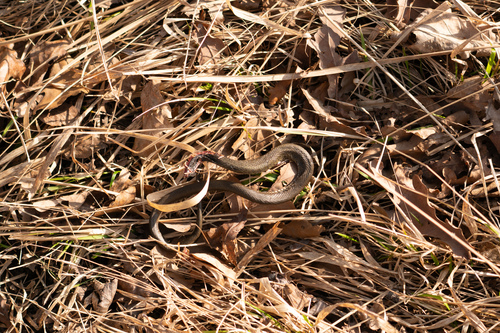
The large non-venomous majority is what people actually meet day to day. Colubrid snakes such as grass snakes, dice snakes near water, whip snakes, and rat snakes are common across Azerbaijan's fields, riverbanks, and rocky slopes. Among the most striking is the large whip snake, a fast and alert species that is harmless to humans despite its size and willingness to bluff. These snakes are excellent climbers and swimmers, and they form the backbone of the country's snake fauna both in numbers and in the range of habitats they fill.
Snakes earn their place in Azerbaijan's ecosystems by controlling rodents and other pests. A single snake can remove a steady number of mice, rats, and voles over a season, which protects stored grain, reduces crop losses, and limits the spread of rodent-borne disease. In farmland and along village edges this pest control is real economic value delivered for free, and the non-venomous species do much of this work quietly without ever posing a risk to people.
The honest safety picture is reassuring but not careless. The overwhelming majority of Azerbaijan's snakes are harmless, and the main medical concern is a viper bite. No wild snake should be handled, picked up, or cornered, because even non-venomous species bite when threatened and a venomous one can cause serious harm. If a bite happens, the correct response is to get to a hospital, where antivenom and proper medical care are the treatment. Do not rely on improvised first aid. Contact local emergency services right away, or in the United States call Poison Control at 1-800-222-1222.
Snakes in Azerbaijan: FAQ
- Are there venomous snakes in Azerbaijan?
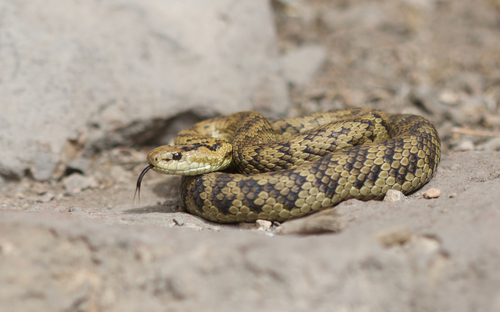
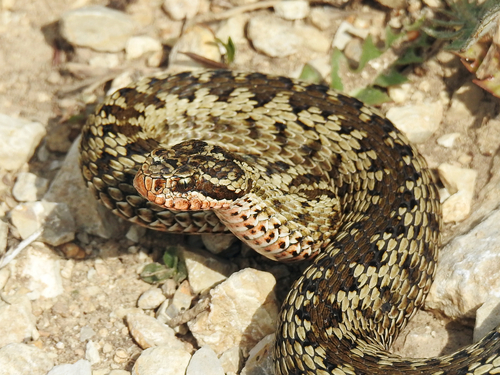
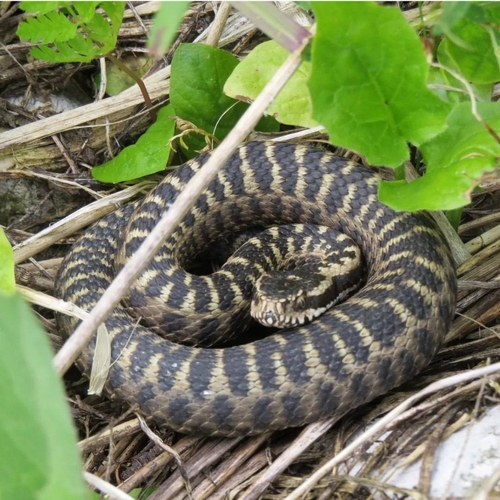
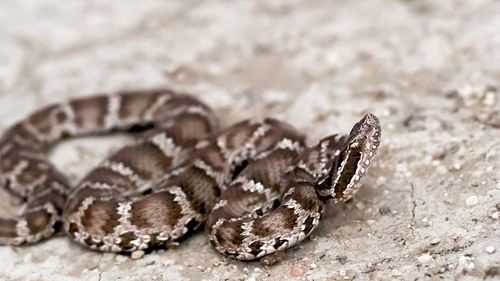
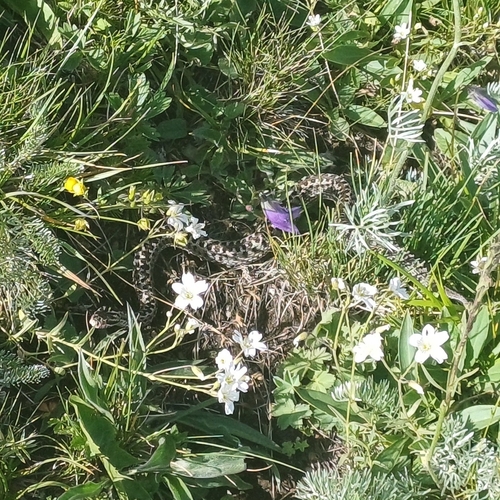
- Yes. 5 venomous snake species have verified records in Azerbaijan, including Gloydius variegatus, Alburzi Viper, Caucasus Subalpine Viper, Halys Pit Viper. Most snakes in Azerbaijan, however, are harmless.
- How many snake species live in Azerbaijan?
- 20+ snake species have verified records in Azerbaijan, of which 5 are venomous.
- What is the most commonly seen snake in Azerbaijan?
- The Tessellated Water Snake is the most frequently reported snake in Azerbaijan, based on verified wildlife observations.
- What should I do if I see a venomous snake in Azerbaijan?
- Keep your distance and do not try to catch or kill it. Most bites happen when people handle or corner a snake. If someone is bitten, contact local emergency services or poison control immediately.
Venomous snakes in Azerbaijan
Every snake recorded in Azerbaijan
20+ species across 5 families, grouped by family. Venomous flagged.
Colubridae (15)
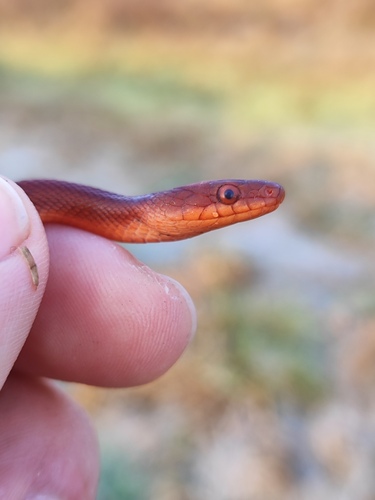
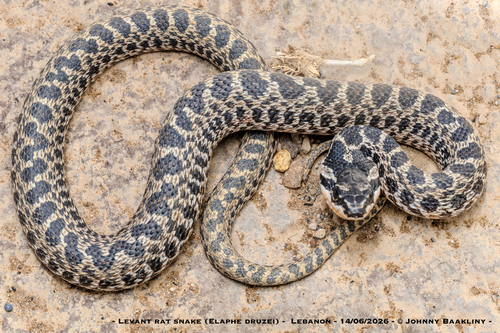
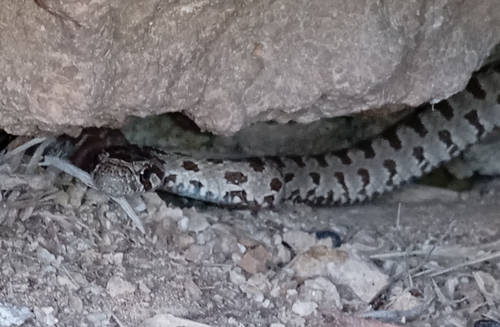
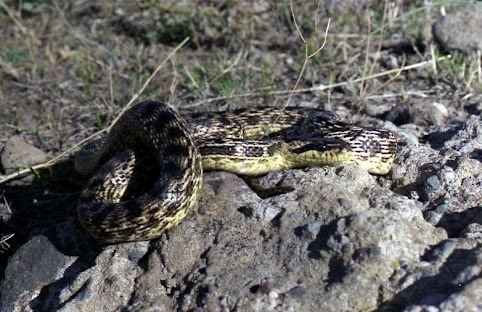
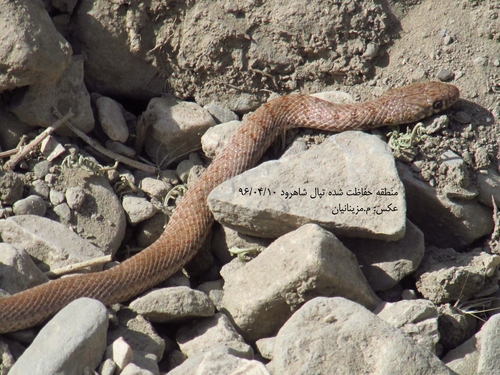
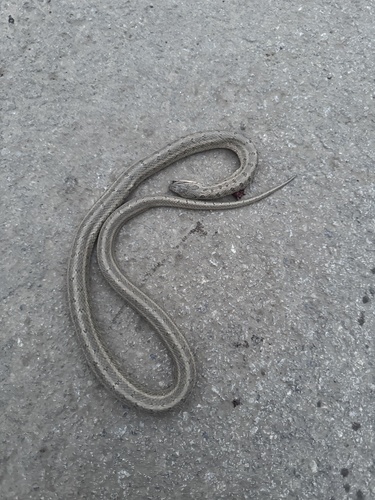
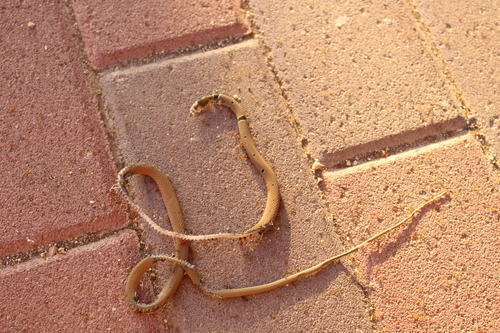
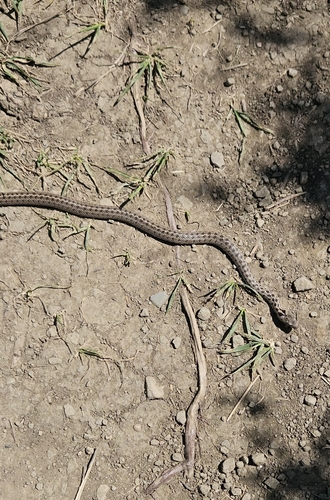
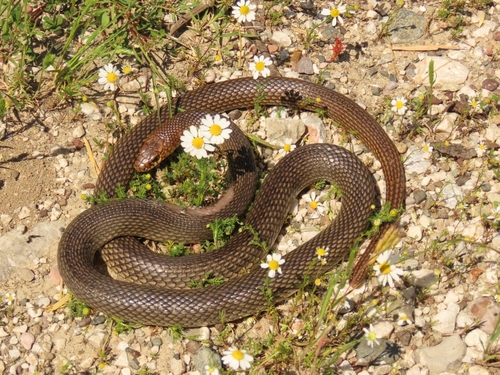
Viperidae (5)
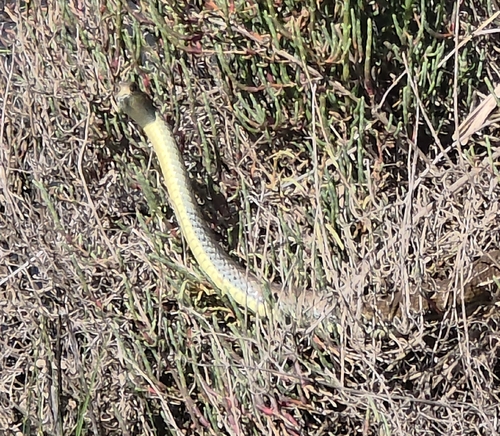
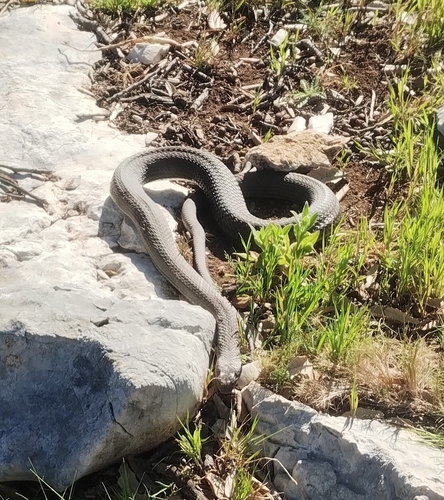
Psammophiidae (2)
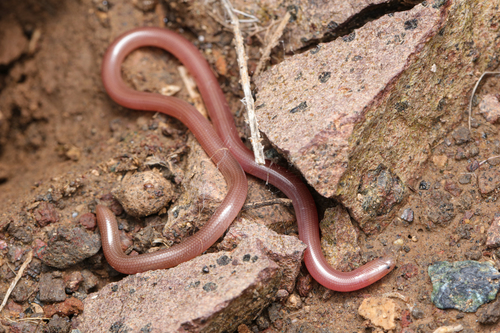
Typhlopidae (1)
Boidae (1)
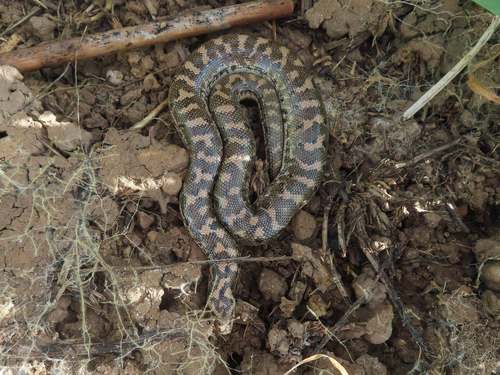
Compiled from verified GBIF & iNaturalist observations. "How often seen" reflects how frequently a snake is reported here, not how dangerous it is. Informational only.
Keep learning
- Are Snakes Dangerous? The Real Risk, in PerspectiveMost snakes are harmless and avoid people. Here is the honest picture of snakebite risk worldwide and how to lower your own.
- Snakebite First Aid: What to Do (and What Never to Do)A clear, CDC-based guide to snakebite first aid: the steps that help, the popular myths that hurt, and how to tell a serious bite from a minor one.
- Venomous vs Nonvenomous: How to Tell the DifferenceThe folk rules for telling venomous snakes apart, where each one fails, and why location-based identification beats guessing by sight.
- What to Do If You Find a SnakeFound a snake at home or on a trail? Here is how to stay calm, give it space, identify it safely, and know when to call a professional.