
Yemen
Snakes in Yemen
30+ snake species have been recorded in Yemen, 13 venomous.
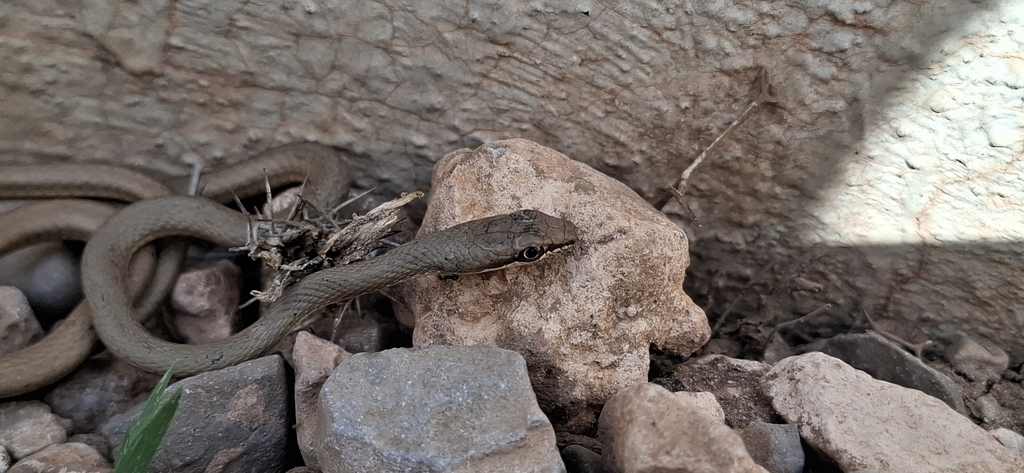
Snakes of Yemen
Yemen has 30+ snake species recorded in our database, of which 13 are venomous. As in most parts of the world, the great majority of the country's snakes are non-venomous and pose no medical threat to people. The venomous minority is real and deserves respect, but it does not define the fauna. Understanding which groups matter, where they live, and how rarely encounters turn dangerous is the foundation for living and working safely alongside these animals.
Yemen's snake diversity is driven by a striking range of habitats packed into a relatively small country. The coastal Tihama plain along the Red Sea is hot, sandy, and arid, and supports sand-adapted species. Inland, the western highlands rise to some of the tallest mountains on the Arabian Peninsula, with cooler, wetter conditions and terraced agriculture that create their own community of reptiles. To the east and north the land falls away into true desert, including the fringes of the Rub al Khali, the Empty Quarter, where only the most heat and drought tolerant species persist. Wadis, oases, rocky escarpments, and the long coastline each add their own assemblage, and this patchwork of environments is the main reason a comparatively dry country holds so many kinds of snake.
The medically important venomous snakes of Yemen come from a few well established groups rather than a single dangerous species. Vipers are the most significant: saw-scaled vipers of the genus Echis are widespread in arid and rocky ground and are responsible for a large share of serious bites across Arabia, and other true vipers and the desert horned viper occur in suitable habitat. Elapids are represented by the Arabian cobra and by burrowing species in the genus Atractaspis, sometimes called stiletto or mole vipers, which deliver venom from fangs that work even when the snake is gripped behind the head. Along Yemen's warm coastal waters, true sea snakes occur and are venomous, though bites on land are essentially unheard of. There are no mambas, no rattlesnakes, no New World coral snakes, and no pit vipers native to Yemen; those groups belong to other regions.
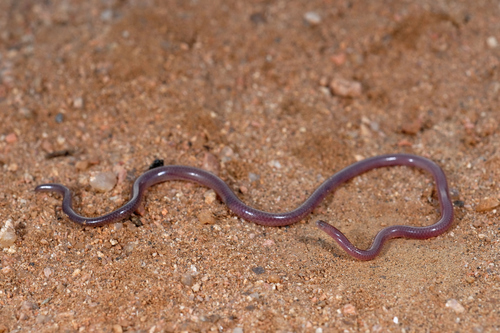
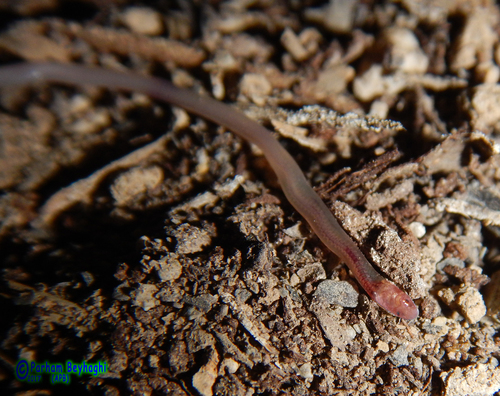
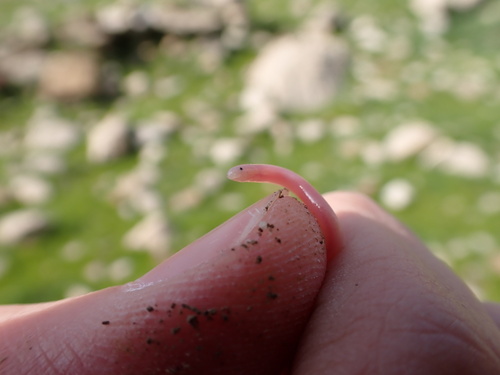
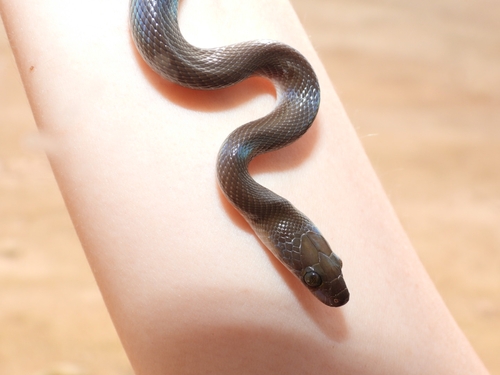
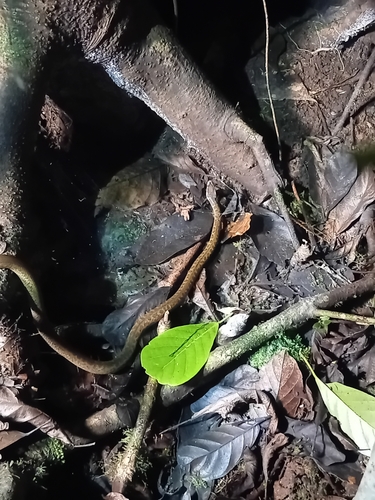
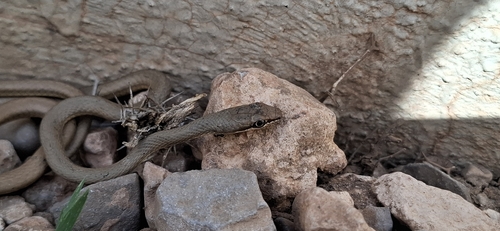
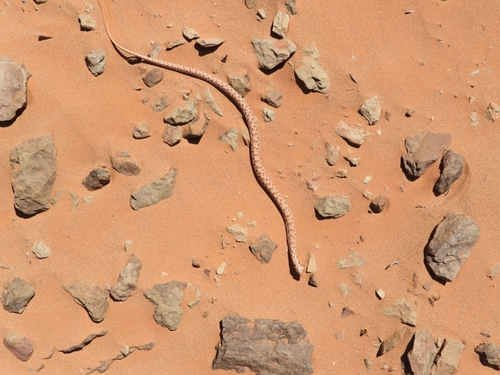
The large non-venomous majority is what people in Yemen actually encounter most of the time. Colubrid snakes such as racers, whip snakes, sand snakes, and cat snakes make up much of the fauna, along with the tiny, harmless blind snakes that burrow in soil and are often mistaken for worms. Many of these animals are secretive, fast, and far more interested in escaping than confronting a person. Sand-dwelling and rock-dwelling specialists show the kind of camouflage and behavior that make Yemen's reptiles a genuine point of natural interest in the Arabian region.
Snakes earn their place in Yemen's ecosystems by controlling rodents and other pests. A single snake can remove large numbers of rats and mice over a season, animals that otherwise damage stored grain, spread disease, and raid crops on the highland terraces and coastal farms. By keeping these populations in check, snakes provide free pest control that supports agriculture and public health. Killing snakes on sight tends to backfire, because it removes a natural check on the very rodents that cause real economic harm.
On safety, the honest picture is reassuring with one firm caveat. Most snakes you might meet in Yemen are harmless, and the realistic danger comes mainly from the vipers, especially saw-scaled vipers, and from the cobra and burrowing elapids. The correct response to any venomous bite is professional medical care: antivenom and hospital treatment are what save lives and limbs, and the sooner a bitten person reaches a hospital the better the outcome. No wild snake should ever be picked up or handled, including ones that look dead or harmless, because even non-venomous bites and a misjudged species can cause harm. Do not rely on home remedies or improvised first aid. If a bite happens, get to emergency medical services immediately, or in the United States contact Poison Control at 1-800-222-1222, and elsewhere call your local emergency number.
Snakes in Yemen: FAQ
- Are there venomous snakes in Yemen?
- Yes. 13 venomous snake species have verified records in Yemen, including Egyptian Saw-scaled Viper, Palestine Saw-scaled Viper, Desert Horned Viper, Saw-scaled Viper. Most snakes in Yemen, however, are harmless.
- How many snake species live in Yemen?
- 30+ snake species have verified records in Yemen, of which 13 are venomous.
- What is the most commonly seen snake in Yemen?
- The Forskal Sand Snake is the most frequently reported snake in Yemen, based on verified wildlife observations.
- What should I do if I see a venomous snake in Yemen?
- Keep your distance and do not try to catch or kill it. Most bites happen when people handle or corner a snake. If someone is bitten, contact local emergency services or poison control immediately.
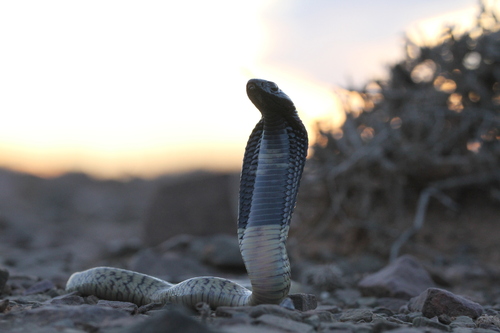
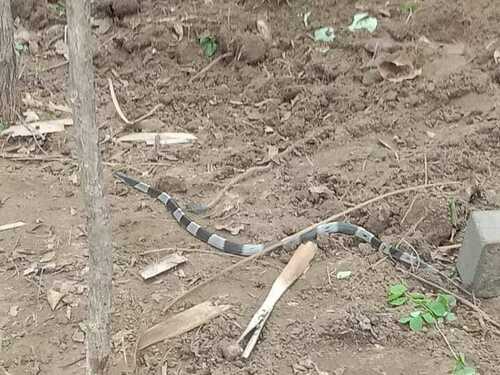
Venomous snakes in Yemen
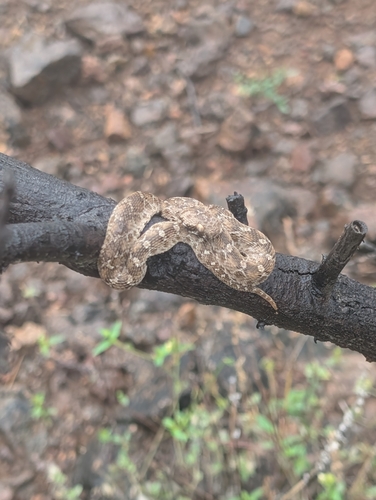
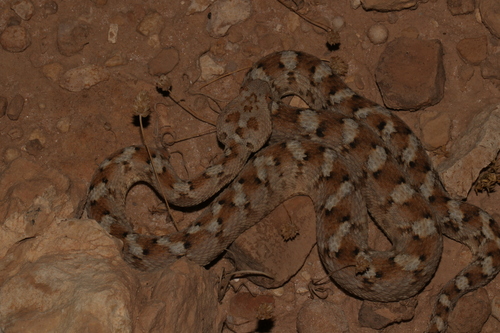
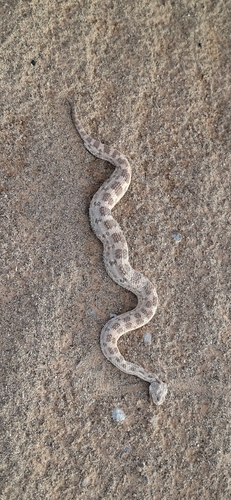
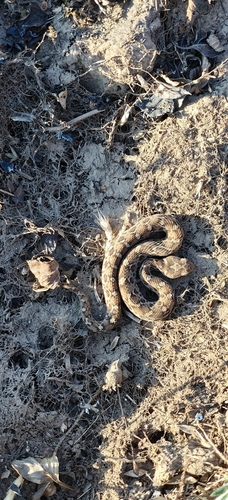
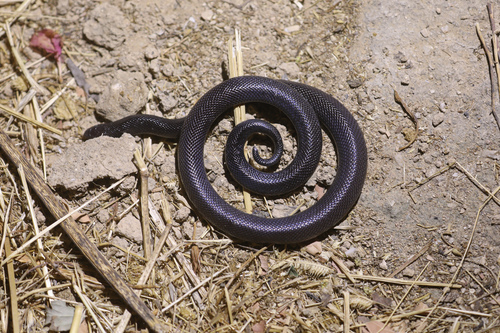
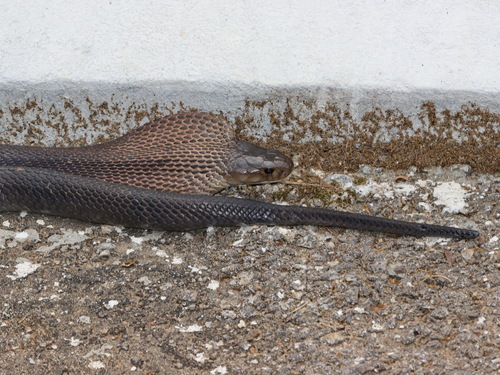
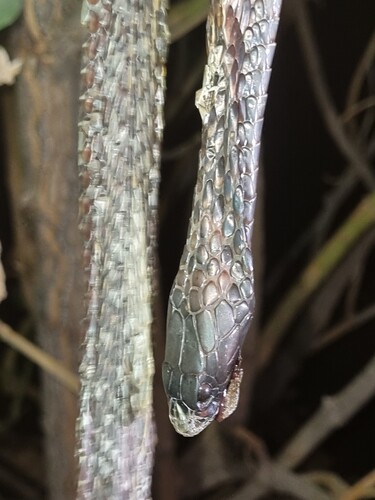
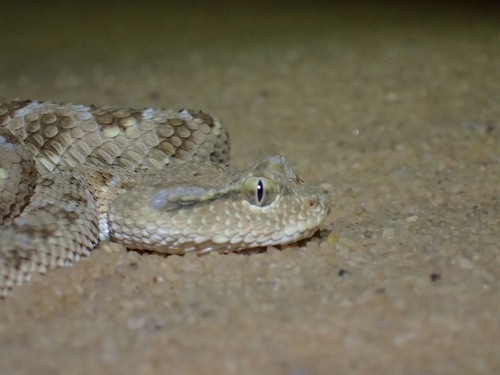
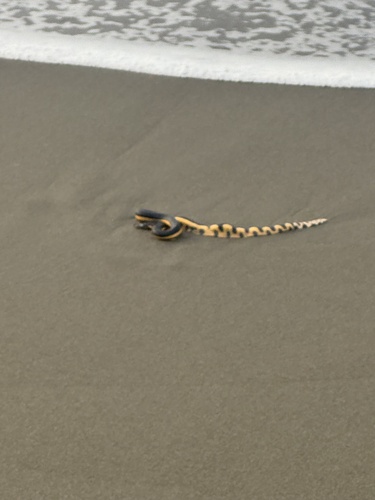
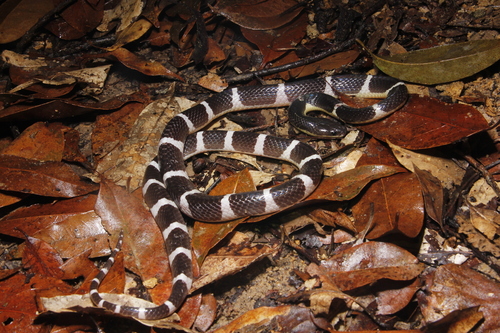
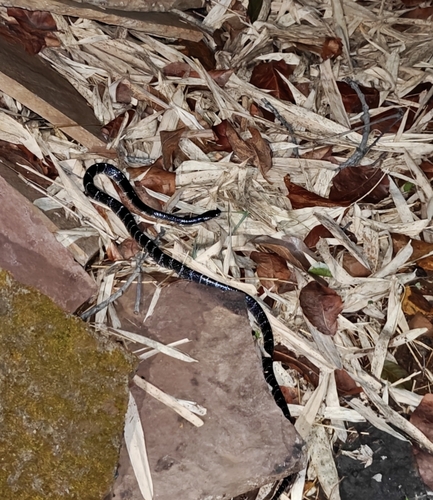
Every snake recorded in Yemen
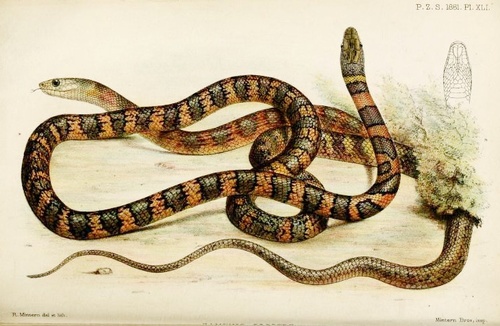
30+ species across 10 families, grouped by family. Venomous flagged.
Colubridae (8)
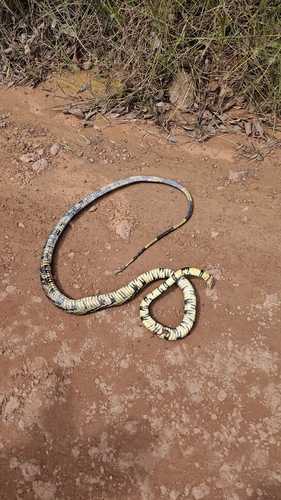
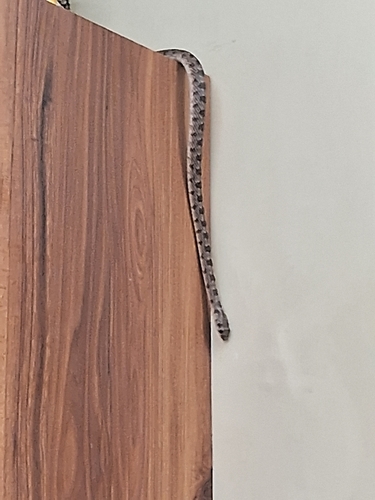
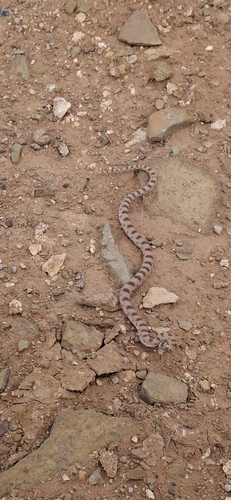


Elapidae (7)
Leptotyphlopidae (5)
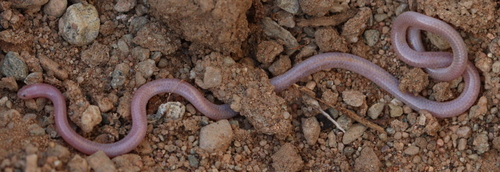

Viperidae (5)
Lamprophiidae (4)
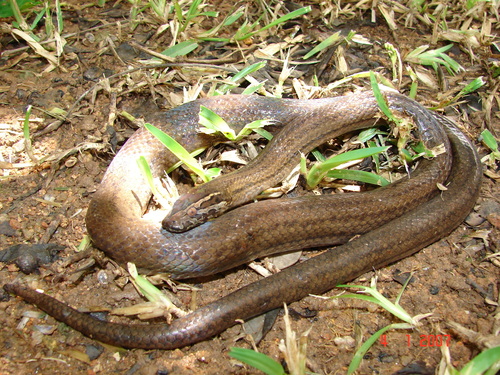
Pseudoxyrhophiidae (1)
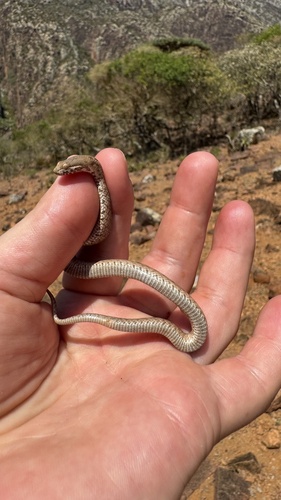
Atractaspididae (1)
Boidae (1)
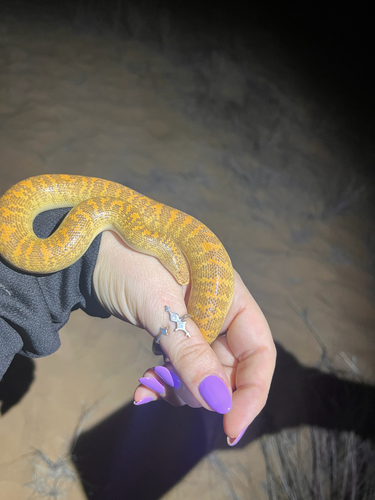
Typhlopidae (1)
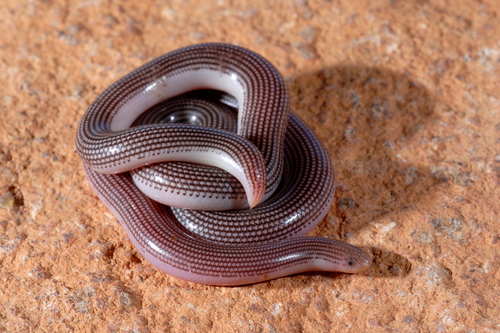
Compiled from verified GBIF & iNaturalist observations. "How often seen" reflects how frequently a snake is reported here, not how dangerous it is. Informational only.
Keep learning
- Are Snakes Dangerous? The Real Risk, in PerspectiveMost snakes are harmless and avoid people. Here is the honest picture of snakebite risk worldwide and how to lower your own.
- Snakebite First Aid: What to Do (and What Never to Do)A clear, CDC-based guide to snakebite first aid: the steps that help, the popular myths that hurt, and how to tell a serious bite from a minor one.
- Venomous vs Nonvenomous: How to Tell the DifferenceThe folk rules for telling venomous snakes apart, where each one fails, and why location-based identification beats guessing by sight.
- What to Do If You Find a SnakeFound a snake at home or on a trail? Here is how to stay calm, give it space, identify it safely, and know when to call a professional.