
United Kingdom
Snakes in United Kingdom
10+ snake species have been recorded in United Kingdom, 3 venomous.
Snakes of United Kingdom
The United Kingdom is home to very few snakes, and the reason comes down to climate and geography. As a cool, temperate island on the northwestern edge of Europe, Britain offers limited warmth for cold-blooded reptiles, and its separation from the European mainland after the last Ice Age cut off the routes by which more species might have spread north. While our database lists 18 snake entries for the UK, that figure includes vagrant, marine, and coastal records rather than established residents. In plain biological terms, the UK has just three native snake species, a roster small enough that most British residents will go years without encountering one in the wild. Ireland takes this even further: it has no native snakes at all, the famous absence behind the legend of Saint Patrick driving the serpents from its shores.
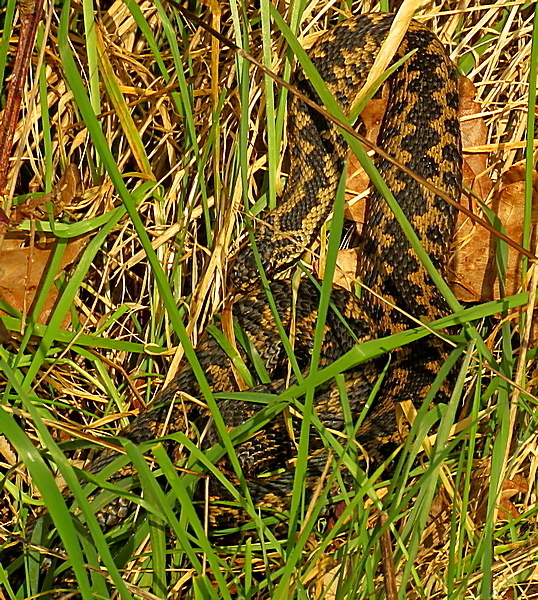
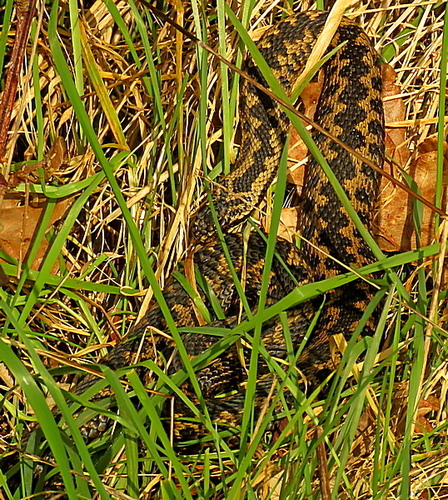
The most well known of the three is the adder (Vipera berus), the only venomous snake native to the UK. Adders are shy, retiring animals that prefer to avoid people, and they are most often found on heathland, moorland, and woodland edges where they bask in sunny spots. They are easily recognized by the dark zigzag pattern running down the back. Adder bites are uncommon because the snake will almost always retreat if given the chance, and bites typically happen only when a snake is trodden on or handled. While a bite should always be taken seriously, fatalities are very rare in healthy adults, and modern medical care manages cases effectively.
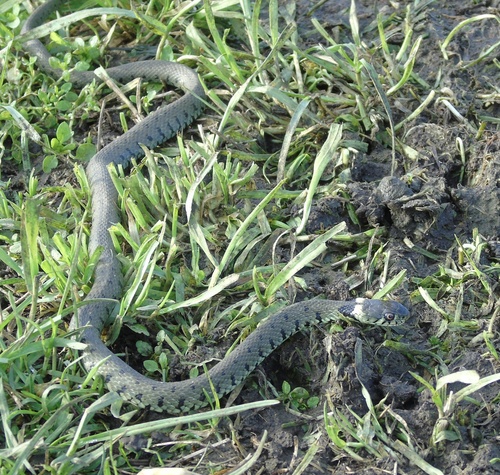
The grass snake (Natrix helvetica, sometimes referred to as Natrix natrix) is the UK's largest snake and is completely non-venomous. It is usually found near water such as ponds, ditches, and slow rivers, where it hunts amphibians and fish, and it is a strong swimmer. Grass snakes are typically olive green or brown with a distinctive yellow and black collar behind the head. When threatened, a grass snake may put on a dramatic display, hissing, releasing a foul-smelling secretion, or even playing dead by rolling onto its back with its tongue lolling out. The third native species, the smooth snake (Coronella austriaca), is also non-venomous and is the rarest of the three. It is largely confined to sandy heathland in southern England, where it is secretive and seldom seen, feeding mainly on lizards and small mammals.
Beyond the three natives, a few other animals add to the confusion. A non-native barred grass snake form has been recorded, and escaped or released pet snakes occasionally turn up but do not establish breeding populations in the wild. The most frequent case of mistaken identity, however, is the slow worm, which is not a snake at all but a legless lizard. Slow worms are common in gardens and grassland and are harmless, but their smooth, shiny bodies lead many people to assume they have found a snake. Knowing these distinctions helps set realistic expectations: the UK simply does not have the snake diversity found in warmer parts of the world.
On safety, the honest picture is reassuring but worth respecting. Adder bites are uncommon and seldom serious, but any snakebite in the UK should always be assessed medically rather than dismissed at home. No wild snake should ever be picked up or handled, including non-venomous species, because handling stresses the animal and invites a defensive bite. If a snakebite occurs, call 999 or go to A&E so the bite can be properly evaluated. The smartest approach to British snakes is to enjoy them at a distance, watch where you step on heathland and near water, and leave any snake you encounter undisturbed.
Snakes in United Kingdom: FAQ
- Are there venomous snakes in United Kingdom?
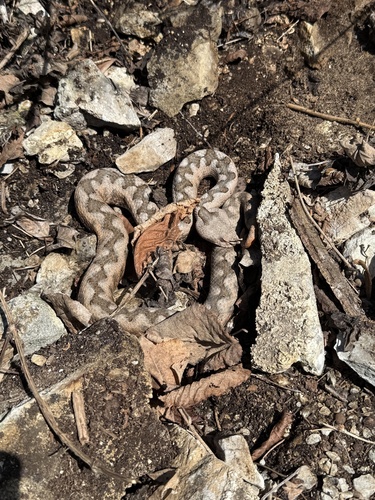
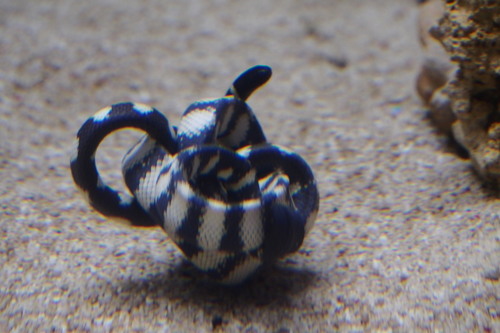
- Yes. 3 venomous snake species have verified records in United Kingdom, including Adder, Nose-horned Viper, Slender-necked Sea Snake. Most snakes in United Kingdom, however, are harmless.
- How many snake species live in United Kingdom?
- 10+ snake species have verified records in United Kingdom, of which 3 are venomous.
- What is the most commonly seen snake in United Kingdom?
- The Adder is the most frequently reported snake in United Kingdom, based on verified wildlife observations.
- What should I do if I see a venomous snake in United Kingdom?
- Keep your distance and do not try to catch or kill it. Most bites happen when people handle or corner a snake. If someone is bitten, contact local emergency services or poison control immediately.
Venomous snakes in United Kingdom
Every snake recorded in United Kingdom
10+ species across 7 families, grouped by family. Venomous flagged.
Colubridae (8)
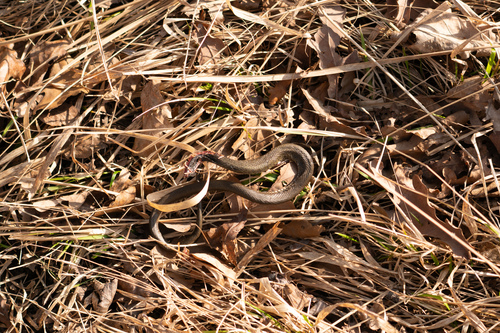
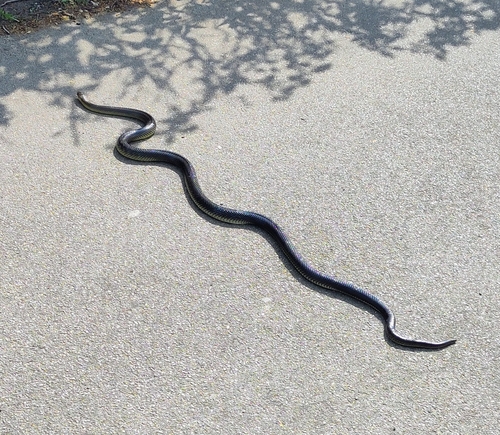
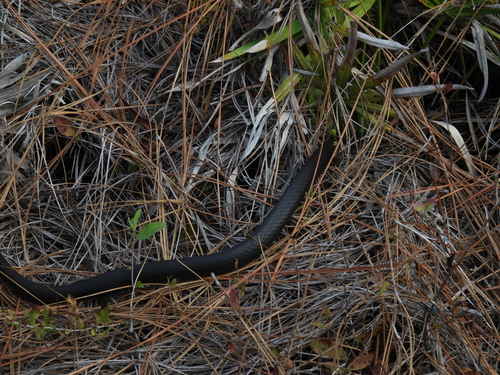
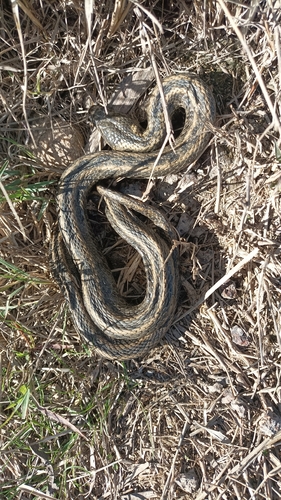
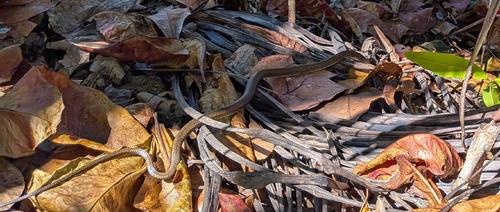
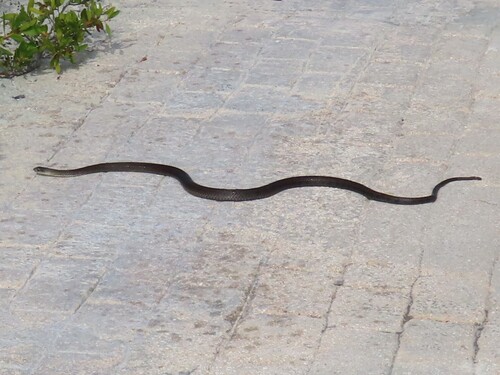
Tropidophiidae (3)
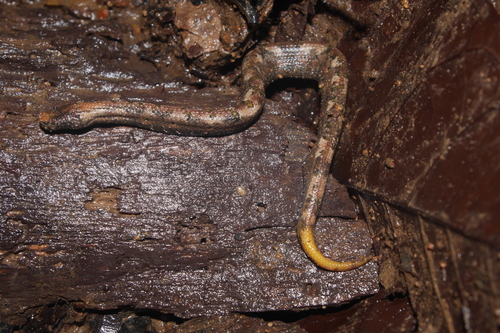
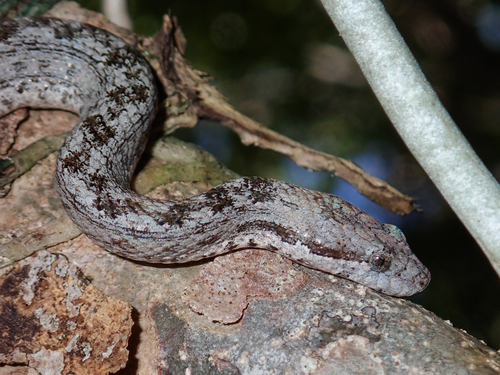
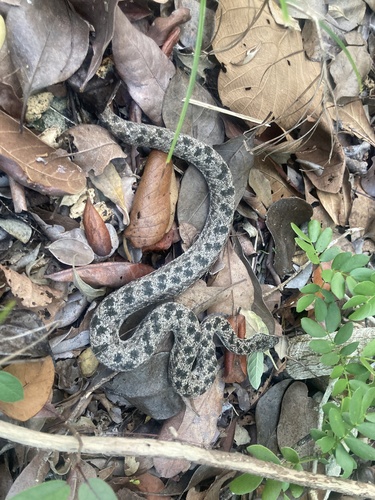
Uropeltidae (1)
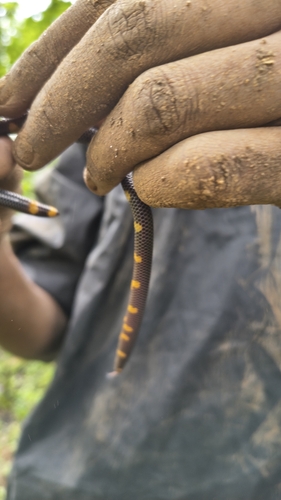
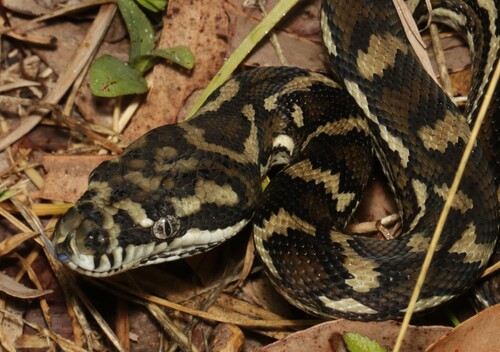
Pythonidae (1)
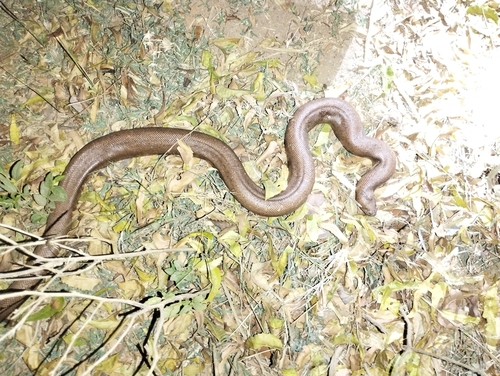
Boidae (1)
Compiled from verified GBIF & iNaturalist observations. "How often seen" reflects how frequently a snake is reported here, not how dangerous it is. Informational only.
Keep learning
- Are Snakes Dangerous? The Real Risk, in PerspectiveMost snakes are harmless and avoid people. Here is the honest picture of snakebite risk worldwide and how to lower your own.
- Snakebite First Aid: What to Do (and What Never to Do)A clear, CDC-based guide to snakebite first aid: the steps that help, the popular myths that hurt, and how to tell a serious bite from a minor one.
- Venomous vs Nonvenomous: How to Tell the DifferenceThe folk rules for telling venomous snakes apart, where each one fails, and why location-based identification beats guessing by sight.
- What to Do If You Find a SnakeFound a snake at home or on a trail? Here is how to stay calm, give it space, identify it safely, and know when to call a professional.