
Kuwait
Snakes in Kuwait
10+ snake species have been recorded in Kuwait, 7 venomous.
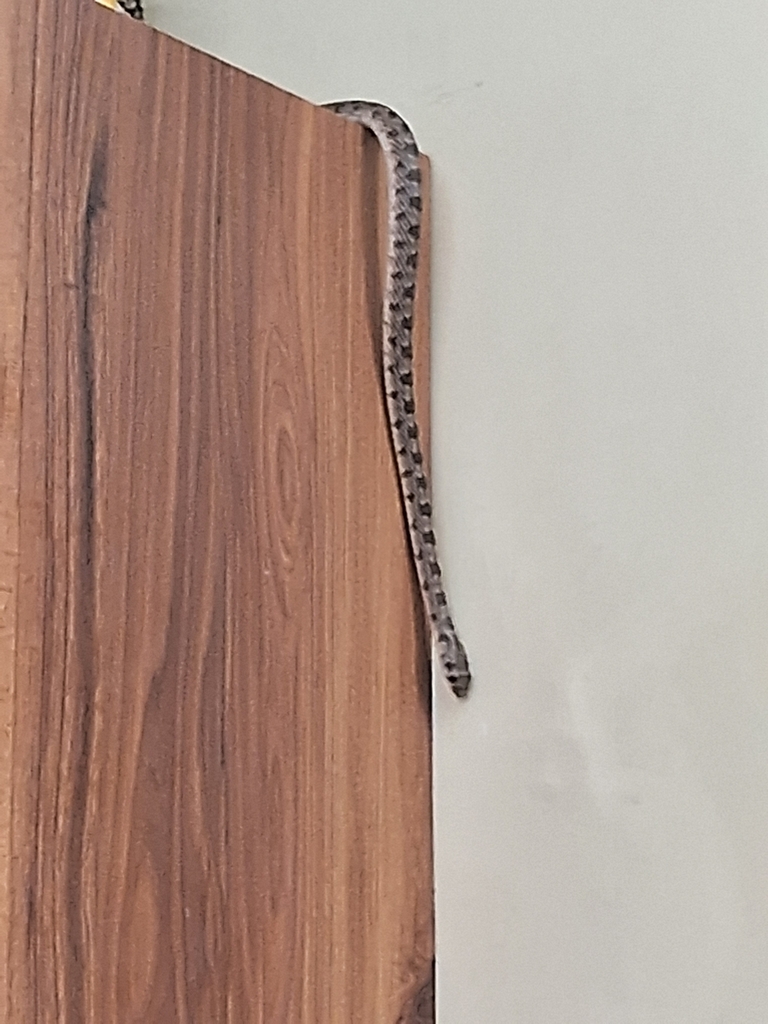
Snakes of Kuwait
Kuwait sits at the northwestern corner of the Arabian Gulf, a small country of flat desert plains, gravel hammada, sand dunes, sabkha salt flats, and a coastline of mudflats and shallow gulf waters. This is hot, arid terrain with very little permanent surface water, and the snake fauna reflects that. Our database records 10+ snake species for Kuwait, 7 of them venomous, which is a modest diversity typical of a compact desert country rather than a tropical one. The animals here are mostly built for sand, heat, and scarce cover, and many are nocturnal or active at dawn and dusk to avoid the worst of the daytime temperatures.
The venomous snakes present fall into a few well understood groups. The most medically important are vipers, including the saw-scaled vipers of the genus Echis, small but defensive desert snakes responsible for a large share of serious bites across the region. Kuwait's habitats also support cobra-family relatives such as desert-adapted elapids, and the coastal and gulf waters along the shoreline are within the range of true sea snakes, which are venomous but generally encountered only by fishermen and divers rather than on land. These groups account for the venomous species in the count. Most are not aggressive and will retreat if given the chance, but a viper that feels cornered can strike quickly.
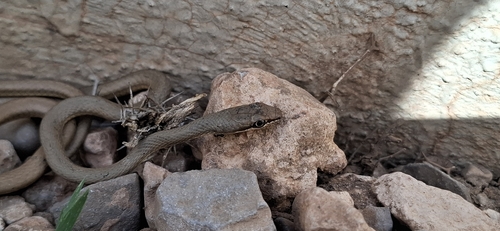
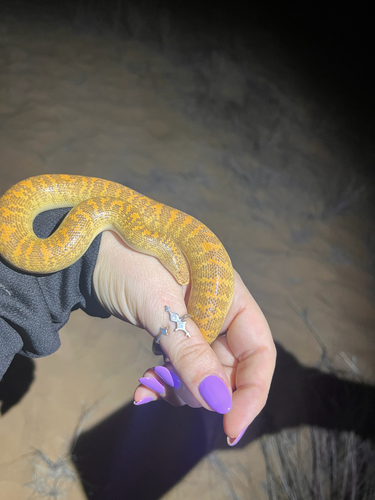
The clear majority of Kuwait's snakes are harmless to people. These include sand-dwelling colubrid snakes, slender racers and whip snakes that hunt lizards and small mammals across open ground, and small burrowing species such as the worm-like blind snakes that live in soil and feed on ants and termites. The sand boa, a thick-bodied non-venomous constrictor adapted to loose desert sand, is among the more recognizable local snakes. These animals pose no venom risk and form the backbone of the region's snake population.
Snakes are an important part of Kuwait's desert ecology. They control populations of rodents, lizards, and insects, and in turn feed birds of prey, larger reptiles, and desert mammals. In an environment where every link in the food chain is stretched thin, predatory snakes help keep prey numbers in check and recycle energy through a sparse landscape. Burrowing species also turn over soil and consume large numbers of insects, quiet work that supports the wider desert system.
On safety, the honest picture is reassuring: most snakes you might encounter in Kuwait are harmless, and snakes in general avoid people. The main medical threat comes from vipers, particularly saw-scaled vipers, whose bites can be serious and require prompt hospital care. Sea snake bites, though rare, are also a genuine risk near the coast. The correct response to any bite from a snake you cannot positively identify is to seek emergency medical care immediately, where antivenom and supportive hospital treatment are the proven course. Never attempt to handle, capture, or kill a wild snake, venomous or not, since most bites happen when people try to interfere with the animal. If you are in the United States you can reach Poison Control at 1-800-222-1222; otherwise call your local emergency services.
Snakes in Kuwait: FAQ
- Are there venomous snakes in Kuwait?
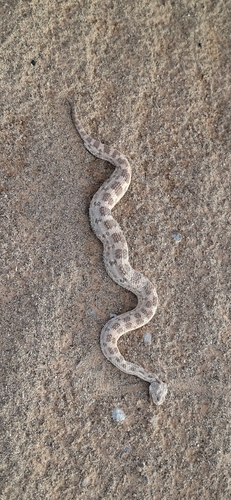
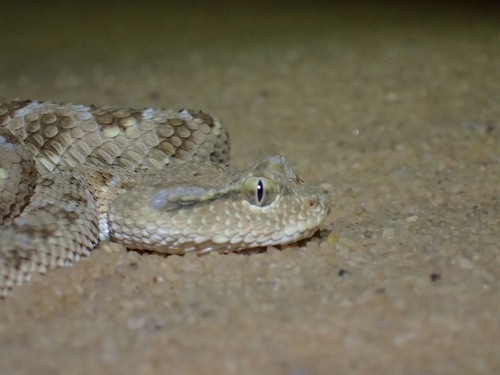
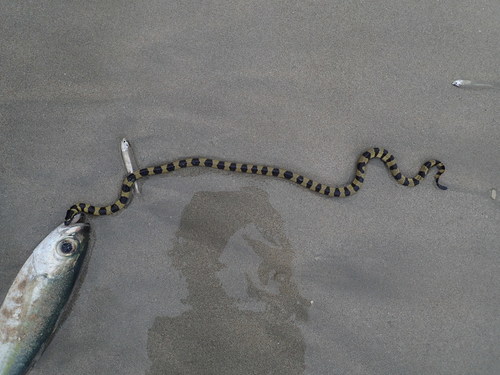
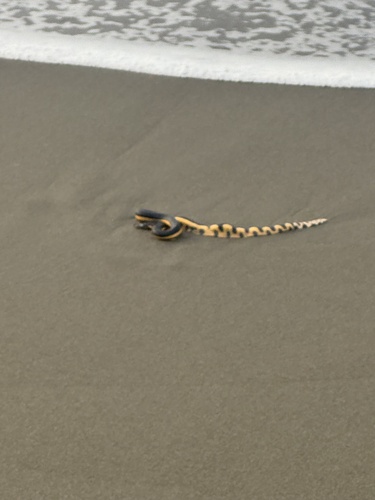
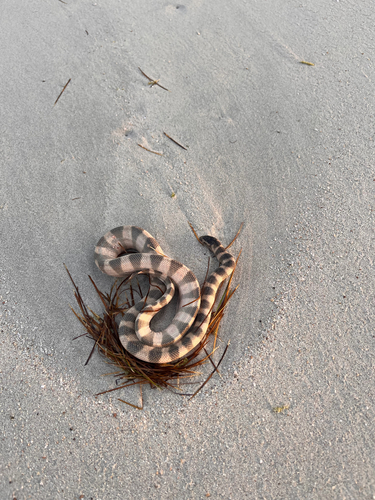
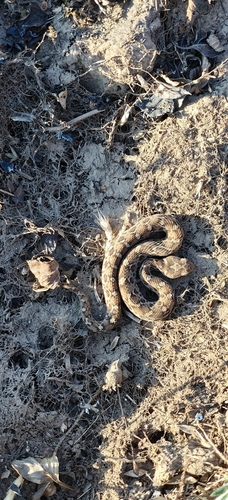
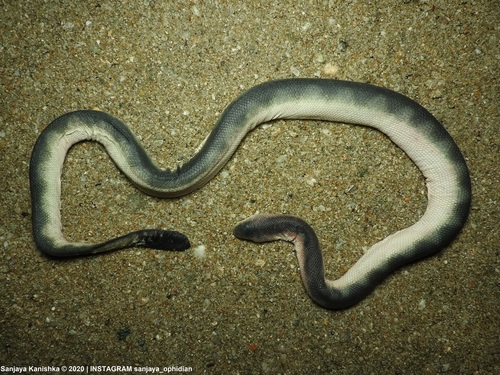
- Yes. 7 venomous snake species have verified records in Kuwait, including Desert Horned Viper, Arabian Horned Viper, Annulated Sea Snake, Yellow-bellied Sea Snake. Most snakes in Kuwait, however, are harmless.
- How many snake species live in Kuwait?
- 10+ snake species have verified records in Kuwait, of which 7 are venomous.
- What is the most commonly seen snake in Kuwait?
- The Glossy-bellied Racer is the most frequently reported snake in Kuwait, based on verified wildlife observations.
- What should I do if I see a venomous snake in Kuwait?
- Keep your distance and do not try to catch or kill it. Most bites happen when people handle or corner a snake. If someone is bitten, contact local emergency services or poison control immediately.
Venomous snakes in Kuwait
Every snake recorded in Kuwait
10+ species across 6 families, grouped by family. Venomous flagged.
Colubridae (5)
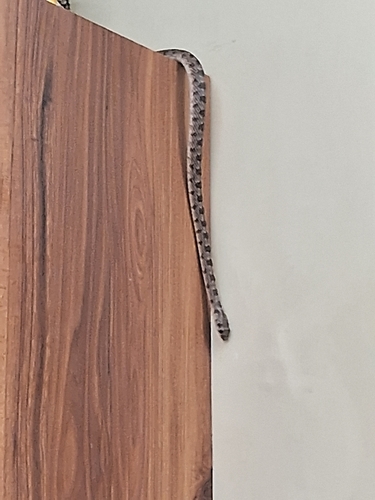
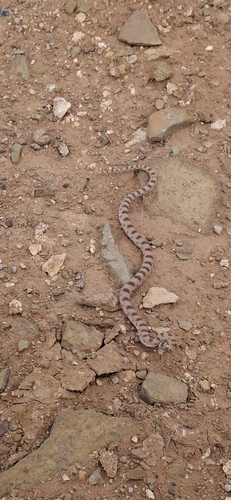
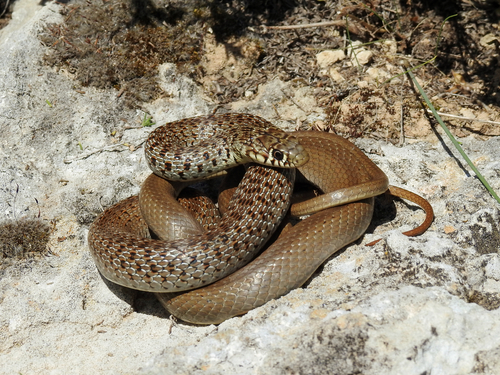
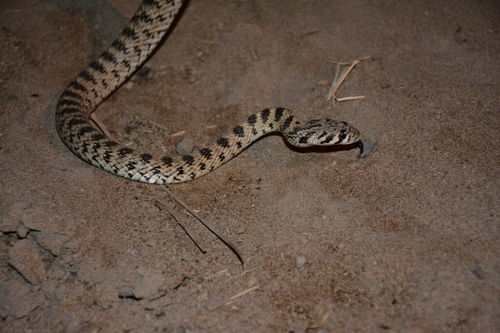
Elapidae (4)
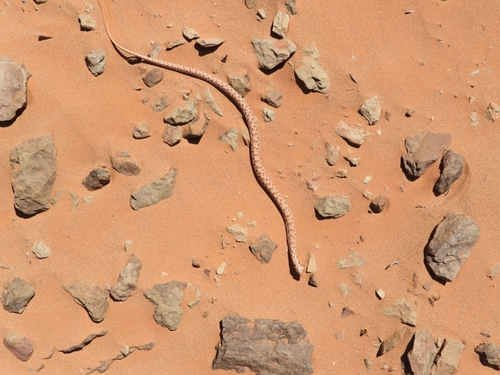
Viperidae (3)
Boidae (1)
Typhlopidae (1)
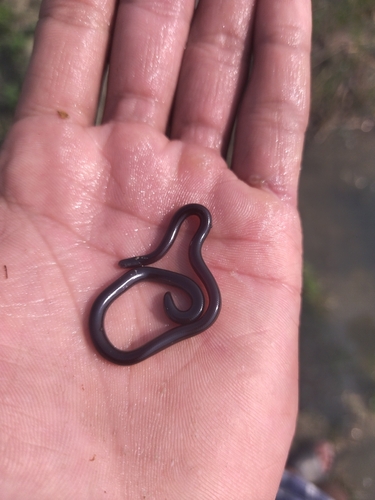
Compiled from verified GBIF & iNaturalist observations. "How often seen" reflects how frequently a snake is reported here, not how dangerous it is. Informational only.
Keep learning
- Are Snakes Dangerous? The Real Risk, in PerspectiveMost snakes are harmless and avoid people. Here is the honest picture of snakebite risk worldwide and how to lower your own.
- Snakebite First Aid: What to Do (and What Never to Do)A clear, CDC-based guide to snakebite first aid: the steps that help, the popular myths that hurt, and how to tell a serious bite from a minor one.
- Venomous vs Nonvenomous: How to Tell the DifferenceThe folk rules for telling venomous snakes apart, where each one fails, and why location-based identification beats guessing by sight.
- What to Do If You Find a SnakeFound a snake at home or on a trail? Here is how to stay calm, give it space, identify it safely, and know when to call a professional.