
Bahamas
Snakes in Bahamas
20+ snake species have been recorded in Bahamas, 2 venomous.
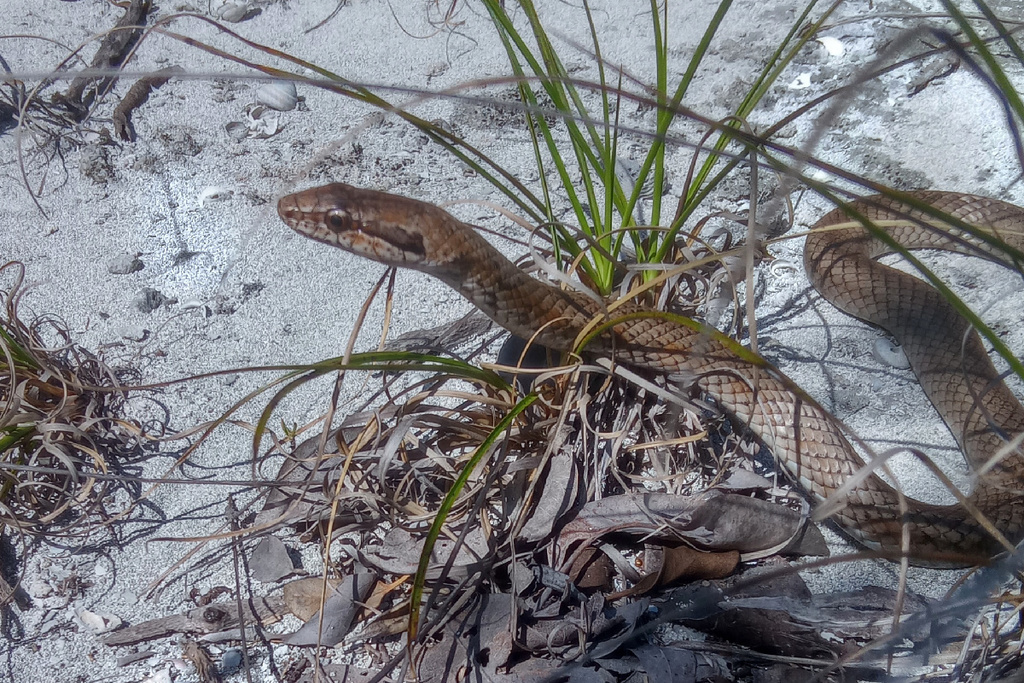
Snakes of Bahamas
The Bahamas has 20+ snake species recorded in our database, and only 2 of them are venomous. The great majority of species are non-venomous, which means most snakes a person encounters across these islands pose no lethal threat. The fauna is shaped by the country's nature as a low-lying archipelago of hundreds of islands and cays scattered across shallow banks, where snakes have radiated into a set of forms well suited to limestone terrain, coppice forest, and coastal scrub.
Geography is the main driver of this diversity. The Bahamas is not a single landmass but a chain of islands separated by deep water, and that isolation has produced distinct populations and several endemic forms. Pine forest on the northern islands, dry broadleaf coppice, rocky limestone outcrops, mangrove fringes, and sandy coastal flats each support different species. Smaller, drier cays tend to hold fewer snakes, while larger islands with more varied habitat carry the bulk of the country's snake life. This patchwork of island habitats is why the total species count is meaningful despite the modest land area.
True medically significant venomous snakes are essentially absent from the native Bahamian fauna. The islands have no native cobras, mambas, true vipers, pit vipers such as rattlesnakes, or terrestrial coral snakes. The venom-related risk that does exist in the wider region comes from sea snakes and a few rear-fanged colubrids whose mild venom is not considered dangerous to people. Because the dangerous land-snake groups found on the North American mainland and in parts of the tropics do not occur here, the practical envenomation threat on the islands is very low compared with most countries.
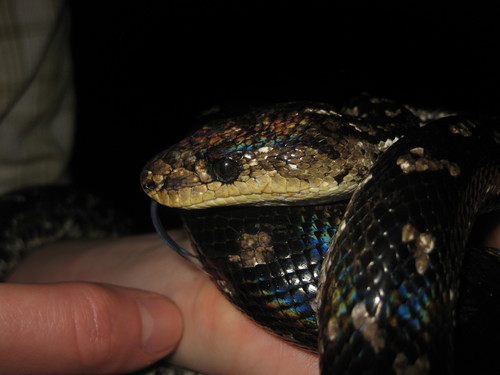
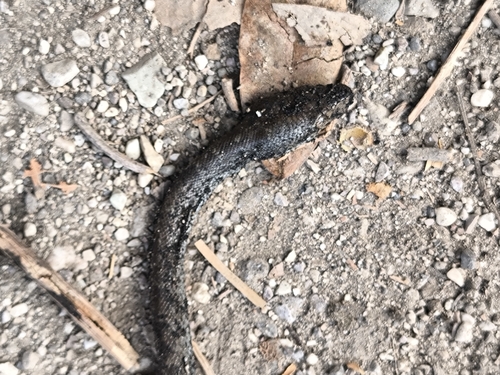
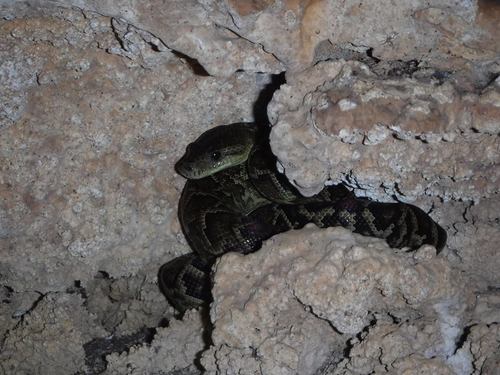
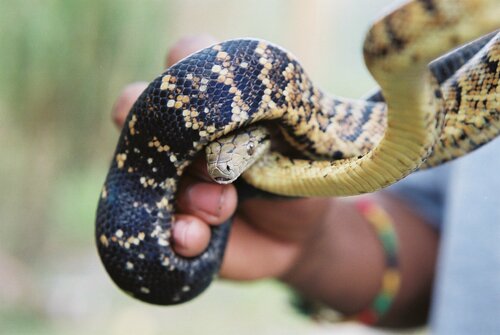
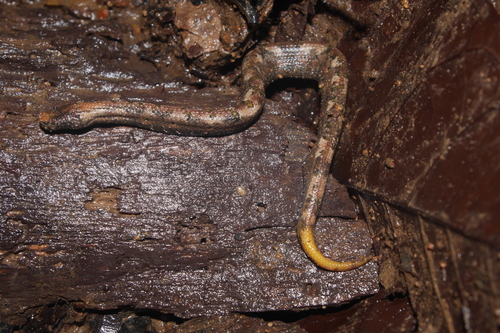
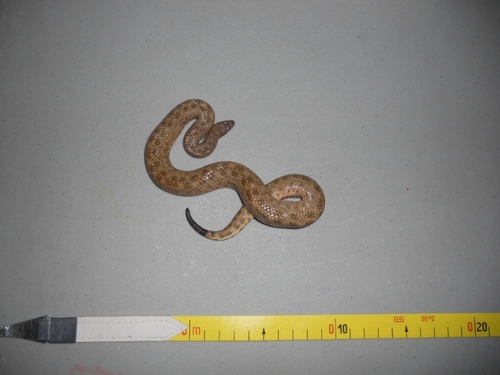
The non-venomous majority defines what snakes in the Bahamas actually are. Boas are the standout group, including the Bahama boa and related island boas, which are constrictors that kill prey by squeezing rather than by venom. These boas are among the most famous and ecologically important snakes in the country and are a focus of local conservation interest. Alongside the boas are smaller burrowing and ground-dwelling species, including blindsnakes and slender litter-dwelling snakes, that spend much of their lives hidden in soil, leaf litter, and limestone crevices. Together these harmless species make up the overwhelming share of the 26 recorded.
Snakes earn their place in Bahamian ecosystems through pest control. Boas and the smaller native snakes prey heavily on rodents, including rats and mice that damage crops, raid stored food, and carry disease. Burrowing species help regulate insect and invertebrate populations in the soil. By keeping these prey numbers in check, snakes provide a natural service that reduces reliance on poisons and protects both agriculture and homes. Removing snakes from an area often leads to larger rodent problems, which is one reason their conservation matters beyond the species themselves.
On safety, the honest picture is reassuring: the large majority of Bahamian snakes are harmless, and the islands lack the dangerous native land-snake groups that drive serious envenomations elsewhere. The main caution is to treat any snake, including the large boas, with respect and to never handle a wild snake, because even non-venomous snakes can bite and stress easily. No wild snake should be considered safe to pick up. If a person is bitten and there is any concern, the correct response is to seek professional medical care; antivenom and hospital treatment, where needed, are managed by medical professionals. In the United States, Poison Control can be reached at 1-800-222-1222, and in the Bahamas a bite warranting concern should be taken to local emergency services.
Snakes in Bahamas: FAQ
- Are there venomous snakes in Bahamas?
- Yes. 2 venomous snake species have verified records in Bahamas, including Eastern Coralsnake, Central American Coralsnake. Most snakes in Bahamas, however, are harmless.
- How many snake species live in Bahamas?
- 20+ snake species have verified records in Bahamas, of which 2 are venomous.
- What is the most commonly seen snake in Bahamas?
- The Bahamian Racer is the most frequently reported snake in Bahamas, based on verified wildlife observations.
- What should I do if I see a venomous snake in Bahamas?
- Keep your distance and do not try to catch or kill it. Most bites happen when people handle or corner a snake. If someone is bitten, contact local emergency services or poison control immediately.
Venomous snakes in Bahamas
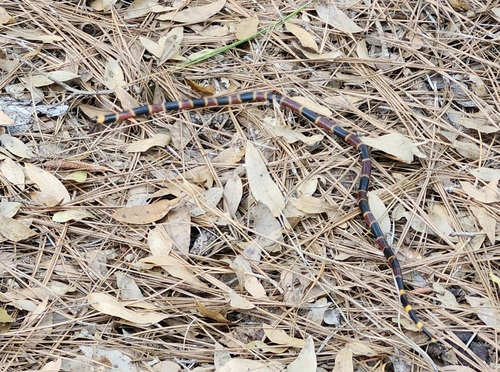 Eastern CoralsnakeMicrurus fulviusVenomous
Rings of red, yellow, and black where red touches yellow; small rounded head and round pupils.
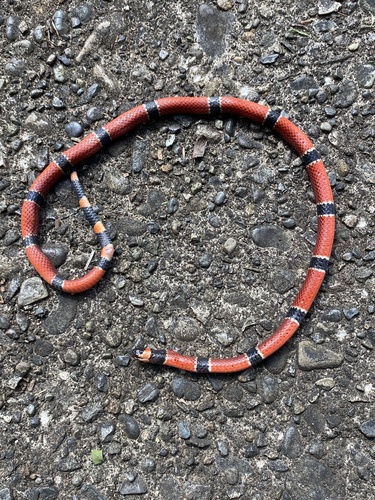 Central American CoralsnakeMicrurus nigrocinctusVenomous
Rings of red, yellow, and black where red touches yellow; small rounded head and round pupils.
Every snake recorded in Bahamas
20+ species across 6 families, grouped by family. Venomous flagged.
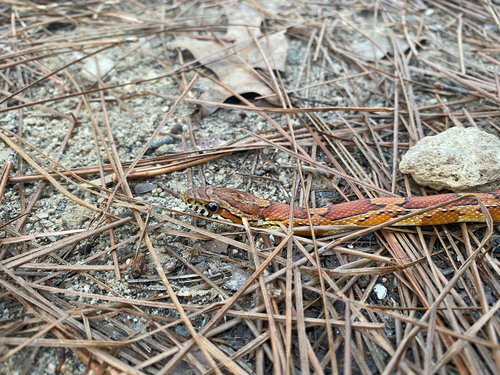
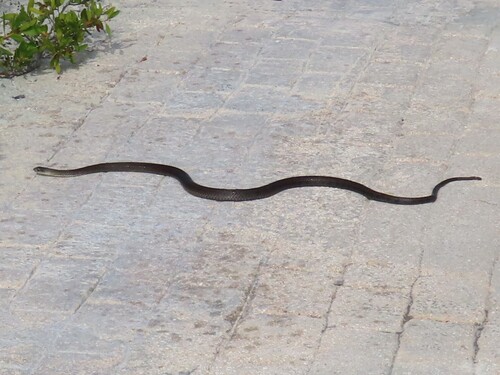
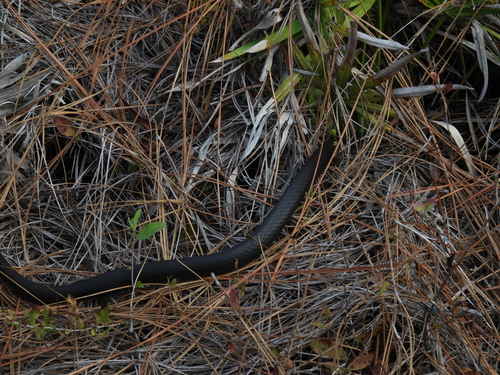
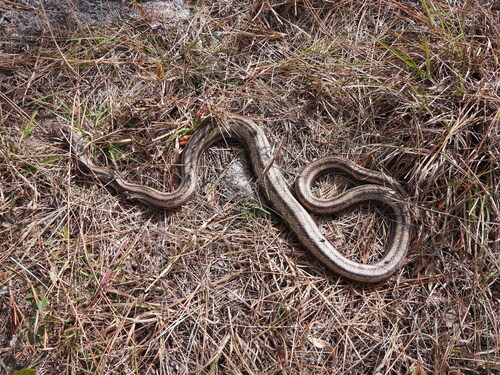
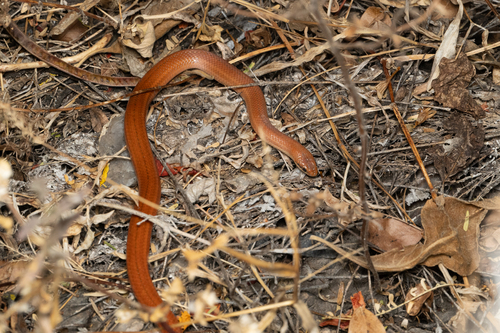
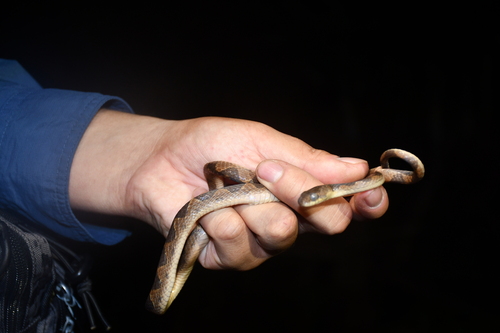
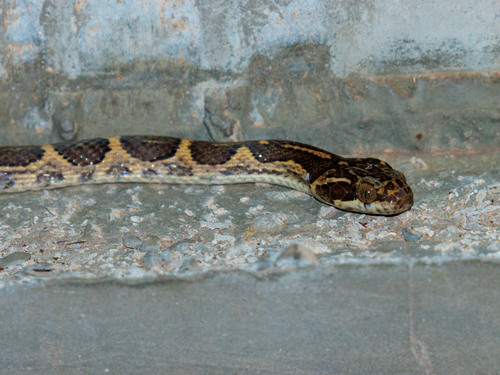
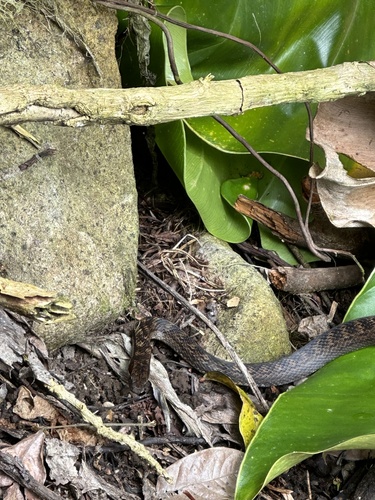
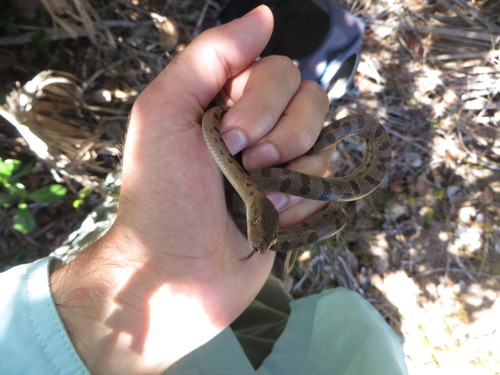
Colubridae (9)
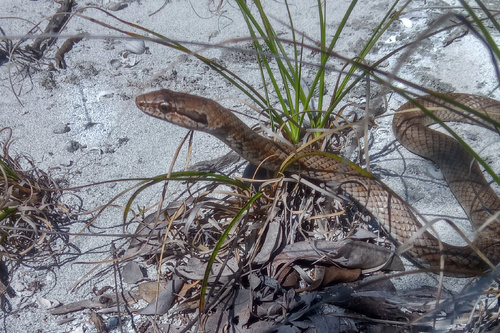
Boidae (6)
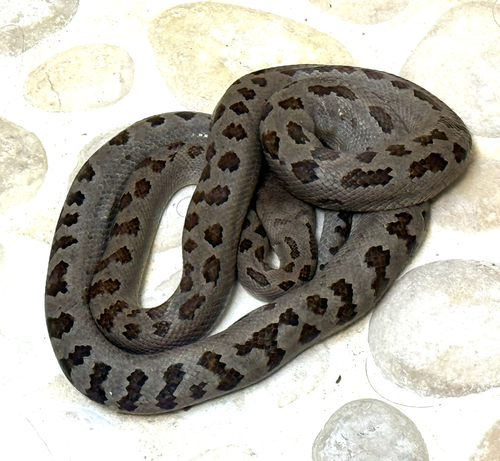
Tropidophiidae (4)

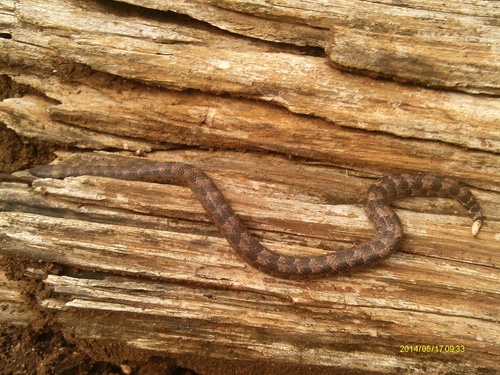
Typhlopidae (3)
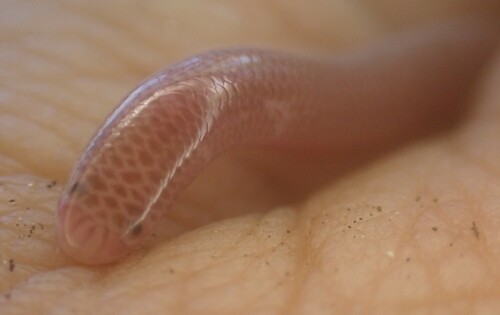
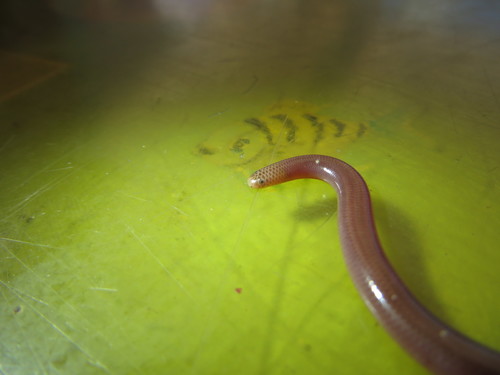
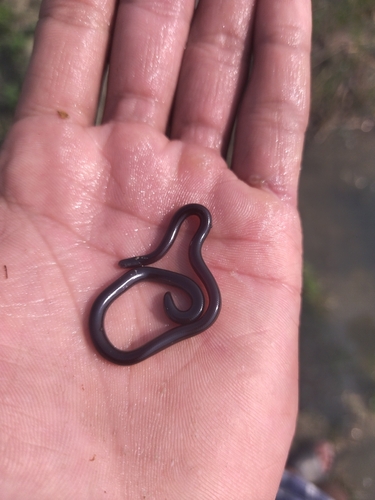
Leptotyphlopidae (2)
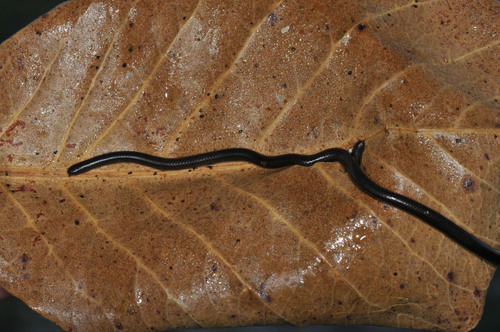
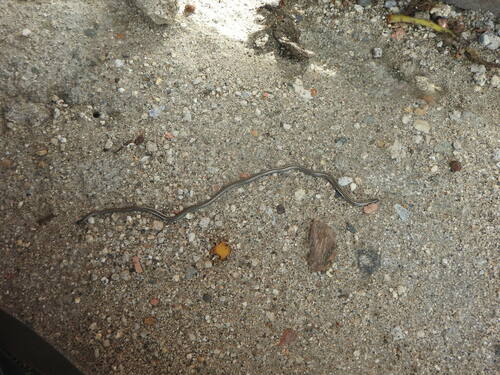
Compiled from verified GBIF & iNaturalist observations. "How often seen" reflects how frequently a snake is reported here, not how dangerous it is. Informational only.
Keep learning
- Are Snakes Dangerous? The Real Risk, in PerspectiveMost snakes are harmless and avoid people. Here is the honest picture of snakebite risk worldwide and how to lower your own.
- Snakebite First Aid: What to Do (and What Never to Do)A clear, CDC-based guide to snakebite first aid: the steps that help, the popular myths that hurt, and how to tell a serious bite from a minor one.
- Venomous vs Nonvenomous: How to Tell the DifferenceThe folk rules for telling venomous snakes apart, where each one fails, and why location-based identification beats guessing by sight.
- What to Do If You Find a SnakeFound a snake at home or on a trail? Here is how to stay calm, give it space, identify it safely, and know when to call a professional.