
Genus · Colubridae
Types of swampsnakes
3 species make up the genus Liodytes, the snakes commonly called swampsnakes. None are considered dangerous to humans.
About swampsnakes
Liodytes are small, secretive water snakes of the southeastern United States that spend their lives hidden in marshes, swamps, and roadside ditches.
Liodytes is a genus of semiaquatic snakes in the family Colubridae, within the natricine group that also includes the North American water snakes and garter snakes. The genus is small and tightly defined. The three species in our database are the Glossy Swampsnake, the Striped Swampsnake, and the Black Swampsnake. Several of these species were historically placed in the genera Regina or Seminatrix before being grouped together here, which is why older field guides may list them under different names.
These snakes are restricted to the southeastern United States, concentrated across the coastal plain from roughly Virginia and the Carolinas south through Florida and west along the Gulf toward Texas. They are wetland specialists. Look for them in cypress swamps, marshes, wet prairies, the edges of lakes and ponds, drainage canals, and slow vegetated waterways. They are highly aquatic and rarely stray far from water, which is part of why they go unnoticed by most people who live alongside them.
Members of the genus are generally small and slender, often under two feet long, with smooth or only weakly keeled scales that can give the body a glossy sheen. Color tends toward dark browns, olive, or near-black on top, sometimes with faint stripes or a plainer pattern, and the belly is often lighter or marked. They are easy to confuse at a glance with the larger, heavier water snakes of the genus Nerodia, but Liodytes are smaller, more secretive, and more strongly tied to dense aquatic vegetation. Because field identification of small dark water snakes is genuinely difficult, treat any unconfirmed snake as one to observe rather than handle.
Liodytes are non-venomous and harmless to people. They are not front-fanged venomous snakes and pose no medical threat through a bite. Like many natricine snakes, a cornered individual may flatten, musk, or nip in self defense, but there is no venom of concern to humans. That said, no wild snake should be picked up casually, and a small dark swampsnake can be mistaken for a young cottonmouth, which is a dangerous venomous species that shares the same wetland habitat. If you cannot positively identify a snake, leave it alone. If a bite from a snake you cannot identify occurs, or if envenomation is suspected, seek emergency care immediately and contact US Poison Control at 1-800-222-1222 or local emergency services.
Ecologically, swampsnakes are specialized feeders. Depending on the species they prey heavily on soft aquatic animals such as crayfish, small fish, amphibians, and worms, which suits their wetland lifestyle. They are mostly nocturnal or active at dusk and during warm wet weather, when they move through flooded vegetation to hunt. Like other natricine snakes, members of this genus give live birth rather than laying eggs, producing small litters of young. They are secretive, non-aggressive, and an unobtrusive part of healthy southeastern wetland ecosystems.
Liodytes belongs to the Colubridae family (Colubrids). The largest snake family, and the one most snakes you meet belong to. Typically round pupils, a head only slightly wider than the neck, and no heat-sensing facial pit or rattle. Scales may be smooth and glossy or keeled and matte depending on the species.
Danger: Almost all colubrids are harmless. A small number are rear-fanged with medically significant venom, the boomslang and the twig (vine) snakes of Africa being the dangerous exceptions. Most colubrids will flee or bluff rather than bite.
All species (3)
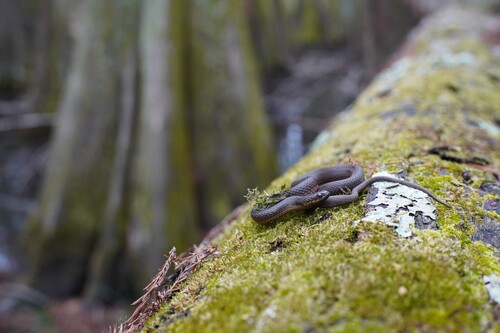
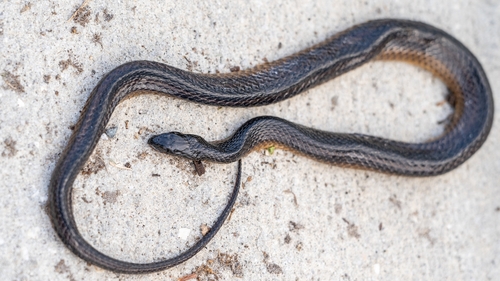
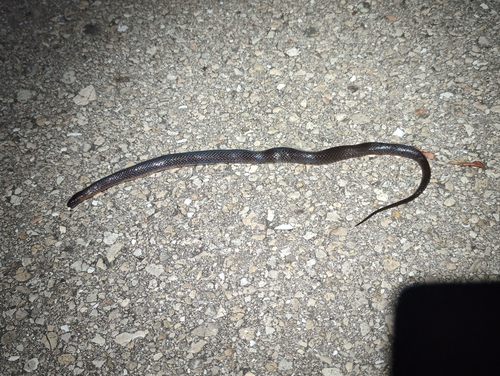
Keep learning
- What Is a Snake? Anatomy and the BasicsA clear overview of what makes a snake a snake: limbless body plan, anatomy, evolution from lizards, species diversity, and why they are ectothermic.
- How Snakes Move, Hunt, and EatHow snakes move without legs, hunt as ambushers or active foragers, kill by constriction or venom, and swallow prey wider than their head.
- What Do Snakes Eat?All snakes are carnivores. Learn what snakes eat, how diet changes with size and age, how often they feed, and how they hunt and swallow prey.
- Venomous vs Nonvenomous: How to Tell the DifferenceThe folk rules for telling venomous snakes apart, where each one fails, and why location-based identification beats guessing by sight.