
Genus · Elapidae
Hoplocephalus
3 species make up the genus Hoplocephalus. All of them are venomous.
About broad-headed snakes
A small group of slender, tree-loving Australian elapids with distinctively broad, flattened heads and dangerous venom.
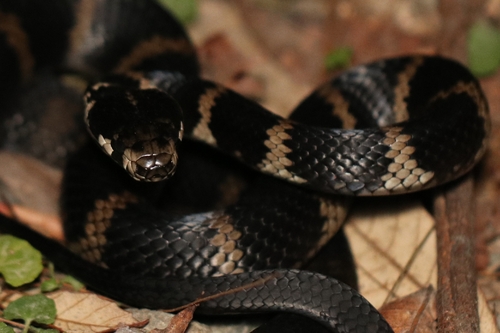
Hoplocephalus is a genus of venomous snakes in the family Elapidae, the same front-fanged family that includes cobras, taipans, brown snakes, and sea snakes. The genus is endemic to eastern Australia and contains only three species, all of which share a notably broad, angular head that is clearly set off from a narrow neck. That broad-headed look, unusual among Australian elapids, is the feature that gives the group its common name.
These are relatively small and slender snakes compared with the large, ground-hunting elapids Australia is famous for. They are strongly associated with rocky outcrops, escarpments, and timbered country, and they are more arboreal and rock-dwelling than most of their relatives. Members shelter in rock crevices, under exfoliating slabs of sandstone, and beneath bark on standing trees, which ties their survival closely to intact rocky and forested habitat.
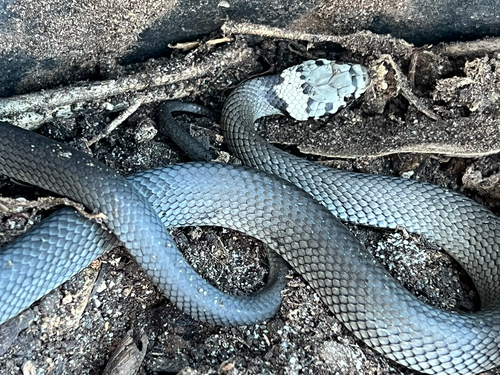
In general terms you recognize a Hoplocephalus by the wide, flat, somewhat triangular head on a thin body, combined with a habit of climbing and hiding in rock or bark. Color and pattern vary by species, from dark banding to paler, more uniform tones, so the broad head and the slender build are more reliable group cues than color alone. Because several harmless and several dangerous Australian snakes can look superficially similar, field identification should never be the basis for handling.
Like other elapids, these snakes have fixed front fangs and venom that acts on the body in serious ways. Hoplocephalus species are considered medically significant, and a bite is a genuine emergency. Do not attempt to catch, handle, or kill one. If anyone is bitten, treat it as a medical emergency: keep the person calm and still and seek professional care immediately through local emergency services, or in the United States contact Poison Control at 1-800-222-1222.
Ecologically, these snakes are mostly nocturnal ambush predators that feed on small vertebrates such as lizards, geckos, frogs, and small mammals, with diet shifting as the snake grows. Unlike many egg-laying snakes, members of this genus give birth to live young, an adaptation suited to cooler, rocky environments. Several species have declined due to habitat loss and the illegal removal of the loose rock slabs they depend on for shelter, which makes them a conservation concern as well as a snake to leave undisturbed.
Hoplocephalus belongs to the Elapidae family (Cobras, mambas, coral & sea snakes). Front-fanged venomous snakes, many with potent neurotoxic venom. Usually slender with a head barely wider than the neck and fixed front fangs (not the folding fangs of vipers). Coral snakes are boldly ringed; sea snakes have a flattened, paddle-like tail.
Danger: All elapids are venomous and the family is responsible for a large share of fatal snakebites worldwide. Many are shy, but bites can be life-threatening. Treat any bite as a medical emergency.
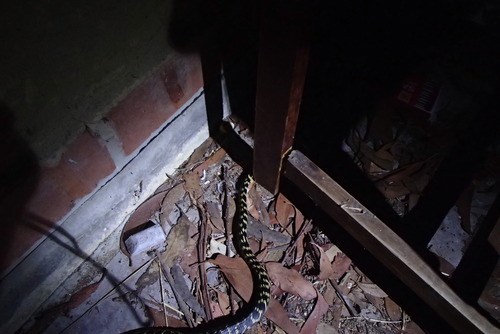
All species (3)
Keep learning
- Venomous vs Nonvenomous: How to Tell the DifferenceThe folk rules for telling venomous snakes apart, where each one fails, and why location-based identification beats guessing by sight.
- Are Snakes Dangerous? The Real Risk, in PerspectiveMost snakes are harmless and avoid people. Here is the honest picture of snakebite risk worldwide and how to lower your own.
- Snake Venom Explained: How It Works and WhyWhat snake venom actually is, why it evolved, the main venom types, fang delivery, how antivenom works, and why ranking the most venomous snake is hard.
- How Snakes Move, Hunt, and EatHow snakes move without legs, hunt as ambushers or active foragers, kill by constriction or venom, and swallow prey wider than their head.