
Genus · Colubridae
Types of wolf snakes
50+ species make up the genus Lycodon, the snakes commonly called wolf snakes. None are considered dangerous to humans.
About wolf snakes
Wolf snakes are small, secretive colubrids of Asia named for the enlarged front teeth that let them grip lizards in the dark.
Lycodon is a genus of nonvenomous to mildly rear-fanged snakes in the family Colubridae, the largest and most diverse snake family. The common name wolf snake comes from the enlarged, fang-like teeth set at the front of the upper jaw, which are not venom-delivering fangs but gripping teeth suited to holding hard-bodied, scale-covered prey. With 50+ species in our database, Lycodon is a broad and actively studied group that has been repeatedly revised as new species are described and old ones reassigned.
The genus is centered on Asia, ranging across South Asia, Southeast Asia, southern China, and parts of Central Asia, with species reaching island chains such as the Philippines and Indonesia. Most wolf snakes are creatures of the ground and low cover. They turn up in forests, scrub, farmland, and very often around human settlements, where they shelter under rocks, logs, leaf litter, debris, and inside wall crevices. This tolerance for disturbed and built environments means people encounter them frequently near homes.
Wolf snakes are typically small and slender, often well under a meter in length, with a head that is flattened and only slightly wider than the neck, an arrangement that helps them push into tight crevices. Many species are banded, ringed, or speckled in browns, blacks, whites, or reds, and several are notable mimics of more dangerous snakes. The Common Wolf Snake, for example, is often confused with the highly venomous common krait, and that resemblance is the single most important reason to treat any unidentified banded snake with caution rather than handling it.
On venom and safety, wolf snakes are generally regarded as harmless to humans. They are not front-fanged venomous snakes, and any rear-fang or saliva effects are negligible to people. A bite, if one occurs, is minor. The real risk is misidentification: because some Lycodon species closely resemble kraits and other dangerous snakes, you should never assume a banded snake is a harmless wolf snake. Do not handle a wild snake you cannot positively identify. If anyone is bitten and there is any doubt about the species, treat it as a medical emergency and call US Poison Control at 1-800-222-1222 or your local emergency services.
Ecologically, wolf snakes are mostly nocturnal hunters that feed heavily on lizards, especially geckos and skinks, along with small frogs and occasionally other small vertebrates. Those enlarged front teeth are the tool for seizing smooth, hard-scaled lizard prey. Like the great majority of colubrids, Lycodon species are egg-layers, producing small clutches. They are generally non-aggressive and rely on hiding, fleeing, and mimicry rather than confrontation, which is why they persist quietly in and around human-occupied landscapes.
Lycodon belongs to the Colubridae family (Colubrids). The largest snake family, and the one most snakes you meet belong to. Typically round pupils, a head only slightly wider than the neck, and no heat-sensing facial pit or rattle. Scales may be smooth and glossy or keeled and matte depending on the species.
Danger: Almost all colubrids are harmless. A small number are rear-fanged with medically significant venom, the boomslang and the twig (vine) snakes of Africa being the dangerous exceptions. Most colubrids will flee or bluff rather than bite.
All species (61)
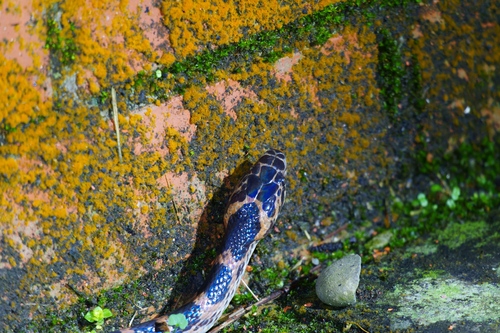 Red-banded SnakeLycodon rufozonatusHarmless
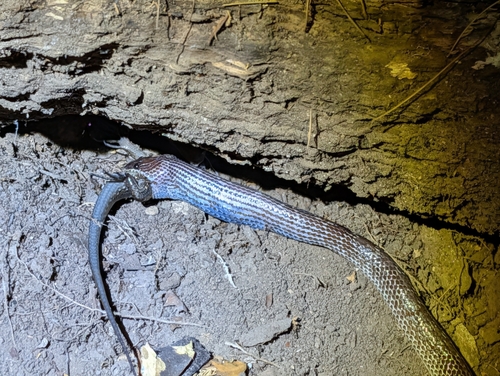 Common Wolf SnakeLycodon capucinusHarmless
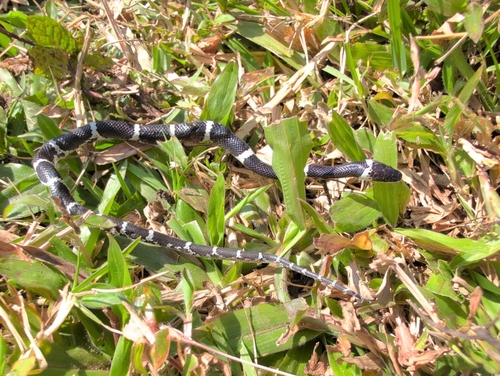 Indian Wolf SnakeLycodon aulicusHarmless
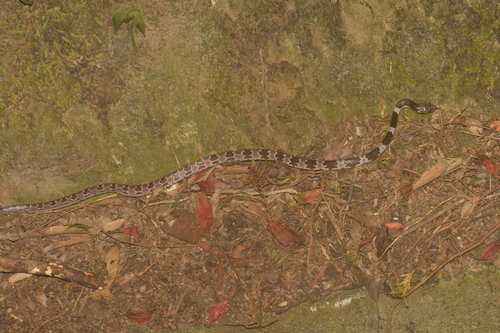 Formosa Wolf SnakeLycodon ruhstratiHarmless
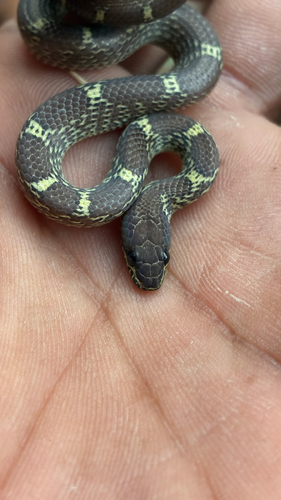 Russell's Wolf SnakeLycodon fasciolatusHarmless
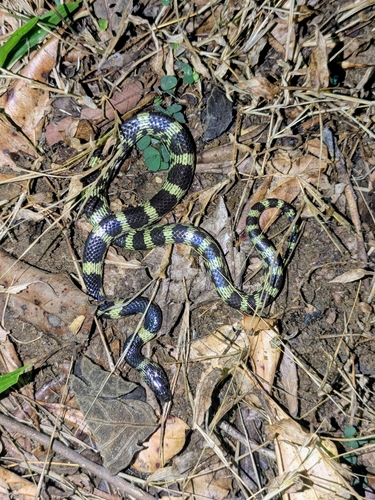 Travancore Wolf SnakeLycodon travancoricusHarmless
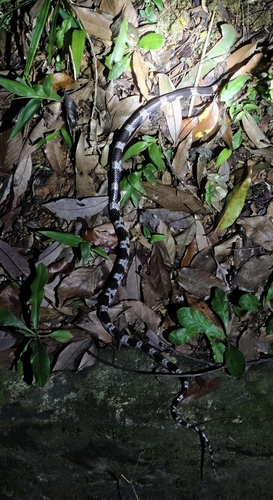 Futsing Wolf SnakeLycodon futsingensisHarmless
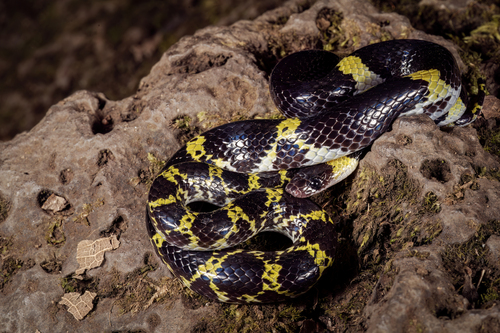 Laotian Wolf SnakeLycodon laoensisHarmless
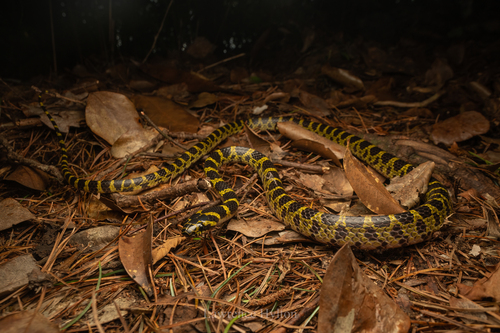 Big-tooth SnakeLycodon flavozonatusHarmless
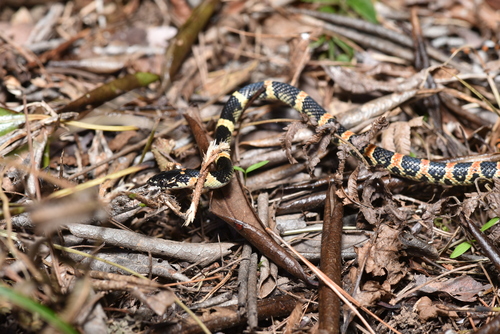 Loo-Choo Big-tooth SnakeLycodon semicarinatusHarmless
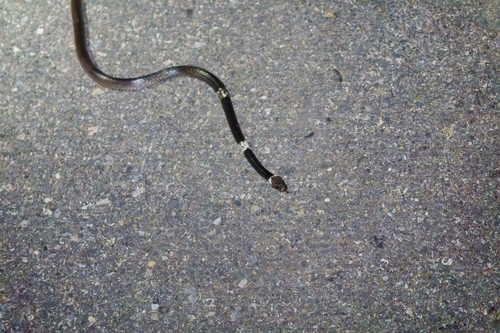 Malayan Banded Wolf SnakeLycodon subcinctusHarmless
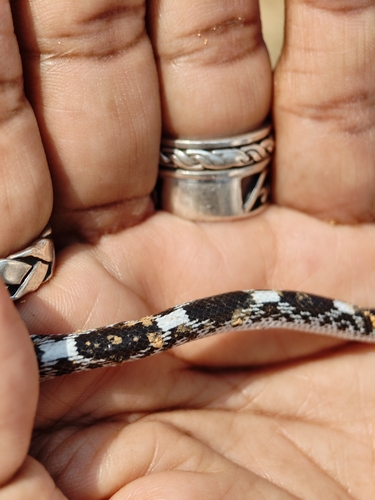 Barred Wolf SnakeLycodon striatusHarmless
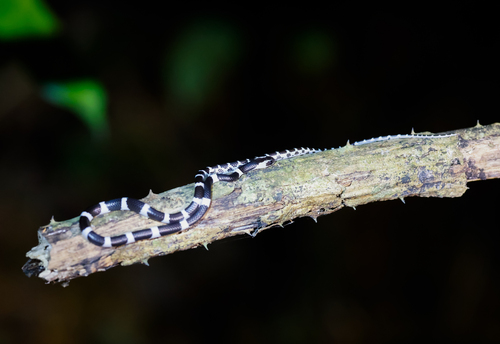 Blanford's Bridle SnakeLycodon davisoniiHarmless
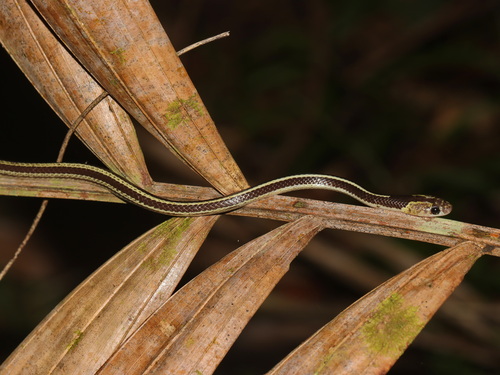 Malayan Bridal SnakeLycodon subannulatusHarmless
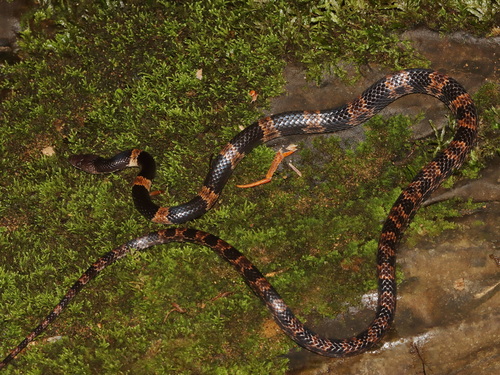 Banded Wolf SnakeLycodon fasciatusHarmless
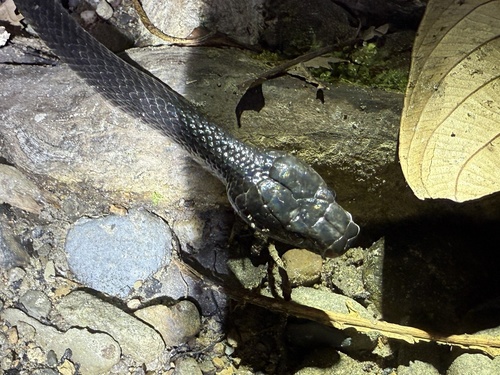 Dark Wolf SnakeLycodon albofuscusHarmless
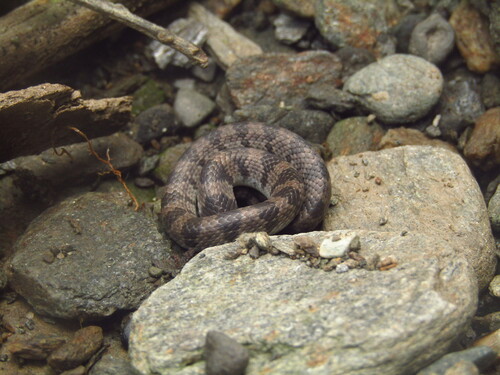 Oriental Odd-tooth SnakeLycodon orientalisHarmless
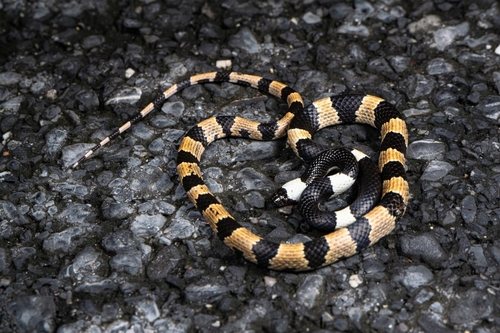 Sichuan Wolf SnakeLycodon liuchengchaoiHarmless
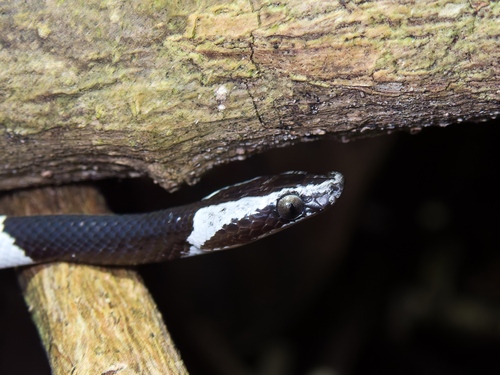 Scarce Wolf SnakeLycodon effraenisHarmless
 Vietnamese Big-toothed Wolf SnakeLycodon meridionalisHarmless
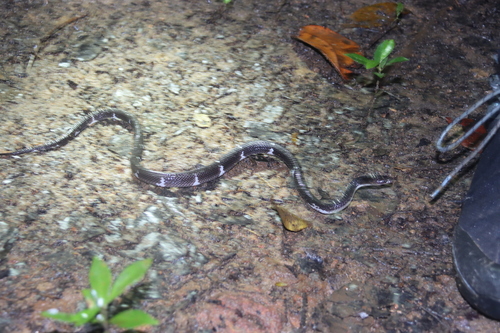 Ceylon Wolf SnakeLycodon carinatusHarmless
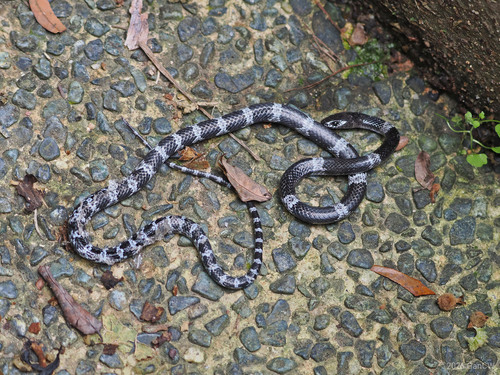 Butler's Wolf SnakeLycodon butleriHarmless
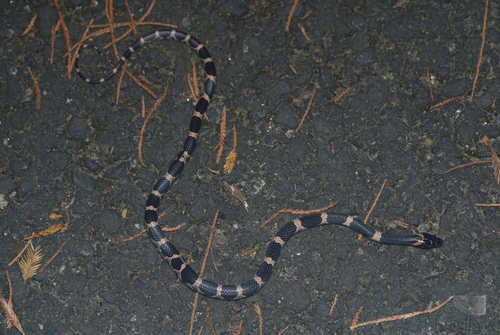 Rose Big-tooth SnakeLycodon rosozonatusHarmless
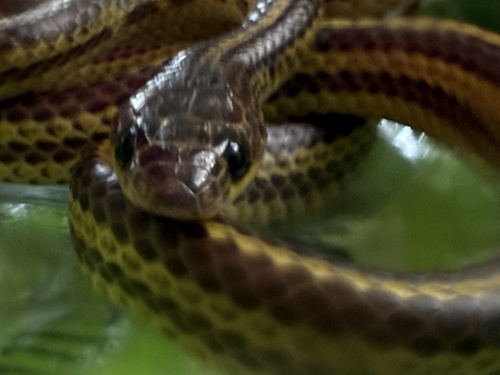 Striped Dwarf TreesnakeLycodon tristrigatusHarmless
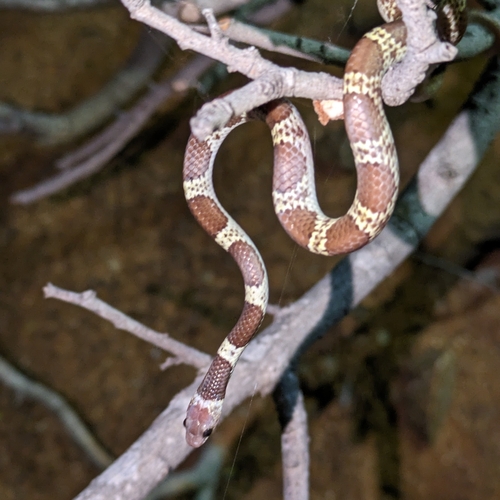 Vellore Bridal SnakeLycodon nymphaHarmless
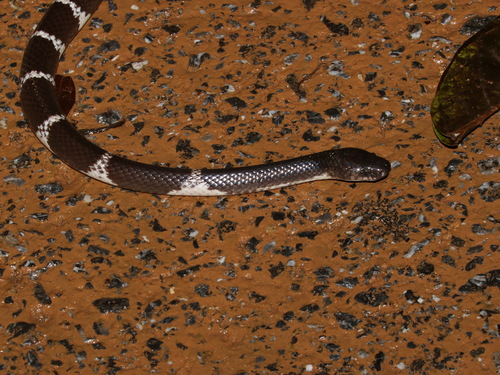 Namdong Wolf SnakeLycodon chapaensisHarmless
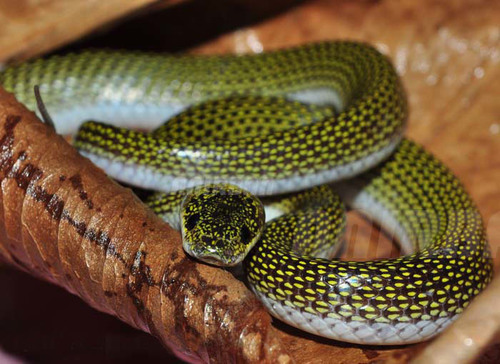 Yellow-speckled WolfsnakeLycodon jaraHarmless
 Andaman Wolf SnakeLycodon hypsirhinoidesHarmless
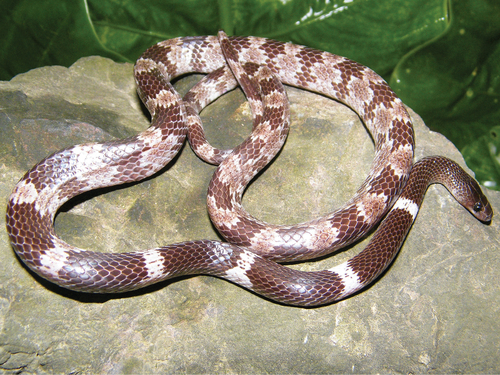 Painted Wolf SnakeLycodon pictusHarmless
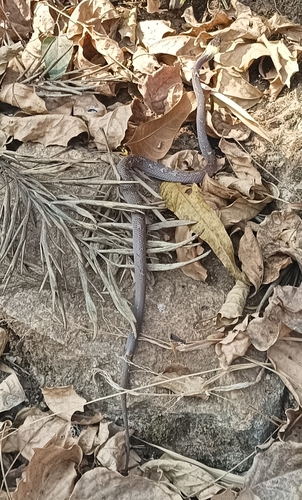 Yellow-collared Wolf SnakeLycodon flavicollisHarmless
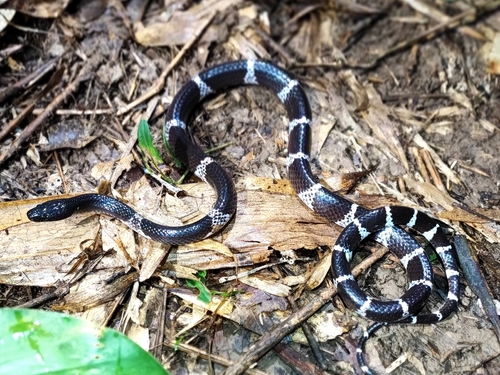 Truong’s wolf snakeLycodon truongiHarmless
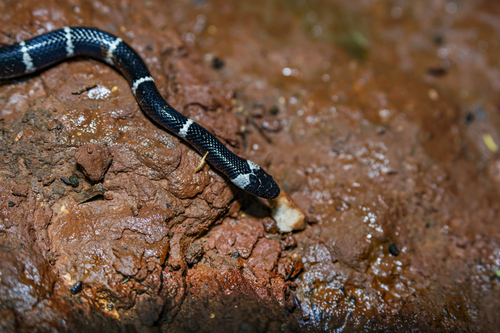 Boehme’s wolf SnakeLycodon synaptorHarmless
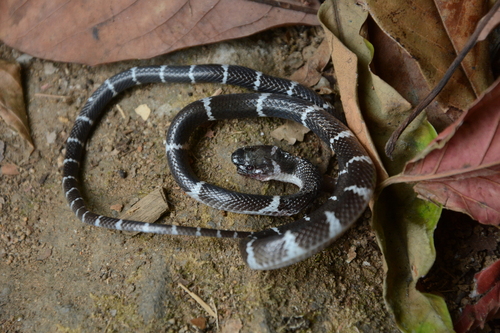 Northern Large-toothed SnakeLycodon septentrionalisHarmless
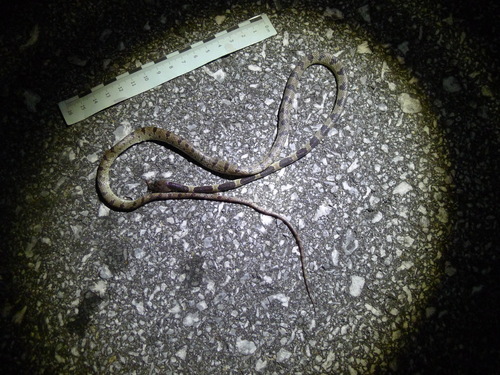 Ryukyu Mountain Wolf SnakeLycodon multifasciatusHarmless
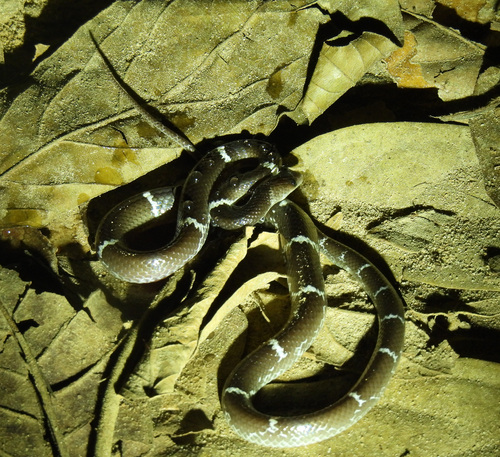 Zaw's Wolf SnakeLycodon zawiHarmless
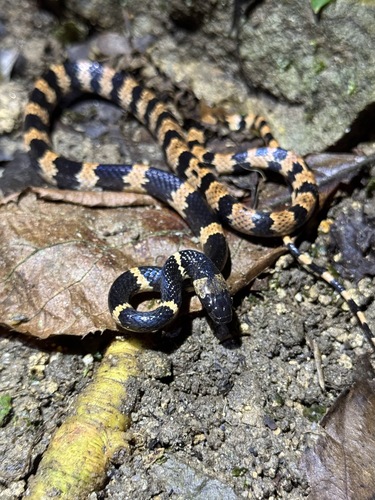 Gongshan Wolf SnakeLycodon gongshanHarmless
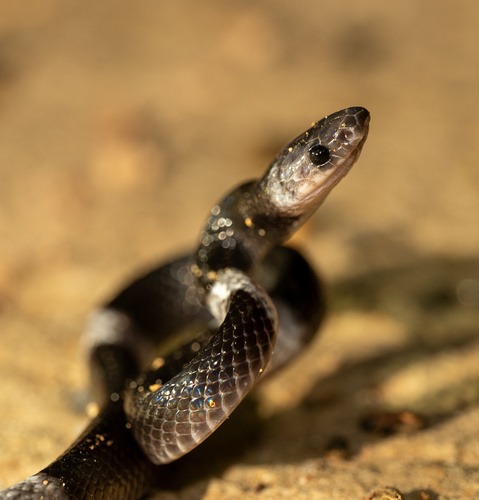 Palawan Wolf SnakeLycodon sealeiHarmless
 Huaping Wolf SnakeLycodon cathayaHarmless
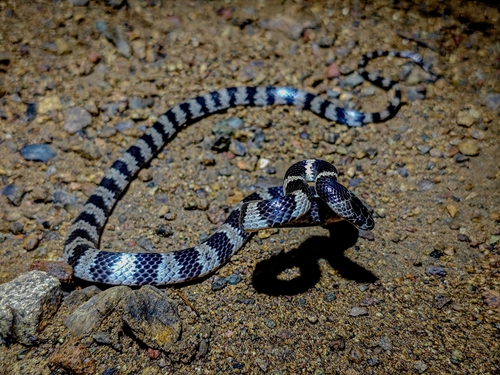 Panzhihua Wolf SnakeLycodon obvelatusHarmless
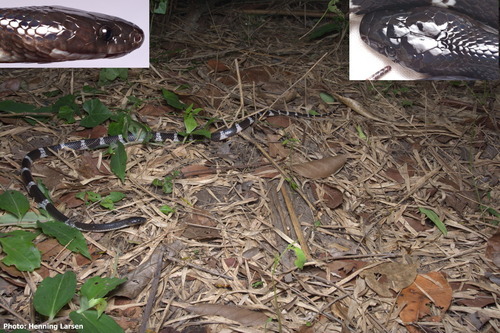 Snake-eater Wolf SnakeLycodon ophiophagusHarmless
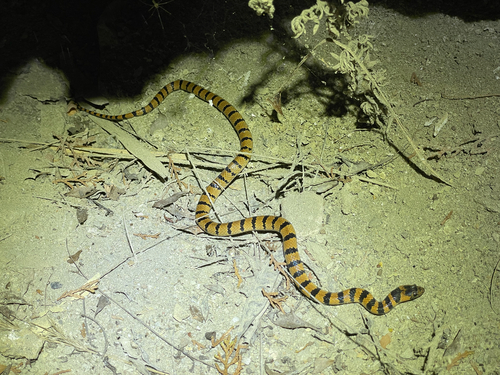 Luding Kukri SnakeLycodon multizonatusHarmless
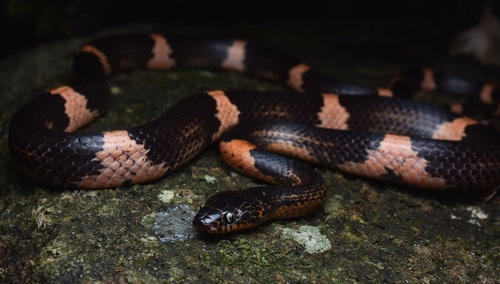 Rendahl's Wolf SnakeLycodon paucifasciatusHarmless
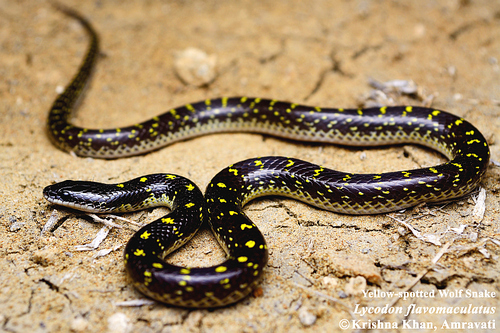 Yellow-spotted Wolf SnakeLycodon flavomaculatusHarmless
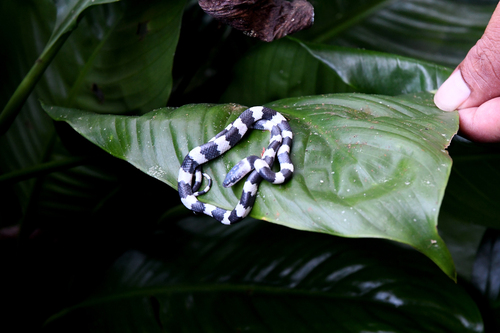 Duméril's Wolf SnakeLycodon dumeriliiHarmless
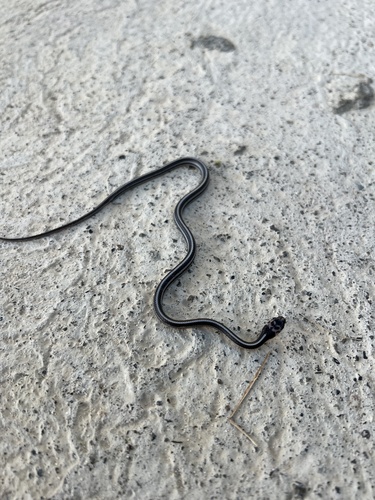 Philippine DryocalamusLycodon philippinusHarmless
 Deccan Wolf SnakeLycodon deccanensisHarmless
 Gammie's Wolf SnakeLycodon gammieiHarmless
 Muller's Wolf SnakeLycodon muelleriHarmless
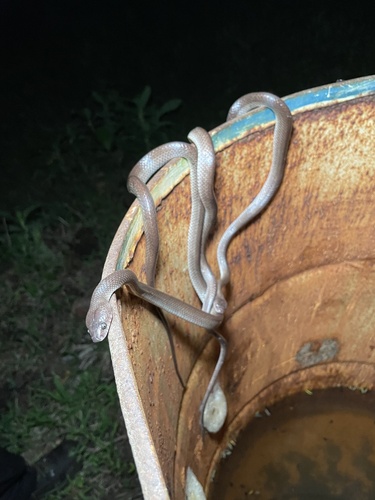 Alcala's Wolf SnakeLycodon alcalaiHarmless
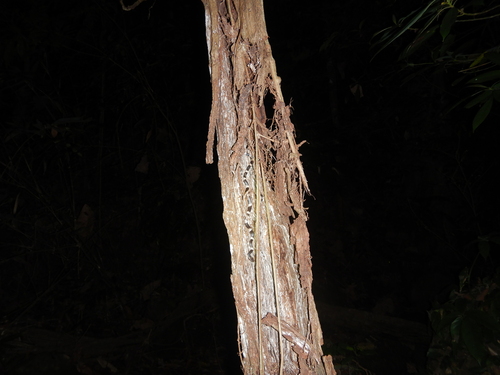 Gibson's wolf snakeLycodon gibsonaeHarmless
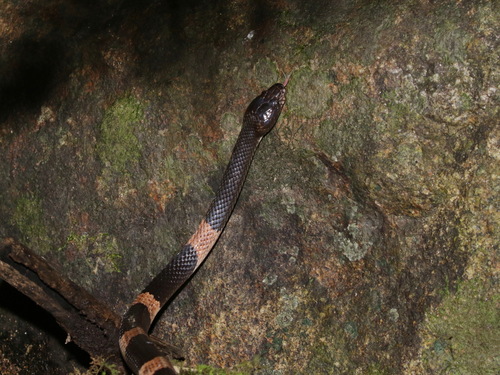 Cardamom Mountain Wolf SnakeLycodon cardamomensisHarmless
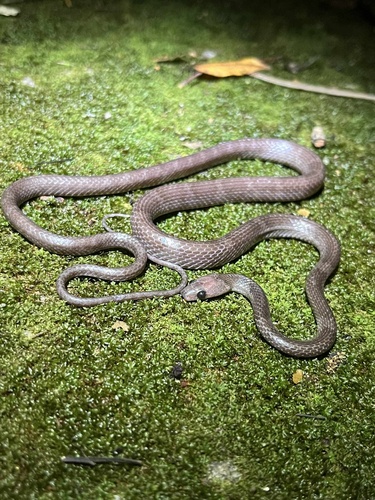 Gua Wang Burma Wolf SnakeLycodon cavernicolusHarmless
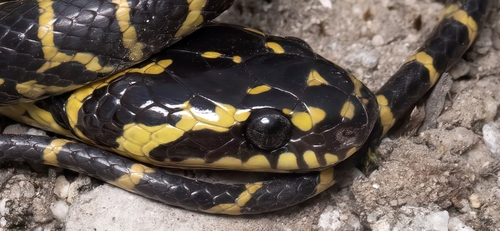 Zayu Wolf SnakeLycodon zayuensisHarmless
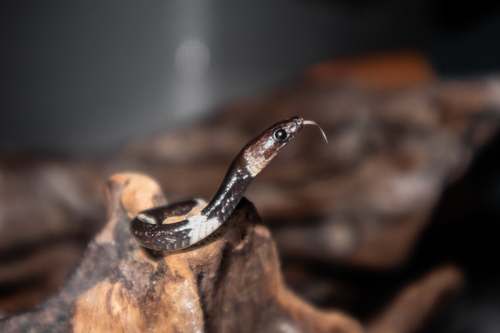 Sulawesi Wolf SnakeLycodon stormiHarmless
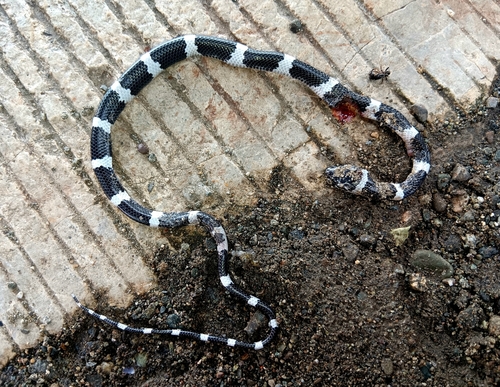 Common Wolf SnakeLycodon solivagusHarmless
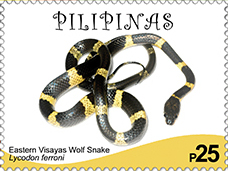 Samar Island Wolf SnakeLycodon ferroniHarmless
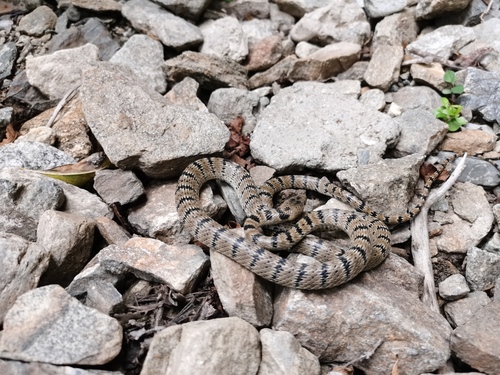 Serrate-banded Wolf SnakeLycodon serratusHarmless
- No photoPanay Wolf SnakeLycodon faustiHarmless
- No photoScarce Bridal SnakeLycodon gracilisHarmless
- No photoSri Lankan Bridle SnakeLycodon chithrasekaraiHarmless
- No photoTiwari's Wolf SnakeLycodon tiwariiHarmless
Keep learning
- What Is a Snake? Anatomy and the BasicsA clear overview of what makes a snake a snake: limbless body plan, anatomy, evolution from lizards, species diversity, and why they are ectothermic.
- How Snakes Move, Hunt, and EatHow snakes move without legs, hunt as ambushers or active foragers, kill by constriction or venom, and swallow prey wider than their head.
- What Do Snakes Eat?All snakes are carnivores. Learn what snakes eat, how diet changes with size and age, how often they feed, and how they hunt and swallow prey.
- Venomous vs Nonvenomous: How to Tell the DifferenceThe folk rules for telling venomous snakes apart, where each one fails, and why location-based identification beats guessing by sight.