
Genus · Viperidae
Types of lanceheads
40+ species make up the genus Bothrops, the snakes commonly called lanceheads. All of them are venomous.
About lanceheads
Bothrops, the lanceheads, are New World pit vipers named for the lance-shaped head that gives the group its identity. They are the genus behind the large majority of serious snakebites across Latin America.
Bothrops is a genus of pit vipers in the family Viperidae, found only in the New World. The name lancehead refers to the broad, pointed, lance-shaped head shared across the group. Like all pit vipers, they carry heat-sensing pits between the eye and nostril that let them detect warm-bodied prey. Our database lists 40+ species in the genus, and all 44 are venomous. Well-known members include the terciopelo and common lancehead (Bothrops asper), often called the fer-de-lance; the jararaca (Bothrops jararaca); and the golden lancehead (Bothrops insularis), found only on Ilha da Queimada Grande, Brazil's Snake Island, and nowhere else on Earth.
The genus ranges widely across Central and South America, from Mexico down through the Amazon basin and into Argentina, spanning rainforest, dry forest, and the farmland and forest edges where people live and work. This overlap with human activity is central to why Bothrops matters so much for public health. These snakes are the single most important cause of venomous snakebite in Latin America: Bothrops accounts for the large majority of serious and fatal bites in the region, more than any other genus.
Bothrops venom is potently hemotoxic. A bite can cause intense pain, rapid swelling, bleeding, and disruption of the blood's ability to clot, along with local tissue death (necrosis) around the bite site. Without prompt medical care, these effects can lead to lasting damage and, in serious cases, death. The standard treatment is antivenom administered at a hospital, and Latin American countries operate established antivenom programs precisely because Bothrops bites are so common and consequential.
Ecologically, lanceheads are ambush predators. They sit still and wait for prey rather than actively chasing it, and they are frequently found in agricultural areas and along forest edges. Many species give live birth rather than laying eggs. Because they hunt from the ground and are extremely well camouflaged in leaf litter, they are easy to step near without noticing, which is why farmworkers face the highest risk and why most bites land on the feet and lower legs.
A wild lancehead is never safe to handle, and no venomous snake should be approached or picked up regardless of how calm it looks. If a bite occurs, the only reliable response is to get the person to a hospital for professional care and antivenom as quickly as possible. Treatment is a medical matter handled by emergency services, not something to manage on your own.
Bothrops belongs to the Viperidae family (Vipers & pit vipers). Heavy-bodied venomous snakes with long, hinged, hollow fangs. Broad, triangular head distinct from a narrow neck, heavy body, and (usually) vertical, cat-like pupils. Pit vipers also have a heat-sensing pit; true vipers do not.
Danger: Every viper is venomous, and the family includes some of the world's most medically important snakes. Venom is typically hemotoxic, causing pain, swelling, tissue damage, and bleeding. Treat any viper bite as a medical emergency.
All species (44)
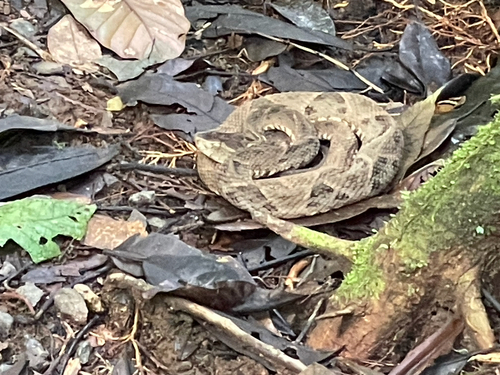 TerciopeloBothrops asperVenomous
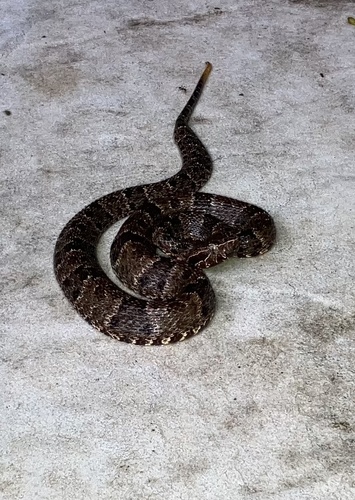 Common LanceheadBothrops atroxVenomous
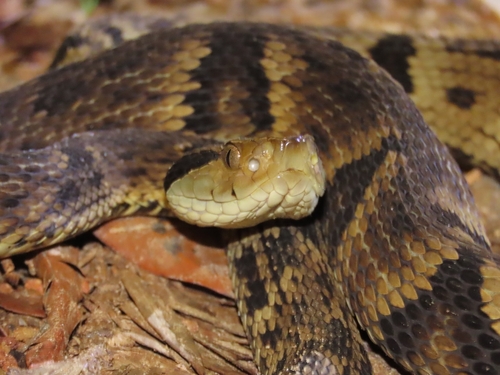 Yarará LanceheadBothrops jararacaVenomous
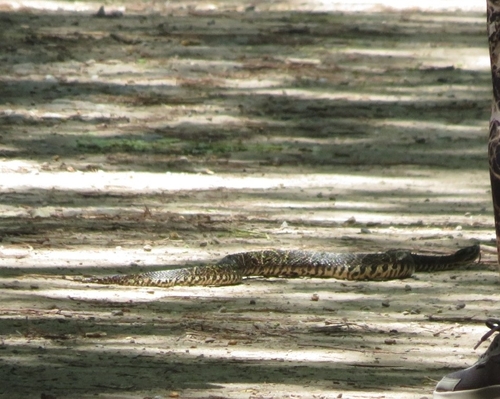 Urutu LanceheadBothrops alternatusVenomous
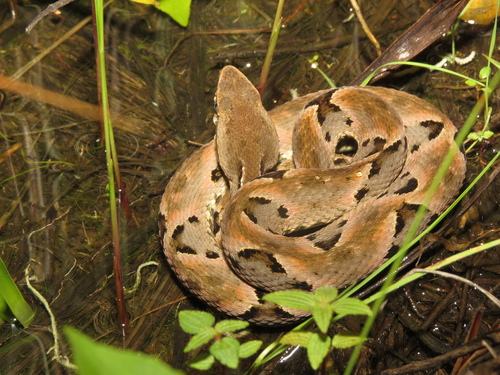 Brazilian LanceheadBothrops moojeniVenomous
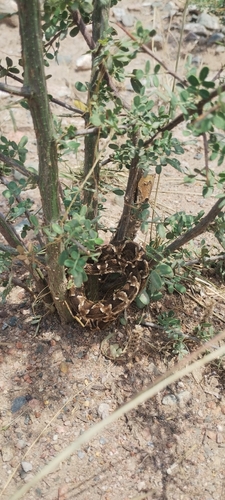 Painted LanceheadBothrops diporusVenomous
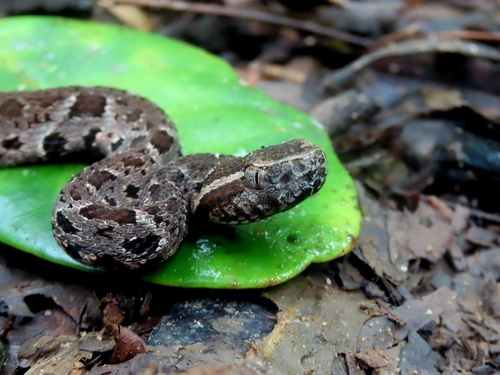 JararacussuBothrops jararacussuVenomous
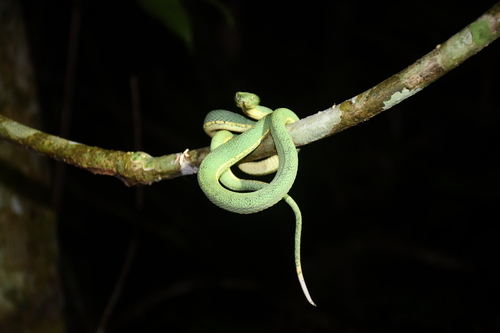 Green JararacaBothrops bilineatusVenomous
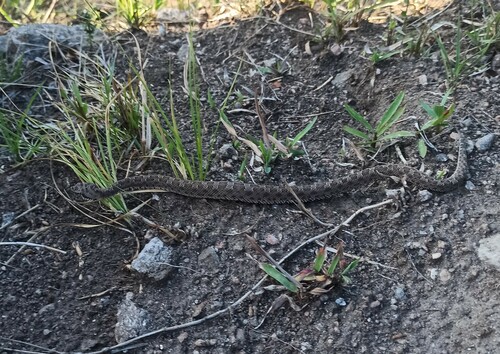 Patagonia LanceheadBothrops ammodytoidesVenomous
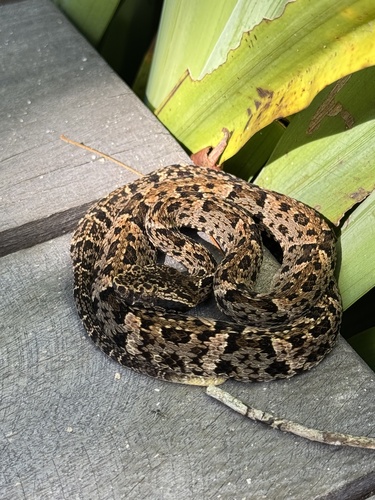 Whitetail LanceheadBothrops leucurusVenomous
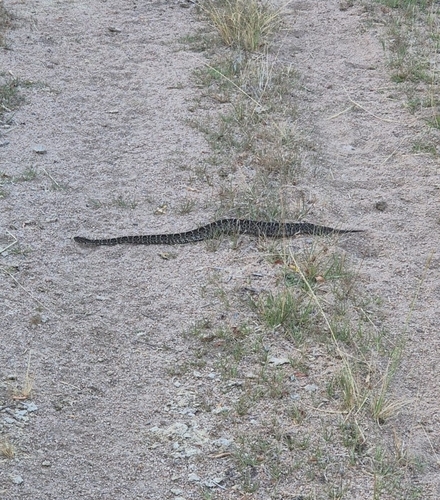 Pampas LanceheadBothrops pubescensVenomous
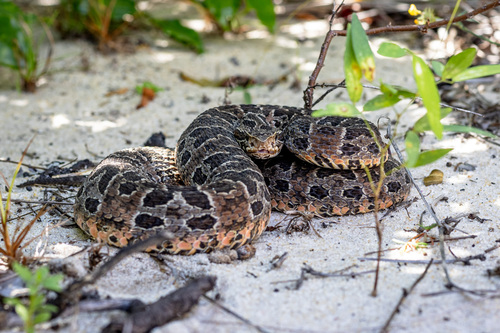 Jararaca PintadaBothrops neuwiediVenomous
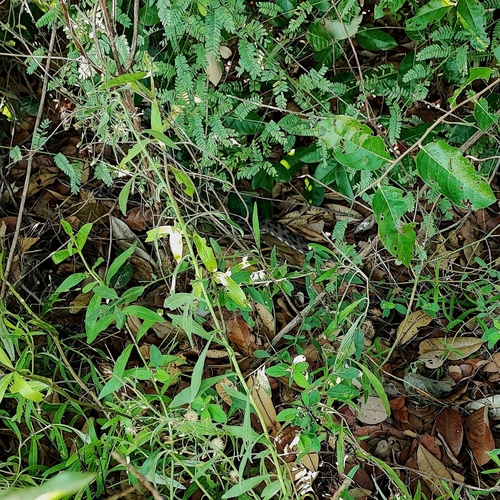 Mato Grosso LanceheadBothrops mattogrossensisVenomous
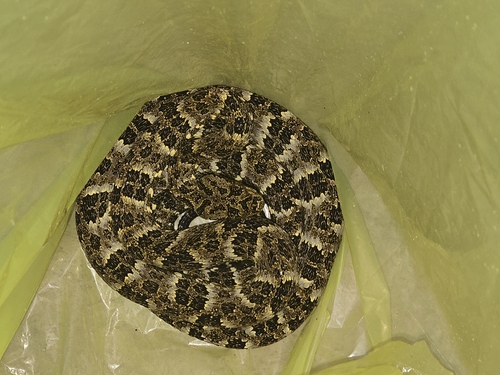 Speckled Forest Pit ViperBothrops taeniatusVenomous
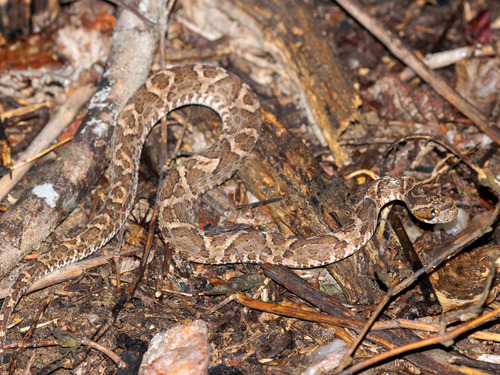 Caatinga LanceheadBothrops erythromelasVenomous
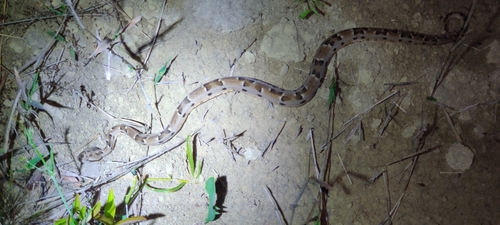 Cerrado LanceheadBothrops pauloensisVenomous
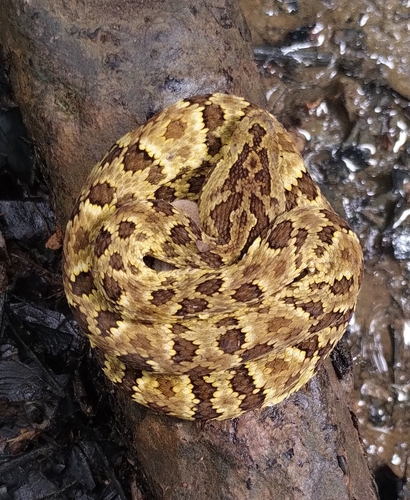 Spotted LanceheadBothrops punctatusVenomous
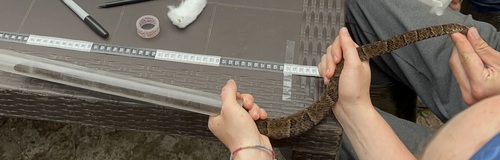 Osborne's LanceheadBothrops osborneiVenomous
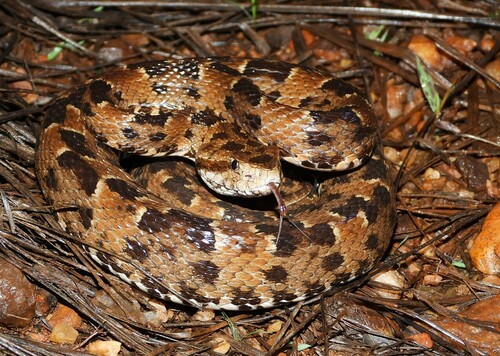 Marbled lanceheadBothrops marmoratusVenomous
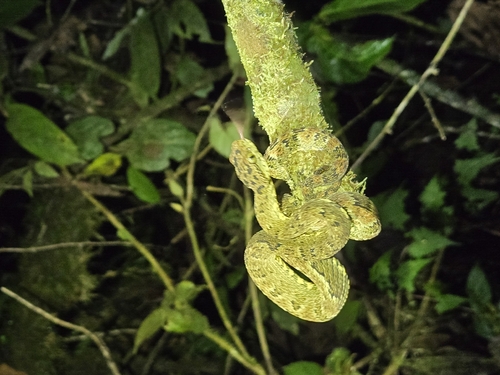 Andean Forest-pitviperBothrops pulcherVenomous
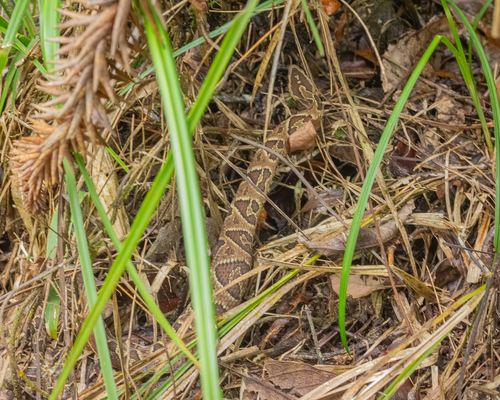 Fonseca's LanceheadBothrops fonsecaiVenomous
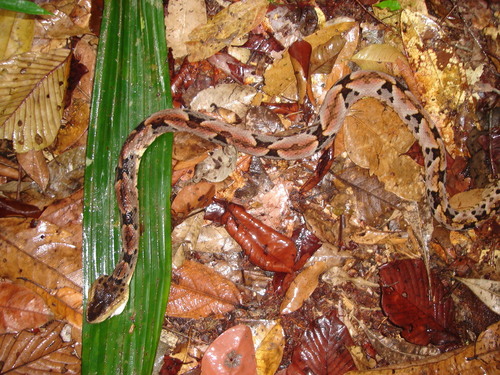 Brazil's LanceheadBothrops braziliVenomous
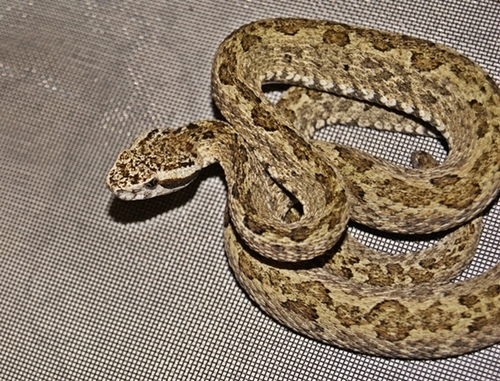 Venezuela LanceheadBothrops venezuelensisVenomous
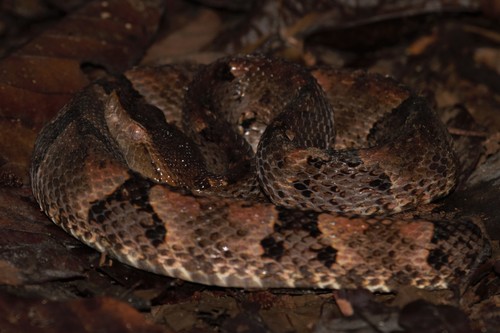 Bothrops oligobaliusVenomous
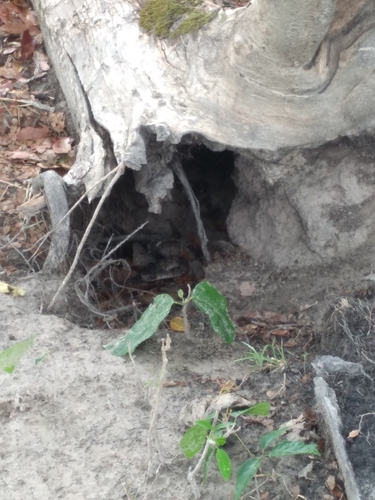 Cerrado LanceheadBothrops lutziVenomous
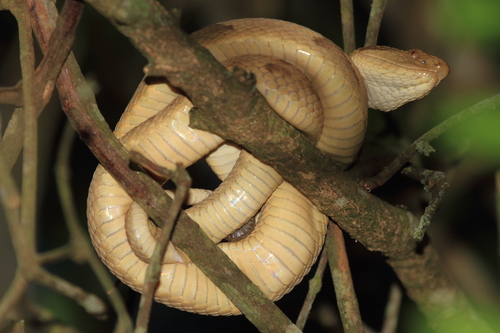 Golden LanceheadBothrops insularisVenomous
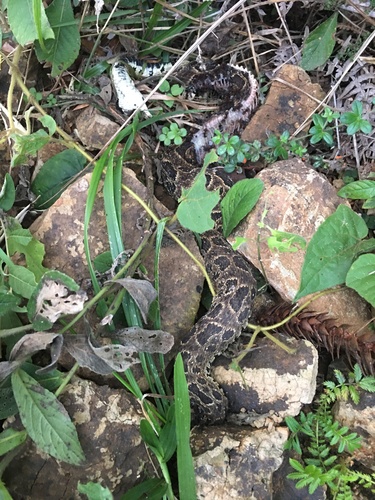 CotiaraBothrops cotiaraVenomous
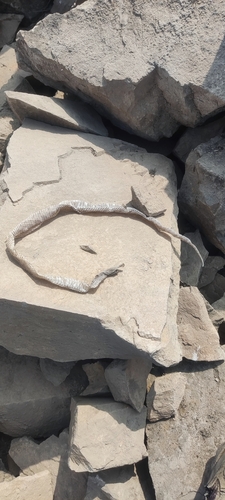 Desert LanceheadBothrops pictusVenomous
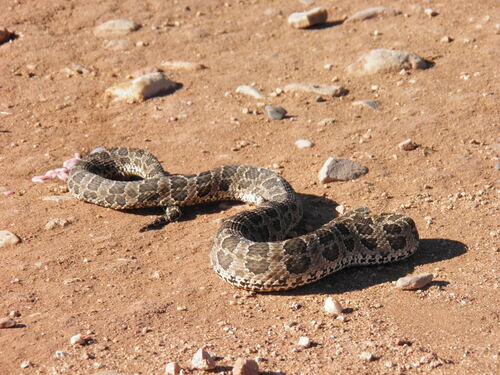 Jonathan's LanceheadBothrops jonathaniVenomous
 Martinique LanceheadBothrops lanceolatusVenomous
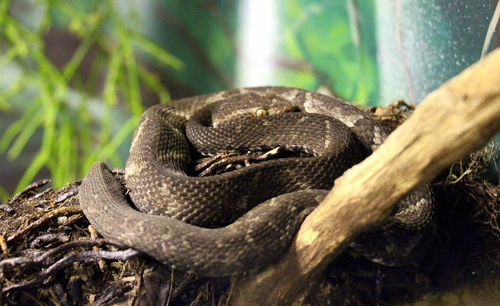 Alcatrazes LanceheadBothrops alcatrazVenomous
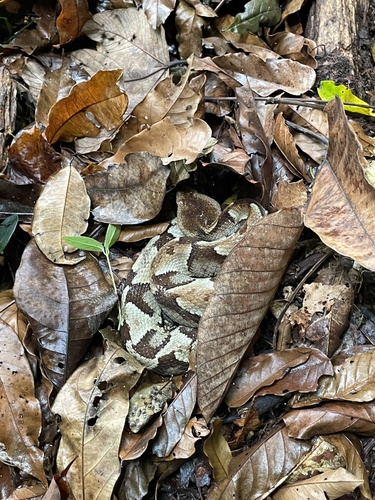 Murici LanceheadBothrops muriciensisVenomous
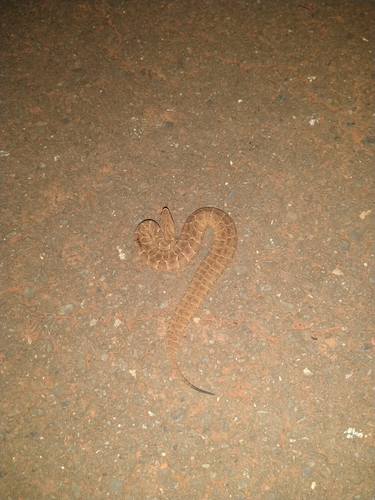 São Paulo LanceheadBothrops itapetiningaeVenomous
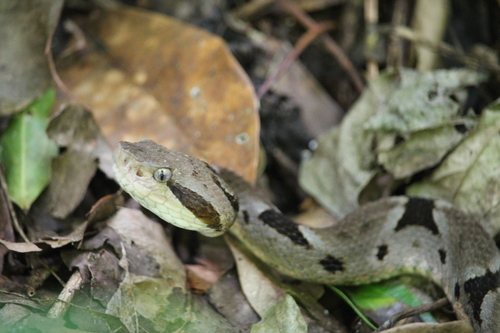 Bothrops monsigniferVenomous
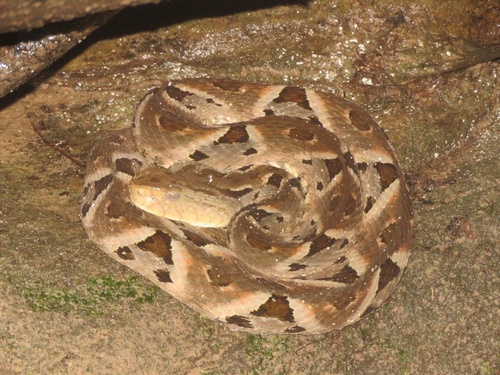 Bolivian LanceheadBothrops sanctaecrucisVenomous
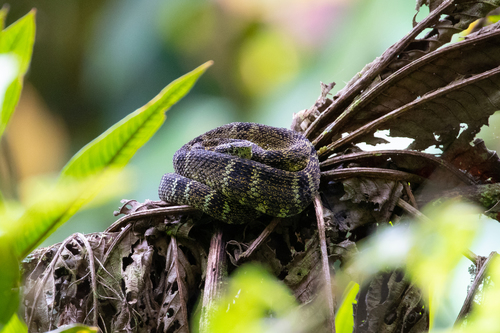 Green Black LanceheadBothrops chloromelasVenomous
 Saint Lucia LanceheadBothrops caribbaeusVenomous
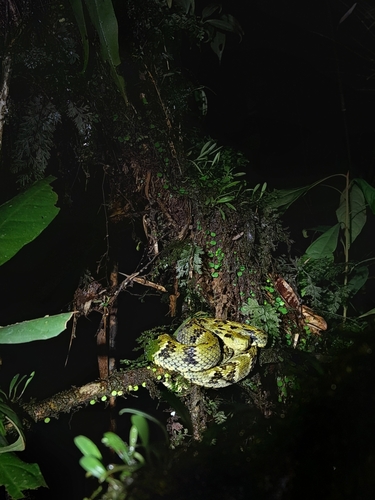 Peruvian Forest Pit ViperBothrops oligolepisVenomous
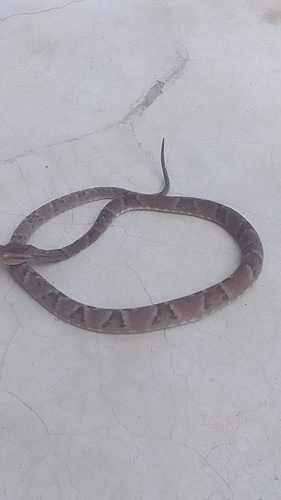 Bothrops jabrensisVenomous
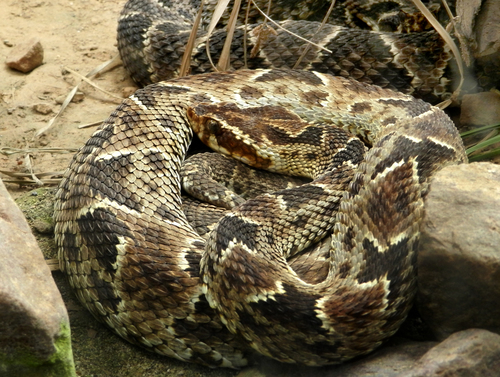 Barnett's LanceheadBothrops barnettiVenomous
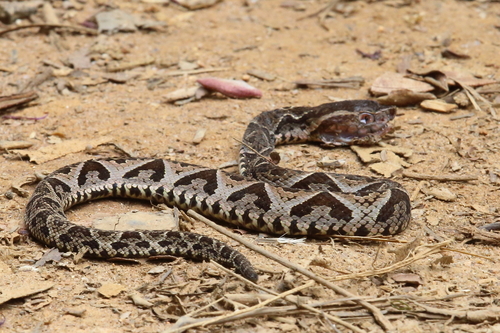 Piraja's LanceheadBothrops pirajaiVenomous
- No photoMarajó LanceheadBothrops marajoensisVenomous
- No photoBothrops soneneVenomous
- No photoVenezuela Forest Pit ViperBothrops medusaVenomous
Keep learning
- Venomous vs Nonvenomous: How to Tell the DifferenceThe folk rules for telling venomous snakes apart, where each one fails, and why location-based identification beats guessing by sight.
- Are Snakes Dangerous? The Real Risk, in PerspectiveMost snakes are harmless and avoid people. Here is the honest picture of snakebite risk worldwide and how to lower your own.
- Snake Venom Explained: How It Works and WhyWhat snake venom actually is, why it evolved, the main venom types, fang delivery, how antivenom works, and why ranking the most venomous snake is hard.
- How Snakes Move, Hunt, and EatHow snakes move without legs, hunt as ambushers or active foragers, kill by constriction or venom, and swallow prey wider than their head.