
Micronesia
Snakes in Micronesia
11 snake species have been recorded in Micronesia, 2 venomous.
Snakes of Micronesia
The Federated States of Micronesia is a chain of more than 600 small islands scattered across the western Pacific, grouped into the four states of Yap, Chuuk, Pohnpei, and Kosrae. These are mostly high volcanic islands and low coral atolls separated by vast stretches of open ocean. That isolation shapes everything about the snake fauna. A remote oceanic island never connects to a continent, so its reptiles arrive only by chance over water, by drifting on rafts of vegetation, or by being carried in with human cargo. The result is a small set of snakes built around mangrove edges, coastal forest, freshwater streams, and the warm shallow waters of reefs and lagoons. Our database records 11 snake species for the country, of which 2 are venomous, and the great majority are harmless.
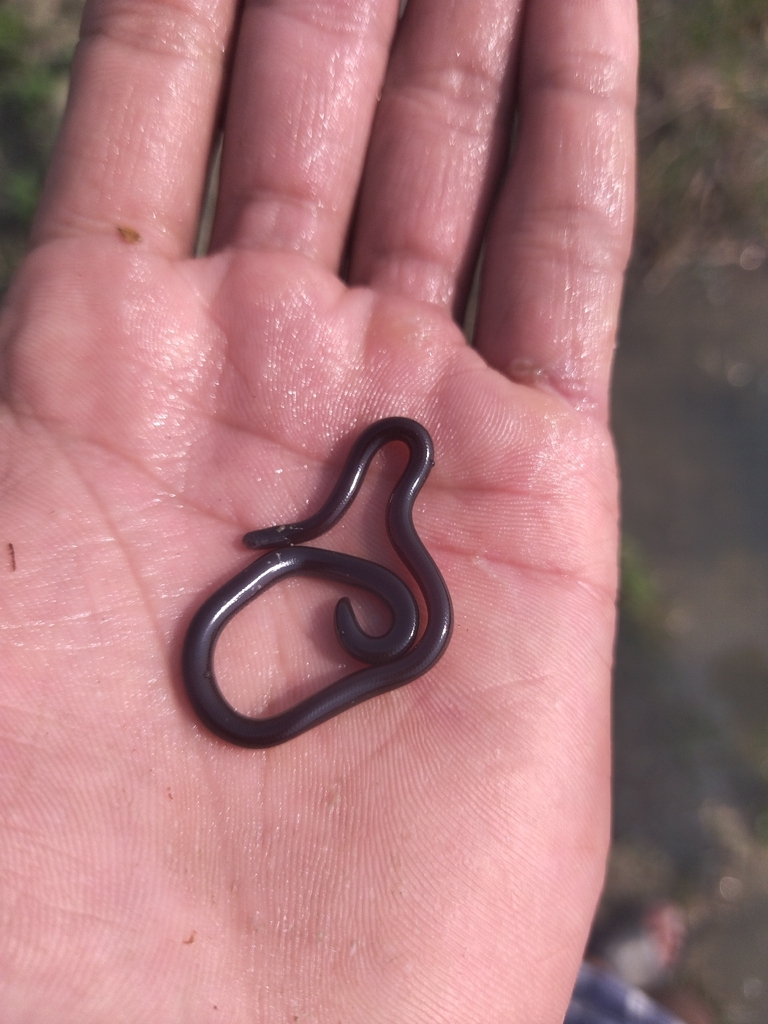
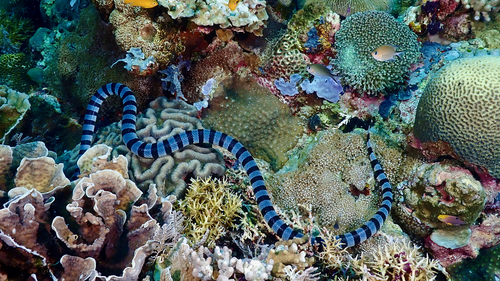
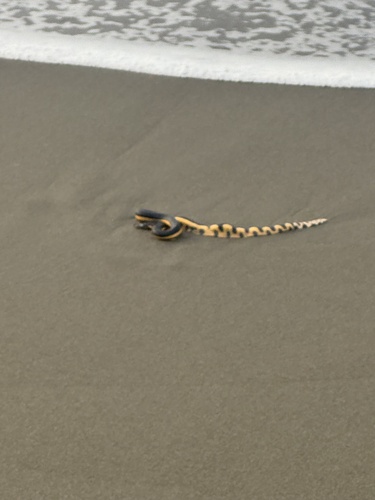
The venomous snakes present here are not land vipers or cobras but sea-adapted species and a single small burrowing oddity. The warm reefs and lagoons of Micronesia fall within the range of true sea snakes and of sea kraits, the amphibious banded snakes that hunt in the water but come ashore to rest and lay eggs. These marine elapids carry potent venom, yet they are not aggressive toward people and most bites in the wider Pacific happen only when a snake is grabbed or trapped against the body, such as in a fishing net. The other group worth knowing is the tiny flowerpot or brahminy blind snake, a thin, worm-like burrower that turns up in gardens and potted soil across the islands. It looks superficially snake-like but is completely harmless to humans and feeds on ant and termite eggs.
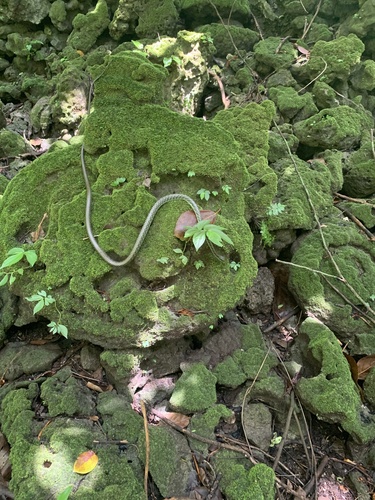
The harmless majority is dominated by snakes that live in and around fresh and brackish water and in coastal vegetation. Pacific island faunas of this kind typically include the small, mild mangrove and water snakes that hunt fish and frogs along stream edges and tidal flats, along with the burrowing blind snakes that spend their lives in soil and leaf litter. None of these constrict or threaten people, and most island residents rarely encounter a snake on land at all. Because the islands are small and oceanic, there is no large or iconic terrestrial python or boa here in the way there is on the bigger landmasses to the west. The most visible snakes for many people are the ones glimpsed in the water by fishers and divers rather than anything found in the forest.
Snakes are a quiet but real part of these island ecosystems. The blind snakes help control populations of ants and termites in the soil. The aquatic and coastal species keep small fish, frogs, and invertebrate numbers in balance and in turn feed larger predators. The marine elapids are an important part of the reef food web, hunting eels and small fish in cracks and crevices that few other predators can reach. On islands where the native fauna is limited and fragile, every native predator plays an outsized role, and the loss or disruption of these species can ripple through both freshwater and reef systems.
For safety, the practical picture is reassuring on land and worth respecting in the water. The overwhelming majority of snakes you might meet in Micronesia are harmless, and serious bites are uncommon. The real medical concern is the marine elapids, the sea snakes and sea kraits, whose venom can be dangerous if a person is bitten, usually after handling or accidentally trapping the animal. No wild snake, and especially no sea snake or sea krait, should ever be picked up or handled, even when it appears calm or is resting on a beach. If a venomous bite is suspected, the correct response is immediate professional medical care at a hospital, where antivenom and supportive treatment can be given. From the United States you can reach Poison Control at 1-800-222-1222, and anywhere you should contact local emergency services without delay. Do not rely on home remedies or wait to see if symptoms develop.
Snakes in Micronesia: FAQ
- Are there venomous snakes in Micronesia?
- Yes. 2 venomous snake species have verified records in Micronesia, including Yellow-lipped Sea Krait, Yellow-bellied Sea Snake. Most snakes in Micronesia, however, are harmless.
- How many snake species live in Micronesia?
- 11 snake species have verified records in Micronesia, of which 2 are venomous.
- What is the most commonly seen snake in Micronesia?
- The Brahminy Blindsnake is the most frequently reported snake in Micronesia, based on verified wildlife observations.
- What should I do if I see a venomous snake in Micronesia?
- Keep your distance and do not try to catch or kill it. Most bites happen when people handle or corner a snake. If someone is bitten, contact local emergency services or poison control immediately.
Venomous snakes in Micronesia
Every snake recorded in Micronesia
11 species across 6 families, grouped by family. Venomous flagged.
Colubridae (4)
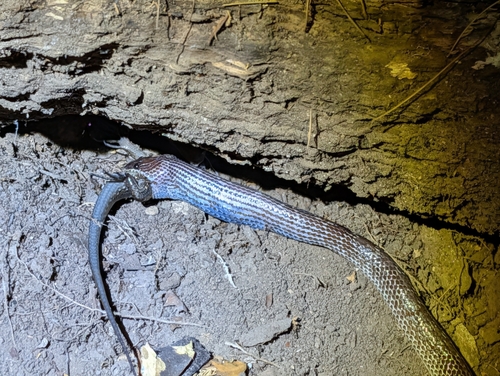
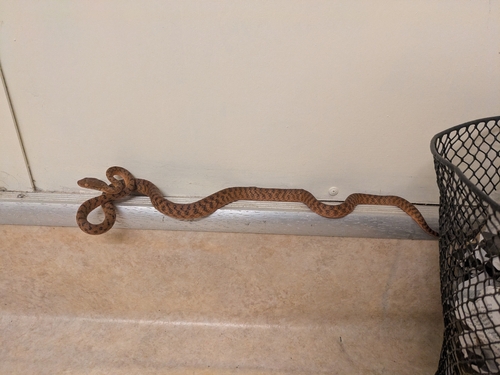
Typhlopidae (2)
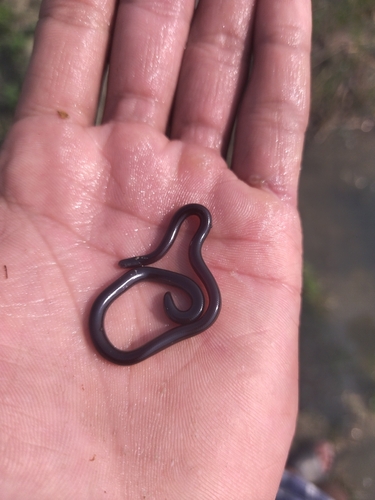
Elapidae (2)
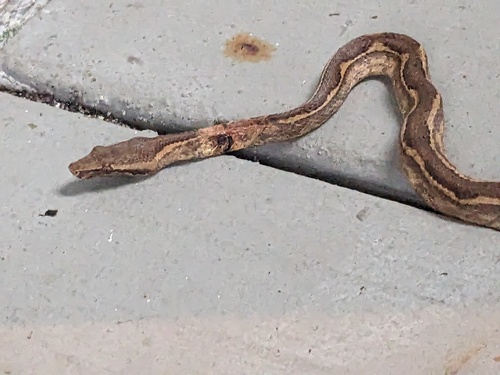
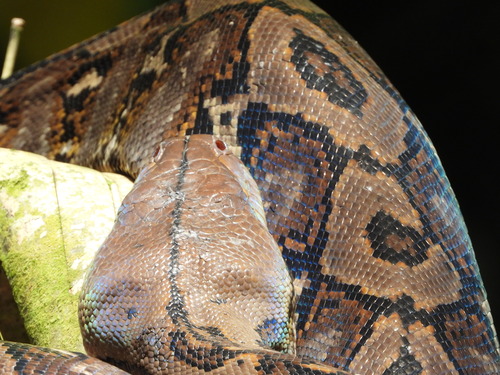
Pythonidae (1)
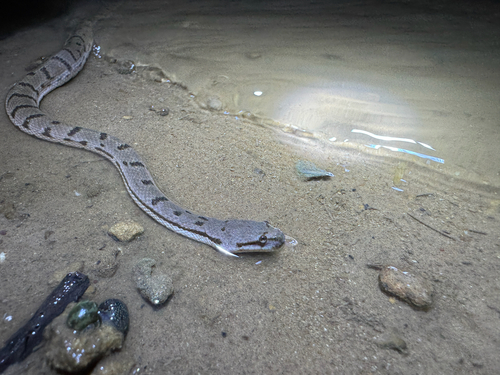
Homalopsidae (1)
Compiled from verified GBIF & iNaturalist observations. "How often seen" reflects how frequently a snake is reported here, not how dangerous it is. Informational only.
Keep learning
- Are Snakes Dangerous? The Real Risk, in PerspectiveMost snakes are harmless and avoid people. Here is the honest picture of snakebite risk worldwide and how to lower your own.
- Snakebite First Aid: What to Do (and What Never to Do)A clear, CDC-based guide to snakebite first aid: the steps that help, the popular myths that hurt, and how to tell a serious bite from a minor one.
- Venomous vs Nonvenomous: How to Tell the DifferenceThe folk rules for telling venomous snakes apart, where each one fails, and why location-based identification beats guessing by sight.
- What to Do If You Find a SnakeFound a snake at home or on a trail? Here is how to stay calm, give it space, identify it safely, and know when to call a professional.