
Colubridae
Japanese Forest Ratsnake
HarmlessEuprepiophis conspicillata
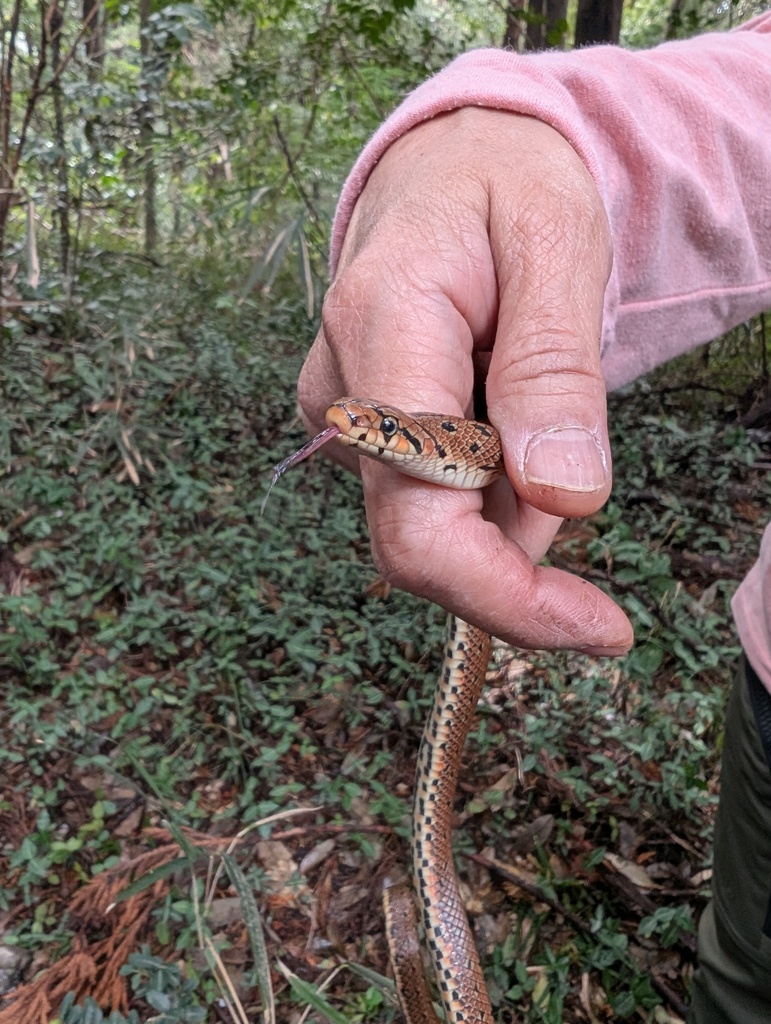
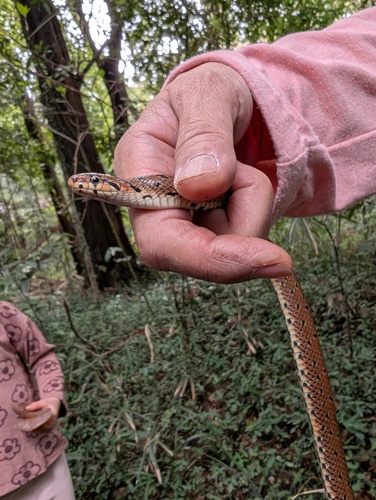
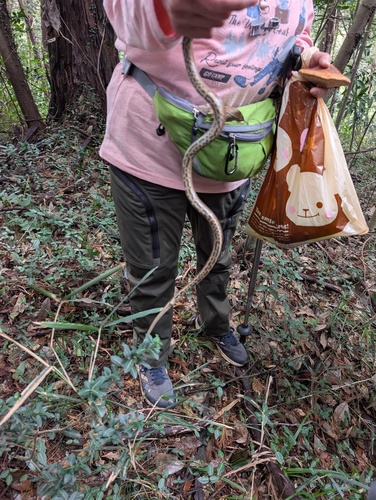
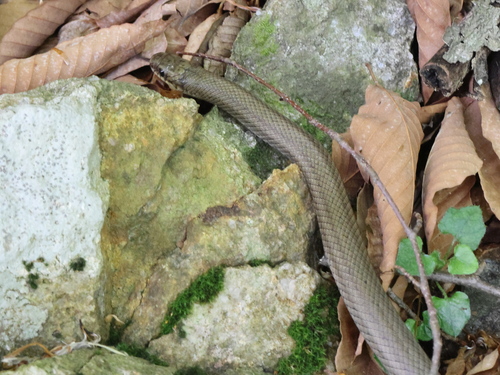
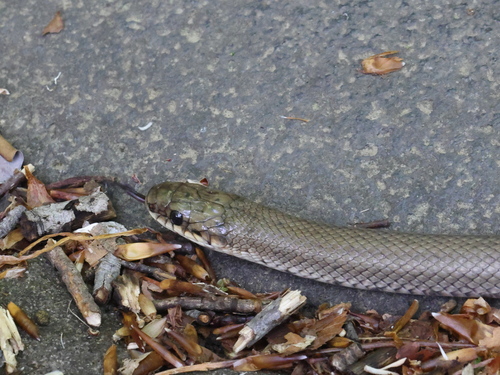
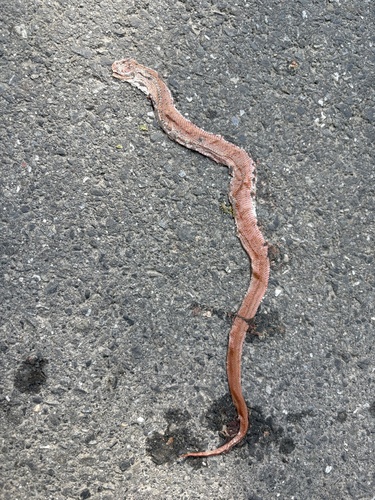
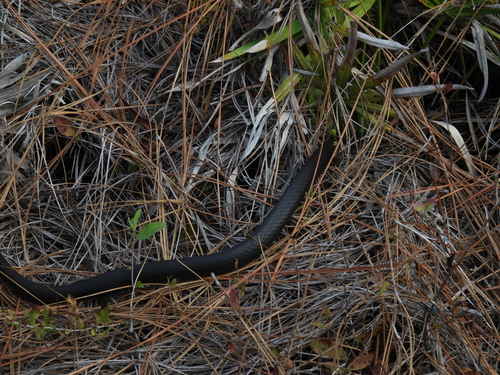
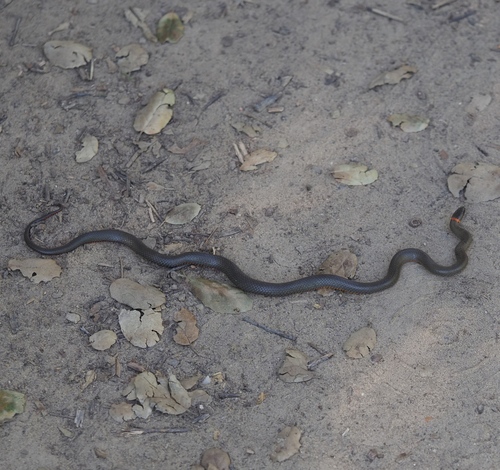
6 photographs of the Japanese Forest Ratsnake. © Atsushi Nakajima.
The Japanese Forest Ratsnake (Euprepiophis conspicillata) is a non-venomous snake in the Colubridae family.
- Family
- Colubridae
About the Japanese Forest Ratsnake
Euprepiophis conspicillata, commonly known as the Japanese forest rat snake, is a species of nonvenomous colubrid snake endemic to Japan. Its Japanese common name, jimuguri, roughly translates to "the burrower". It is closely related to Euprepiophis mandarinus, the Mandarin rat snake.
Geographic range
Euprepiophis conspicillata is native to all four main islands of Japan, including some smaller outlying islands, as well as Kunashir Island (territory disputed between Japan and Russia).
Description
Adults are usually 70 to 100 cm (2.3 to 3.3 ft) in total length (body + tail).
Taxonomy
In recent years there has been some taxonomic controversy over the genera of rat snakes. Based on mitochondrial DNA, Utiger et al. (2002) argued for a splintering of the genus Elaphe and suggested a reworking of the genera.
However, all published taxonomy remains a taxonomic suggestion until ruled on by the International Commission on Zoological Nomenclature (ICZN - https://www.iczn.org/), but that body has so far not supported the change and has not addressed the taxonomic suggestion. Thus the official taxonomy remains Elaphe.
Natural history
The Japanese forest rat snake can be found surface active at any hour, but they most often show crepuscular activity patterns. It may completely cease surface activity from mid-late summer when conditions become too hot and/or dry. Principal prey items are small rodents, and the snakes often use the rodent burrows for shelter.
As the Japanese common name suggests, this species is fossorial, and is normally associated with forested areas. Occurs from sea level to at least 3,000 m (9,800 ft).
Adapted from Wikipedia, available under CC BY-SA.
Frequently asked: Japanese Forest Ratsnake
- Is the Japanese Forest Ratsnake venomous?
- No. The Japanese Forest Ratsnake (Euprepiophis conspicillata) is non-venomous and is not considered dangerous to humans. Like most snakes, it will retreat rather than bite when given the chance.
- Is the Japanese Forest Ratsnake poisonous?
- Snakes are venomous, not poisonous. "Poisonous" means harmful to eat or touch; "venomous" means injecting toxins through a bite. The Japanese Forest Ratsnake is neither poisonous nor venomous.
- Is the Japanese Forest Ratsnake dangerous?
- The Japanese Forest Ratsnake is not dangerous to humans. It has no medically significant venom and bites only defensively if cornered or handled.
More Colubridae snakes
Classification
How scientists group this snake, from the broadest category down to the exact species. Each step narrows to its closest relatives.
- OrderThe broad group of scaled reptiles: all snakes and lizards
- Squamata
- FamilyA group of related snakes that share key traits
- Colubridae
- GenusA close-knit group of very similar species
- Euprepiophis
- SpeciesThis exact snake, named in the two-part scientific name
- Euprepiophis conspicillata
Keep learning
- What to Do If You Find a SnakeFound a snake at home or on a trail? Here is how to stay calm, give it space, identify it safely, and know when to call a professional.
- Venomous vs Nonvenomous: How to Tell the DifferenceThe folk rules for telling venomous snakes apart, where each one fails, and why location-based identification beats guessing by sight.
- What Is a Snake? Anatomy and the BasicsA clear overview of what makes a snake a snake: limbless body plan, anatomy, evolution from lizards, species diversity, and why they are ectothermic.
- How to Keep Snakes Out of Your Yard and HomeA practical guide to keeping snakes out of your yard and home using habitat changes that work, plus what to skip and what to do if one shows up.
Distribution from GBIF & iNaturalist. Venom status per CDC. Background: Wikipedia. Informational only. Never handle a snake to identify it.