
Genus · Pseudoxyrhophiidae
Types of hognose snakes
3 species make up the genus Leioheterodon, the snakes commonly called hognose snakes. None are considered dangerous to humans.
About Madagascar hognose snakes
Madagascar's stout, upturned-snout diggers, harmless to people but rear-fanged and built to bulldoze through sandy soil after prey.
Leioheterodon is a genus of three snakes found only on Madagascar and the nearby Comoro Islands. They belong to the family Pseudoxyrhophiidae, a large radiation of Old World snakes centered on Madagascar and Africa. Despite the shared English name, these are not close relatives of the North American hognose snakes (Heterodon); the upturned snout is a case of convergence, where unrelated lineages evolved a similar tool for the same job of pushing through loose ground.
The genus contains the Giant Madagascan Hognose Snake, the Blonde Hognose Snake, and the Reticulated Hognose Snake. The giant species is among the largest snakes on the island and can exceed a meter and a half in length, while the others are smaller and more slender. In general terms you recognize a Leioheterodon by its thick body, smooth scales, and the hardened, upward-tilted rostral scale on the tip of the snout that gives the group its name.
These snakes are diurnal and terrestrial, active by day across open woodland, savanna, scrub, and disturbed ground including the edges of farms and villages. They are strong burrowers and use the shovel-like snout to dig into sandy or loose soil, both to hunt and to unearth buried eggs. Their boldness and daytime habits make them one of the more frequently encountered snakes on Madagascar.
Diet is broad and includes frogs, lizards, smaller snakes, small mammals, and reptile eggs, which they dig out and consume. Like most members of their family, Leioheterodon are egg-laying, with females depositing clutches in soil or burrows. When threatened they may flatten the neck, hiss, and bluff, behavior that again parallels the unrelated American hognose snakes.
On the question of danger, Leioheterodon are rear-fanged and produce a mild saliva that helps subdue small prey. They are not considered dangerous to humans and there is no medically significant venom on record for the genus. Even so, no wild snake is safe to handle: a bite from a rear-fanged species can cause local pain, swelling, or irritation, and any snake will bite if grabbed. Observe these animals without handling them. If a bite causes a reaction beyond minor local symptoms, or you are unsure what bit you, contact emergency services or US Poison Control at 1-800-222-1222.
Leioheterodon belongs to the Pseudoxyrhophiidae family (Malagasy snakes). A spectacular radiation of mostly harmless snakes centered on Madagascar. Highly variable; identification is usually by region and genus rather than a single family trait.
Danger: Considered harmless to humans. Some are mildly venomous (rear-fanged) but not medically significant.
All species (3)
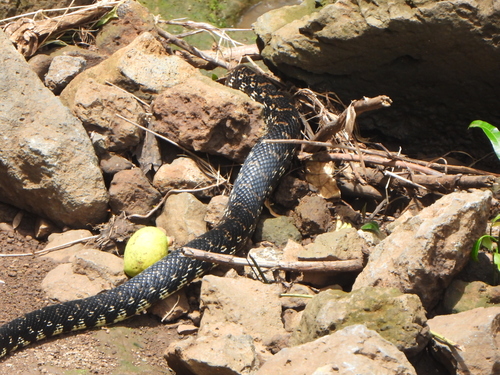
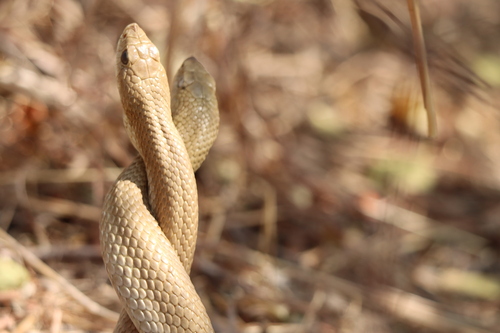
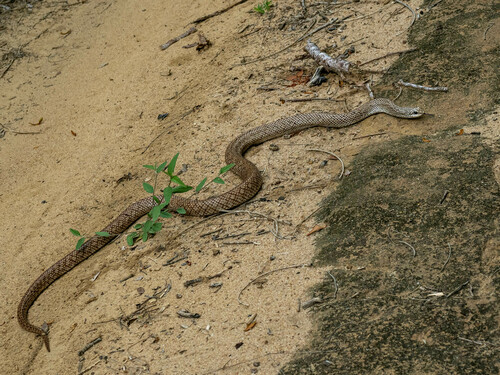
Keep learning
- What Is a Snake? Anatomy and the BasicsA clear overview of what makes a snake a snake: limbless body plan, anatomy, evolution from lizards, species diversity, and why they are ectothermic.
- How Snakes Move, Hunt, and EatHow snakes move without legs, hunt as ambushers or active foragers, kill by constriction or venom, and swallow prey wider than their head.
- What Do Snakes Eat?All snakes are carnivores. Learn what snakes eat, how diet changes with size and age, how often they feed, and how they hunt and swallow prey.
- Venomous vs Nonvenomous: How to Tell the DifferenceThe folk rules for telling venomous snakes apart, where each one fails, and why location-based identification beats guessing by sight.