
Genus · Colubridae
Types of fer-de-lances
10+ species make up the genus Xenodon, the snakes commonly called fer-de-lances. None are considered dangerous to humans.
About South American hognose and false fer-de-lance snakes
Xenodon are stout New World snakes that bluff like vipers but are rear-fanged toad specialists.
Xenodon is a genus of New World snakes traditionally placed in the broad family Colubridae and, in modern classification, in the dipsadid lineage of that group. The genus holds roughly a dozen species, with 12 represented in our database. Familiar members include Wagler's Snake, Neuwied's False Fer-de-lance, the False Fer-de-lance, and the South American Hognose Snake. The names hint at the central theme of the genus, which is mimicry: several species look and act like the dangerous pit vipers they share their habitat with.
These snakes are found across Central and South America, ranging through tropical and subtropical regions from southern Central America down into Argentina. They favor warm lowland habitats including forest edges, savanna, grassland, and open scrub, and they are mostly ground-dwelling. Many species are active by day, hunting across leaf litter and soil rather than climbing.
Xenodon are recognizable as thick-bodied, moderately sized snakes, generally under a meter, with broad heads and often bold blotched or banded patterns in browns, grays, and reddish tones. Some species carry an upturned snout used for digging, which is where the hognose name comes from. The viper-like patterning of the false fer-de-lance species is a defensive resemblance, not a sign that they are pit vipers.
On venom and safety, Xenodon are rear-fanged, meaning they have enlarged grooved teeth toward the back of the upper jaw and produce a mild saliva-borne toxin used to subdue prey rather than a potent front-fanged venom. They are not considered dangerous to people and bites from them are rare and minor, but this is still a wild animal and the right response is to leave it alone. Their main defense is theater: they flatten the head and neck, hiss, strike with a closed mouth, and may play dead, all to imitate a venomous snake. Do not handle a wild snake you cannot confidently identify, and if anyone is bitten by a snake and the species or reaction is uncertain, contact emergency services or US Poison Control at 1-800-222-1222.
Ecologically, Xenodon are best known as toad and frog specialists. Several species feed heavily on toads, including toxic ones, and possess enlarged rear teeth and adaptations thought to help deflate and handle puffed-up, poison-laden prey. They reproduce by laying eggs, and beyond their feeding and bluffing behavior they live fairly secretive ground-level lives, which is part of why much of the genus remains modestly studied.
Xenodon belongs to the Colubridae family (Colubrids). The largest snake family, and the one most snakes you meet belong to. Typically round pupils, a head only slightly wider than the neck, and no heat-sensing facial pit or rattle. Scales may be smooth and glossy or keeled and matte depending on the species.
Danger: Almost all colubrids are harmless. A small number are rear-fanged with medically significant venom, the boomslang and the twig (vine) snakes of Africa being the dangerous exceptions. Most colubrids will flee or bluff rather than bite.
All species (12)
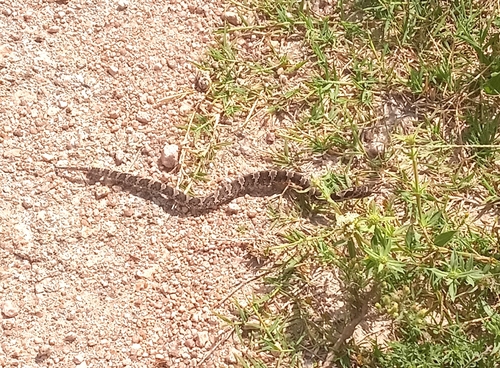 Wagler's SnakeXenodon merremiiHarmless
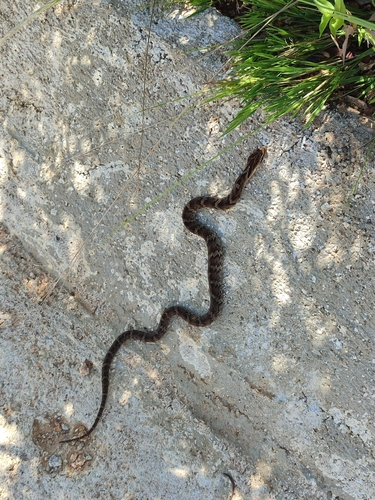 Neuwied's False Fer-de-lanceXenodon neuwiediiHarmless
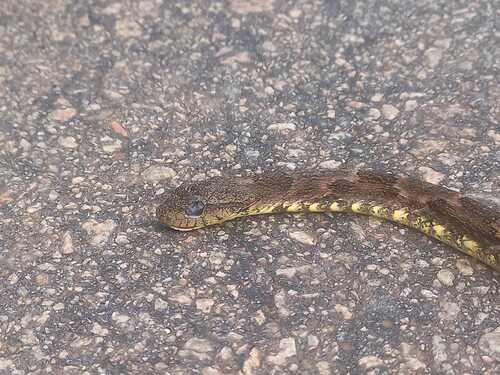 False Fer-de-lanceXenodon rabdocephalusHarmless
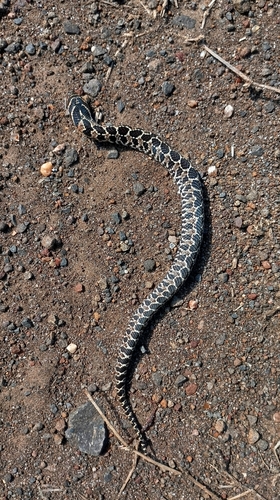 South American Hognose SnakeXenodon dorbignyiHarmless
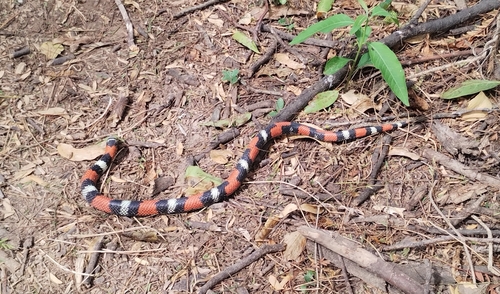 Banded Hognose SnakeXenodon pulcherHarmless
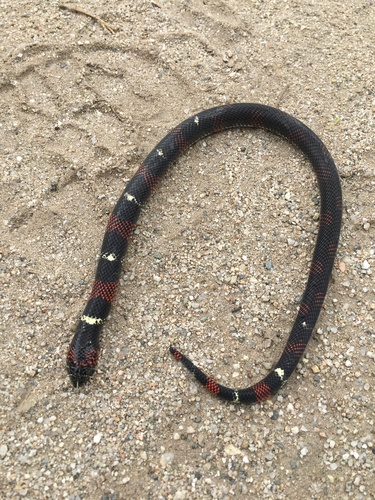 Ringed Hognose SnakeXenodon semicinctusHarmless
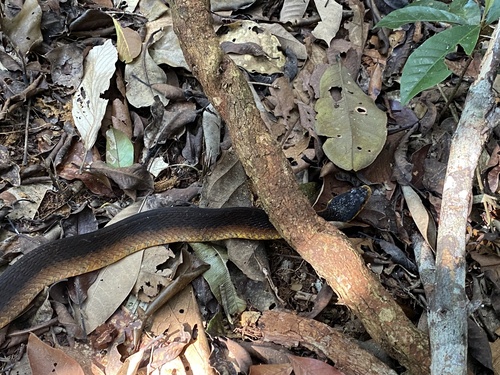 Amazon False Fer-de-lanceXenodon severusHarmless
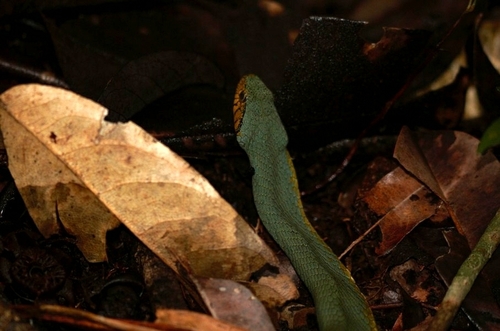 Guianan Green SnakeXenodon werneriHarmless
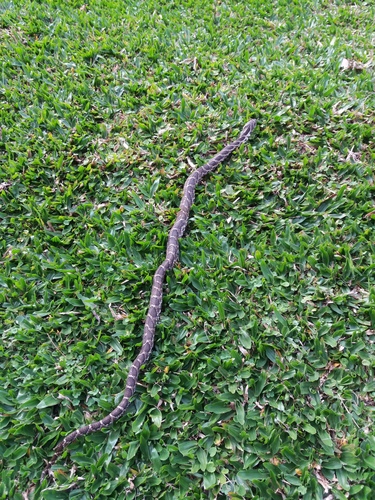 Günther's False Fer-de-lanceXenodon guentheriHarmless
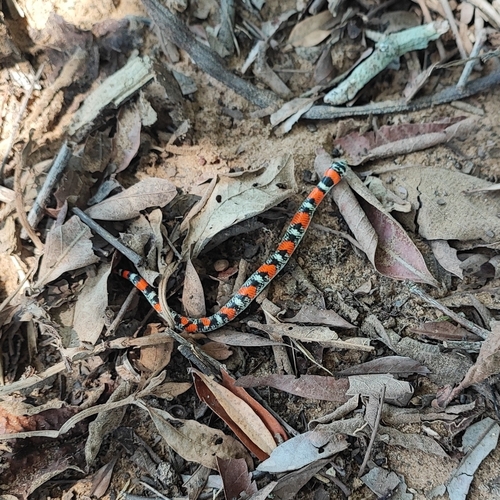 Xenodon matogrossensisHarmless
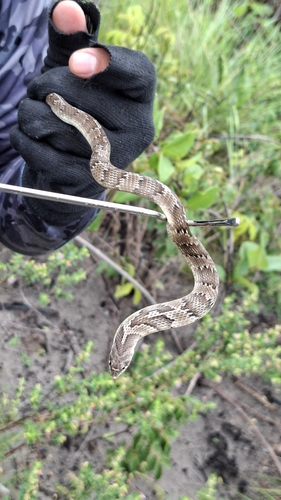 Xenodon nattereriHarmless
- No photoJan's Hognose SnakeXenodon histricusHarmless
Keep learning
- What Is a Snake? Anatomy and the BasicsA clear overview of what makes a snake a snake: limbless body plan, anatomy, evolution from lizards, species diversity, and why they are ectothermic.
- How Snakes Move, Hunt, and EatHow snakes move without legs, hunt as ambushers or active foragers, kill by constriction or venom, and swallow prey wider than their head.
- What Do Snakes Eat?All snakes are carnivores. Learn what snakes eat, how diet changes with size and age, how often they feed, and how they hunt and swallow prey.
- Venomous vs Nonvenomous: How to Tell the DifferenceThe folk rules for telling venomous snakes apart, where each one fails, and why location-based identification beats guessing by sight.