
Genus · Pythonidae
Types of pythons
9 species make up the genus Python, the snakes commonly called pythons. None are considered dangerous to humans.
About pythons
Python is the genus of true pythons, large non-venomous constrictors of Africa and Asia that kill prey by coiling and squeezing rather than by venom. Our database lists 9 species, none of them venomous.
Python belongs to the family Pythonidae, a lineage of constricting snakes found across the Old World. The defining trait of the genus is the way it subdues prey: a python seizes an animal, throws coils of its body around it, and tightens with each breath the prey takes until circulation stops. There is no venom involved at any stage. These are heavy-bodied snakes, and a row of small heat-sensing pits along the lips lets them detect the body warmth of nearby animals, which helps them hunt in low light. Most species wear striking blotched or saddle-like patterns that break up their outline against leaf litter and grass.
The genus is spread across sub-Saharan Africa and much of South and Southeast Asia. Different species occupy forests, grasslands, and scrub, and many stay close to water, where they swim well and ambush prey at the edge. This wide range across two continents is part of why the genus is so varied in size and pattern, from snakes a few feet long to some of the largest serpents on Earth.
True pythons are egg-layers, and they show a form of parental care that is unusual among snakes. After laying a clutch, the female coils tightly around her eggs and stays with them through incubation. In several species she can raise the temperature of the clutch by rhythmically contracting her muscles, a shivering motion that generates heat and keeps the developing eggs warmer than the surrounding air. This brooding behavior is rare in the snake world and is one of the more remarkable things about the group.
The genus includes some of the most notable snakes anywhere. The Burmese python, Python bivittatus, is among the largest snakes in the world and has become an established invasive species in the Florida Everglades, where it preys heavily on native mammals and birds and represents a genuine and ongoing ecological problem. The African rock python is the largest snake on the African continent. At the other end of the spectrum sits the ball python, Python regius, a small and docile African species that is the single most popular pet snake in the world. Other members include the Southern African python and the Indian python.
As predators, pythons help control populations of rodents and other animals, and within their native ranges they are an important part of the food web. On the honest safety question: pythons are not venomous, so there is no venom risk from a bite. They are still powerful animals, and very large individuals are strong enough to deserve real respect and distance. The invasive Everglades population is a reminder that these snakes belong in their native habitats, where released or escaped pets can do lasting damage to local wildlife. As with any wild snake, the right response to encountering one is to give it space and let it move on.
Python belongs to the Pythonidae family (Pythons). Old-World egg-laying constrictors, including the longest snakes on Earth. Large and heavy-bodied with blotched or banded patterns, smooth scales, and heat-sensing pits along the lips. No rattle or fangs.
Danger: Non-venomous. Only the very largest species could be a physical danger, and bites are defensive, not venomous.
All species (9)
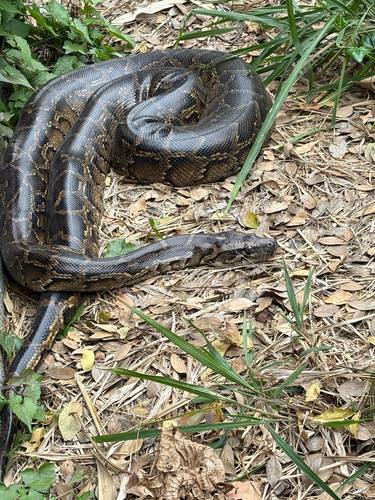 Burmese PythonPython bivittatusHarmless
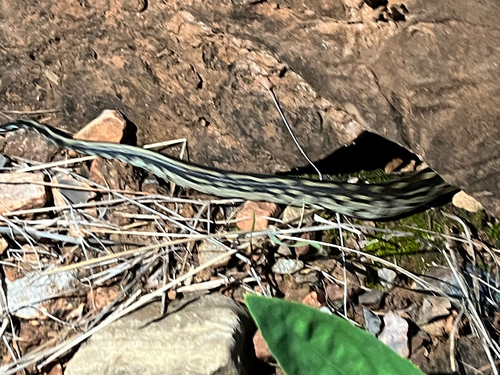 Southern African PythonPython natalensisHarmless
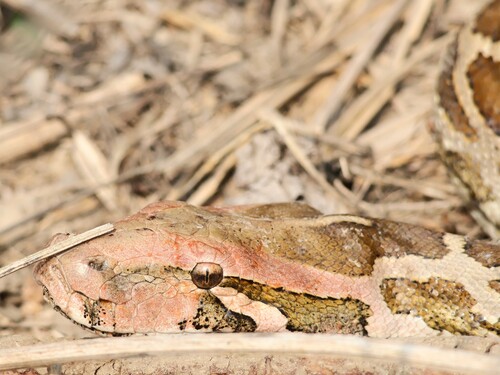 Indian PythonPython molurusHarmless
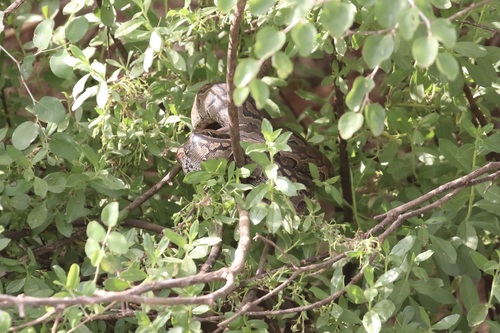 African Rock PythonPython sebaeHarmless
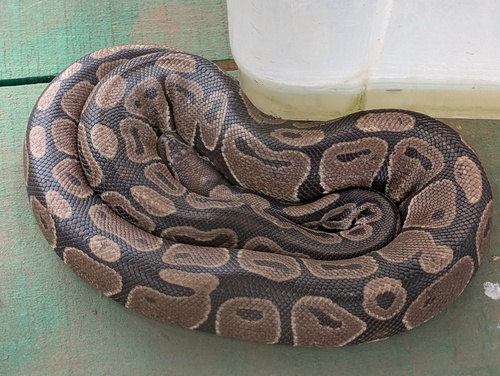 Ball PythonPython regiusHarmless
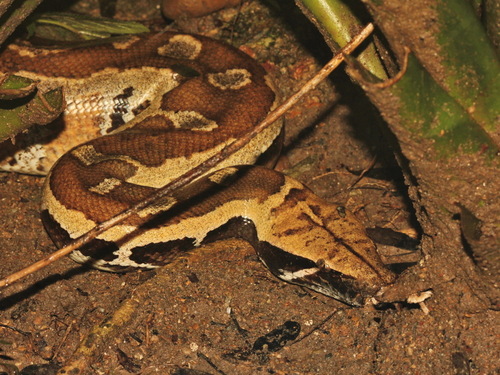 Malaysian Blood PythonPython brongersmaiHarmless
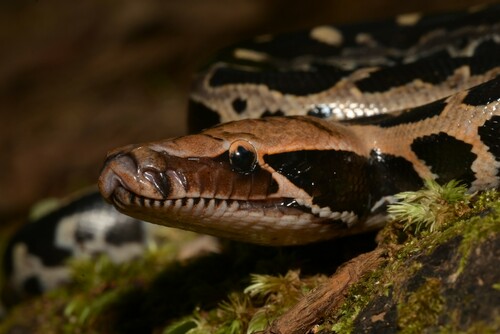 Bornean Short PythonPython breitensteiniHarmless
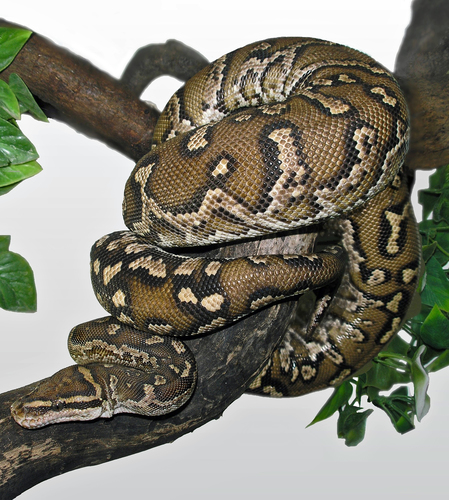 Anchieta's Dwarf PythonPython anchietaeHarmless
 Sumatran Short-tailed PythonPython curtusHarmless
Keep learning
- What Is a Snake? Anatomy and the BasicsA clear overview of what makes a snake a snake: limbless body plan, anatomy, evolution from lizards, species diversity, and why they are ectothermic.
- How Snakes Move, Hunt, and EatHow snakes move without legs, hunt as ambushers or active foragers, kill by constriction or venom, and swallow prey wider than their head.
- What Do Snakes Eat?All snakes are carnivores. Learn what snakes eat, how diet changes with size and age, how often they feed, and how they hunt and swallow prey.
- Venomous vs Nonvenomous: How to Tell the DifferenceThe folk rules for telling venomous snakes apart, where each one fails, and why location-based identification beats guessing by sight.