
Genus · Boidae
Types of boas
11 species make up the genus Chilabothrus, the snakes commonly called boas. None are considered dangerous to humans.
About West Indian boas
The true boas of the Caribbean islands, large nonvenomous constrictors found almost nowhere else on Earth.
Chilabothrus is a genus of boas, members of the family Boidae, the same family that includes the boa constrictor and the anacondas. Like all boas, they are nonvenomous snakes that subdue prey by constriction, wrapping coils around an animal and tightening until it can no longer breathe. They are heavy bodied for their length, give birth to live young rather than laying eggs, and retain the primitive traits of the boa lineage, including tiny pelvic spurs near the vent that are remnants of hind limbs.
What sets this genus apart is geography. Chilabothrus is the radiation of boas that colonized the West Indies, and its species are spread across the islands of the Caribbean, including Puerto Rico, Hispaniola, Cuba, the Bahamas, Jamaica, and the smaller surrounding islands. Many species are restricted to a single island or island group, which makes them prized examples of island evolution and also leaves several of them vulnerable to extinction. Our database includes 11 species, among them the Puerto Rican Boa, the Hispaniolan Boa, the Cuban Tree Boa, and the Bahamian Boa.
Recognizing a West Indian boa in general terms means looking for a stout, smooth scaled snake with a distinct head, vertical or elliptical pupils, and the muscular build typical of a constrictor. Coloration varies widely by species and even within a species, ranging from gray and brown to reddish or olive tones, often with darker blotches, bands, or speckling that helps the snake blend into bark, leaf litter, or rock. Sizes span a broad range across the genus, from modest snakes of a few feet to larger species that approach or exceed two meters. Because many island species look superficially alike, the surest identification clue is usually the island it was found on, since most ranges do not overlap.
These boas are nonvenomous and not dangerous to people in the sense of producing toxin. A large individual can deliver a sharp bite and grip with surprising strength, but it has no venom. That said, these are wild animals and several species are protected by conservation law, so the right response to encountering one is to leave it alone and let it move on. Do not attempt to handle, capture, or relocate a wild boa. If a bite ever breaks the skin, clean the wound and seek medical care for infection risk, and in any snakebite emergency in the United States contact Poison Control at 1-800-222-1222 or local emergency services.
Ecologically, West Indian boas are ambush and active predators that eat a range of vertebrates depending on size and species, including lizards, birds, rodents, bats, and other small mammals. Several species are famous for gathering at cave mouths to snatch bats out of the air at dusk. They are often nocturnal and many are skilled climbers that hunt in trees and shrubs as well as on the ground. Like other boas they are viviparous, meaning females give birth to fully formed live young after carrying the developing embryos internally. They play an important role as native predators in fragile island ecosystems, and protecting them is closely tied to protecting Caribbean habitat as a whole.
Chilabothrus belongs to the Boidae family (Boas). Powerful non-venomous constrictors that give birth to live young. Heavy body, smooth scales, and (in many species) heat-sensing pits along the lips. No rattle and no fangs.
Danger: Non-venomous and not dangerous to people. Large individuals are strong and can bite defensively, but they are not a venom threat.
All species (11)
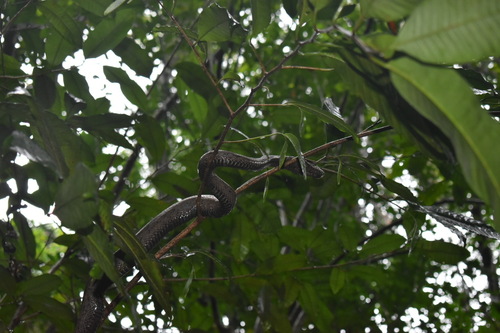 Puerto Rican BoaChilabothrus inornatusHarmless
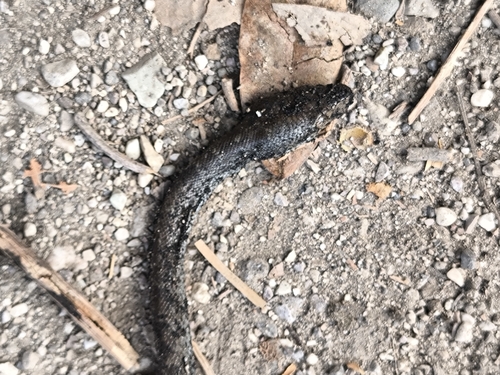 Hispaniolan BoaChilabothrus striatusHarmless
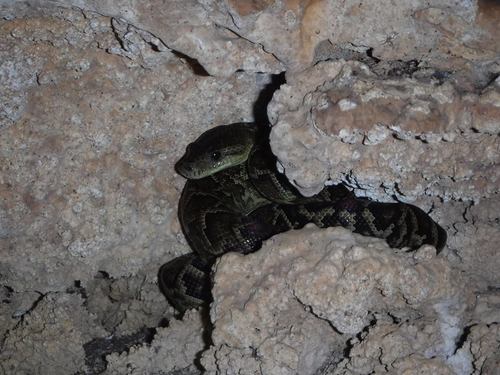 Cuban Tree BoaChilabothrus anguliferHarmless
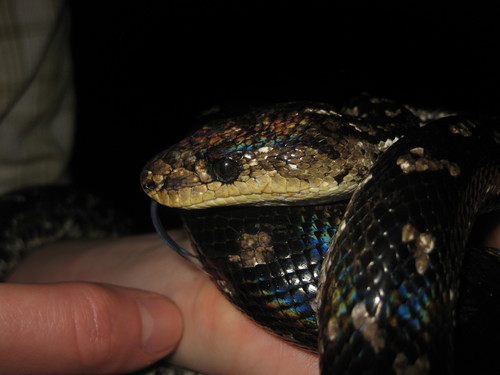 Bahamian BoaChilabothrus strigilatusHarmless
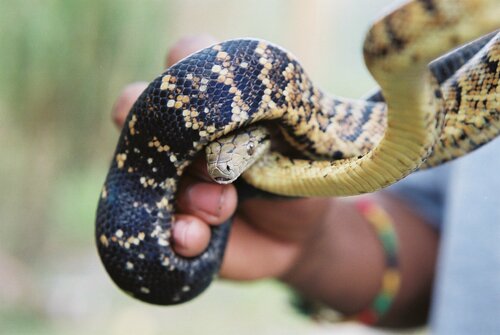 Jamaican BoaChilabothrus subflavusHarmless
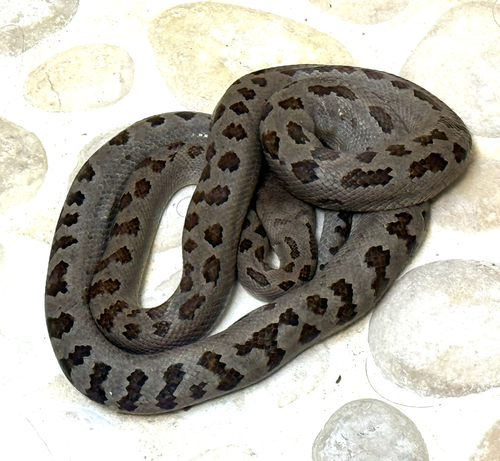 Southern Bahamas boaChilabothrus chrysogasterHarmless
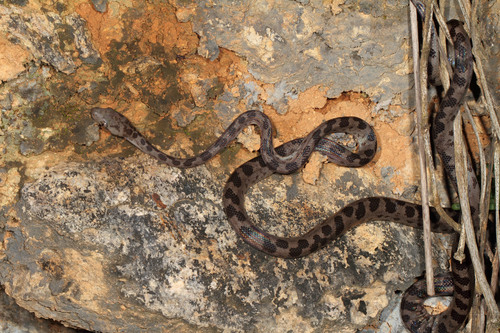 Hispaniolan Gracile BoaChilabothrus gracilisHarmless
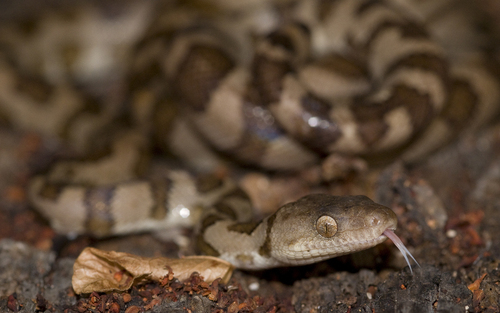 Virgin Islands boaChilabothrus grantiHarmless
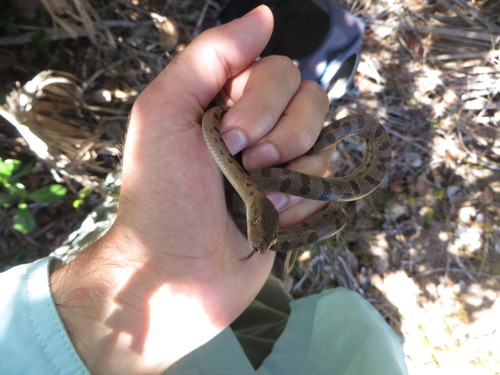 Abaco Island BoaChilabothrus exsulHarmless
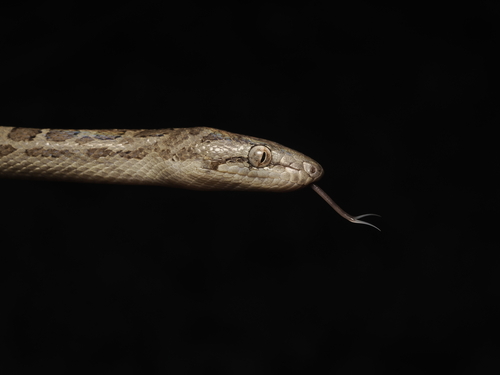 Ford's BoaChilabothrus fordiiHarmless
 Mona Island BoaChilabothrus monensisHarmless
Keep learning
- What Is a Snake? Anatomy and the BasicsA clear overview of what makes a snake a snake: limbless body plan, anatomy, evolution from lizards, species diversity, and why they are ectothermic.
- How Snakes Move, Hunt, and EatHow snakes move without legs, hunt as ambushers or active foragers, kill by constriction or venom, and swallow prey wider than their head.
- What Do Snakes Eat?All snakes are carnivores. Learn what snakes eat, how diet changes with size and age, how often they feed, and how they hunt and swallow prey.
- Venomous vs Nonvenomous: How to Tell the DifferenceThe folk rules for telling venomous snakes apart, where each one fails, and why location-based identification beats guessing by sight.