
Sweden
Snakes in Sweden
10+ snake species have been recorded in Sweden, 1 venomous.
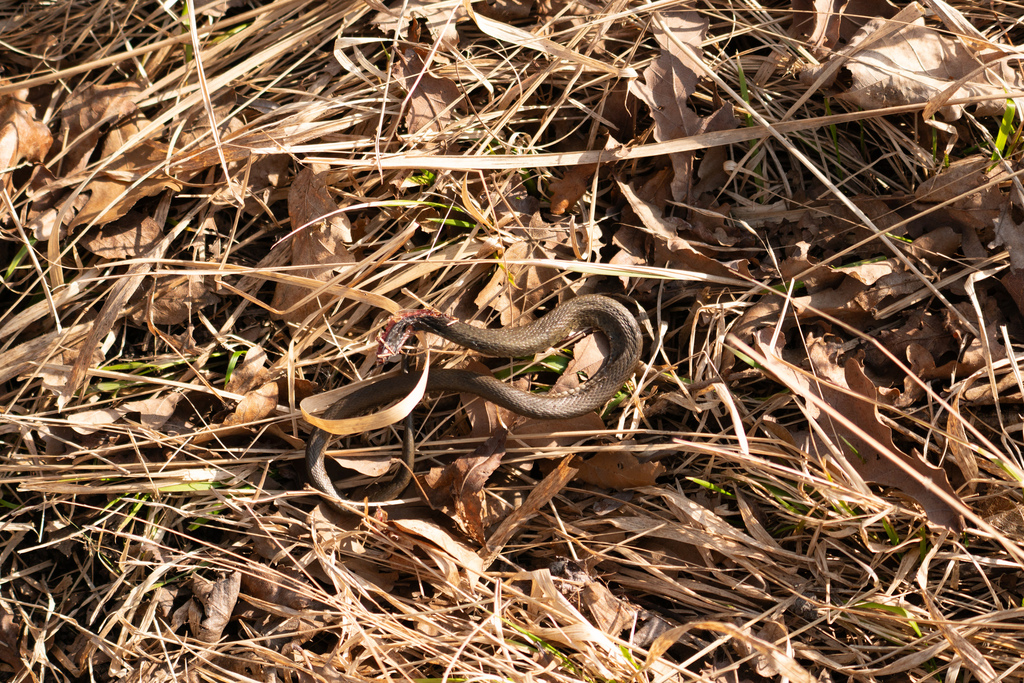
Snakes of Sweden
Sweden has 10+ snake species recorded in our database, and only 1 of them is venomous. The great majority of species are non-venomous. This is a northern country with a cold climate, a short active season, and a snake fauna that is small but well understood. Snakes here are reptiles that depend on outside warmth, so where they live and what they do is shaped tightly by sun, season, and shelter.
Sweden stretches a long way from the milder, more wooded south to the subarctic north, and that gradient defines its snakes. The richest snake habitats are in the southern and central regions, where mixed forest, heathland, bogs, lake edges, rocky slopes, and old stone walls offer both basking spots and cover. Wetland margins and damp meadows support amphibians and small mammals that snakes eat. Toward the far north the cold deepens, the season shortens, and snakes thin out, though one species reaches surprisingly high latitudes. Across the country, snakes spend the long winter dormant underground below the frost and emerge to bask when spring sun returns.
The single venomous snake present in Sweden is the European adder, the country's only viper. It is a member of the true viper group, the family that uses front fangs to deliver venom. The adder is widespread across Sweden, including parts of the north, and is recognized by its stout body and the dark zigzag band running down its back, though some individuals are very dark or nearly black. It is the medically important snake to be aware of here. All of the other recorded species are non-venomous and pose no envenomation risk.
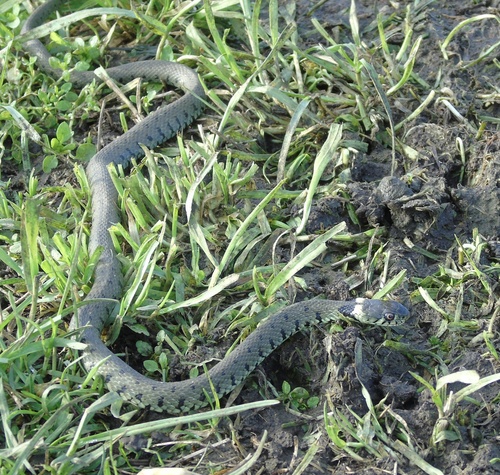
The harmless majority includes Sweden's familiar non-venomous snakes such as the grass snake, a strong swimmer often found near water where it hunts frogs and toads, and the smooth snake, a slimmer, secretive species of warm, dry, rocky ground. These snakes kill prey by grabbing or constricting rather than by venom, and they are shy animals that retreat from people. Ecologically, snakes matter more than their numbers suggest. They control populations of rodents, amphibians, and other small animals, and they are in turn food for birds of prey and mammals, making them a working part of the food web in Swedish forests, wetlands, and farmland.
On safety, the honest picture is reassuring: nearly all snakes in Sweden are harmless, and the adder is the only one that can cause a medically significant bite. Adders are not aggressive and bite mainly when stepped on or handled, so the simplest protection is to watch where you put your hands and feet in adder habitat and to leave any snake alone. Never handle a wild venomous snake, because even a calm-looking animal can bite. A confirmed or suspected adder bite is a medical matter: the treatment is professional hospital care, including antivenom when a doctor judges it necessary. If a bite happens, seek emergency care immediately by contacting local emergency services, or in the United States contact Poison Control at 1-800-222-1222.
Snakes in Sweden: FAQ
- Are there venomous snakes in Sweden?
- Yes. 1 venomous snake species has verified records in Sweden, including Adder. Most snakes in Sweden, however, are harmless.
- How many snake species live in Sweden?
- 10+ snake species have verified records in Sweden, of which 1 is venomous.
- What is the most commonly seen snake in Sweden?
- The Grass Snake is the most frequently reported snake in Sweden, based on verified wildlife observations.
- What should I do if I see a venomous snake in Sweden?
- Keep your distance and do not try to catch or kill it. Most bites happen when people handle or corner a snake. If someone is bitten, contact local emergency services or poison control immediately.
Venomous snakes in Sweden
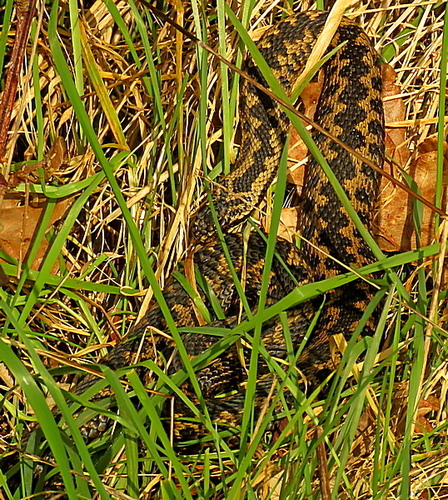
Every snake recorded in Sweden
10+ species across 5 families, grouped by family. Venomous flagged.
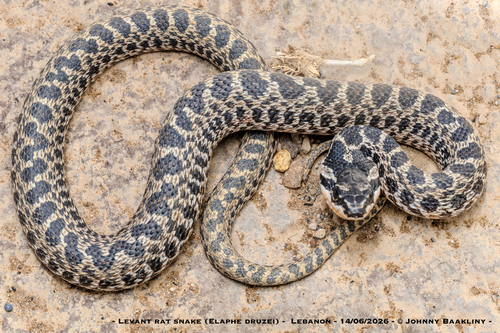
Colubridae (7)
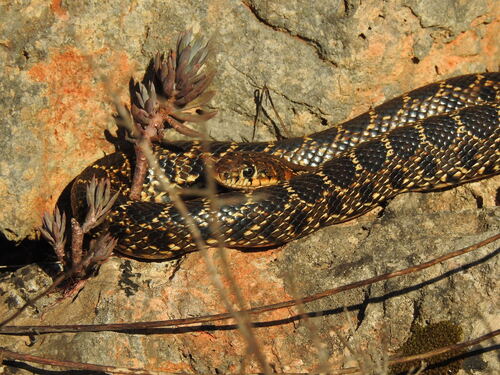
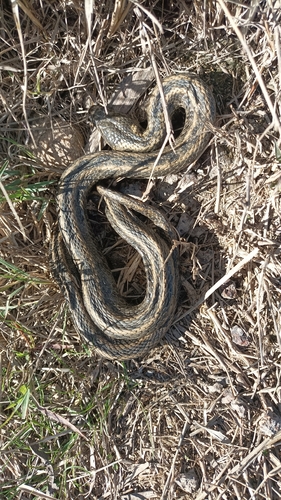
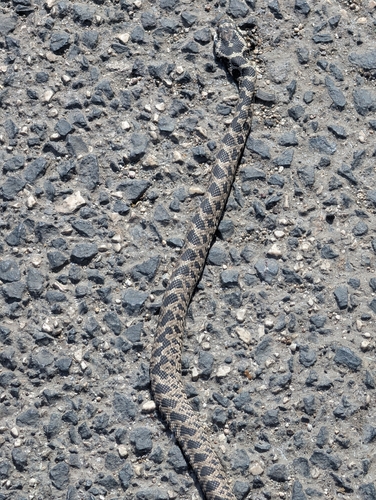
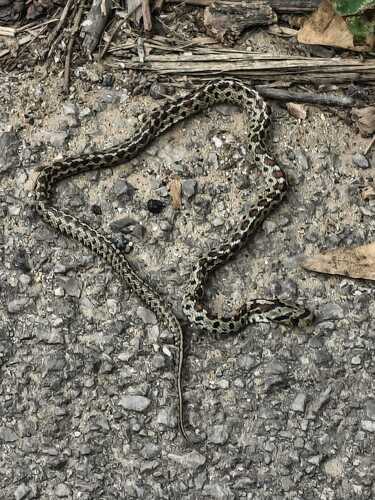
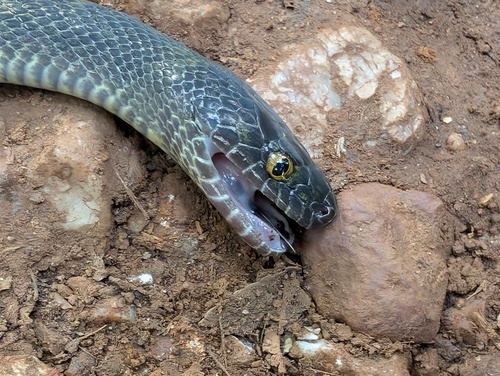
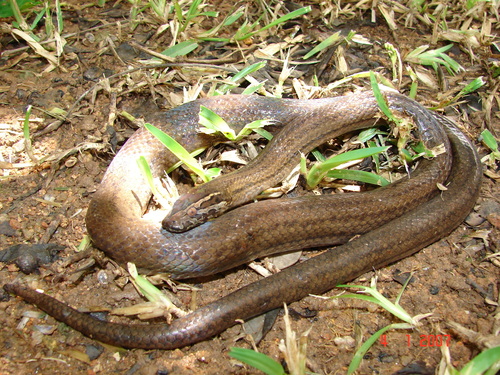
Lamprophiidae (2)
Viperidae (1)
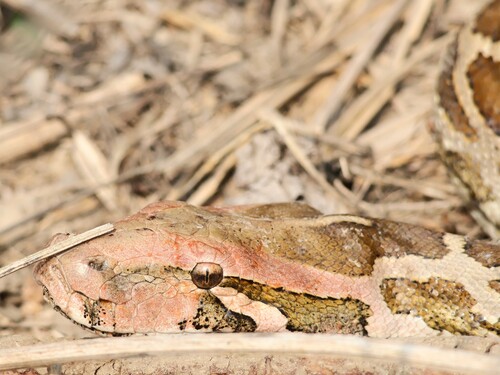
Pythonidae (1)
Psammophiidae (1)
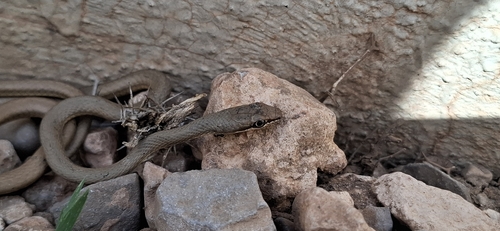
Compiled from verified GBIF & iNaturalist observations. "How often seen" reflects how frequently a snake is reported here, not how dangerous it is. Informational only.
Keep learning
- Are Snakes Dangerous? The Real Risk, in PerspectiveMost snakes are harmless and avoid people. Here is the honest picture of snakebite risk worldwide and how to lower your own.
- Snakebite First Aid: What to Do (and What Never to Do)A clear, CDC-based guide to snakebite first aid: the steps that help, the popular myths that hurt, and how to tell a serious bite from a minor one.
- Venomous vs Nonvenomous: How to Tell the DifferenceThe folk rules for telling venomous snakes apart, where each one fails, and why location-based identification beats guessing by sight.
- What to Do If You Find a SnakeFound a snake at home or on a trail? Here is how to stay calm, give it space, identify it safely, and know when to call a professional.