
Serbia
Snakes in Serbia
10 snake species have been recorded in Serbia, 2 venomous.
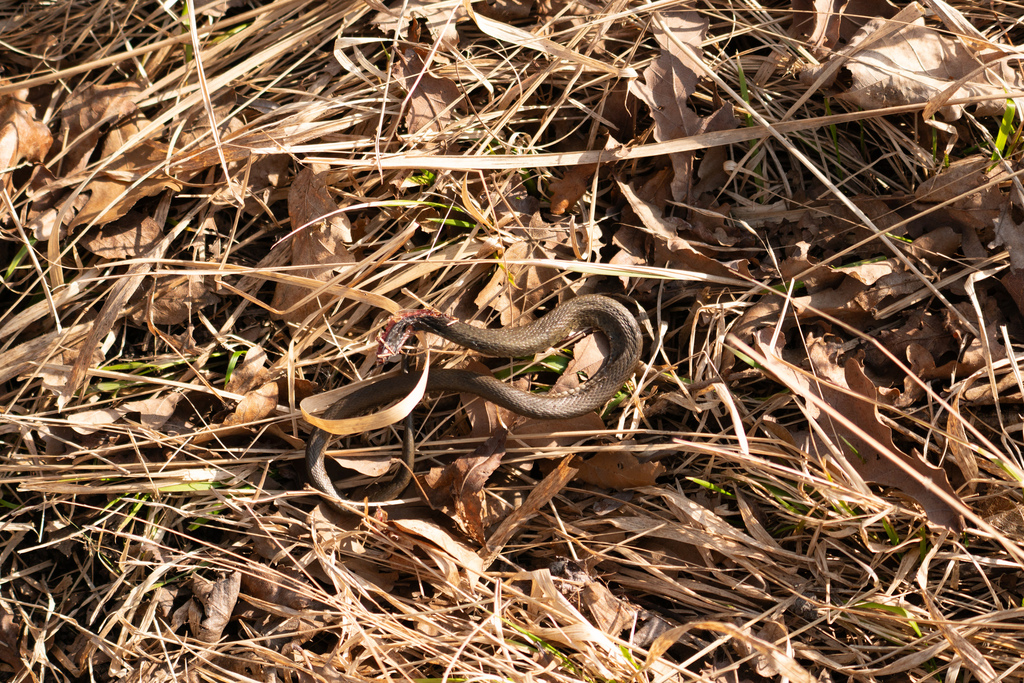
Snakes of Serbia
Serbia is a landlocked country in the central Balkans, and its snake fauna reflects that interior, continental position. The land rises from the flat Pannonian plains and farmland of Vojvodina in the north, through the hills and river valleys of the Danube, Sava, and Morava, into the mountains of the south and east. This range of habitats, from warm lowland grassland and wetland margins to rocky slopes and forested uplands, supports a modest set of snakes. Our database records 10 species for Serbia, of which 2 are venomous. The great majority of species are non-venomous.
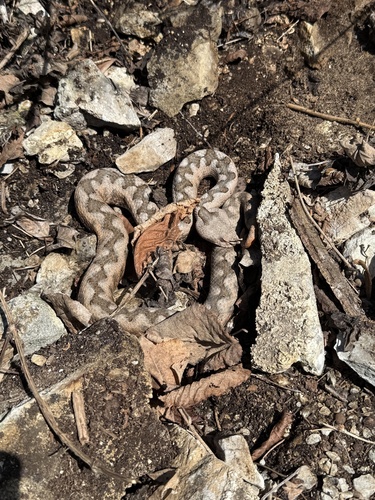
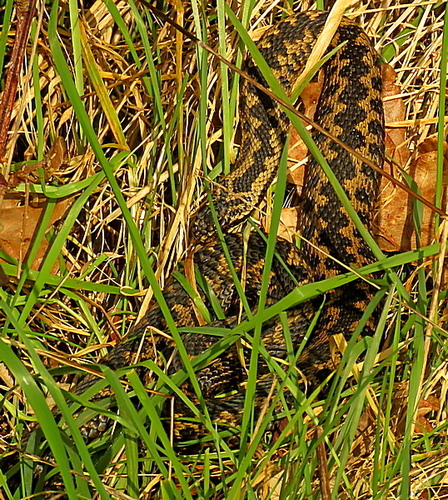
The venomous snakes present in Serbia belong to the viper family, the only group of medically significant snakes in this part of Europe. These are stout, broad-headed snakes with vertical pupils and the characteristic dark zigzag or blotched pattern running down the back. They favor sunny, rocky and scrubby ground, forest edges, and mountain slopes, where they ambush small prey rather than chasing it. Vipers are not aggressive and rely on camouflage; bites almost always follow a snake being stepped on, cornered, or handled. Their venom can cause serious local swelling, pain, and systemic effects, so any suspected viper bite is a medical matter.
The harmless majority covers most snakes a person is likely to encounter in Serbia. Among them are the colubrid snakes: fast, slender, large-eyed species such as the grass snakes and water snakes found near rivers, ponds, and damp ground, where they hunt frogs and fish, and the dice snake common along waterways. There are also the agile whip snakes and the constricting smooth and Aesculapian snakes of warmer, rockier terrain. These snakes are non-venomous to people. Some will hiss, flatten the head, or release a foul musk when disturbed, but these are bluffs rather than real threats.
Snakes are valuable parts of the Serbian ecosystem. They are efficient predators of rodents, helping limit populations of mice and rats around farmland and settlements, and the water-associated species help regulate amphibians and fish. In turn they are prey for birds of prey, mammals, and larger reptiles, linking the small-animal and predator layers of the food web. A healthy snake population is a sign of intact grassland, wetland, and forest habitat.
On safety, the honest picture is that the great majority of Serbia's snakes are harmless to people, and the main medical concern is a viper bite. The treatment for a venomous bite is professional medical care: antivenom and supportive treatment given at a hospital. Never handle a wild snake, whether you believe it is venomous or not, since identification in the field is unreliable and even non-venomous snakes bite defensively. If a bite happens, keep the person calm, limit movement, and get to emergency care immediately. In the United States contact Poison Control at 1-800-222-1222; in Serbia and elsewhere call local emergency services.
Snakes in Serbia: FAQ
- Are there venomous snakes in Serbia?
- Yes. 2 venomous snake species have verified records in Serbia, including Nose-horned Viper, Adder. Most snakes in Serbia, however, are harmless.
- How many snake species live in Serbia?
- 10 snake species have verified records in Serbia, of which 2 are venomous.
- What is the most commonly seen snake in Serbia?
- The Grass Snake is the most frequently reported snake in Serbia, based on verified wildlife observations.
- What should I do if I see a venomous snake in Serbia?
- Keep your distance and do not try to catch or kill it. Most bites happen when people handle or corner a snake. If someone is bitten, contact local emergency services or poison control immediately.
Venomous snakes in Serbia
Every snake recorded in Serbia
10 species across 2 families, grouped by family. Venomous flagged.
Colubridae (8)
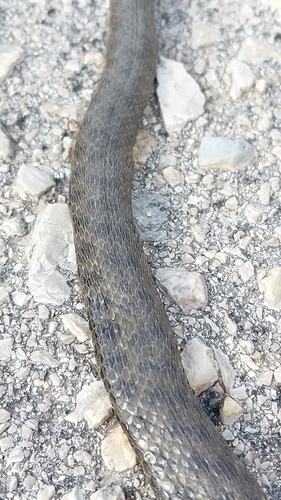
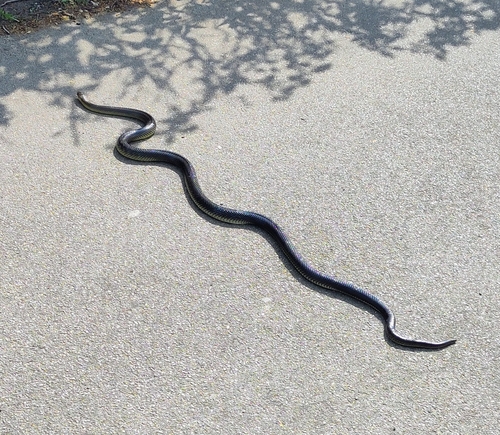
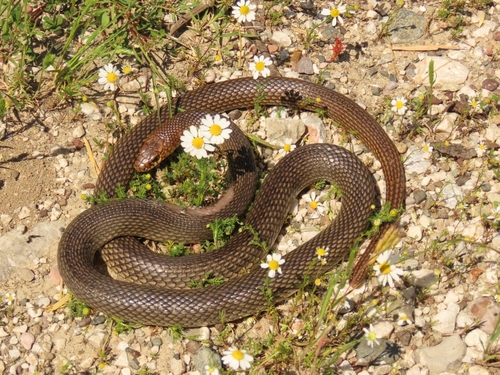
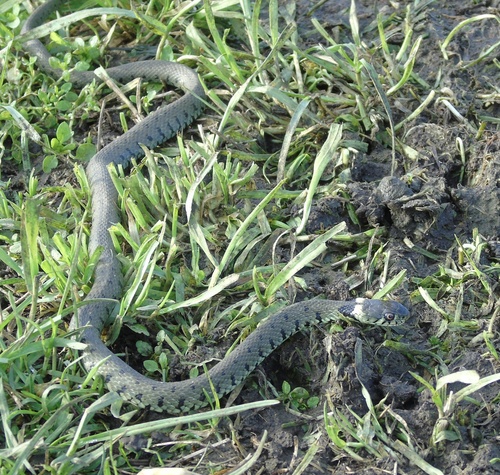
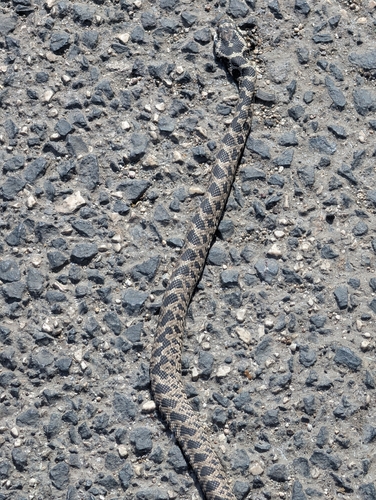
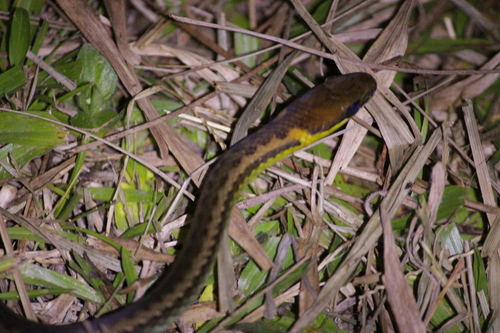
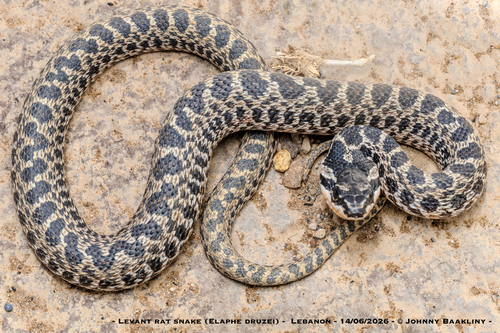
Compiled from verified GBIF & iNaturalist observations. "How often seen" reflects how frequently a snake is reported here, not how dangerous it is. Informational only.
Keep learning
- Are Snakes Dangerous? The Real Risk, in PerspectiveMost snakes are harmless and avoid people. Here is the honest picture of snakebite risk worldwide and how to lower your own.
- Snakebite First Aid: What to Do (and What Never to Do)A clear, CDC-based guide to snakebite first aid: the steps that help, the popular myths that hurt, and how to tell a serious bite from a minor one.
- Venomous vs Nonvenomous: How to Tell the DifferenceThe folk rules for telling venomous snakes apart, where each one fails, and why location-based identification beats guessing by sight.
- What to Do If You Find a SnakeFound a snake at home or on a trail? Here is how to stay calm, give it space, identify it safely, and know when to call a professional.