
Samoa
Snakes in Samoa
8 snake species have been recorded in Samoa, 4 venomous.
Snakes of Samoa
Samoa is a small tropical archipelago in the central South Pacific, made up of two main volcanic islands, Upolu and Savaii, plus several smaller ones. Its snake fauna is shaped by this remoteness and by the islands' mix of rainforest, lowland coastal vegetation, and the surrounding warm ocean. Land snakes in Samoa are few, the product of long over-water dispersal rather than the rich radiations seen on continents. Our database records 8 snake species for Samoa, 4 of them venomous, and the great majority of species across the wider region are non-venomous.
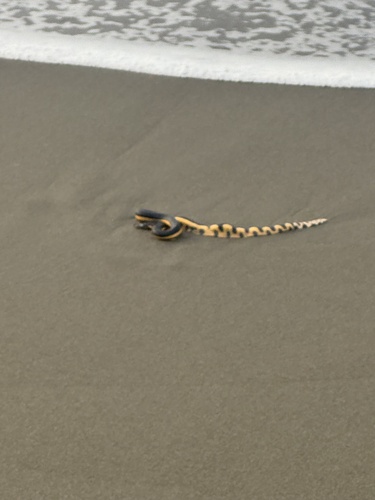
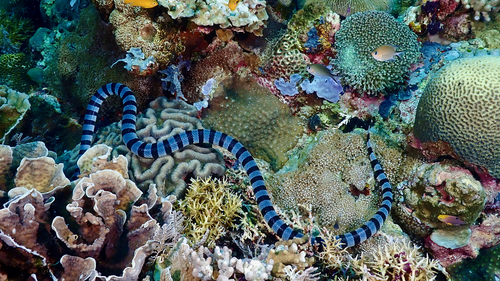
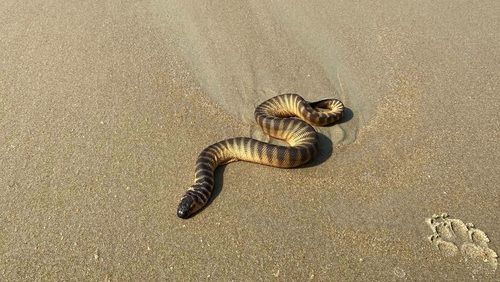
The venomous species recorded here are essentially marine, not land animals. The Pacific around Samoa is home to sea snakes and sea kraits, front-fanged relatives of cobras whose venom is genuinely potent. These animals spend their lives in the water and along reefs and rocky shorelines, hunting fish and eels. Sea kraits come ashore to rest and lay eggs, so they are the most likely venomous snake a person on land might encounter near the coast. They are generally placid and not aggressive toward people, but their venom is medically serious, which is why no one should ever attempt to catch or handle one.
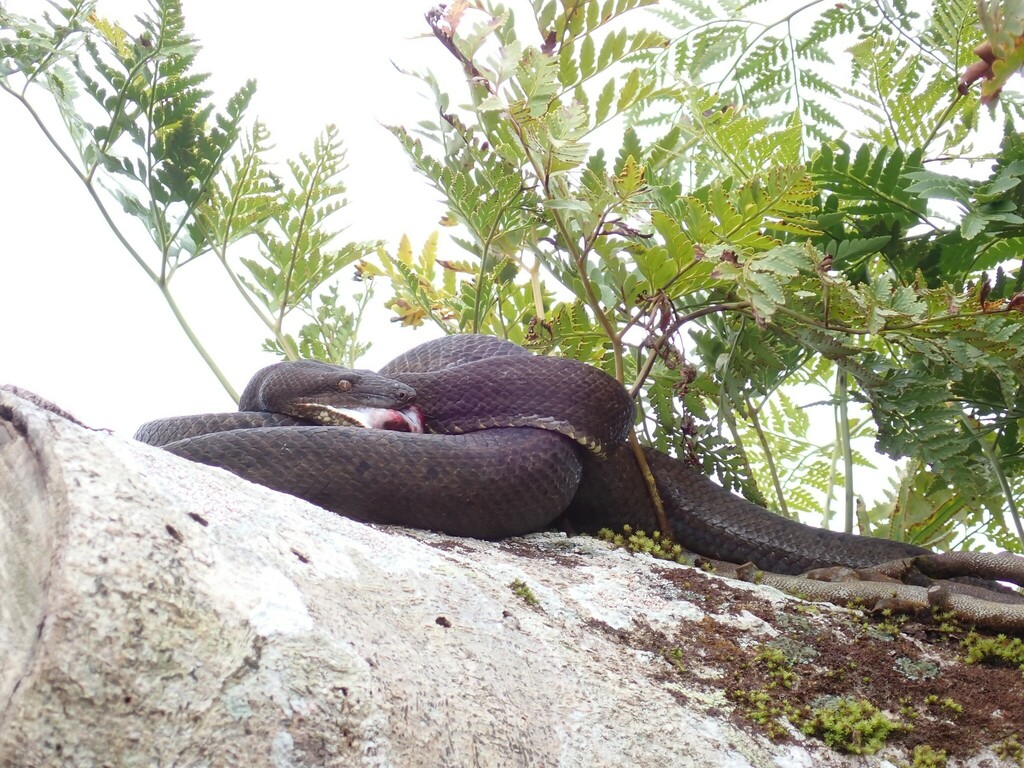
The harmless land snakes of Samoa belong to non-venomous groups typical of remote Pacific islands. The standout is the Pacific boa, a constrictor that occurs across this part of Oceania and represents the kind of larger, harmless snake able to colonize isolated islands. Alongside it the region hosts small burrowing blind snakes, slender worm-like animals that live in soil and leaf litter and feed on ant and termite larvae. These blind snakes are completely harmless to people and are easily mistaken for earthworms. Together they make up the resident terrestrial snake life, which is modest in number but ecologically established.
Even a small snake community does real work in an island ecosystem. The land snakes help regulate populations of insects, small reptiles, and rodents, while the burrowing species move through the soil and feed on invertebrates that would otherwise go unchecked. In the surrounding waters, sea snakes and sea kraits are significant predators of reef fish and eels, and they in turn are prey for larger marine animals. On islands with limited native fauna, each of these roles matters more, not less.
For visitors and residents the practical picture is straightforward. The snakes you might meet on land are harmless, and the species capable of a dangerous bite are the marine sea snakes and sea kraits along the coast and reefs. The sensible rule is to leave any snake alone and never handle a wild one, since a calm appearance is no guarantee of safety. If a venomous bite is suspected, the correct response is immediate professional medical care. Antivenom and hospital treatment are the only reliable treatment, so contact local emergency services right away, or in the United States reach Poison Control at 1-800-222-1222.
Snakes in Samoa: FAQ
- Are there venomous snakes in Samoa?
- Yes. 4 venomous snake species have verified records in Samoa, including Yellow-bellied Sea Snake, Yellow-lipped Sea Krait, Spine-bellied Sea Snake, Blue-lipped Sea Krait. Most snakes in Samoa, however, are harmless.
- How many snake species live in Samoa?
- 8 snake species have verified records in Samoa, of which 4 are venomous.
- What is the most commonly seen snake in Samoa?
- The Bibron's Bevel-nosed Boa is the most frequently reported snake in Samoa, based on verified wildlife observations.
- What should I do if I see a venomous snake in Samoa?
- Keep your distance and do not try to catch or kill it. Most bites happen when people handle or corner a snake. If someone is bitten, contact local emergency services or poison control immediately.
Venomous snakes in Samoa
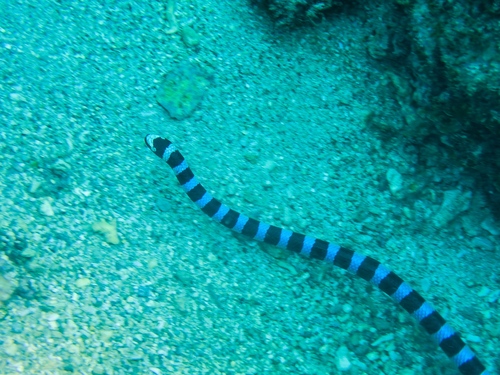
Every snake recorded in Samoa
8 species across 4 families, grouped by family. Venomous flagged.
Elapidae (4)
Colubridae (2)
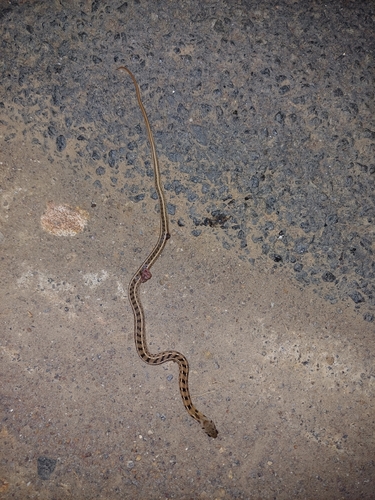
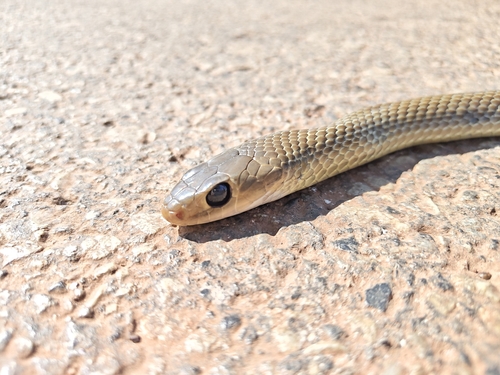
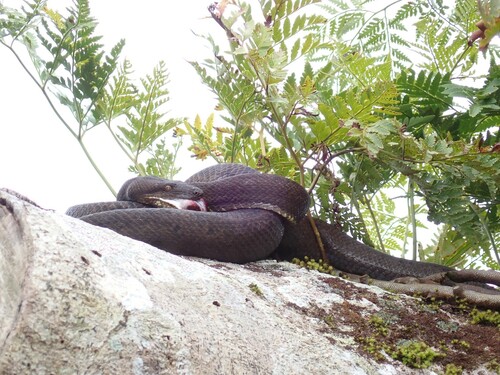
Typhlopidae (1)
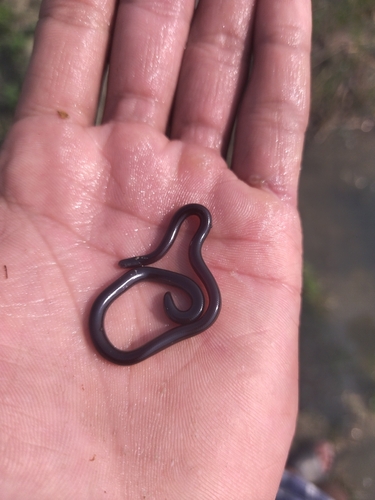
Compiled from verified GBIF & iNaturalist observations. "How often seen" reflects how frequently a snake is reported here, not how dangerous it is. Informational only.
Keep learning
- Are Snakes Dangerous? The Real Risk, in PerspectiveMost snakes are harmless and avoid people. Here is the honest picture of snakebite risk worldwide and how to lower your own.
- Snakebite First Aid: What to Do (and What Never to Do)A clear, CDC-based guide to snakebite first aid: the steps that help, the popular myths that hurt, and how to tell a serious bite from a minor one.
- Venomous vs Nonvenomous: How to Tell the DifferenceThe folk rules for telling venomous snakes apart, where each one fails, and why location-based identification beats guessing by sight.
- What to Do If You Find a SnakeFound a snake at home or on a trail? Here is how to stay calm, give it space, identify it safely, and know when to call a professional.