
Saint Barthélemy
Snakes in Saint Barthélemy
8 snake species have been recorded in Saint Barthélemy, and none are venomous.
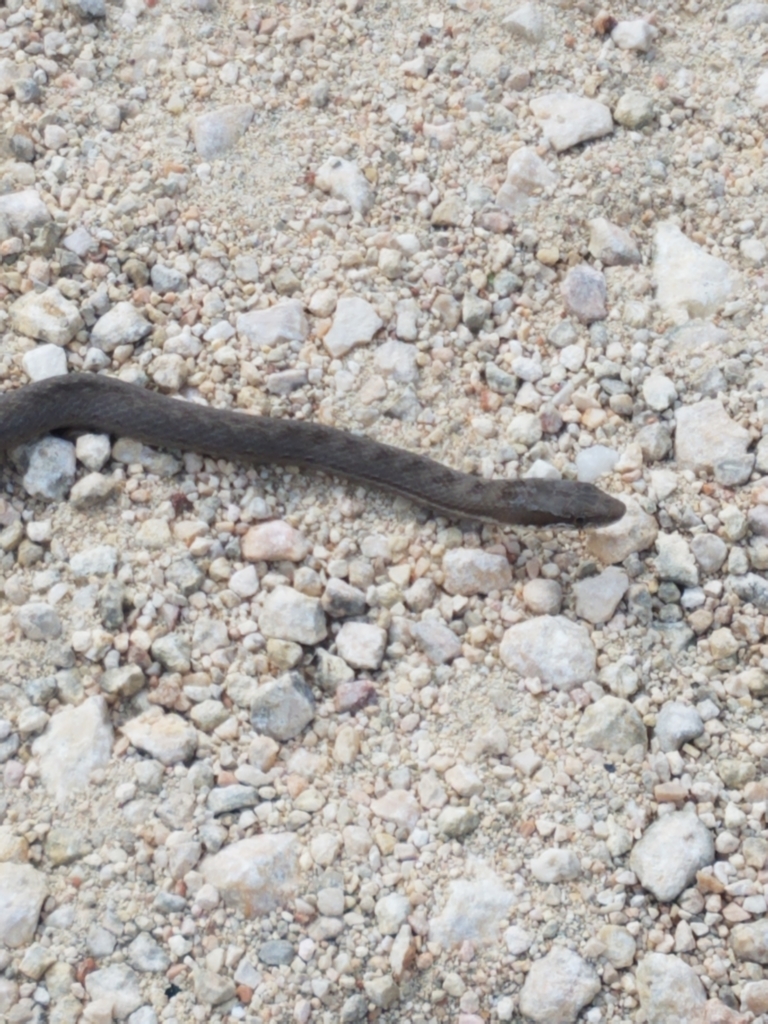
Snakes of Saint Barthélemy
Saint Barthélemy is a small volcanic island in the northern Lesser Antilles, covering only about 25 square kilometers of dry, hilly terrain. Its snake fauna reflects that scale and isolation. Our database records 8 snake species for the island, and none of them are recorded as venomous. The landscape is a mosaic of arid scrub, rocky hillsides, dry forest, gardens, and coastal vegetation, with no large rivers or extensive wetlands. These dry, broken habitats favor small, ground-dwelling and burrowing snakes rather than the large constrictors or pit vipers found on the South American mainland.
Like most of the smaller Lesser Antillean islands, Saint Barthélemy has no established population of dangerously venomous snakes. The medically serious vipers of the region, such as the lanceheads of Martinique and Saint Lucia, never colonized the smaller, drier northern islands, and Saint Barthélemy is among those without them. The great majority of the snakes here belong to non-venomous and harmless groups. In practical terms, a person walking the island's trails or gardens will not encounter a snake capable of a life-threatening bite.
The harmless majority is dominated by small species. Blind snakes and threadsnakes, which look more like earthworms than serpents, live in soil and leaf litter and feed on ant and termite brood. Slender, fast-moving racer-type colubrids hunt lizards and small prey by day in scrub and rocky areas. Island snake faunas like this one are also vulnerable to introduced predators and habitat loss, so several of these small native snakes are uncommon and of conservation interest. None of them pose a threat to people.
These snakes earn their place in the island's ecology. Burrowing blind snakes and threadsnakes help regulate insect populations underground, while the surface-active racers control lizards and other small animals. On a compact island with limited land area, that pest control and prey-balancing role matters, and snakes also serve as food for birds and other predators in the local food web.
On safety, the honest summary for Saint Barthélemy is reassuring: the species present are harmless to humans, and the island has no established dangerously venomous snake. There is no significant snakebite medical threat from native species. Even so, never handle a wild snake, and never assume an unfamiliar snake is safe to pick up. If anyone is bitten and there is any concern, keep the person calm, do not attempt to treat the wound yourself, and seek professional medical care immediately. The correct treatment for any serious envenomation anywhere is hospital evaluation and antivenom where indicated, not field first aid. In the United States you can reach Poison Control at 1-800-222-1222; on the island, contact local emergency services.
Snakes in Saint Barthélemy: FAQ
- Are there venomous snakes in Saint Barthélemy?
- No venomous snakes have verified records in Saint Barthélemy. Every snake recorded here is harmless to humans, though any snake may bite defensively if handled.
- How many snake species live in Saint Barthélemy?
- 8 snake species have verified records in Saint Barthélemy.
- What is the most commonly seen snake in Saint Barthélemy?
- The Anguilla Bank Racer is the most frequently reported snake in Saint Barthélemy, based on verified wildlife observations.
Every snake recorded in Saint Barthélemy
8 species across 3 families, grouped by family. Venomous flagged.
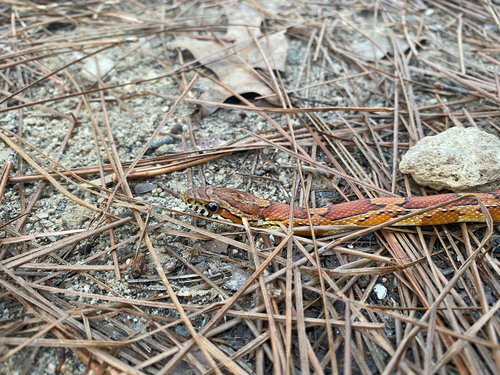
Colubridae (3)
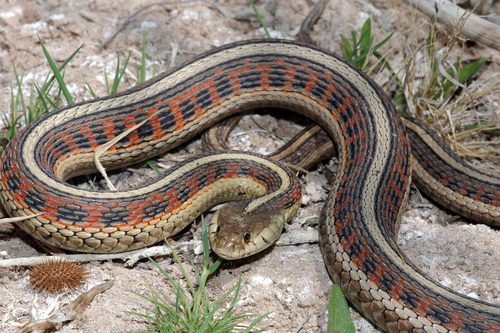
Pythonidae (3)
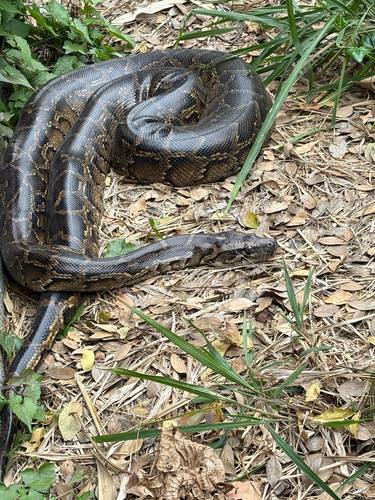
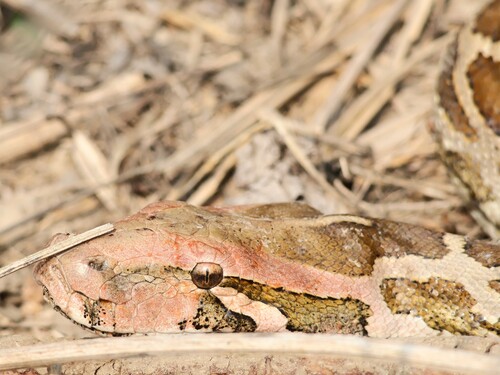
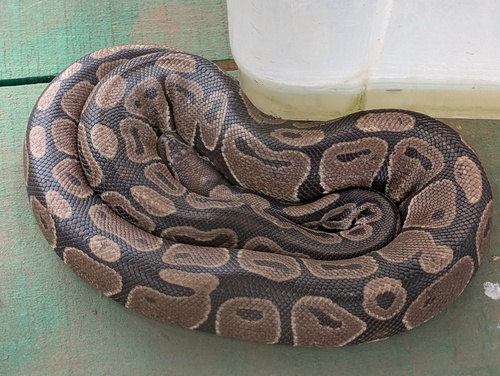
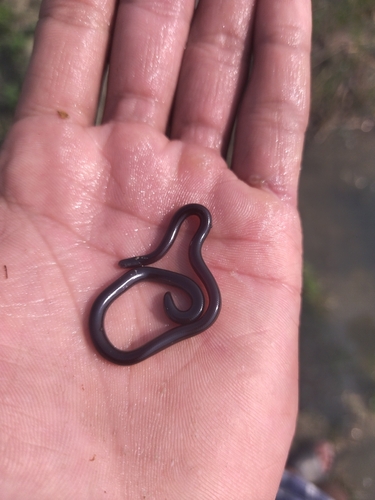
Compiled from verified GBIF & iNaturalist observations. "How often seen" reflects how frequently a snake is reported here, not how dangerous it is. Informational only.
Keep learning
- What Is a Snake? Anatomy and the BasicsA clear overview of what makes a snake a snake: limbless body plan, anatomy, evolution from lizards, species diversity, and why they are ectothermic.
- What to Do If You Find a SnakeFound a snake at home or on a trail? Here is how to stay calm, give it space, identify it safely, and know when to call a professional.
- How to Keep Snakes Out of Your Yard and HomeA practical guide to keeping snakes out of your yard and home using habitat changes that work, plus what to skip and what to do if one shows up.
- Are Snakes Dangerous? The Real Risk, in PerspectiveMost snakes are harmless and avoid people. Here is the honest picture of snakebite risk worldwide and how to lower your own.