
Palestine
Snakes in Palestine
20+ snake species have been recorded in Palestine, 5 venomous.
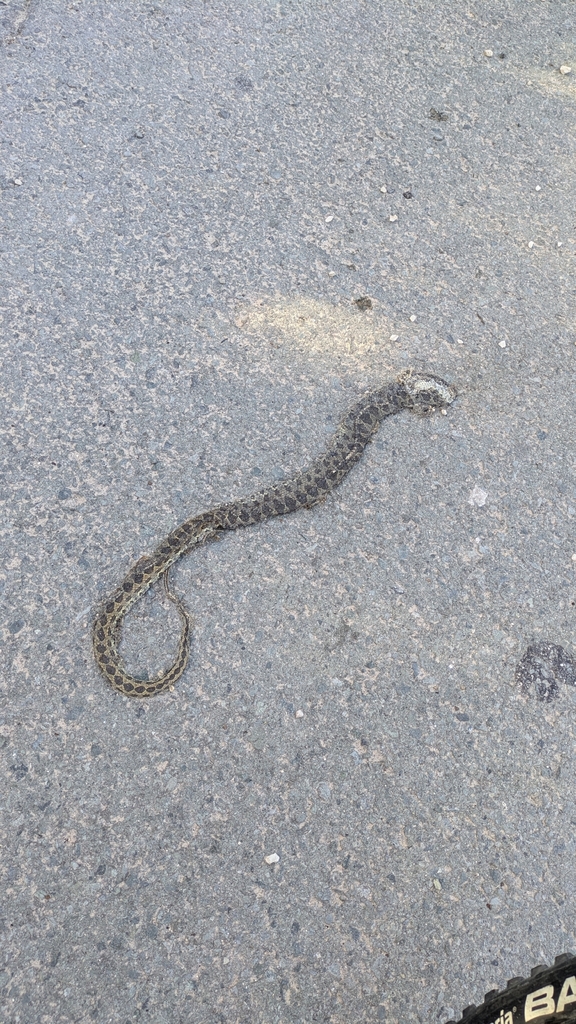
Snakes of Palestine
Palestine, State of has 20+ snake species recorded in our database, 5 of them venomous. The great majority of species are non-venomous, which means most snakes a person encounters in the region pose no danger of a serious bite. The snake fauna here belongs to the eastern Mediterranean and Levantine biogeographic zone, a meeting point of European, Asian, and African influences that gives the area a surprisingly varied reptile community for its size.
The diversity is driven by sharp contrasts in habitat packed into a small area. Coastal plains and Mediterranean scrub give way to the central highlands and terraced hills, then drop steeply into the Jordan Rift Valley and the arid lands around the Dead Sea and Jordan River. Each zone supports different snakes, from moisture-loving species in cultivated and wooded uplands to heat-adapted desert specialists in the eastern and southern drylands. Rocky outcrops, wadis, agricultural terraces, and seasonal watercourses all add microhabitats, which is why a region this size holds so many species.
The medically important venomous snakes here belong to the viper family. True vipers of the genus Vipera and the larger, heavy-bodied Macrovipera and Daboia group are the snakes capable of causing serious harm, and the Palestine viper is the species most associated with dangerous bites in the populated Mediterranean and hill country. Desert areas add saw-scaled vipers (genus Echis), small but responsible for severe envenomation across their range, and horned and sand vipers adapted to dry, sandy ground. There are no native cobras, mambas, pit vipers, coral snakes, or rattlesnakes in this region. Rear-fanged colubrids such as the venomous-but-low-risk cat snakes also occur, but they are not a meaningful threat to people.
The large non-venomous majority is what most residents and visitors actually meet. Whip snakes and racers (such as the large Caspian whipsnake), the impressive black desert cobra-mimicking species aside, and the various rat snakes, sand snakes, dwarf snakes, and the harmless coin-marked and diadem snakes make up the bulk of the fauna. Many are fast, alert, and quick to flee. These snakes are commonly seen in fields, gardens, stone walls, and rocky hillsides, and despite their size or speed they carry no venom dangerous to humans.
Snakes earn their place in the ecosystem through pest control. By preying heavily on rats, mice, and other rodents, they suppress populations that damage stored grain and field crops and that spread disease. Larger snakes also take other reptiles and the occasional bird, while smaller species feed on insects, lizards, and amphibians. Removing or killing snakes tends to backfire by allowing rodent numbers to climb, so a healthy snake population is a sign of a functioning landscape and a quiet form of free agricultural protection.
On safety, the honest framing is that most snakes in Palestine, State of are harmless, and the main medical threat comes from the region's vipers, with the Palestine viper and the desert saw-scaled vipers being the species to respect. A wild snake should never be handled, picked up, or cornered, even one that looks harmless, because identification mistakes happen and even non-venomous bites can injure. If a bite occurs, the correct response is immediate professional medical care: antivenom and hospital treatment are the proven course. Get to emergency services or a hospital without delay, and in the United States you can also reach Poison Control at 1-800-222-1222 for guidance while heading to care.
Snakes in Palestine: FAQ
- Are there venomous snakes in Palestine?
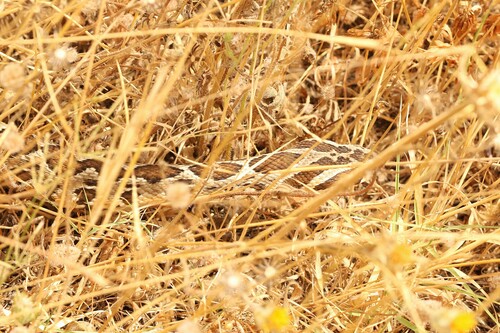
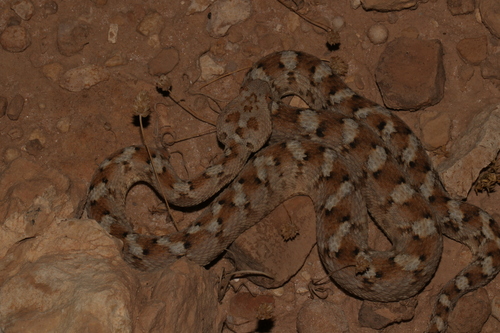
- Yes. 5 venomous snake species have verified records in Palestine, including Palestine Viper, Palestine Saw-scaled Viper, Müller's Snake, Israeli Mole Viper. Most snakes in Palestine, however, are harmless.
- How many snake species live in Palestine?
- 20+ snake species have verified records in Palestine, of which 5 are venomous.
- What is the most commonly seen snake in Palestine?
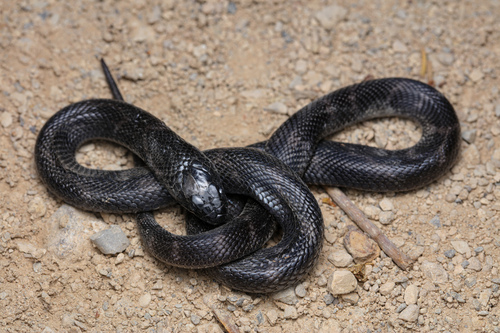
- The Asian Racer is the most frequently reported snake in Palestine, based on verified wildlife observations.
- What should I do if I see a venomous snake in Palestine?
- Keep your distance and do not try to catch or kill it. Most bites happen when people handle or corner a snake. If someone is bitten, contact local emergency services or poison control immediately.
Venomous snakes in Palestine


Every snake recorded in Palestine
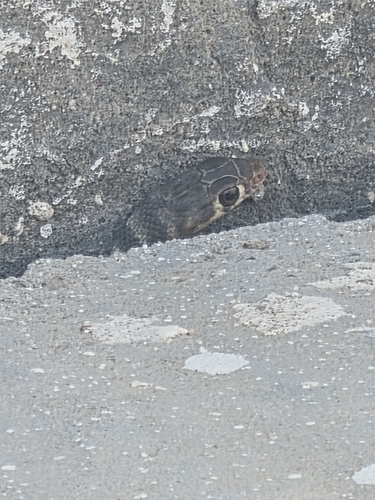
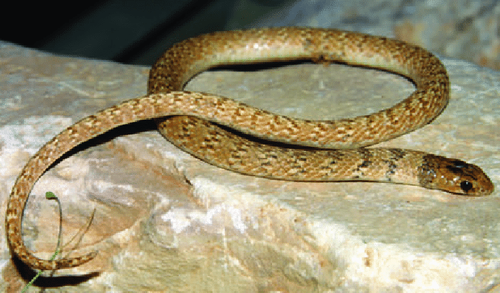
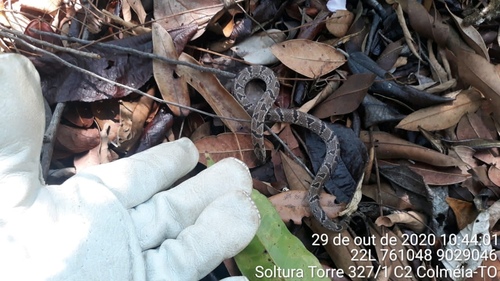
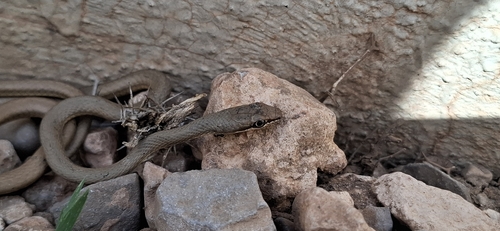
20+ species across 8 families, grouped by family. Venomous flagged.
Colubridae (16)
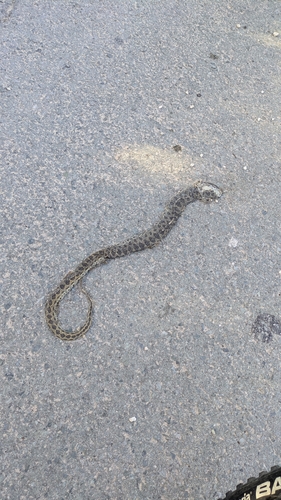
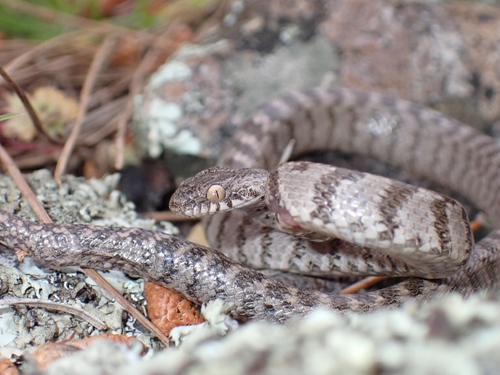
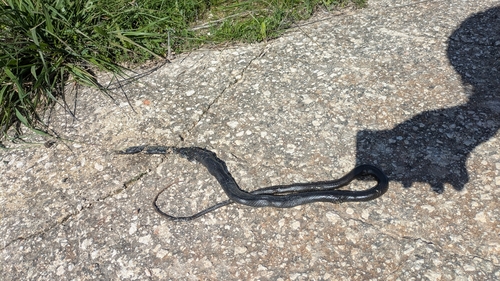
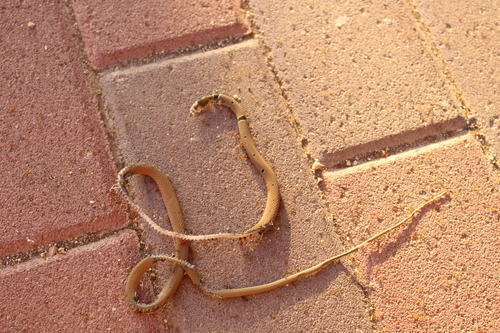
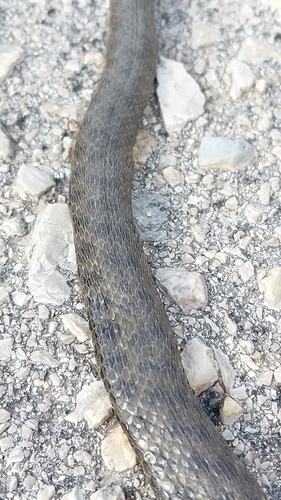
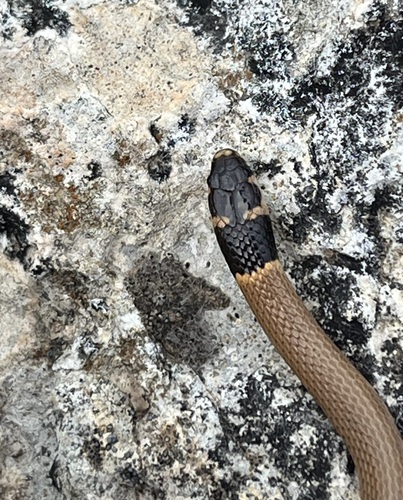
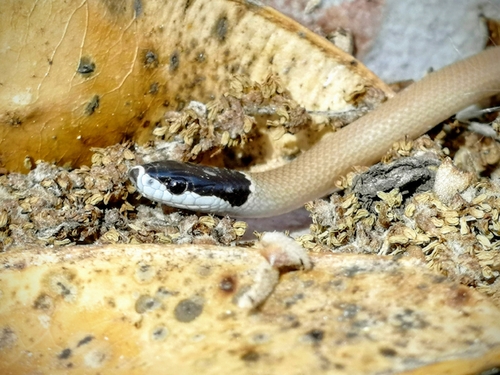

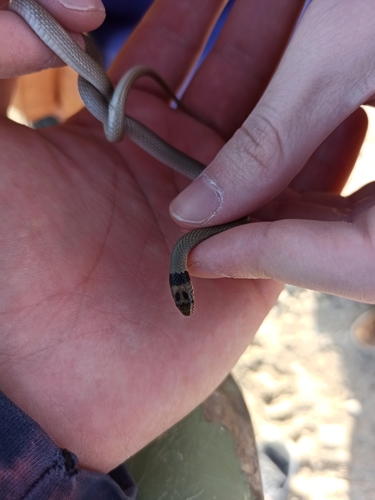
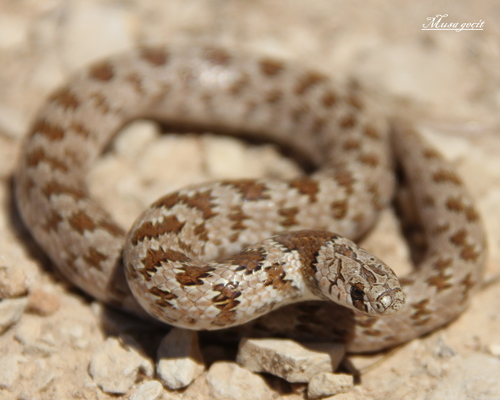
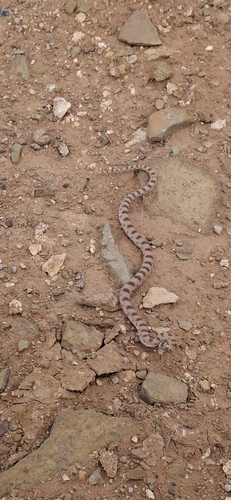
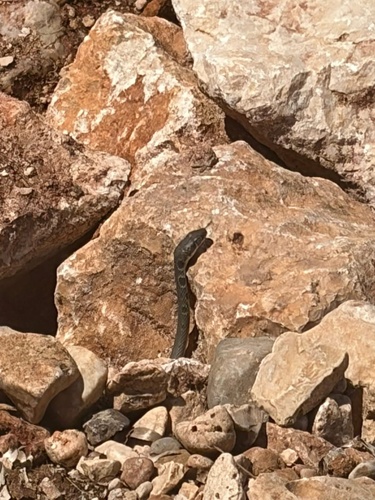
Psammophiidae (3)
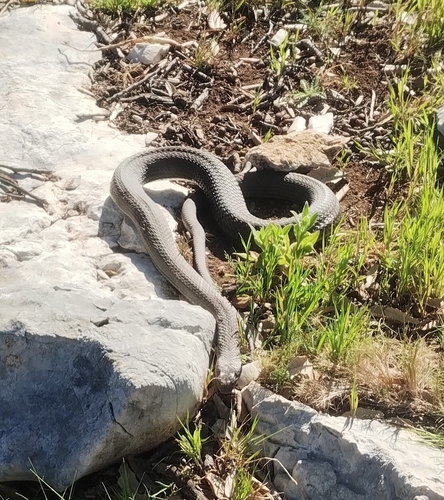
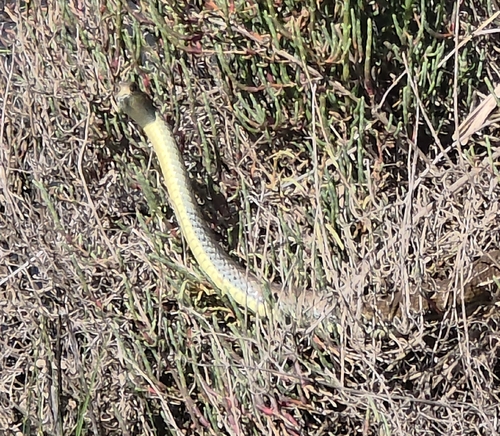
Typhlopidae (3)
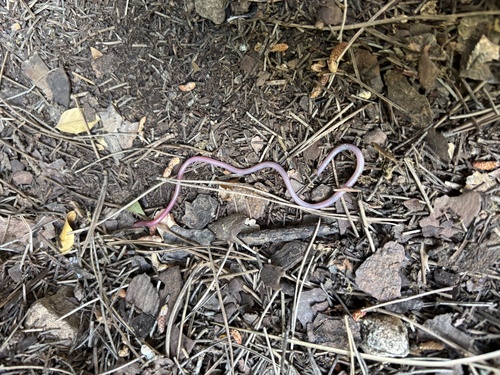
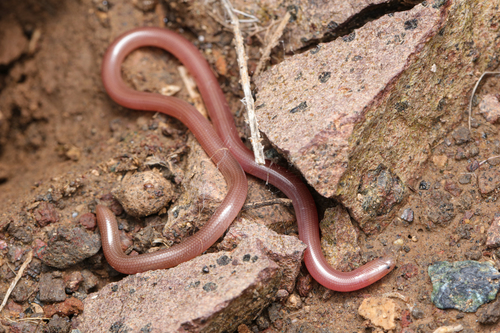
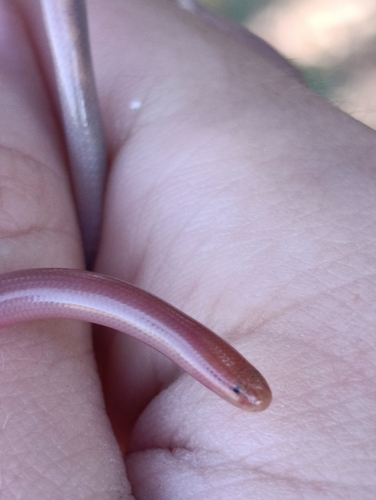
Viperidae (2)
Atractaspididae (2)
Boidae (1)
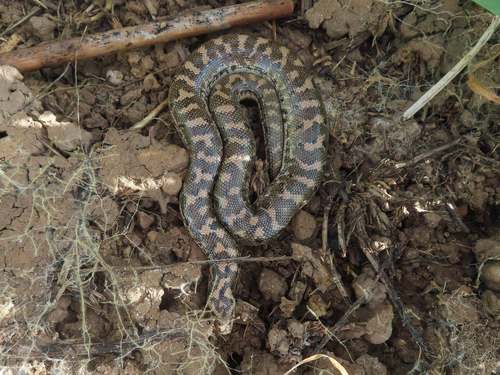
Leptotyphlopidae (1)
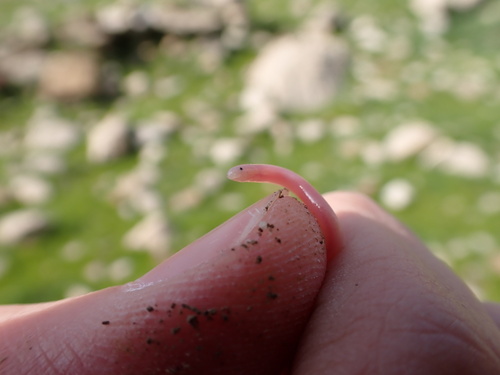
Compiled from verified GBIF & iNaturalist observations. "How often seen" reflects how frequently a snake is reported here, not how dangerous it is. Informational only.
Keep learning
- Are Snakes Dangerous? The Real Risk, in PerspectiveMost snakes are harmless and avoid people. Here is the honest picture of snakebite risk worldwide and how to lower your own.
- Snakebite First Aid: What to Do (and What Never to Do)A clear, CDC-based guide to snakebite first aid: the steps that help, the popular myths that hurt, and how to tell a serious bite from a minor one.
- Venomous vs Nonvenomous: How to Tell the DifferenceThe folk rules for telling venomous snakes apart, where each one fails, and why location-based identification beats guessing by sight.
- What to Do If You Find a SnakeFound a snake at home or on a trail? Here is how to stay calm, give it space, identify it safely, and know when to call a professional.