
North Korea
Snakes in North Korea
10+ snake species have been recorded in North Korea, 10 venomous.
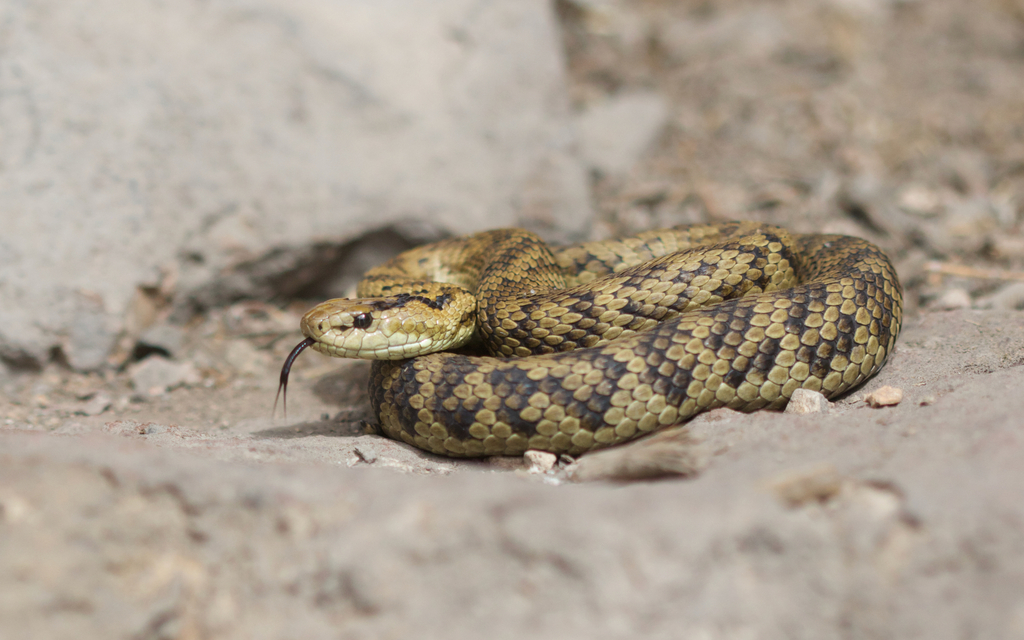
Snakes of North Korea
Korea (Democratic People's Republic of) has 10+ snake species recorded in our database, 10 of them venomous. The country occupies the northern half of the Korean Peninsula in temperate northeast Asia, a landscape dominated by rugged mountain chains, deep forested valleys, river systems, and a long coastline on both the Yellow Sea and the Sea of Japan. Cold winters force every native snake into a long period of brumation, so the active season is compressed into the warmer months. This temperate, mountainous setting shapes a snake fauna that is modest in size but well adapted to forest floor, rocky slope, wetland margin, and farmland habitats.
The venomous snakes present here are pit vipers of the family Viperidae, the same group found across much of temperate East Asia. These are the Asian moccasins and related montane pit vipers, stout, slow-moving snakes that rely on heat-sensing pits to ambush small mammals and that are most often encountered along rocky hillsides, forest edges, and stone walls. They are responsible for essentially all medically significant snakebite on the peninsula. The peninsula also hosts rear-fanged colubrids and, in coastal waters, sea snakes can occur, but the land vipers are the group that matters for human safety. Bites are typically defensive, happening when a snake is stepped on or handled rather than as unprovoked aggression.
The non-venomous majority are colubrids, the large and ecologically varied family that makes up most of the world's snakes. These include rat snakes, the slender keelback and water-associated species that hunt amphibians near streams and rice paddies, and smaller burrowing and ground snakes that feed on earthworms, frogs, and rodents. Several of the larger rat snakes are among the most familiar and iconic snakes of the Korean countryside, climbing well and often turning up around old buildings and field margins where prey is abundant. None of these harmless species poses a venom threat to people.
Ecologically, snakes are an important link in these temperate ecosystems. The colubrids are significant predators of rodents, helping limit populations that would otherwise damage stored grain and crops, while smaller species cycle insects and amphibians through the food web. The pit vipers fill the ambush-predator role on rodents in rockier terrain. In turn, snakes feed birds of prey, mammals, and larger reptiles, making them both controllers of pests and a food source that supports the wider wildlife community.
On safety, the great majority of snakes in Korea (Democratic People's Republic of) are harmless, and the realistic medical concern is a bite from one of the native pit vipers. Such bites can cause local tissue damage and other serious effects and are a genuine medical emergency. The correct response to any venomous snakebite is to get the person to a hospital quickly, where antivenom and supportive care are the established treatments. Do not attempt to handle, catch, or kill a wild snake, including any that appears harmless, since misidentification and defensive strikes are the common cause of bites. If a bite occurs, contact local emergency services immediately, or in the United States call Poison Control at 1-800-222-1222.
Snakes in North Korea: FAQ
- Are there venomous snakes in North Korea?
- Yes. 10 venomous snake species have verified records in North Korea, including Gloydius variegatus, Tiger Keelback, Siamese Red-necked Keelback, Ussuri Mamushi. Most snakes in North Korea, however, are harmless.
- How many snake species live in North Korea?
- 10+ snake species have verified records in North Korea, of which 10 are venomous.
- What is the most commonly seen snake in North Korea?
- The Gloydius variegatus is the most frequently reported snake in North Korea, based on verified wildlife observations.
- What should I do if I see a venomous snake in North Korea?
- Keep your distance and do not try to catch or kill it. Most bites happen when people handle or corner a snake. If someone is bitten, contact local emergency services or poison control immediately.
Venomous snakes in North Korea
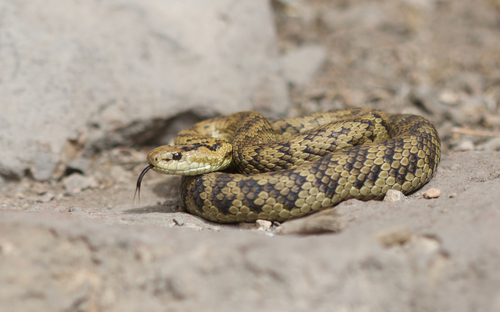
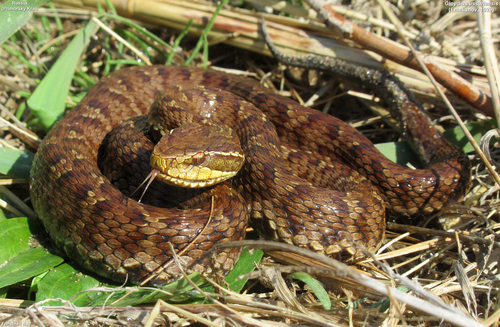
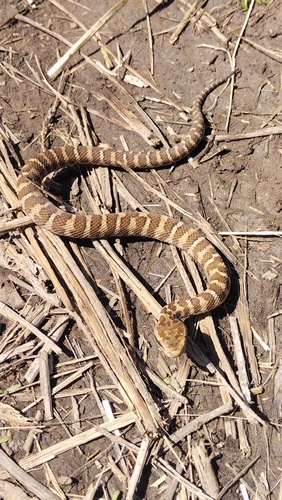
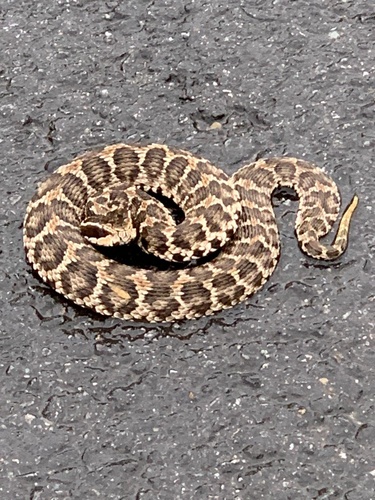
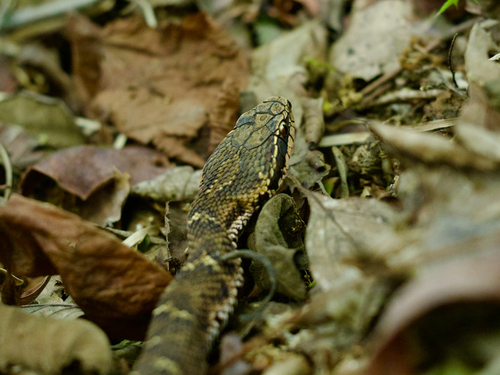
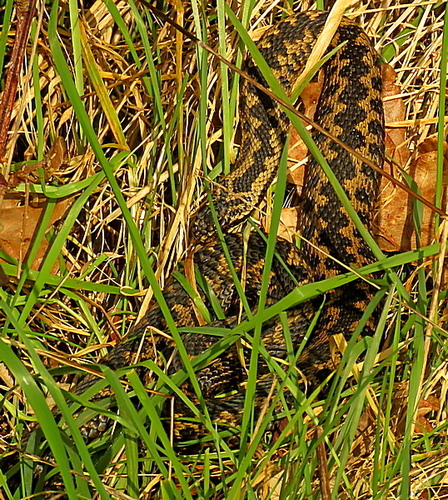
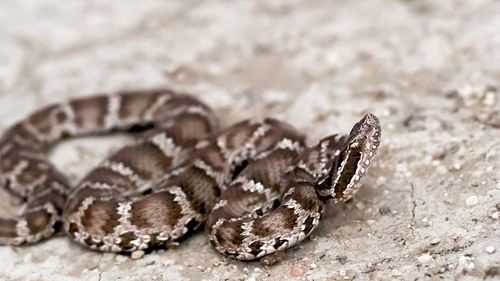
Every snake recorded in North Korea
10+ species across 2 families, grouped by family. Venomous flagged.
Colubridae (10)
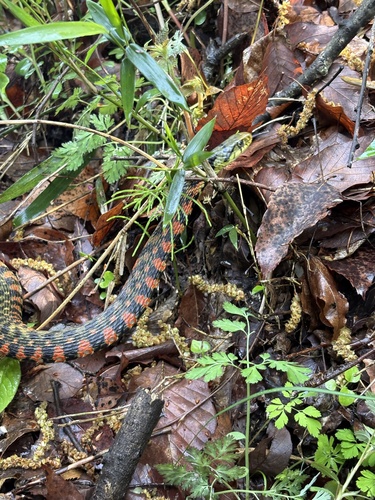
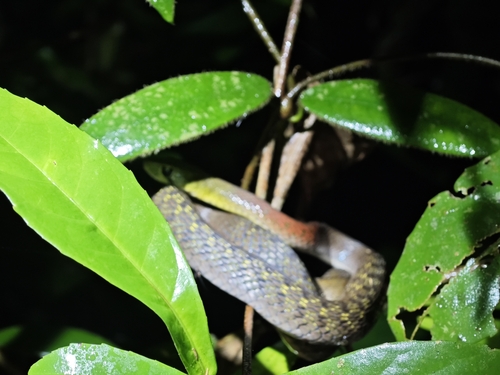
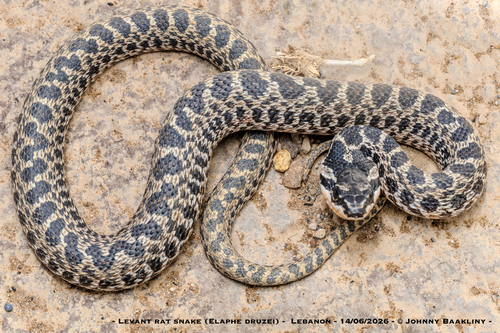
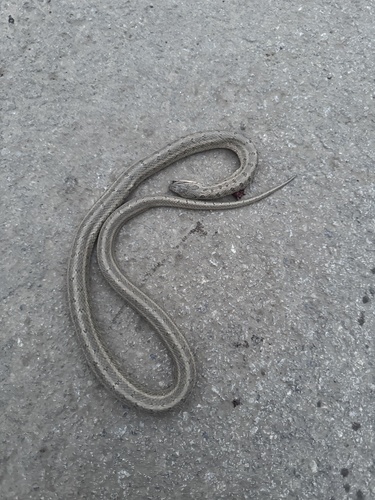
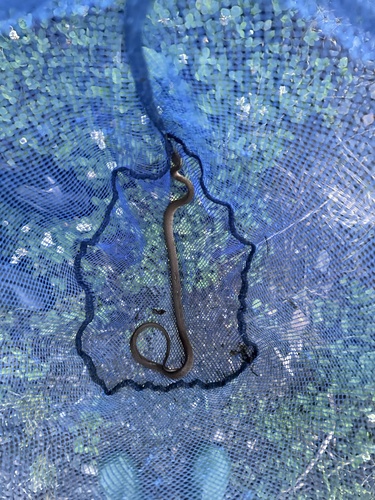
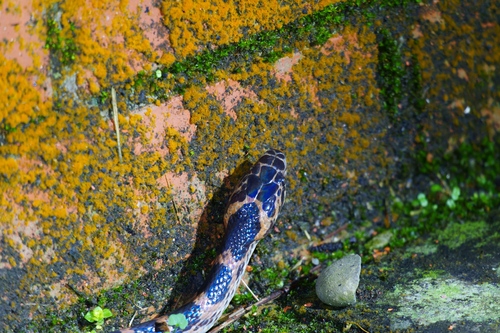
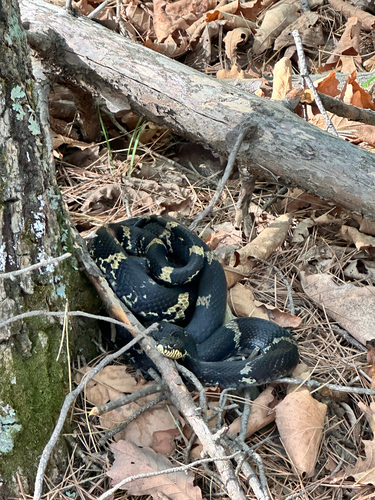
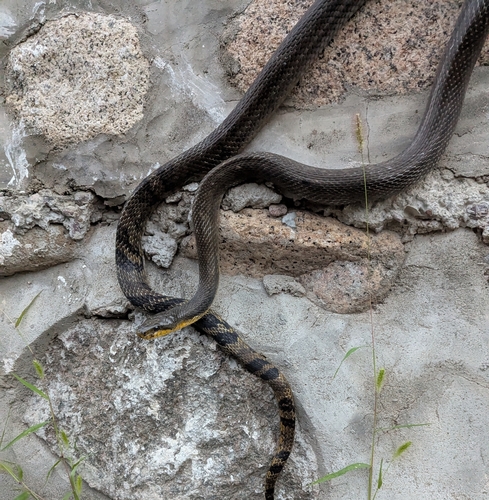
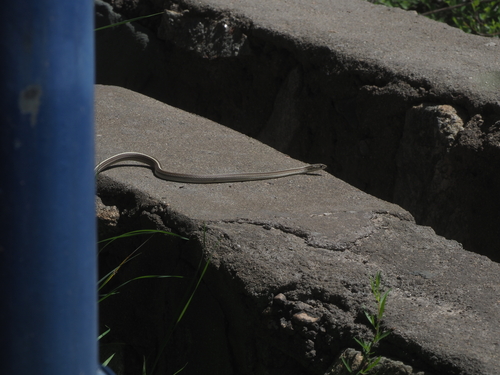
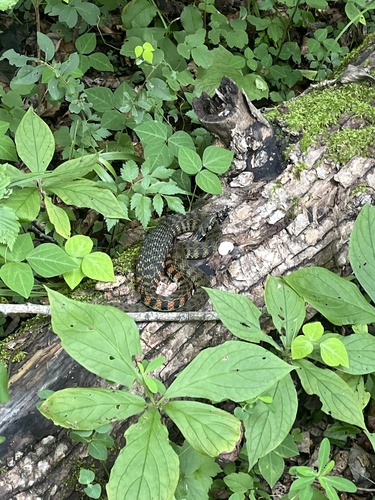
Compiled from verified GBIF & iNaturalist observations. "How often seen" reflects how frequently a snake is reported here, not how dangerous it is. Informational only.
Keep learning
- Are Snakes Dangerous? The Real Risk, in PerspectiveMost snakes are harmless and avoid people. Here is the honest picture of snakebite risk worldwide and how to lower your own.
- Snakebite First Aid: What to Do (and What Never to Do)A clear, CDC-based guide to snakebite first aid: the steps that help, the popular myths that hurt, and how to tell a serious bite from a minor one.
- Venomous vs Nonvenomous: How to Tell the DifferenceThe folk rules for telling venomous snakes apart, where each one fails, and why location-based identification beats guessing by sight.
- What to Do If You Find a SnakeFound a snake at home or on a trail? Here is how to stay calm, give it space, identify it safely, and know when to call a professional.