
Guadeloupe
Snakes in Guadeloupe
10+ snake species have been recorded in Guadeloupe, 1 venomous.
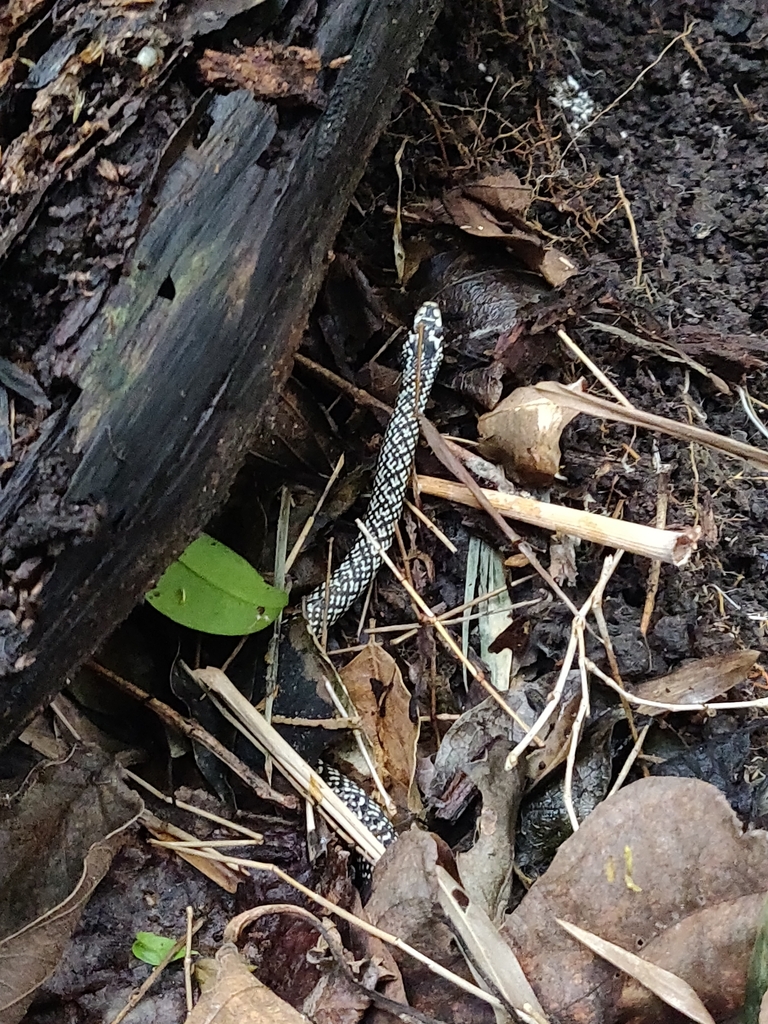
Snakes of Guadeloupe
Guadeloupe has 10+ snake species recorded in our database, of which 1 is venomous. The great majority of the island's snakes are non-venomous. This is a Caribbean archipelago shaped like a butterfly, split into the dry limestone wing of Grande-Terre and the wet volcanic wing of Basse-Terre, plus outlying islands such as Marie-Galante, La Desirade, and the Saintes. That range of terrain, from arid scrub and dry forest to humid rainforest, mangrove edges, and cultivated lowlands, gives the local snake fauna a variety of niches across a relatively small land area.
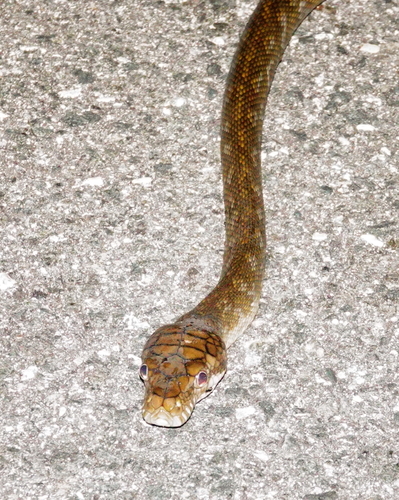
The venomous side of the picture is narrow. Guadeloupe does not have a large complement of dangerous land snakes the way some mainland tropical regions do. The one well-established venomous presence in regional waters is the sea snake group, marine elapids whose venom is medically significant but which live in the sea rather than in gardens or forest trails. On land, the species people actually encounter are overwhelmingly harmless. Reports of large terrestrial pit vipers, the kind that plague nearby Martinique and Saint Lucia, do not reflect Guadeloupe's confirmed land fauna, so the practical land risk to people here is very low.
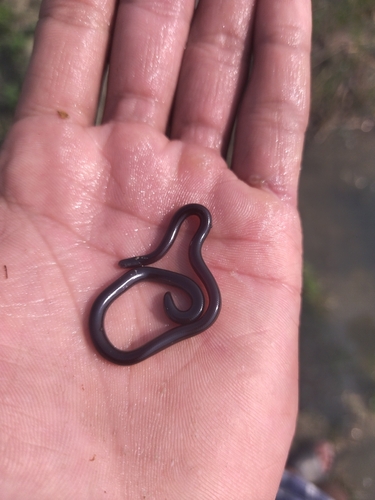
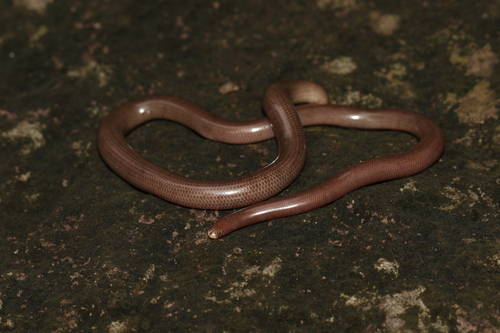
The harmless majority is what defines snake life in Guadeloupe. These are small to medium constrictors, racers, and tiny burrowing snakes that hunt by ambush or active pursuit and kill prey by grip rather than venom. The smallest are blind, worm-like burrowers that spend their lives in soil and leaf litter eating ant and termite brood, so slender and secretive that many residents never see one. Larger ground snakes feed on lizards, frogs, and rodents and are common around forest edges, stone walls, and farmland. None of these pose a danger to people.
Snakes earn their place in the island's ecology. The burrowing species aerate soil and keep insect colonies in check, while the lizard and rodent eaters sit in the middle of the food web, holding down populations that would otherwise damage crops and stored food. They are in turn prey for hawks, herons, and introduced mammals. On islands, where the cast of native predators is small, each link matters more, and losing snakes tends to ripple outward into pest problems.
On safety, the honest summary is that almost every snake you meet on land in Guadeloupe is harmless. The meaningful medical threat is the sea snake group in the water, not the land snakes. If anyone is bitten by any snake and there is genuine concern, the correct response is professional medical care: snakebite is treated in a hospital with antivenom and supportive care when indicated, not at home. Never handle a wild snake, venomous or not, since identification in the field is unreliable. In the United States you can reach Poison Control at 1-800-222-1222; elsewhere, contact local emergency services.
Snakes in Guadeloupe: FAQ
- Are there venomous snakes in Guadeloupe?
- Yes. 1 venomous snake species has verified records in Guadeloupe, including Martinique Lancehead. Most snakes in Guadeloupe, however, are harmless.
- How many snake species live in Guadeloupe?
- 10+ snake species have verified records in Guadeloupe, of which 1 is venomous.
- What is the most commonly seen snake in Guadeloupe?
- The Julia's Ground Snake is the most frequently reported snake in Guadeloupe, based on verified wildlife observations.
- What should I do if I see a venomous snake in Guadeloupe?
- Keep your distance and do not try to catch or kill it. Most bites happen when people handle or corner a snake. If someone is bitten, contact local emergency services or poison control immediately.
Venomous snakes in Guadeloupe
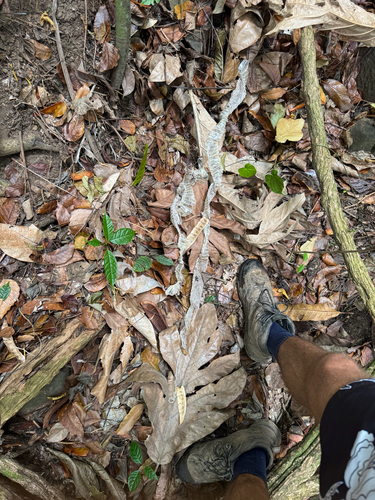
Every snake recorded in Guadeloupe
10+ species across 5 families, grouped by family. Venomous flagged.
Colubridae (10)
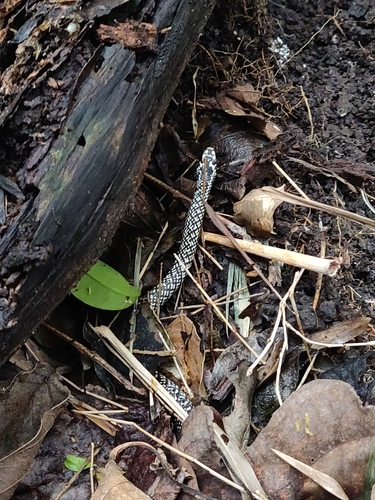
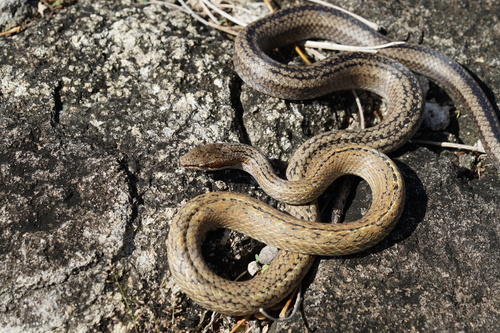
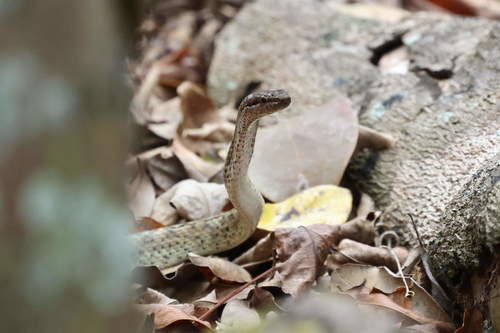
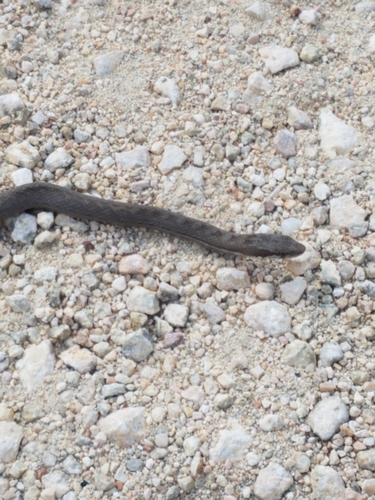
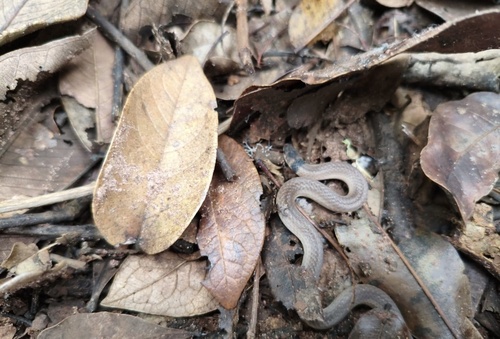
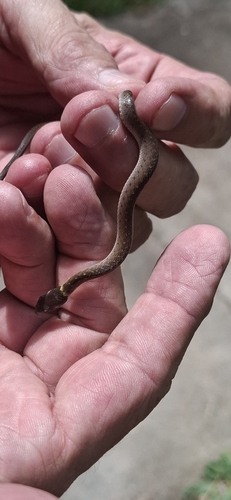
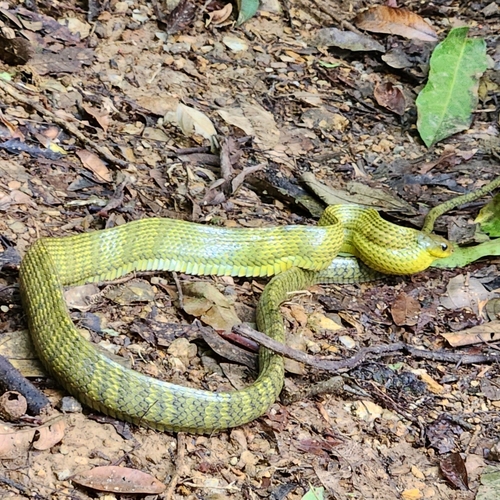
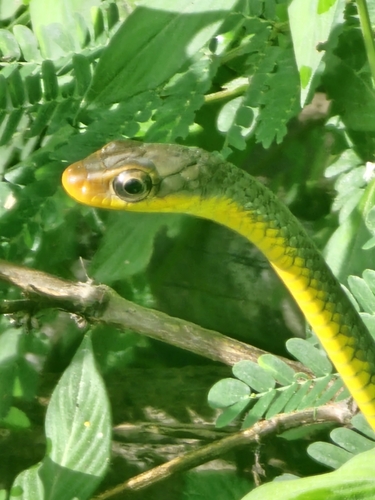
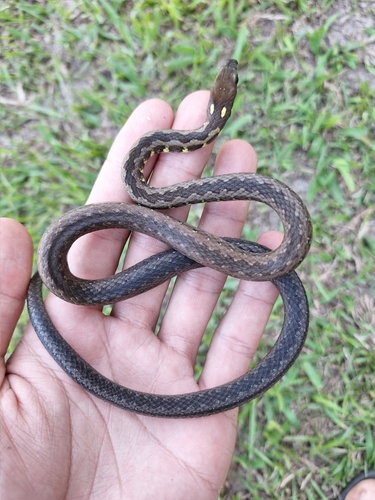
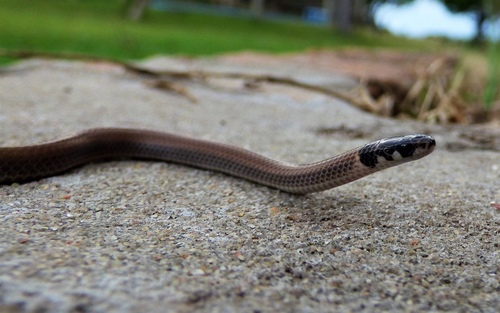
Boidae (4)
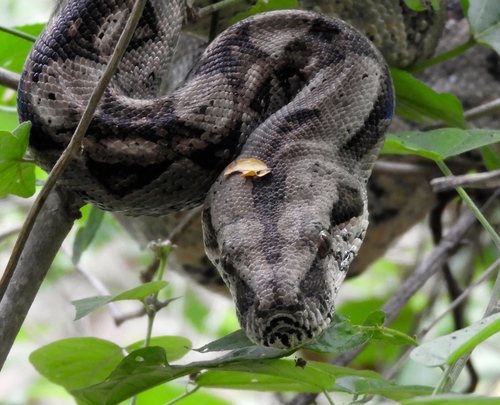
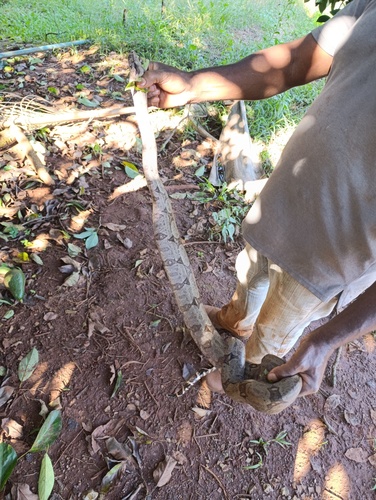
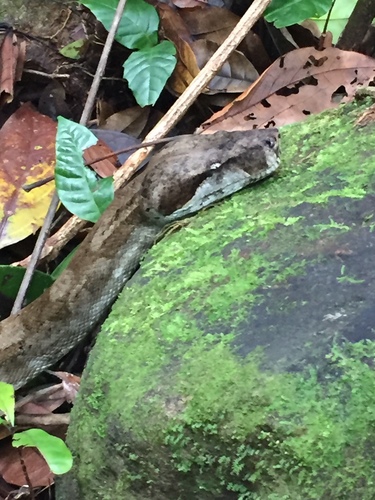
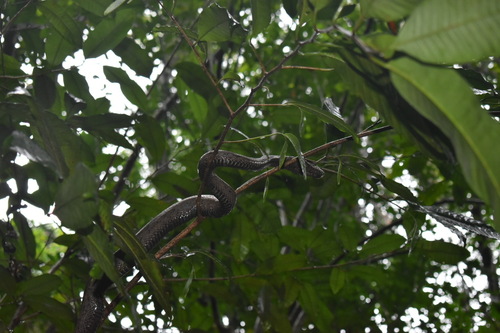
Typhlopidae (2)
Pythonidae (1)
Viperidae (1)
Compiled from verified GBIF & iNaturalist observations. "How often seen" reflects how frequently a snake is reported here, not how dangerous it is. Informational only.
Keep learning
- Are Snakes Dangerous? The Real Risk, in PerspectiveMost snakes are harmless and avoid people. Here is the honest picture of snakebite risk worldwide and how to lower your own.
- Snakebite First Aid: What to Do (and What Never to Do)A clear, CDC-based guide to snakebite first aid: the steps that help, the popular myths that hurt, and how to tell a serious bite from a minor one.
- Venomous vs Nonvenomous: How to Tell the DifferenceThe folk rules for telling venomous snakes apart, where each one fails, and why location-based identification beats guessing by sight.
- What to Do If You Find a SnakeFound a snake at home or on a trail? Here is how to stay calm, give it space, identify it safely, and know when to call a professional.