
Texas
Snakes in Childress County
11 species have been documented here, 3 of them venomous.
Venomous snakes in Childress County
Full guide & what to do if bitten →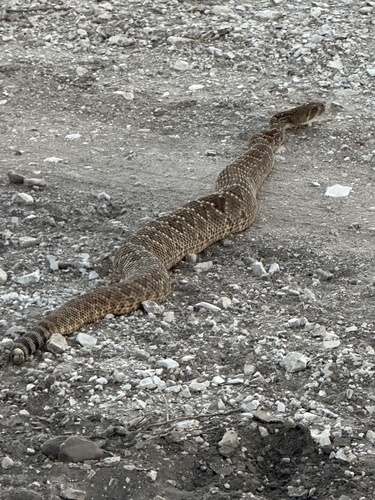 Western Diamond-backed RattlesnakeCrotalus atroxVenomous
Heavy body, broad triangular head, vertical (cat-like) pupils, and a segmented keratin rattle at the tail tip.
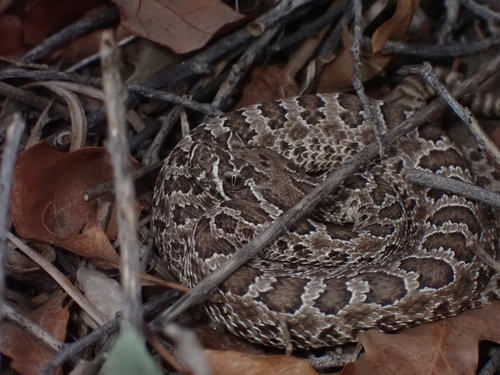 Prairie RattlesnakeCrotalus viridisVenomous
Heavy body, broad triangular head, vertical (cat-like) pupils, and a segmented keratin rattle at the tail tip.
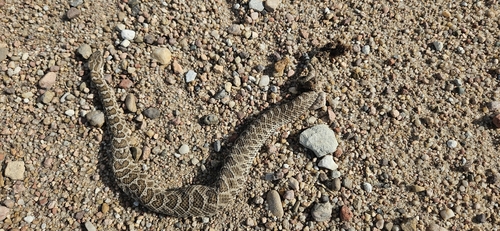 Western MassasaugaSistrurus tergeminusVenomous
Stout, dark-blotched body, nine large scales on the crown, and a small rattle.
Every snake recorded in Childress County
Western Diamond-backed Rattlesnake
Crotalus atrox
Venomous
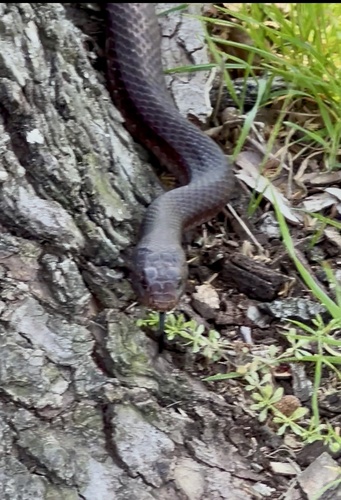
Common Coachwhip
Masticophis flagellum
Harmless
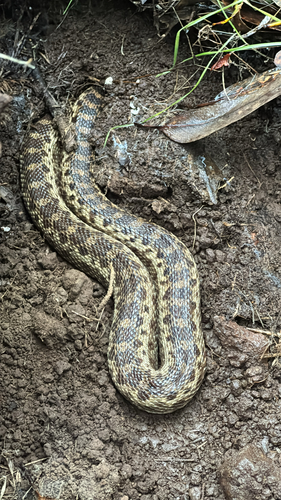
Gopher Snake
Pituophis catenifer
Harmless
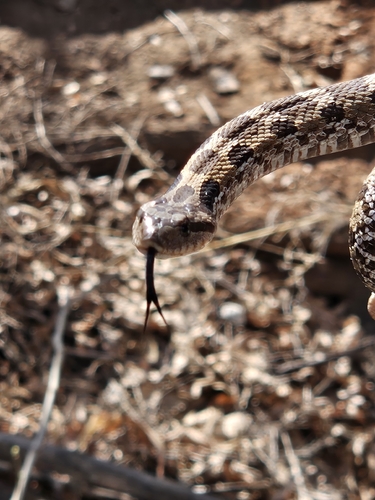
Eastern Hognose Snake
Heterodon platirhinos
Harmless
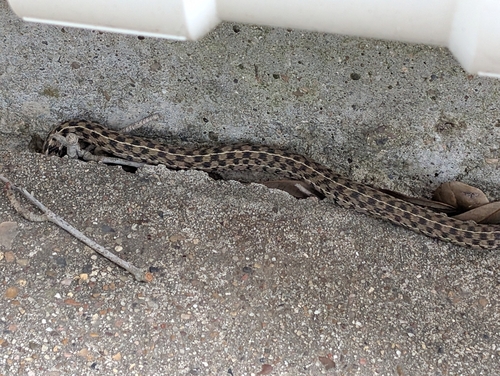
Checkered Garter Snake
Thamnophis marcianus
Harmless
Prairie Rattlesnake
Crotalus viridis
Venomous
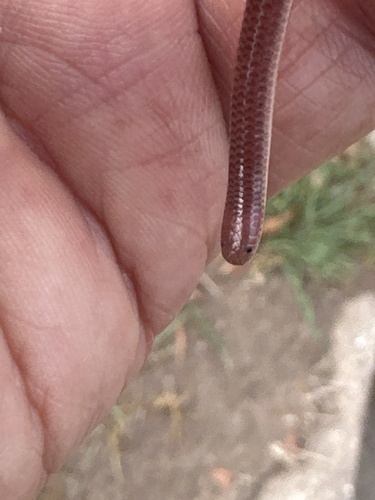
Texas Blind Snake
Rena dulcis
Harmless
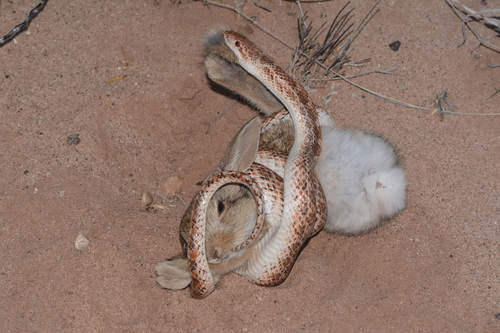
Glossy Snake
Arizona elegans
Harmless
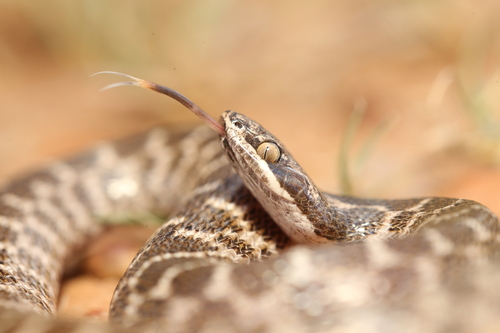
Chihuahuan Nightsnake
Hypsiglena jani
Harmless
Western Massasauga
Sistrurus tergeminus
Venomous
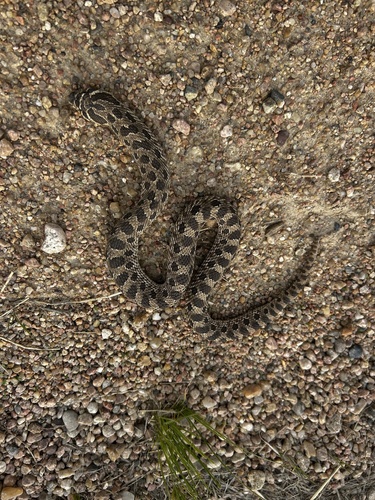
Plains Hognose Snake
Heterodon nasicus
Harmless
Compiled from verified GBIF & iNaturalist observations. Informational only.
Snakes in Childress County: FAQ
- Are there venomous snakes in Childress County, Texas?
- Yes. 3 venomous snake species have verified records in Childress County, Texas, including Western Diamond-backed Rattlesnake, Prairie Rattlesnake, Western Massasauga. Most snakes in Childress County, Texas, however, are harmless.
- How many snake species live in Childress County, Texas?
- 11 snake species have verified records in Childress County, Texas, of which 3 are venomous.
- What is the most commonly seen snake in Childress County, Texas?
- The Western Diamond-backed Rattlesnake is the most frequently reported snake in Childress County, Texas, based on verified wildlife observations.
- What should I do if I see a venomous snake in Childress County, Texas?
- Keep your distance and do not try to catch or kill it. Most bites happen when people handle or corner a snake. If someone is bitten, contact local emergency services or poison control immediately.