
Genus · Elapidae
Types of coralsnakes
75+ species make up the genus Micrurus, the snakes commonly called coralsnakes. All of them are venomous.
About coral snakes
Micrurus is the New World coral snake genus, a group of slender, brightly ringed elapids whose potent neurotoxic venom and famous color patterns make them one of the most recognized and most misunderstood snakes in the Americas.
Micrurus belongs to the family Elapidae, the same lineage as cobras, mambas, and sea snakes. Members are typically slim-bodied with a short, blunt tail and a small, rounded head that is barely distinct from the neck. Their hallmark is a vivid pattern of rings, usually combinations of red, black, and yellow or white that encircle the entire body. Unlike vipers, coral snakes have small, fixed front fangs rather than long folding ones, so they deliver venom with a more deliberate, chewing bite. Our database lists 75+ species in the genus, and all 75 are venomous.
The genus ranges broadly across the Western Hemisphere, from the southern United States through Mexico and Central America and across much of South America. Within that range live many regional species, including the Texas Coralsnake, the Eastern Coralsnake, the Central American Coralsnake, the Variable Coralsnake, and the Painted Coralsnake. Habitat varies by species, but coral snakes are generally tied to leaf litter, loose soil, and ground debris where they can stay hidden.
Coral snakes are the subject of well-known color rhymes such as the one beginning red touches yellow. These rhymes are only a rough guide in the United States, and they are unreliable across Latin America, where harmless lookalikes mimic the rings and where the true band order differs by region and species. Because of this, color and pattern are never a safe way to identify a snake as harmless. The honest rule is simple: do not pick up or handle any banded snake to test a rhyme, and never treat a wild snake as safe based on its colors.
Ecologically, Micrurus species are secretive and largely fossorial, spending much of their time burrowing through soil and hiding under logs, leaves, and surface cover. They feed mainly on other snakes and on lizards, often hunting prey they can subdue and swallow whole. Reproduction is by laying eggs. Because they are reclusive and reluctant to bite, encounters and bites are relatively uncommon compared with how often these snakes are present in their range.
Despite the low frequency of bites, coral snake venom is medically important. It contains potent neurotoxins that can interfere with nerve and muscle function and lead to paralysis, and the effects can sometimes be delayed for hours after a bite, which makes the situation deceptively calm at first. A bite from any Micrurus is a medical emergency that requires professional evaluation, monitoring, and, where indicated, antivenom. This guide does not provide first aid instructions. If a bite occurs, seek emergency medical care immediately, and in the United States you can also contact Poison Control at 1-800-222-1222.
Micrurus belongs to the Elapidae family (Cobras, mambas, coral & sea snakes). Front-fanged venomous snakes, many with potent neurotoxic venom. Usually slender with a head barely wider than the neck and fixed front fangs (not the folding fangs of vipers). Coral snakes are boldly ringed; sea snakes have a flattened, paddle-like tail.
Danger: All elapids are venomous and the family is responsible for a large share of fatal snakebites worldwide. Many are shy, but bites can be life-threatening. Treat any bite as a medical emergency.
All species (75)
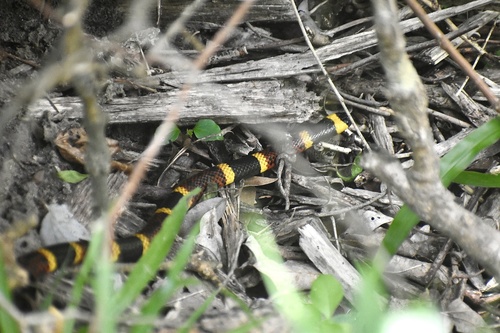 Texas CoralsnakeMicrurus tenerVenomous
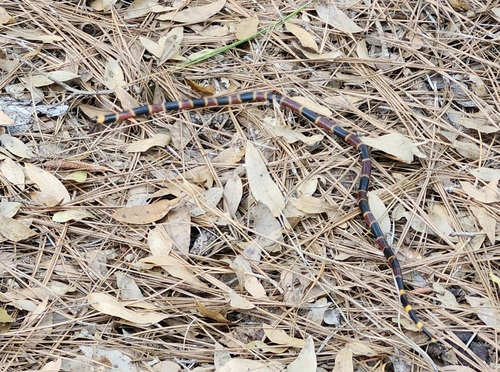 Eastern CoralsnakeMicrurus fulviusVenomous
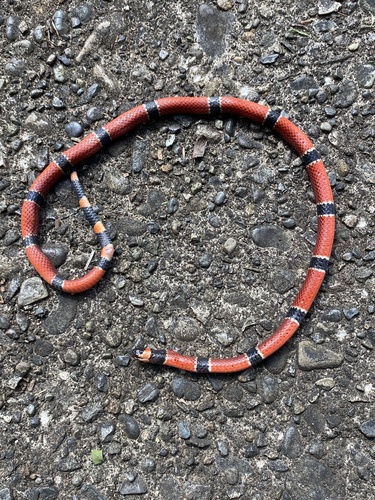 Central American CoralsnakeMicrurus nigrocinctusVenomous
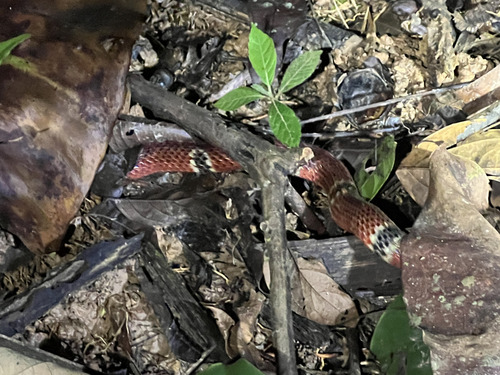 Variable CoralsnakeMicrurus diastemaVenomous
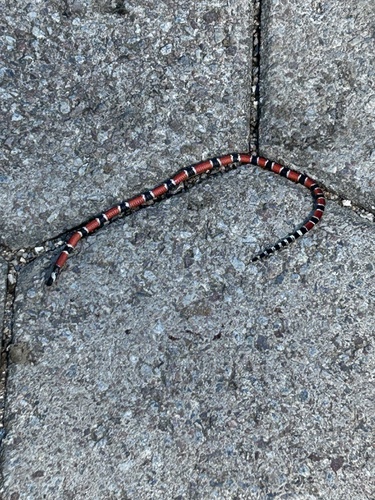 Painted CoralsnakeMicrurus corallinusVenomous
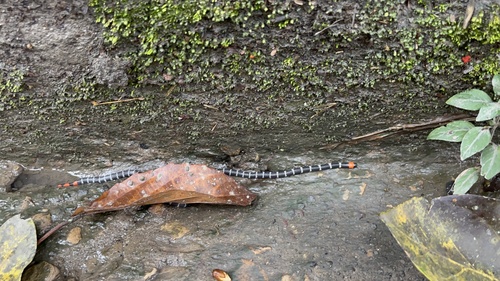 Redtail CoralsnakeMicrurus mipartitusVenomous
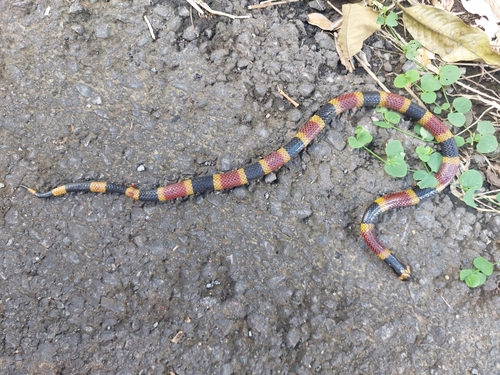 Costa Rican CoralsnakeMicrurus mosquitensisVenomous
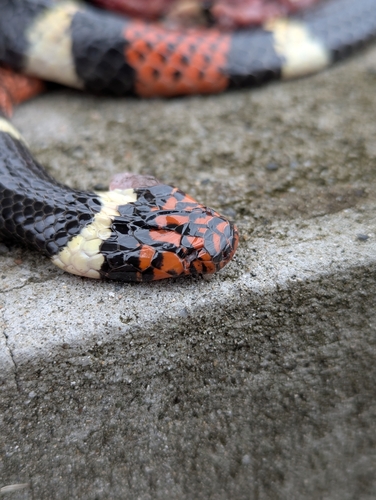 Aquatic CoralsnakeMicrurus surinamensisVenomous
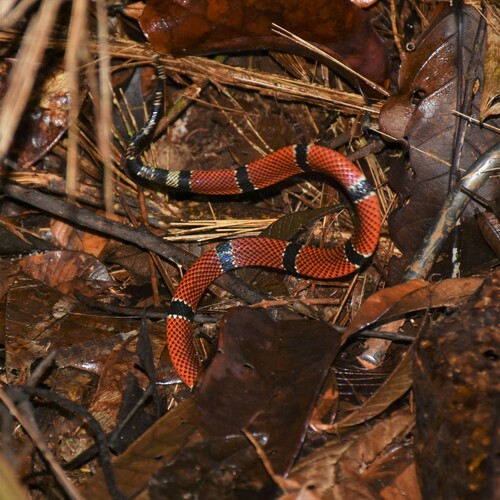 Transandean Capuchin CoralsnakeMicrurus dumeriliiVenomous
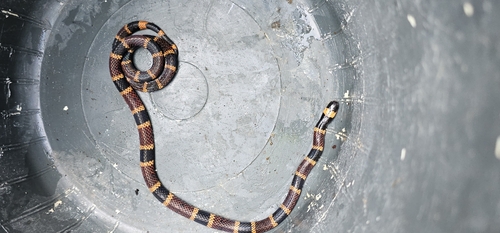 Allen's CoralsnakeMicrurus alleniVenomous
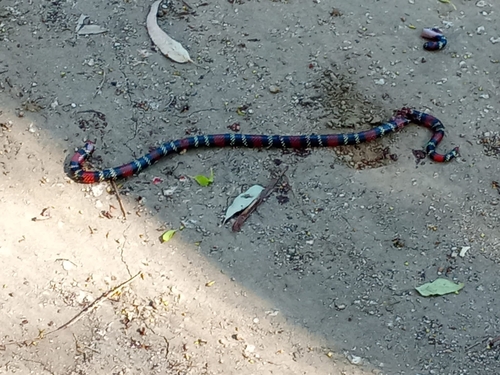 Uruguayan CoralsnakeMicrurus altirostrisVenomous
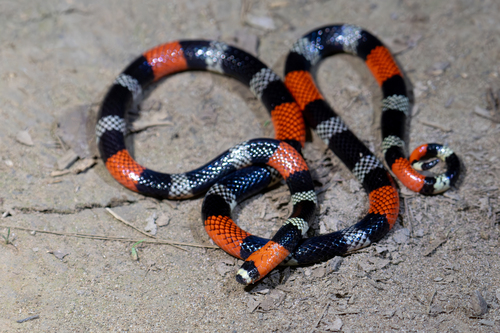 Western Ribbon CoralsnakeMicrurus helleriVenomous
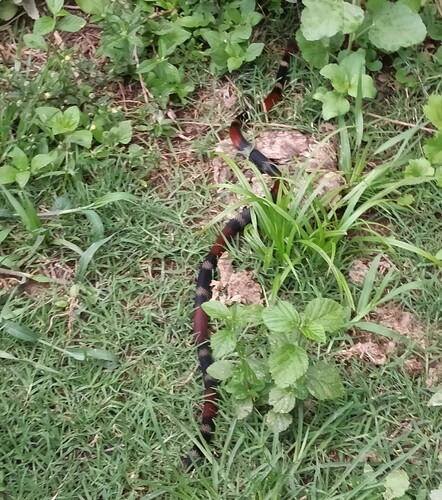 Argentinian CoralsnakeMicrurus pyrrhocryptusVenomous
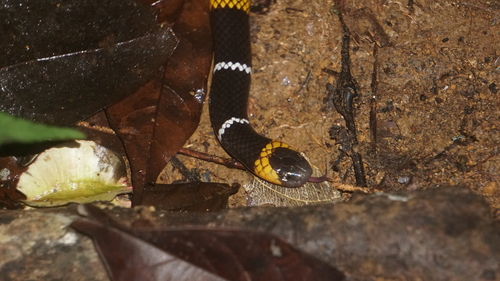 Hemprich's CoralsnakeMicrurus hemprichiiVenomous
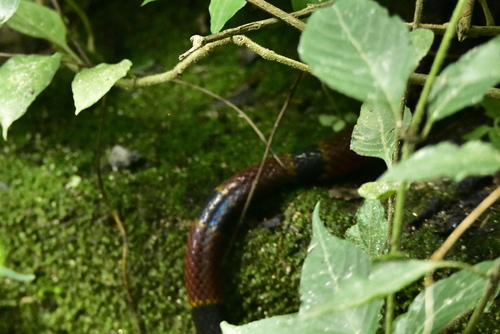 Brown's CoralsnakeMicrurus browniVenomous
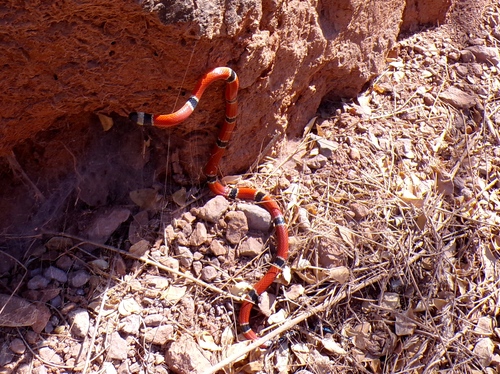 West Mexican CoralsnakeMicrurus distansVenomous
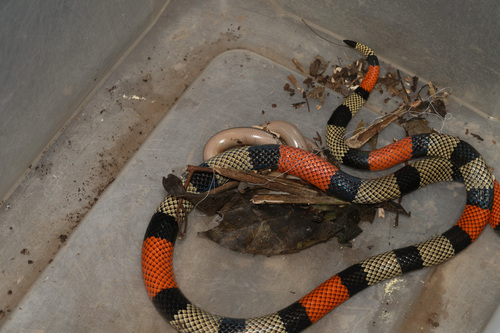 Black-necked Amazonian CoralsnakeMicrurus obscurusVenomous
 Pygmy CoralsnakeMicrurus dissoleucusVenomous
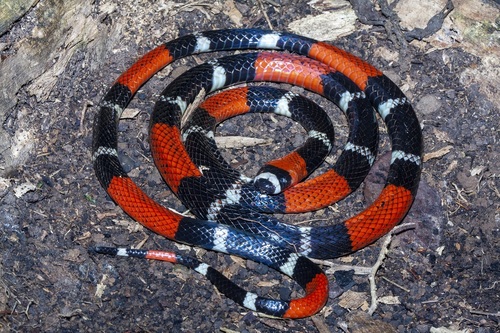 Ribbon CoralsnakeMicrurus lemniscatusVenomous
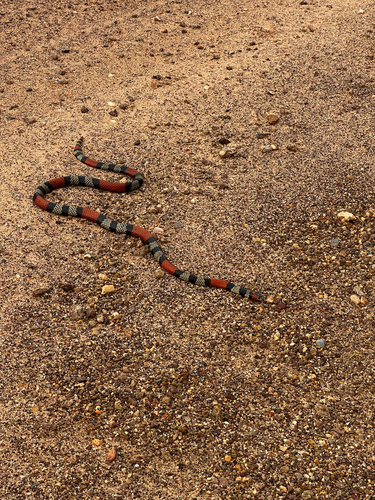 Southern CoralsnakeMicrurus frontalisVenomous
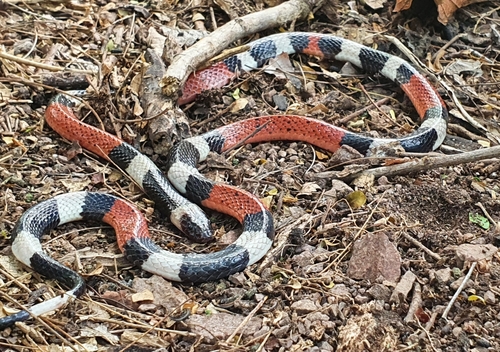 Balsan CoralsnakeMicrurus laticollarisVenomous
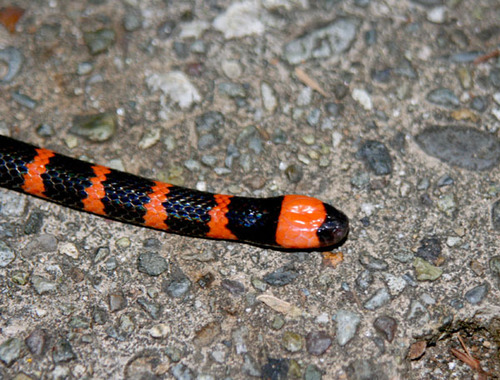 Many-banded CoralsnakeMicrurus multifasciatusVenomous
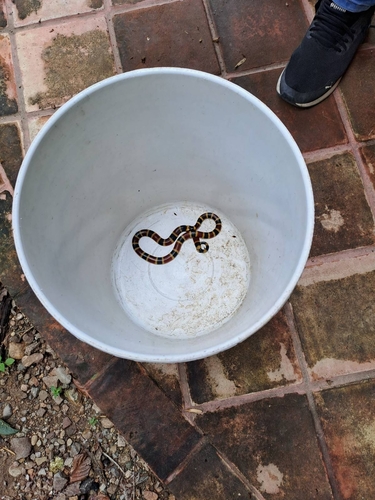 Oaxacan CoralsnakeMicrurus ephippiferVenomous
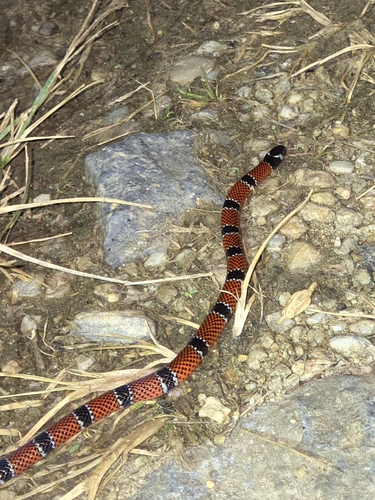 Trinidad Northern CoralsnakeMicrurus circinalisVenomous
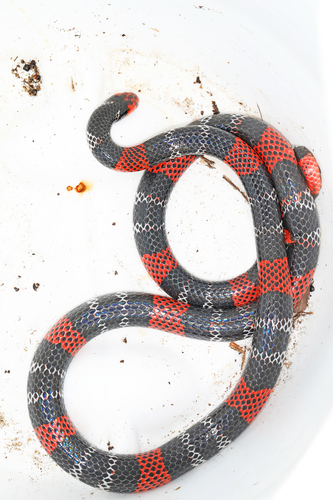 Regal CoralsnakeMicrurus ancoralisVenomous
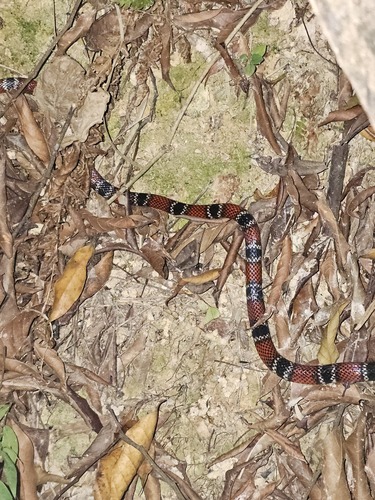 Santander CoralsnakeMicrurus sangilensisVenomous
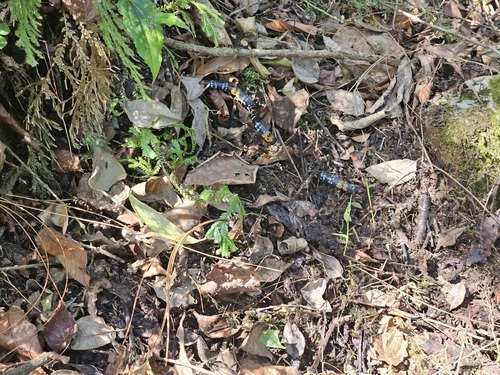 Elegant CoralsnakeMicrurus elegansVenomous
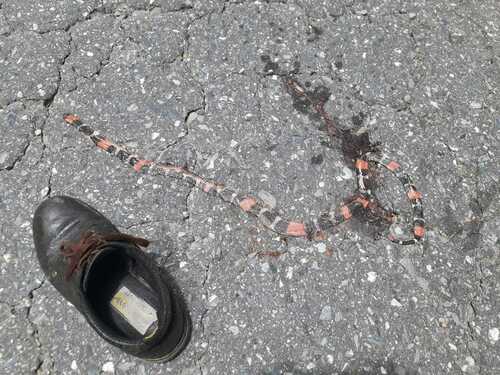 Trinidad Ribbon Coral SnakeMicrurus diutiusVenomous
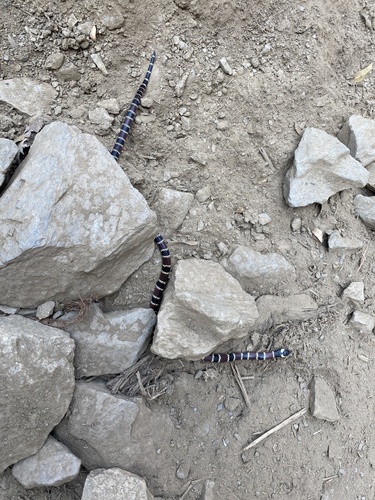 Annellated CoralsnakeMicrurus annellatusVenomous
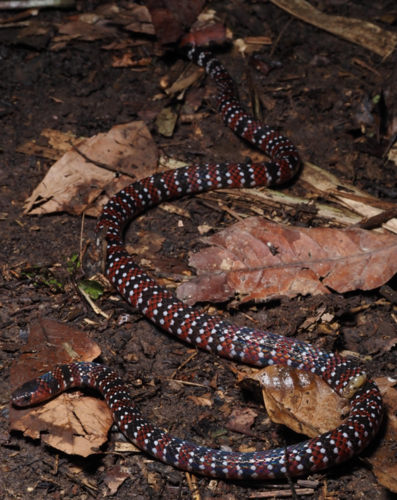 Ornate CoralsnakeMicrurus ornatissimusVenomous
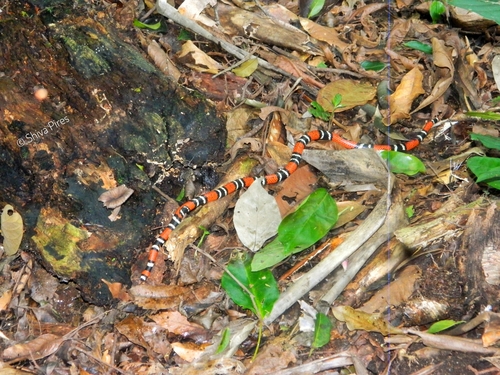 Decorated CoralsnakeMicrurus decoratusVenomous
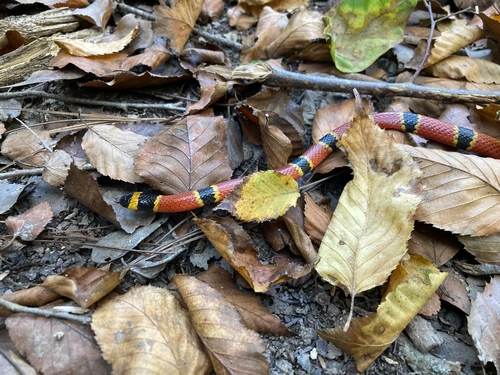 Nayarit CoralsnakeMicrurus proximansVenomous
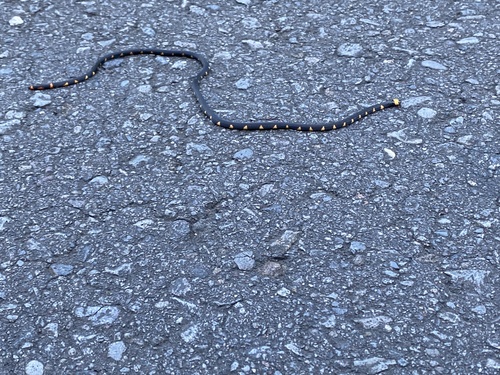 Andean Blackback CoralsnakeMicrurus narducciiVenomous
 Ecuador CoralsnakeMicrurus bocourtiVenomous
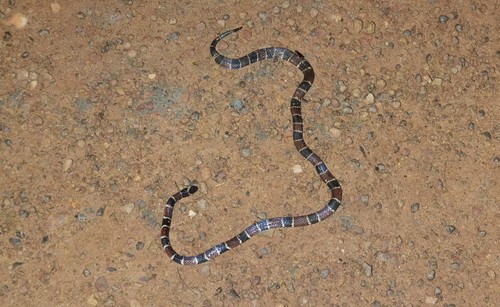 Carib CoralsnakeMicrurus psychesVenomous
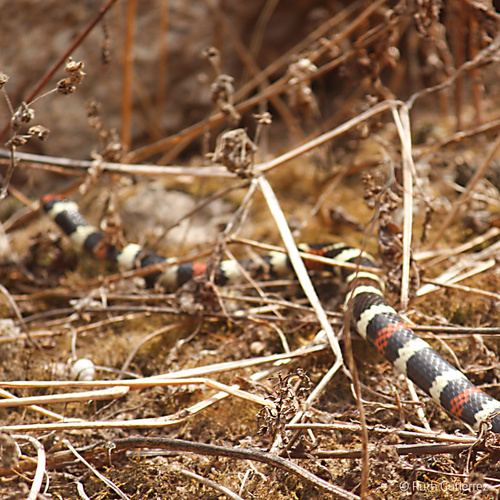 Desert CoralsnakeMicrurus tschudiiVenomous
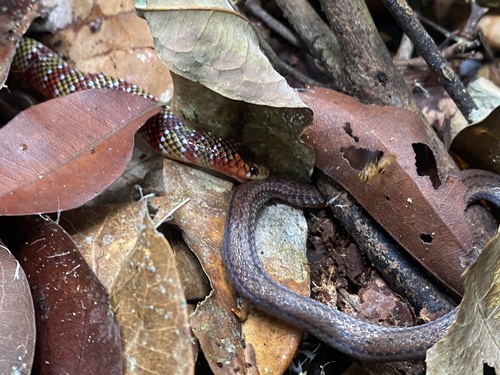 Langsdorff's CoralsnakeMicrurus langsdorffiVenomous
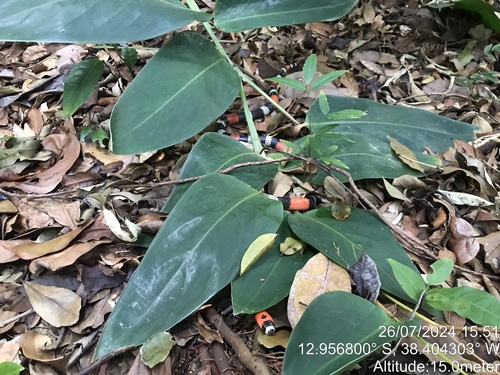 Caatinga CoralsnakeMicrurus ibibobocaVenomous
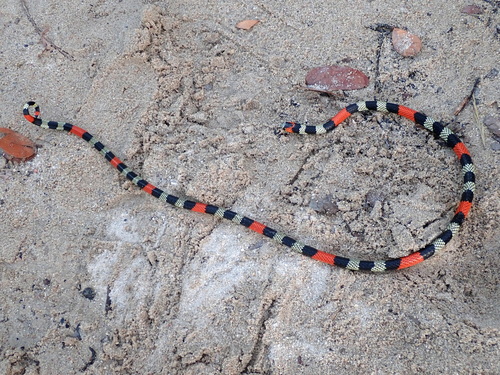 Brazilian Short-tail CoralsnakeMicrurus brasiliensisVenomous
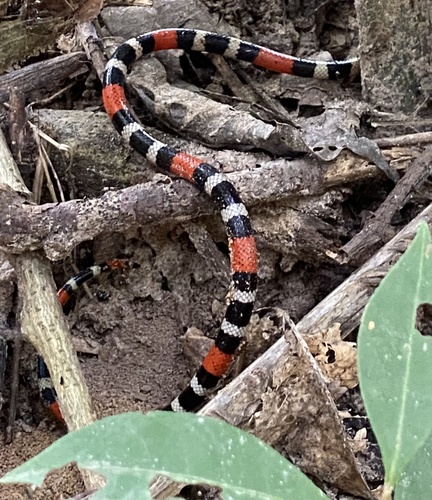 Bolivian Coral SnakeMicrurus frontifasciatusVenomous
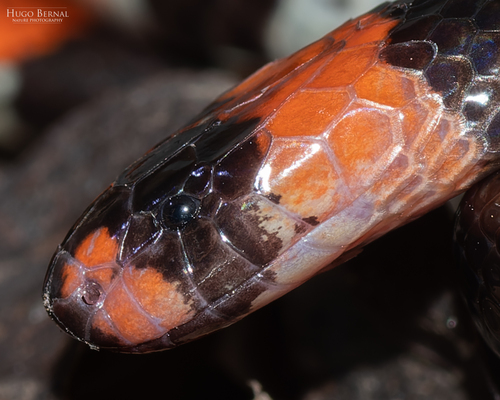 Camila's CoralsnakeMicrurus camilaeVenomous
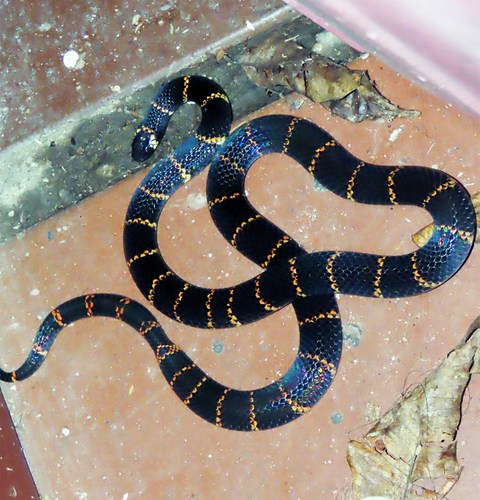 Medem's CoralsnakeMicrurus medemiVenomous
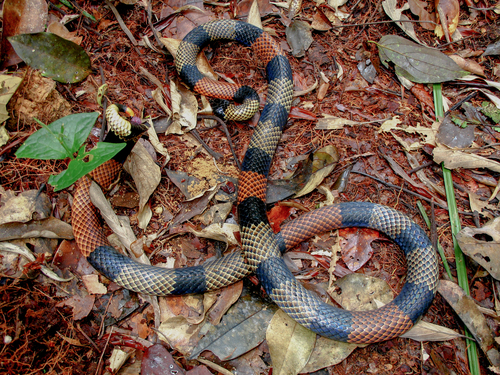 Amazon CoralsnakeMicrurus spixiiVenomous
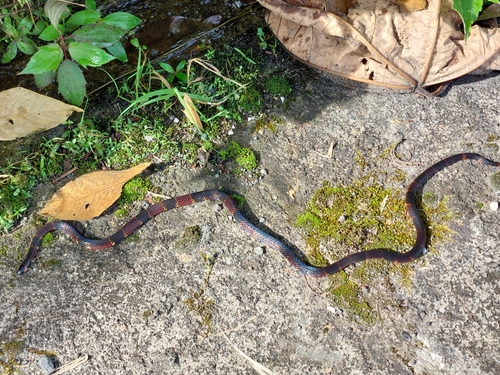 Steindachner's CoralsnakeMicrurus steindachneriVenomous
 Venezuelan CoralsnakeMicrurus isozonusVenomous
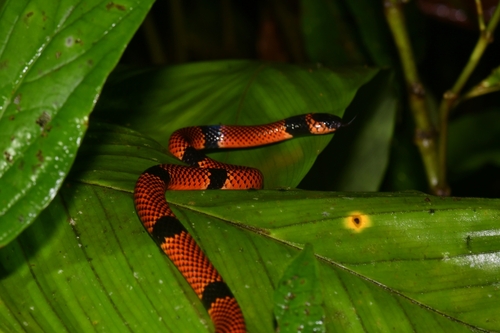 Clark's CoralsnakeMicrurus clarkiVenomous
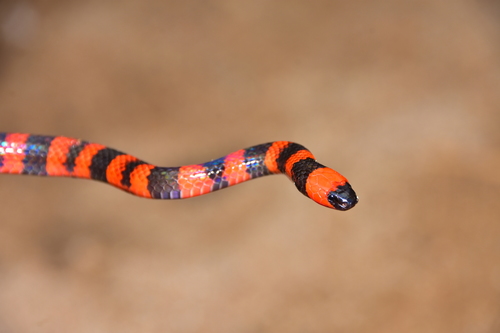 Roatán CoralsnakeMicrurus ruatanusVenomous
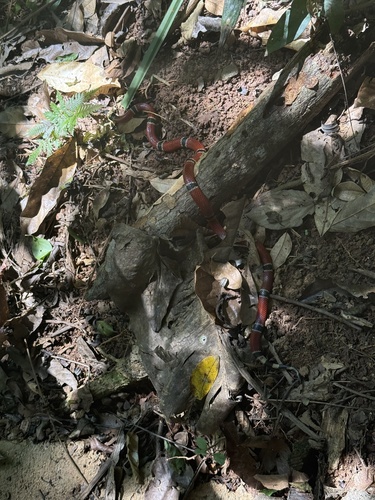 Mayan CoralsnakeMicrurus hippocrepisVenomous
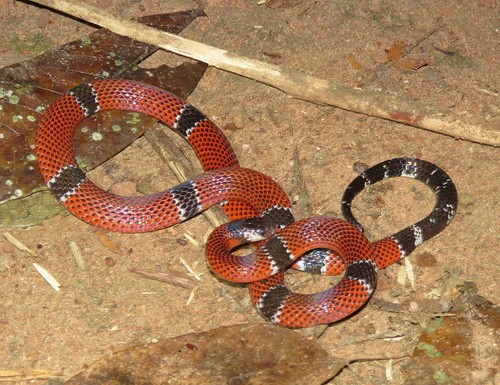 Pará CoralsnakeMicrurus paraensisVenomous
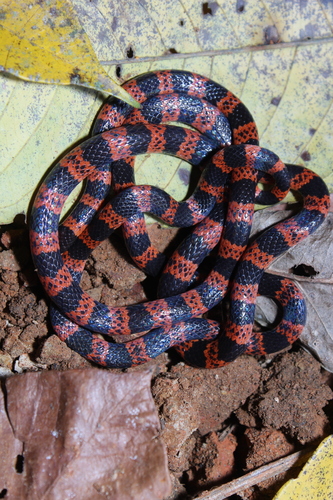 Cauca CoralsnakeMicrurus multiscutatusVenomous
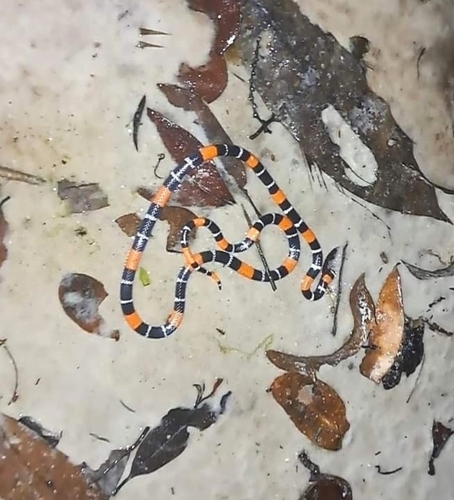 Slender CoralsnakeMicrurus filiformisVenomous
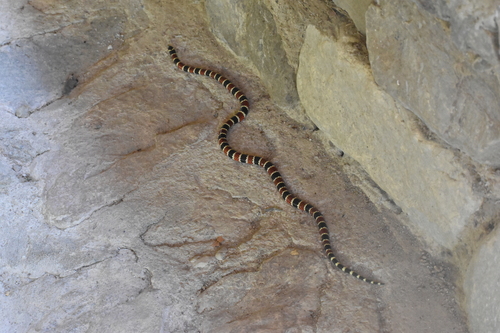 Mertens' CoralsnakeMicrurus mertensiVenomous
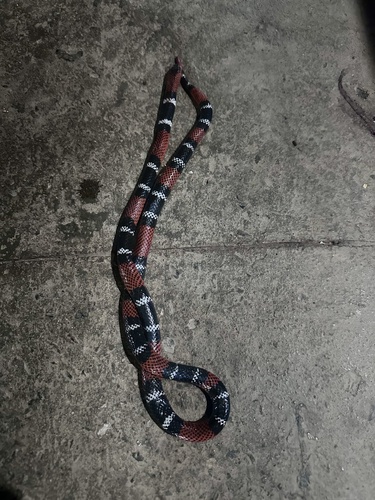 Argentinean CoralsnakeMicrurus tricolorVenomous
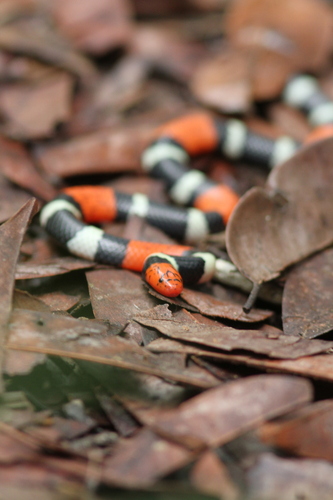 Natterer's CoralsnakeMicrurus nattereriVenomous
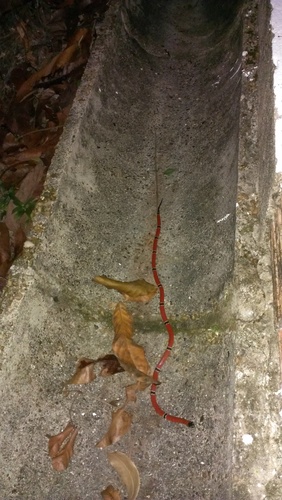 Black-headed CoralsnakeMicrurus averyiVenomous
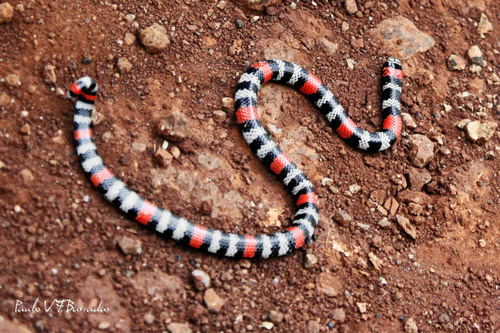 Mesopotamian CoralsnakeMicrurus baliocoryphusVenomous
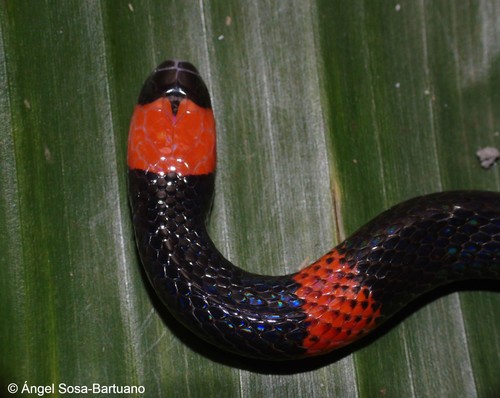 Panamenian CoralsnakeMicrurus stewartiVenomous
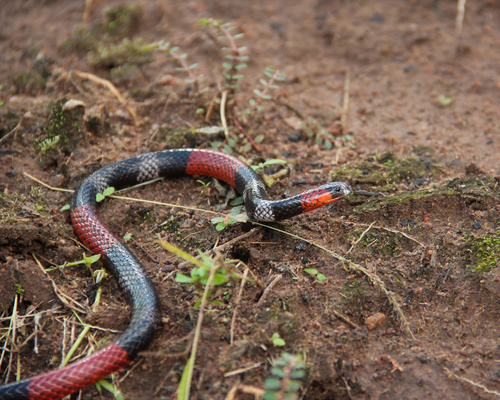 Paraíba CoralsnakeMicrurus potyguaraVenomous
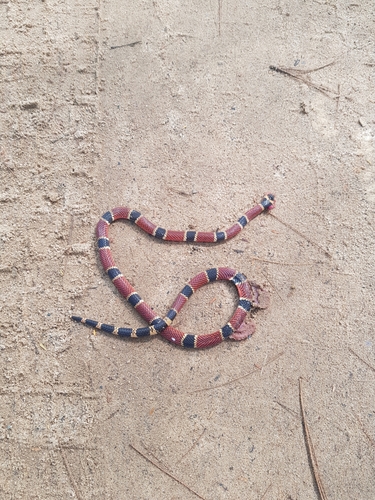 Peru CoralsnakeMicrurus peruvianusVenomous
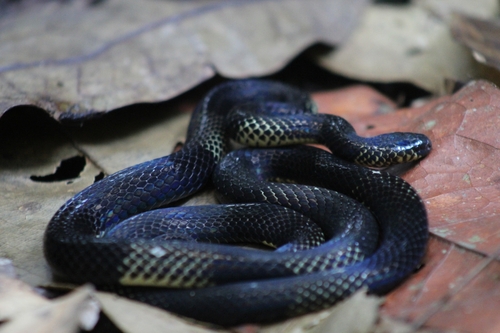 Putumayo CoralsnakeMicrurus putumayensisVenomous
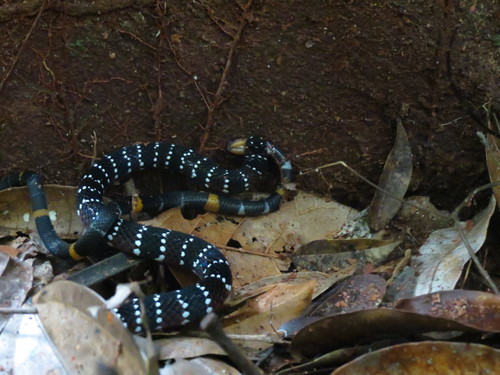 White-banded CoralsnakeMicrurus albicinctusVenomous
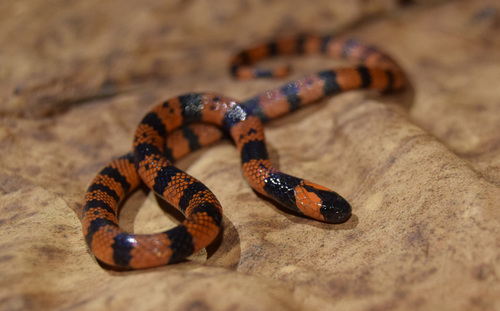 Tuxtlan CoralsnakeMicrurus limbatusVenomous
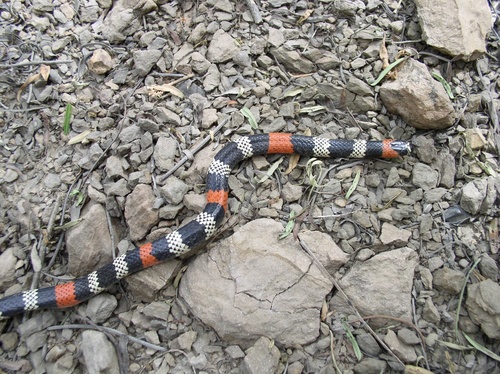 Bolivian CoralsnakeMicrurus serranusVenomous
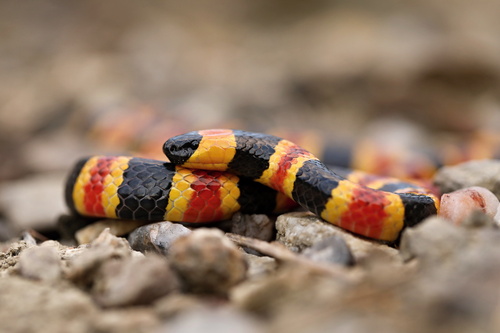 Zapotitlán CoralsnakeMicrurus pachecogiliVenomous
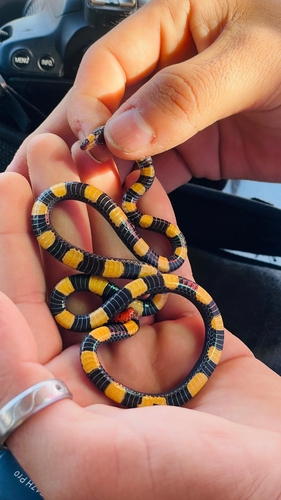 Pygmy Slender CoralsnakeMicrurus scutiventrisVenomous
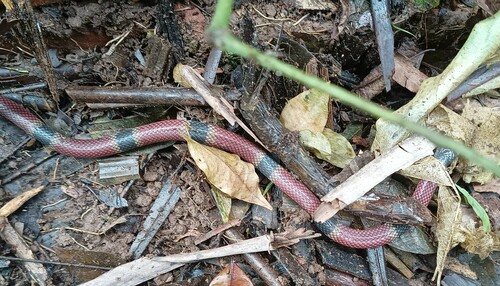 Broad-ringed CoralsnakeMicrurus latifasciatusVenomous
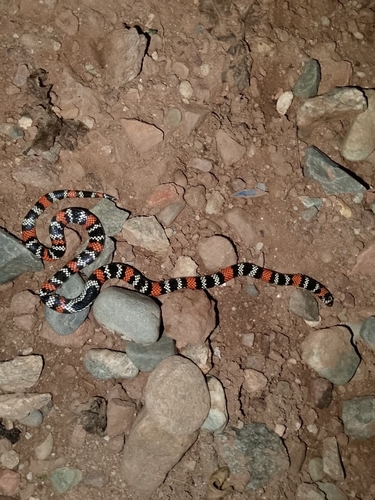 Merida CoralsnakeMicrurus meridensisVenomous
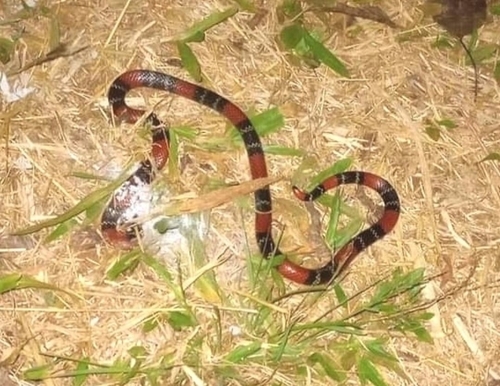 Silvia's CoralsnakeMicrurus silviaeVenomous
 Tikuna CoralsnakeMicrurus tikunaVenomous
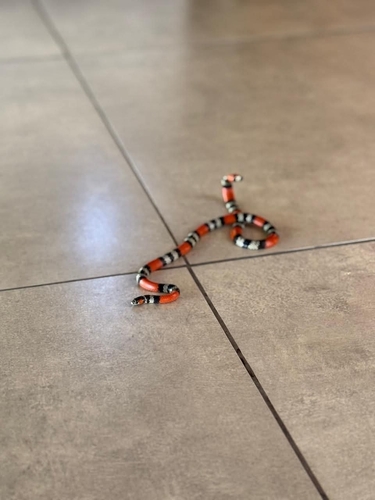 Diana's CoralsnakeMicrurus dianaVenomous
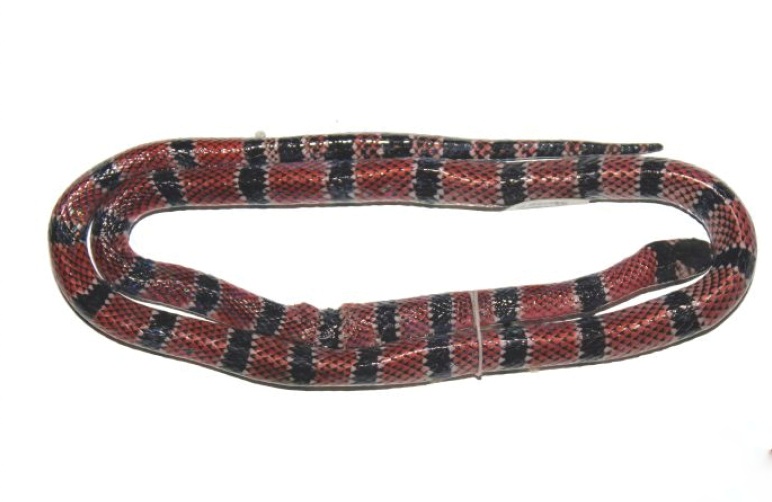 Neblina CoralsnakeMicrurus remotusVenomous
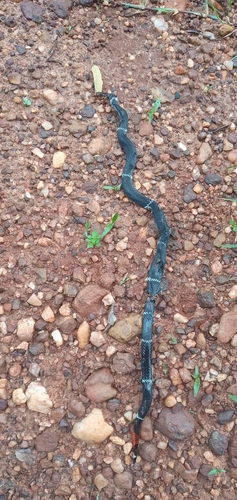 Boicorá Coral SnakeMicrurus boicoraVenomous
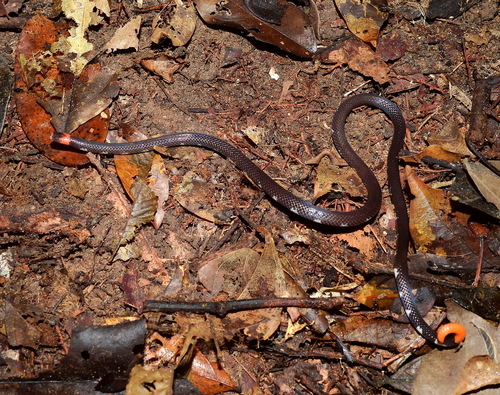 Guyana Blackback CoralsnakeMicrurus collarisVenomous
- No photoColombian CoralsnakeMicrurus spurrelliVenomous
- No photoPeters' CoralsnakeMicrurus petersiVenomous
Keep learning
- Venomous vs Nonvenomous: How to Tell the DifferenceThe folk rules for telling venomous snakes apart, where each one fails, and why location-based identification beats guessing by sight.
- Are Snakes Dangerous? The Real Risk, in PerspectiveMost snakes are harmless and avoid people. Here is the honest picture of snakebite risk worldwide and how to lower your own.
- Snake Venom Explained: How It Works and WhyWhat snake venom actually is, why it evolved, the main venom types, fang delivery, how antivenom works, and why ranking the most venomous snake is hard.
- How Snakes Move, Hunt, and EatHow snakes move without legs, hunt as ambushers or active foragers, kill by constriction or venom, and swallow prey wider than their head.