
Genus · Viperidae
Types of pitvipers
20+ species make up the genus Gloydius, the snakes commonly called pitvipers. All of them are venomous.
About Asian moccasins (mamushis)
Gloydius is a genus of cold-tolerant Asian pit vipers, the mamushis, whose bites are a serious medical emergency.
Gloydius is a genus in the family Viperidae, the vipers, and within it the pit viper subfamily Crotalinae. Like all pit vipers, its members carry a pair of heat-sensing pits set between the eye and the nostril on each side of the head. These pits detect the body warmth of prey and let the snake strike accurately even in darkness. Gloydius is the genus most closely associated with the temperate and cold regions of Asia, and our database tracks 20+ species in the group.
The genus ranges widely across northern and eastern Asia, including Russia, the Korean Peninsula, China, Japan, Mongolia, and parts of Central Asia and the Himalayas. These are among the most cold-adapted of all vipers, living far north and at high elevations where most venomous snakes cannot survive. Typical habitats include rocky hillsides, grasslands, forest edges, river valleys, and mountain meadows. Several species are the common name mamushi, a name well known in Japan and Korea for the local pit vipers.
In general terms, Gloydius snakes are stout, relatively short-bodied vipers with broad, triangular heads distinct from the neck, vertical pupils, and keeled scales that give the body a rough texture. Color patterns vary by species but commonly feature gray, brown, or reddish ground colors overlaid with darker crossbands, blotches, or paired spots that provide camouflage against rock and leaf litter. Reliable identification to species requires regional knowledge, because several look alike and ranges overlap. Treat any thick-bodied, banded snake with a pit between eye and nostril in this region as potentially dangerous.
Gloydius species are venomous. Their venom is typically hemotoxic and can cause significant pain, swelling, tissue damage, and bleeding effects, and bites from these snakes are a genuine medical emergency. Do not attempt to handle, catch, or kill a wild Gloydius, since most bites happen when people try to interact with the snake. If a bite occurs, keep the person calm and still, remove rings and tight items, and seek emergency medical care immediately. In the United States call Poison Control at 1-800-222-1222, and elsewhere contact local emergency services. Do not apply a tourniquet, cut the wound, or attempt to suck out venom.
Ecologically, these vipers are ambush predators that feed on small mammals such as rodents, along with lizards, frogs, and occasionally insects, using their heat-sensing pits and venom to subdue prey. They are most active in the warmer months and hibernate through the long cold winters of their range, sometimes in communal dens. Like many pit vipers, Gloydius species are ovoviviparous, meaning the female carries the eggs internally and gives birth to live young. They are generally not aggressive and rely on camouflage and stillness, biting defensively when stepped on or cornered.
Gloydius belongs to the Viperidae family (Vipers & pit vipers). Heavy-bodied venomous snakes with long, hinged, hollow fangs. Broad, triangular head distinct from a narrow neck, heavy body, and (usually) vertical, cat-like pupils. Pit vipers also have a heat-sensing pit; true vipers do not.
Danger: Every viper is venomous, and the family includes some of the world's most medically important snakes. Venom is typically hemotoxic, causing pain, swelling, tissue damage, and bleeding. Treat any viper bite as a medical emergency.
All species (24)
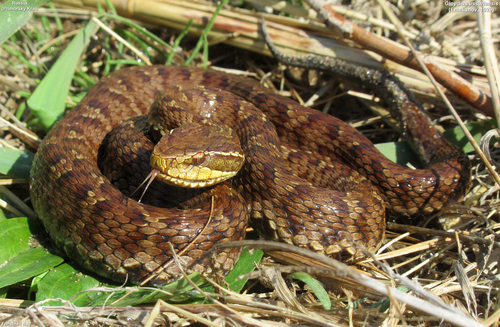 Ussuri MamushiGloydius ussuriensisVenomous
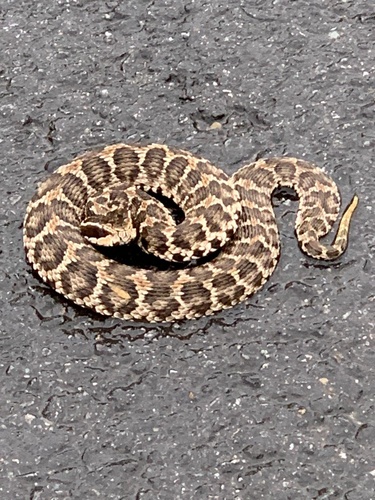 Short-tailed MamushiGloydius brevicaudusVenomous
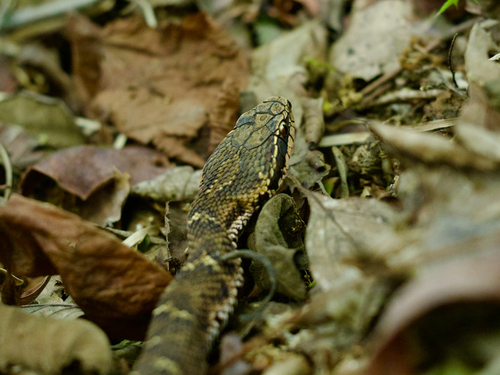 Short-tailed MamushiGloydius blomhoffiiVenomous
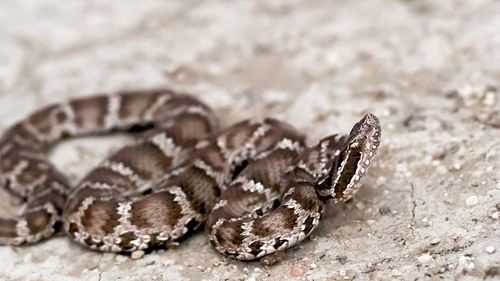 Halys Pit ViperGloydius halysVenomous
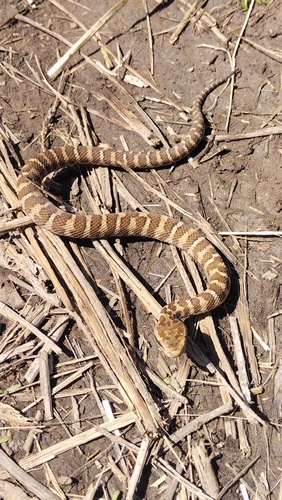 Central Asian PitviperGloydius intermediusVenomous
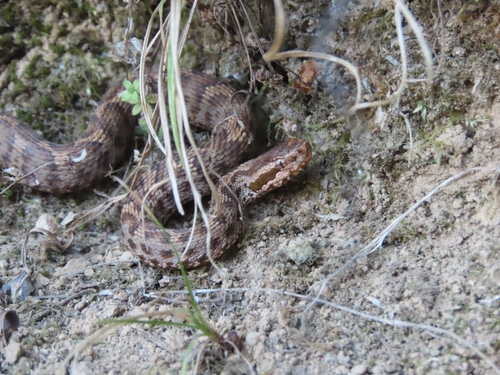 Himalayan PitviperGloydius himalayanusVenomous
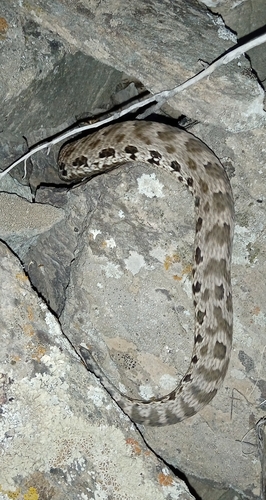 Karaganda pitviperGloydius caraganusVenomous
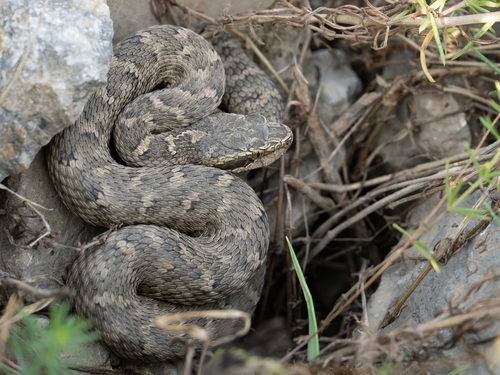 Caucasian pitviperGloydius caucasicusVenomous
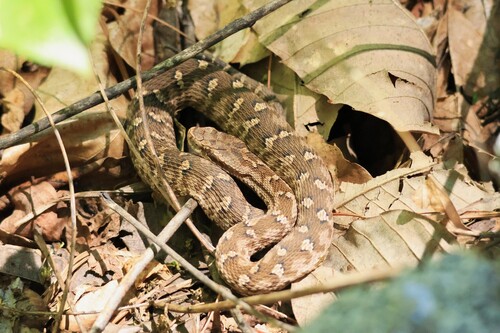 Gloydius changdaoensisVenomous
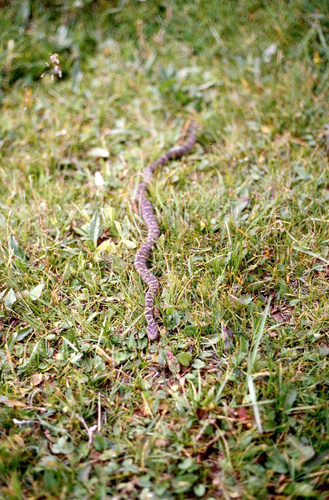 Gobi pitviperGloydius stejnegeriVenomous
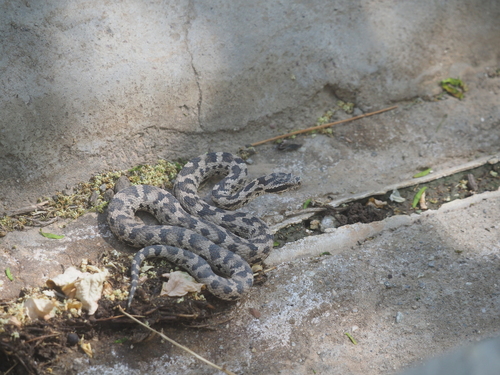 Alashan pitviperGloydius cognatusVenomous
 Tsushima Island PitviperGloydius tsushimaensisVenomous
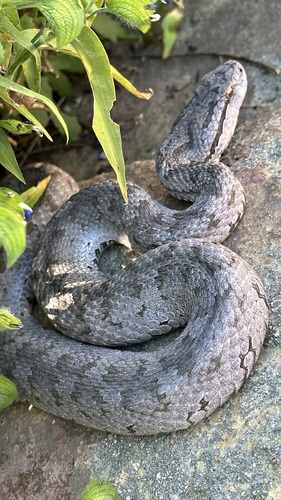 Shedao Island PitviperGloydius shedaoensisVenomous
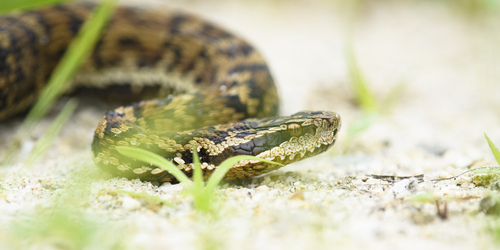 Gloydius qinlingensisVenomous
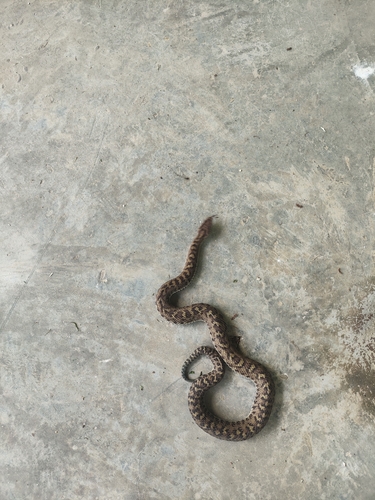 Gloydius liupanensisVenomous
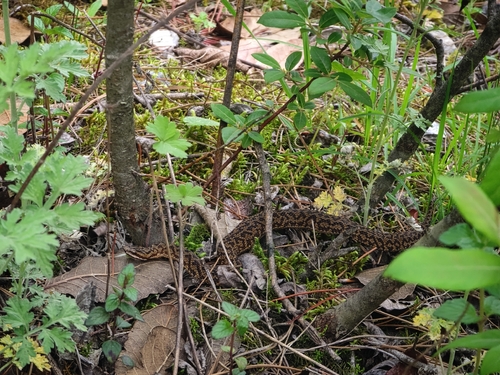 Likiang PitviperGloydius monticolaVenomous
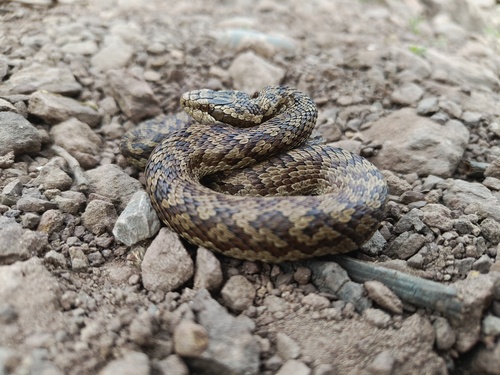 Strauch's PitviperGloydius strauchiVenomous
 Glacier Pit ViperGloydius swildVenomous
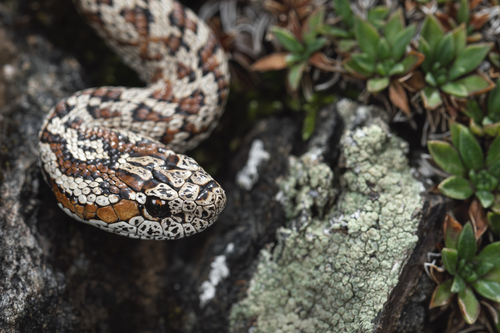 Gloydius rubromaculatusVenomous
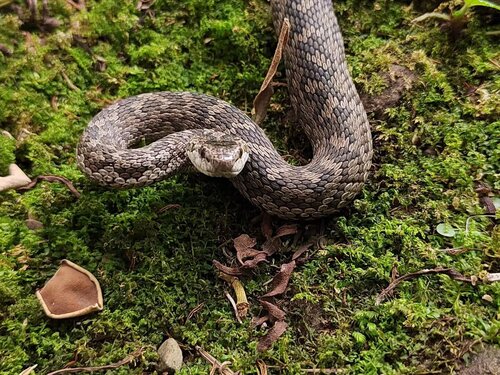 Lancang Plateau ViperGloydius huangiVenomous
 Alay PitviperGloydius rickmersiVenomous
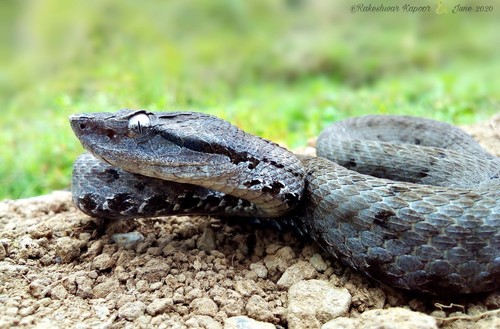 Chamba pit viperGloydius chambensisVenomous
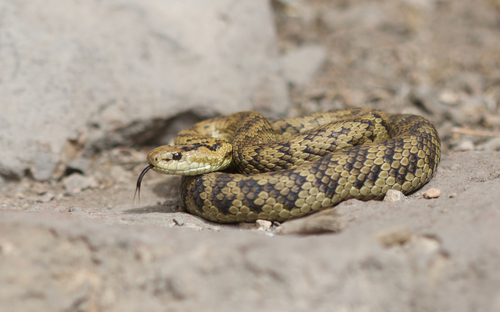 Gloydius variegatusVenomous
- No photoGloydius angusticepsVenomous
Keep learning
- Venomous vs Nonvenomous: How to Tell the DifferenceThe folk rules for telling venomous snakes apart, where each one fails, and why location-based identification beats guessing by sight.
- Are Snakes Dangerous? The Real Risk, in PerspectiveMost snakes are harmless and avoid people. Here is the honest picture of snakebite risk worldwide and how to lower your own.
- Snake Venom Explained: How It Works and WhyWhat snake venom actually is, why it evolved, the main venom types, fang delivery, how antivenom works, and why ranking the most venomous snake is hard.
- How Snakes Move, Hunt, and EatHow snakes move without legs, hunt as ambushers or active foragers, kill by constriction or venom, and swallow prey wider than their head.