
Genus · Elapidae
Types of kraits
10+ species make up the genus Bungarus, the snakes commonly called kraits. All of them are venomous.
About kraits
Bungarus, the kraits, are banded Asian elapids known for their glossy patterning and their potent neurotoxic venom. They are among the most dangerous snakes in South and Southeast Asia, in part because their bites can be deceptively painless.
Bungarus is a genus of venomous snakes in the family Elapidae, the same family that includes cobras, mambas, and coral snakes. Kraits are typically slender, smooth-scaled snakes with a glossy finish and a bold pattern of bands, usually black and white or black and yellow, that wrap around the body. A useful structural clue is the back: many kraits carry a distinct raised ridge of enlarged scales running along the spine, giving the body a slightly triangular cross-section. Our database lists 10+ species, and all 16 are venomous. Recognizable members include the Many-banded Krait, the Banded Krait, the Common Krait, the Malayan Krait, and the Red-headed Krait.
The genus ranges across South and Southeast Asia, from Pakistan, India, and Sri Lanka through Southeast Asia and into southern China and parts of Indonesia. Within that range, the common krait, Bungarus caeruleus, is one of India's so-called Big Four, the four species responsible for the bulk of serious snakebites on the Indian subcontinent. Across the wider region, kraits cause a large number of severe and sometimes fatal bites, which makes them a major public-health concern, not just a curiosity for naturalists.
The most important thing to understand about kraits is their behavior. They are nocturnal, and a large share of bites happen at night to people sleeping on the ground or on floor-level bedding, when a krait moves through and is pressed against by a sleeper. The bite can be nearly painless, with little or no local swelling, so a victim may not realize anything serious has happened. The danger is that the venom is strongly neurotoxic and its effects can be delayed for hours: progressive paralysis can set in long after the bite, sometimes while the person sleeps. Drop for drop, krait venom is far more potent than that of many other snakes, which is why a bite that feels minor can still become life-threatening.
Ecologically, kraits are often described as docile and reluctant to bite during the day, becoming far more active and defensive at night. They feed largely on other snakes, including other kraits, along with small vertebrates such as lizards, frogs, and rodents. Unlike pit vipers, kraits lay eggs rather than giving live birth. Their secretive, night-active habits mean people frequently share space with them without ever seeing one, which is part of why nighttime bites in rural and agricultural areas remain common.
On safety, the honest guidance is preventive and medical. In areas where kraits live, sleeping on a raised bed and using a properly tucked bed net meaningfully reduces the risk of a nighttime bite. Any suspected krait bite is a medical emergency and must be treated as one even if it seems trivial, because the neurotoxic effects are delayed and the person can deteriorate hours later; the priority is to reach a hospital quickly. Definitive treatment is antivenom together with supportive care, including ventilatory support to help breathing when paralysis affects the respiratory muscles, all of which is handled by emergency and hospital staff. A wild venomous snake is never safe to approach or handle, so give any krait distance and let trained professionals manage both the snake and any bite.
Bungarus belongs to the Elapidae family (Cobras, mambas, coral & sea snakes). Front-fanged venomous snakes, many with potent neurotoxic venom. Usually slender with a head barely wider than the neck and fixed front fangs (not the folding fangs of vipers). Coral snakes are boldly ringed; sea snakes have a flattened, paddle-like tail.
Danger: All elapids are venomous and the family is responsible for a large share of fatal snakebites worldwide. Many are shy, but bites can be life-threatening. Treat any bite as a medical emergency.
All species (16)
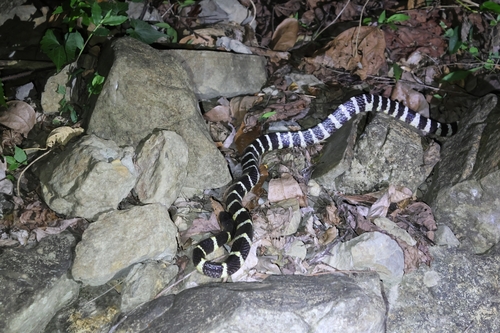 Many-banded KraitBungarus multicinctusVenomous
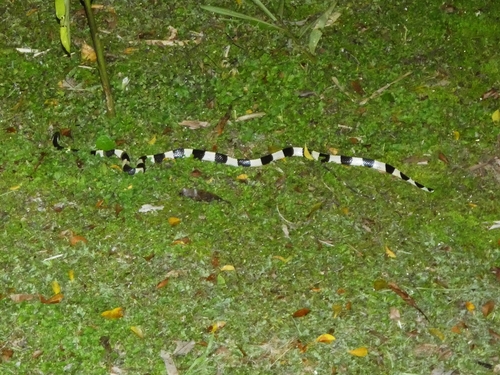 Banded KraitBungarus fasciatusVenomous
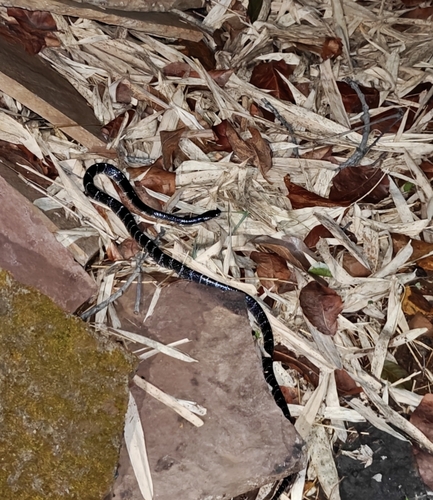 Common KraitBungarus caeruleusVenomous
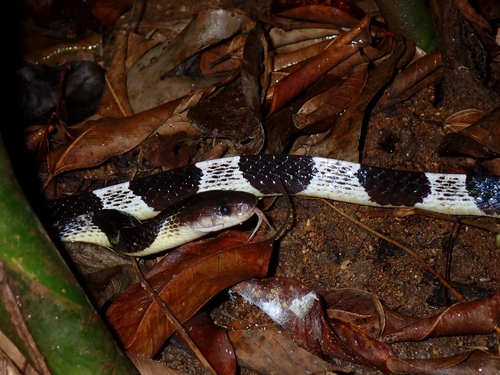 Malayan KraitBungarus candidusVenomous
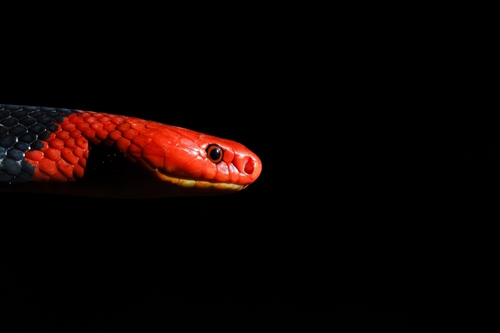 Red-headed KraitBungarus flavicepsVenomous
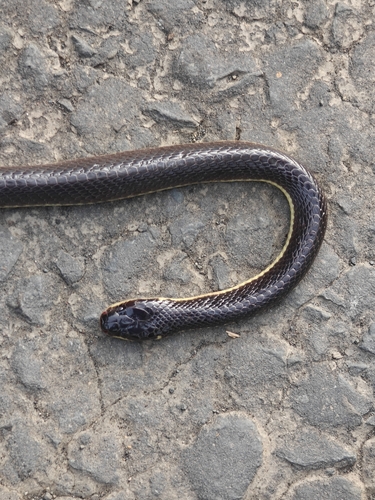 Greater Black KraitBungarus nigerVenomous
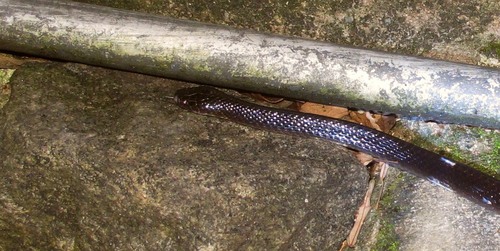 Ceylon KraitBungarus ceylonicusVenomous
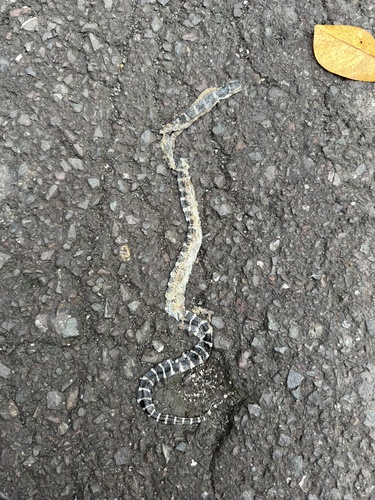 Andaman KraitBungarus andamanensisVenomous
 Suzhen’s KraitBungarus suzhenaeVenomous
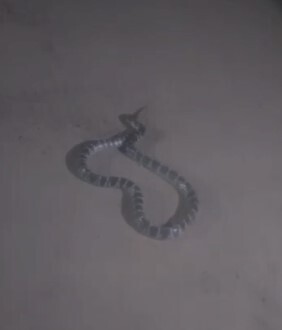 Sind KraitBungarus sindanusVenomous
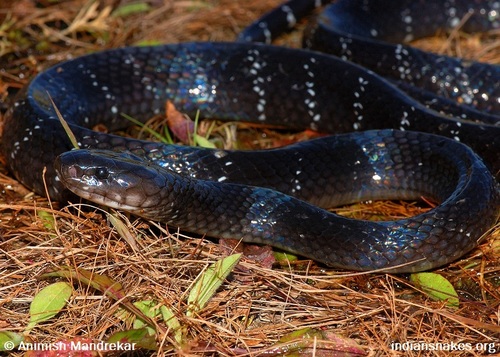 Northeastern Hill KraitBungarus bungaroidesVenomous
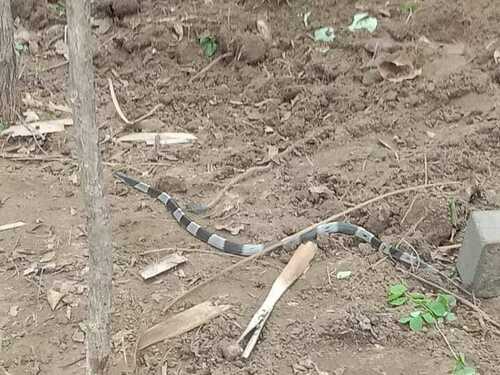 Burmese KraitBungarus magnimaculatusVenomous
 Lesser Black KraitBungarus lividusVenomous
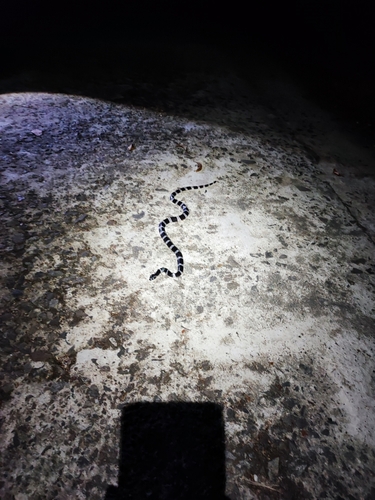 Red River KraitBungarus slowinskiiVenomous
 Wall's Sind KraitBungarus walliVenomous
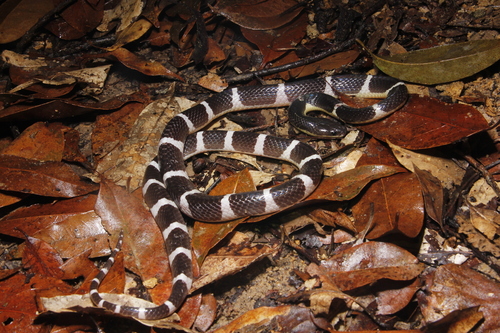 Bungarus sagittatusVenomous
Keep learning
- Venomous vs Nonvenomous: How to Tell the DifferenceThe folk rules for telling venomous snakes apart, where each one fails, and why location-based identification beats guessing by sight.
- Are Snakes Dangerous? The Real Risk, in PerspectiveMost snakes are harmless and avoid people. Here is the honest picture of snakebite risk worldwide and how to lower your own.
- Snake Venom Explained: How It Works and WhyWhat snake venom actually is, why it evolved, the main venom types, fang delivery, how antivenom works, and why ranking the most venomous snake is hard.
- How Snakes Move, Hunt, and EatHow snakes move without legs, hunt as ambushers or active foragers, kill by constriction or venom, and swallow prey wider than their head.