
Palau
Snakes in Palau
10+ snake species have been recorded in Palau, 2 venomous.
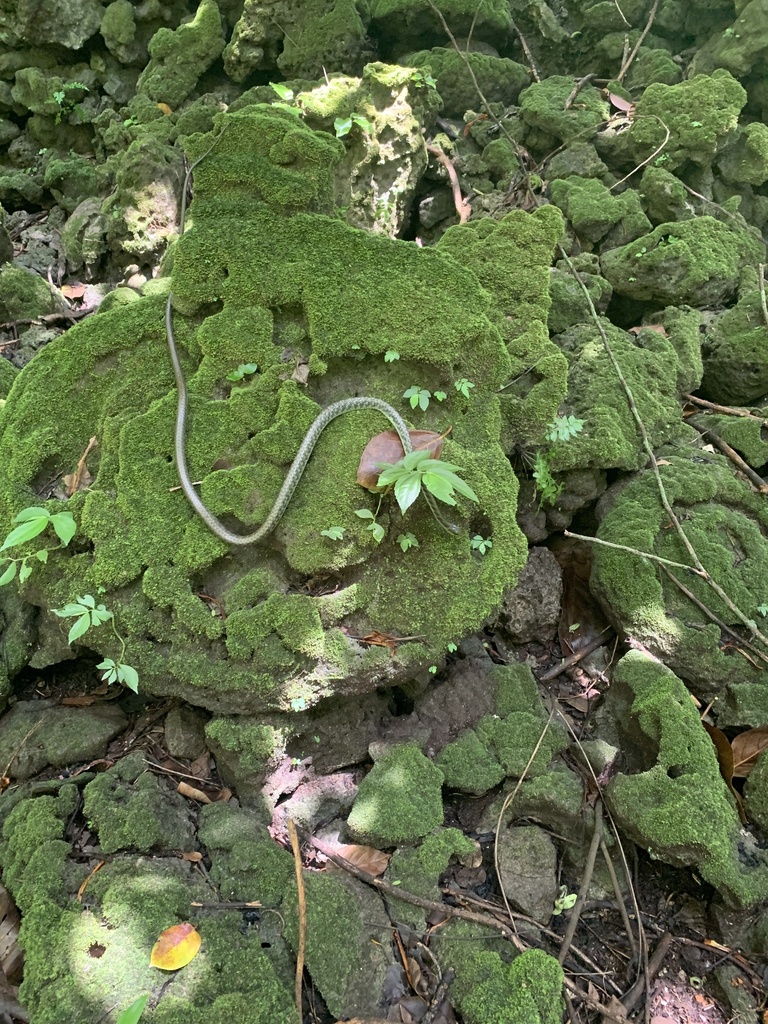
Snakes of Palau
Palau is a tropical archipelago in the western Pacific, made up of hundreds of limestone and volcanic islands, the famous Rock Islands, and surrounding reefs and lagoons. Our database records 10+ snake species for the country, and only 2 of these are venomous. The great majority are non-venomous. The snake fauna here is shaped far more by the sea than by the land. With so much of the territory being water, reef, and mangrove fringe, marine and semi-aquatic snakes make up a large share of what lives in and around Palau, while the forested islands hold a small set of land snakes.
The terrestrial habitats that matter for snakes are the closed-canopy rainforest on the larger islands, the limestone karst of the Rock Islands, freshwater swamps, and the mangrove and coastal zones where land meets sea. These warm, humid, insect-rich and frog-rich environments support small terrestrial and arboreal snakes. Offshore, the coral reefs, seagrass beds, and sheltered lagoons are the home range of sea snakes and sea kraits, which are tied to salt water and to the marine prey they hunt.
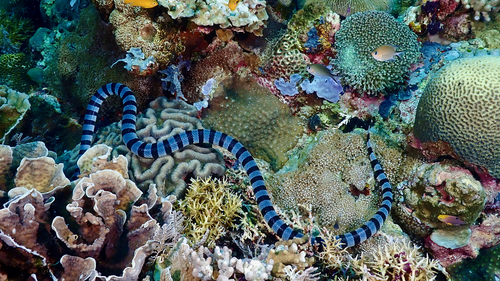
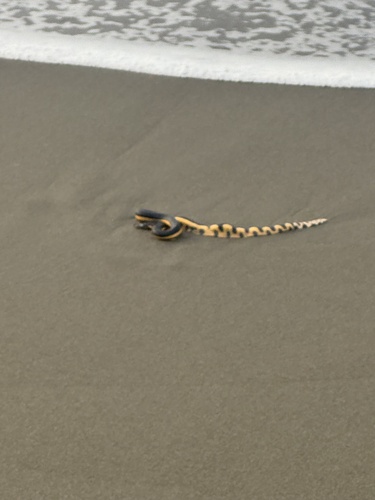
The venomous snakes present in Palau belong to the marine elapid groups, not to a land-based viper or cobra fauna. These are sea snakes and sea kraits, front-fanged relatives of cobras that have adapted to life in the ocean. They carry potent venom by family, but encounters are overwhelmingly in or at the edge of the water rather than on inhabited ground, and these snakes are generally not aggressive toward people. Palau has no large terrestrial venomous snakes of the kind found on continental landmasses, so the land snakes a visitor is likely to meet are the harmless ones.
The harmless majority covers the typical island mix of small ground snakes, burrowing snakes, and slender tree snakes that feed on insects, lizards, frogs, and small prey. A widely noted resident across Pacific islands, including this region, is the tiny Brahminy blind snake, an introduced earthworm-sized burrower often mistaken for a worm and completely harmless. Many of these non-venomous species are secretive, nocturnal, or fossorial, so they go unnoticed even where they are common.
Snakes are a working part of Palau's ecosystems. On land they help control insects, lizards, and rodents, and in turn they feed birds and larger predators. In the marine environment, sea snakes are reef predators that regulate small fish and eel populations. Most species you could encounter are harmless, and snakes generally avoid people. The realistic medical concern is the marine elapid group, sea snakes and sea kraits, whose bites are a true emergency. The treatment for a venomous bite is professional hospital care and antivenom, not field remedies. Never handle a wild snake, venomous or not, and never assume a wild snake is safe to pick up. If a bite occurs, get emergency medical help immediately by contacting local emergency services, or in the United States call Poison Control at 1-800-222-1222.
Snakes in Palau: FAQ
- Are there venomous snakes in Palau?
- Yes. 2 venomous snake species have verified records in Palau, including Yellow-lipped Sea Krait, Yellow-bellied Sea Snake. Most snakes in Palau, however, are harmless.
- How many snake species live in Palau?
- 10+ snake species have verified records in Palau, of which 2 are venomous.
- What is the most commonly seen snake in Palau?
- The Dendrelaphis thasuni is the most frequently reported snake in Palau, based on verified wildlife observations.
- What should I do if I see a venomous snake in Palau?
- Keep your distance and do not try to catch or kill it. Most bites happen when people handle or corner a snake. If someone is bitten, contact local emergency services or poison control immediately.
Venomous snakes in Palau
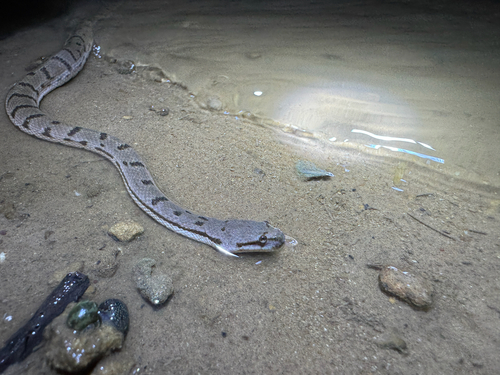
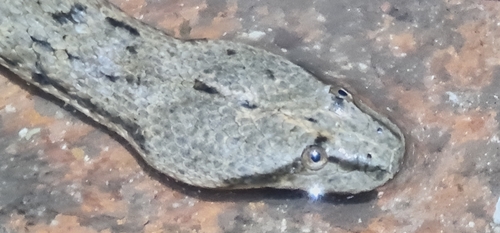
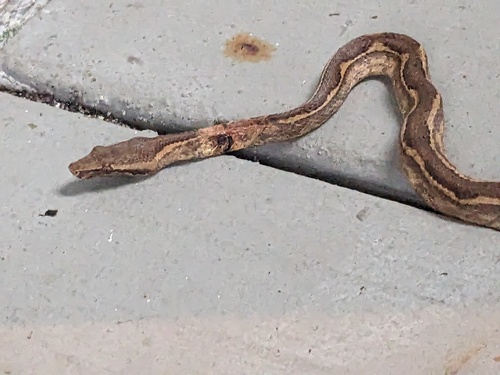
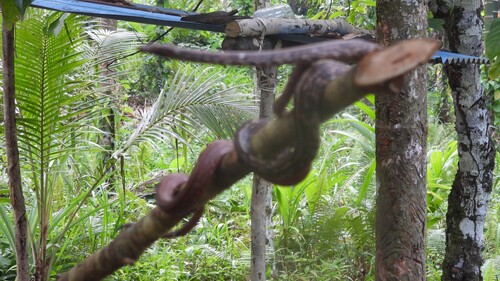
Every snake recorded in Palau
10+ species across 5 families, grouped by family. Venomous flagged.
Colubridae (6)
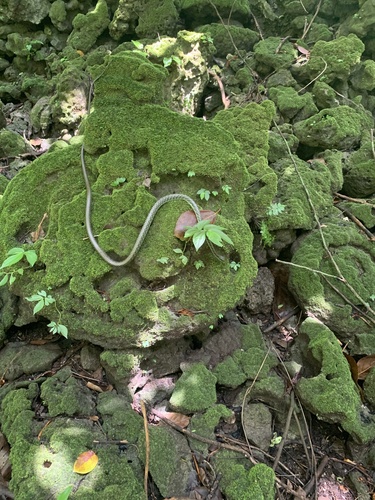
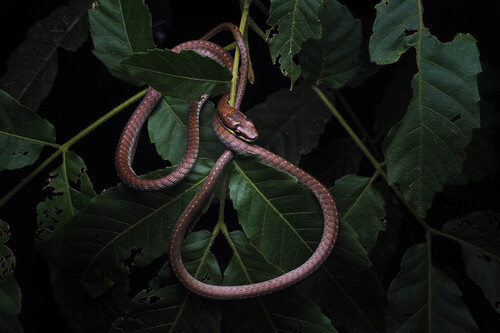
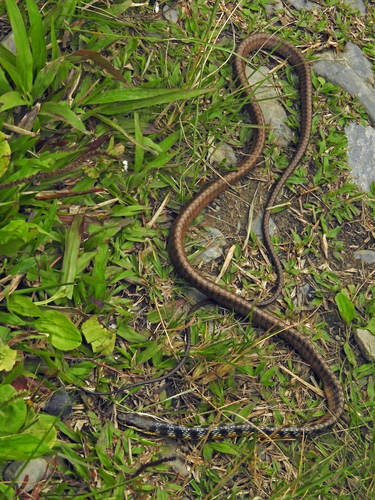
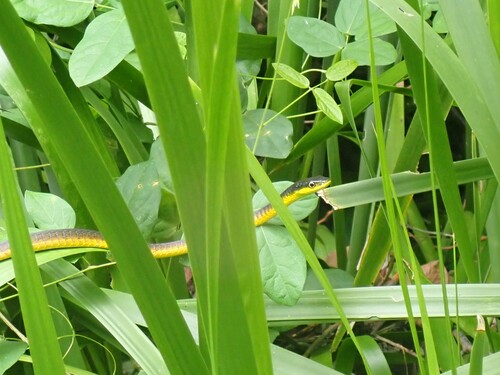
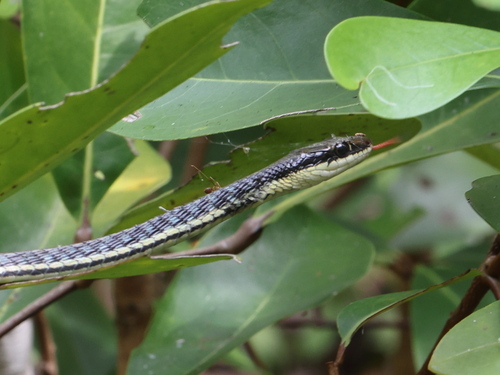
Homalopsidae (3)
Elapidae (2)
Typhlopidae (1)
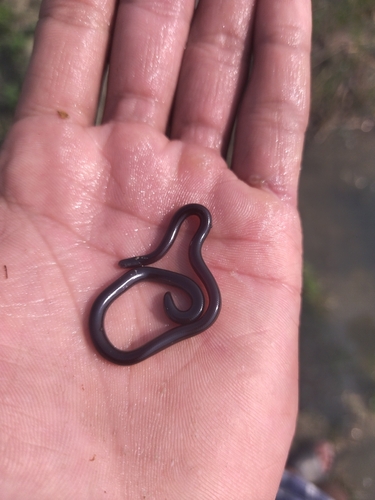
Compiled from verified GBIF & iNaturalist observations. "How often seen" reflects how frequently a snake is reported here, not how dangerous it is. Informational only.
Keep learning
- Are Snakes Dangerous? The Real Risk, in PerspectiveMost snakes are harmless and avoid people. Here is the honest picture of snakebite risk worldwide and how to lower your own.
- Snakebite First Aid: What to Do (and What Never to Do)A clear, CDC-based guide to snakebite first aid: the steps that help, the popular myths that hurt, and how to tell a serious bite from a minor one.
- Venomous vs Nonvenomous: How to Tell the DifferenceThe folk rules for telling venomous snakes apart, where each one fails, and why location-based identification beats guessing by sight.
- What to Do If You Find a SnakeFound a snake at home or on a trail? Here is how to stay calm, give it space, identify it safely, and know when to call a professional.