
New Zealand
Snakes in New Zealand
8 snake species have been recorded in New Zealand, 4 venomous.
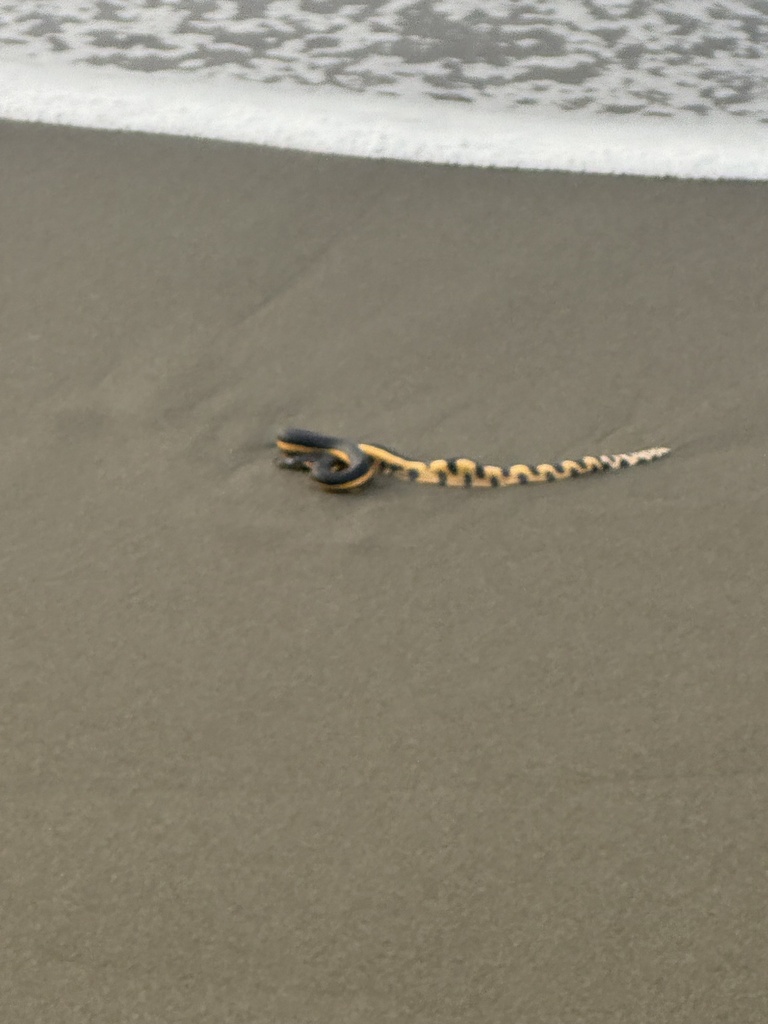
Snakes of New Zealand
New Zealand has 8 snake species recorded in our database, and 4 of them are venomous. That count needs an important piece of context before anything else: New Zealand has no native land snakes at all. The country is one of the few places on Earth where terrestrial snakes simply do not occur. Its long isolation in the South Pacific, its temperate to cool climate, and the lack of any historical land connection that snakes could have crossed mean the islands were never colonized by land-dwelling serpents. The snakes that appear in records here are sea snakes and sea kraits that arrive in the surrounding ocean, not animals living in fields, forests, or gardens.
The geography that shapes New Zealand's snake situation is its water boundary. The land masses are cool and surrounded by the open Pacific and Tasman Sea. Warm ocean currents occasionally carry marine snakes south from tropical waters toward the northern coasts and warmer seas around the country. These are not resident populations in any settled sense; they are visitors and strays riding the currents. On land, the ecological niches a snake might fill elsewhere are instead held by lizards, skinks, geckos, birds, and the tuatara. There is no woodland or grassland snake to encounter on a walk.
The venomous snakes that turn up are marine species. The yellow-bellied sea snake is the one most associated with reaching New Zealand waters, and sea kraits from the broader Pacific account for the other venomous marine records. These are front-fanged, highly venomous animals as a group, but they live in the sea, are not aggressive toward people, and encounters are rare and usually involve an animal washed ashore or seen by divers and boaters. Because there is no resident land snake fauna, the non-venomous side of the records is likewise marine and incidental rather than a familiar local wildlife group.
Even though land snakes are absent, snakes still matter ecologically in the wider region New Zealand sits within. In the tropical Pacific waters that feed strays toward New Zealand, sea snakes are predators of fish and eels and form part of the marine food web, both as hunters and as prey for larger sea creatures. For New Zealand specifically, the takeaway is that the local ecosystems evolved without snakes, which is part of why native lizards, the tuatara, and ground-nesting birds developed as they did.
On safety, the honest picture is reassuring on land and serious in the water. You will not meet a wild snake on a New Zealand walk or in a garden. The medical concern is limited to the marine species: sea snakes and sea kraits carry potent venom, so a stranded or sea-encountered snake should never be picked up or handled, even one that looks dead or sluggish. If anyone is bitten, the treatment is professional emergency medical care and antivenom at a hospital, not anything done in the field. Contact local emergency services immediately, or in the United States call Poison Control at 1-800-222-1222. Reporting a sighting of a marine snake to the relevant biosecurity or conservation authority is also encouraged, since these are unusual arrivals.
Snakes in New Zealand: FAQ
- Are there venomous snakes in New Zealand?
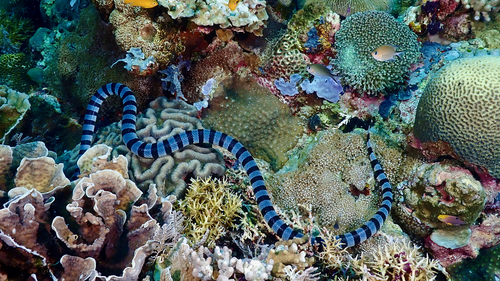
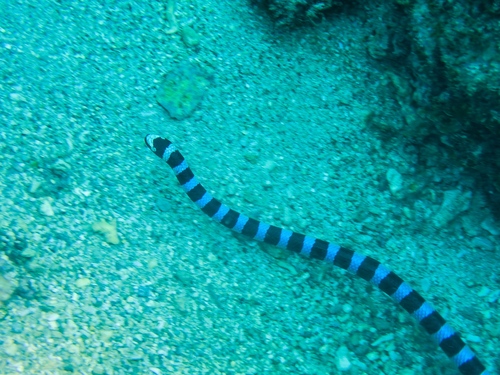
- Yes. 4 venomous snake species have verified records in New Zealand, including Yellow-bellied Sea Snake, Yellow-lipped Sea Krait, Blue-lipped Sea Krait, New Caledonian Sea Krait. Most snakes in New Zealand, however, are harmless.
- How many snake species live in New Zealand?
- 8 snake species have verified records in New Zealand, of which 4 are venomous.
- What is the most commonly seen snake in New Zealand?
- The Yellow-bellied Sea Snake is the most frequently reported snake in New Zealand, based on verified wildlife observations.
- What should I do if I see a venomous snake in New Zealand?
- Keep your distance and do not try to catch or kill it. Most bites happen when people handle or corner a snake. If someone is bitten, contact local emergency services or poison control immediately.
Venomous snakes in New Zealand
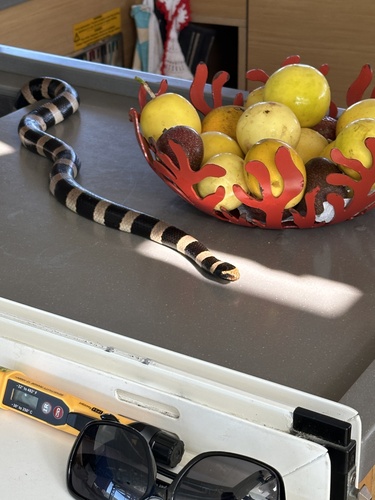
Every snake recorded in New Zealand
8 species across 4 families, grouped by family. Venomous flagged.
Elapidae (4)
Homalopsidae (2)

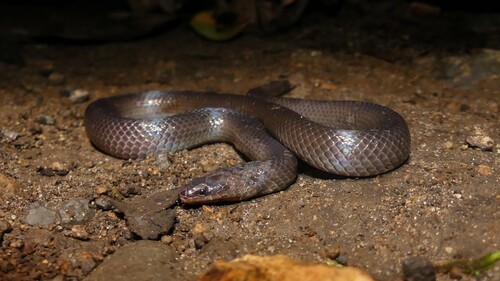
Colubridae (1)
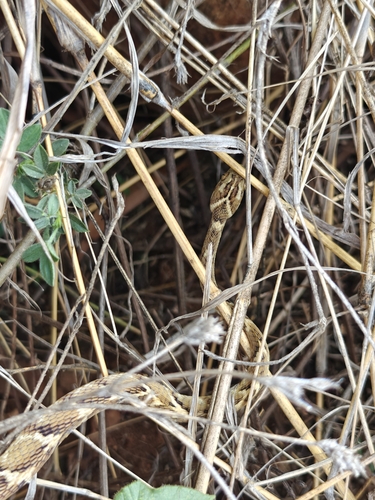
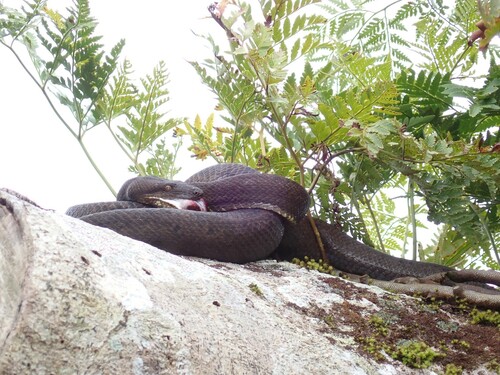
Compiled from verified GBIF & iNaturalist observations. "How often seen" reflects how frequently a snake is reported here, not how dangerous it is. Informational only.
Keep learning
- Are Snakes Dangerous? The Real Risk, in PerspectiveMost snakes are harmless and avoid people. Here is the honest picture of snakebite risk worldwide and how to lower your own.
- Snakebite First Aid: What to Do (and What Never to Do)A clear, CDC-based guide to snakebite first aid: the steps that help, the popular myths that hurt, and how to tell a serious bite from a minor one.
- Venomous vs Nonvenomous: How to Tell the DifferenceThe folk rules for telling venomous snakes apart, where each one fails, and why location-based identification beats guessing by sight.
- What to Do If You Find a SnakeFound a snake at home or on a trail? Here is how to stay calm, give it space, identify it safely, and know when to call a professional.