
Guam
Snakes in Guam
5 snake species have been recorded in Guam, 1 venomous.
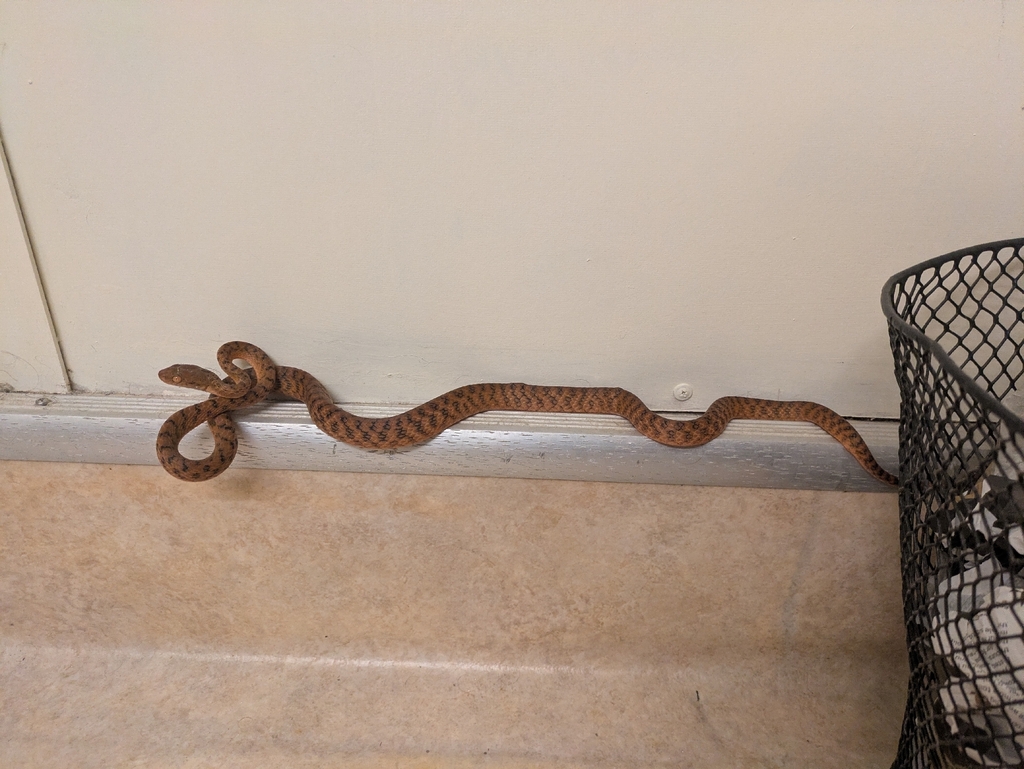
Snakes of Guam
Guam is a small tropical island in the western Pacific, the southernmost of the Mariana Islands. Its snake fauna is recorded in our database as 6 species, and like most places the great majority are non-venomous. Two species are venomous. The island has no native land snakes of significance to people, so the snakes seen here today are shaped less by ancient evolution than by the ocean around the island and by what has arrived more recently. Habitats range from limestone forest and ravine forest to savanna grassland, mangrove fringes, and the warm coastal waters of the surrounding reef.
The two venomous snakes on Guam come from very different worlds. One is the marine realm: sea snakes and the closely related sea kraits are highly venomous members of the cobra family that live in or near the sea, and any venomous snake genuinely tied to Guam belongs to this saltwater group rather than to the forest floor. These animals are encountered in the water or occasionally resting on shore, not in yards or gardens. The other venomous presence is small and unusual: the introduced brahminy blind snake is harmless, but the broader story of Guam is dominated by an introduced colubrid, the brown tree snake, which is rear-fanged and mildly venomous to humans. Its venom is not considered dangerous to healthy adults, though it is medically relevant for very small children.
The brown tree snake is the iconic and infamous snake of Guam. Arriving after World War II as a stowaway, it spread across the island in the absence of native predators and drove most of Guam's native forest birds to local extinction. It is nocturnal, an excellent climber, and is the snake people are most likely to see, often on fences, power lines, or buildings at night. The harmless majority of the island's other recorded snakes are slight by comparison: the tiny brahminy blind snake, a burrowing, earthworm-like species often mistaken for a worm, and marginal or sea-associated species that pose no threat on land.
Snakes are part of how this island ecosystem now functions, for better and worse. On Guam the lesson runs both directions: native island systems evolved with almost no snakes, so an introduced predator like the brown tree snake reshaped the food web dramatically, while in the sea the venomous sea snakes are long-established predators of fish and eels that help keep reef populations in balance. Snakes elsewhere control rodents and other small prey, and even on Guam the brown tree snake preys heavily on small vertebrates. Understanding which snakes belong and which do not is central to protecting what remains of the island's wildlife.
For people, the practical picture is reassuring on land. Most snakes you might encounter on Guam are harmless, and the brown tree snake, while mildly venomous, is not a serious danger to healthy adults. The real venomous risk is in the water, where sea snakes and sea kraits carry potent venom, so the sensible rule is to leave any snake in or near the sea alone. No wild snake, venomous or not, should be handled or picked up. If a bite occurs, the treatment is professional medical care at a hospital, where antivenom and supportive care are available, not anything done in the field. In the United States and its territories you can reach Poison Control at 1-800-222-1222, or call local emergency services right away.
Snakes in Guam: FAQ
- Are there venomous snakes in Guam?
- Yes. 1 venomous snake species has verified records in Guam, including Vang Vieng lance-headed pit viper. Most snakes in Guam, however, are harmless.
- How many snake species live in Guam?
- 5 snake species have verified records in Guam, of which 1 is venomous.
- What is the most commonly seen snake in Guam?
- The Brown Tree Snake is the most frequently reported snake in Guam, based on verified wildlife observations.
- What should I do if I see a venomous snake in Guam?
- Keep your distance and do not try to catch or kill it. Most bites happen when people handle or corner a snake. If someone is bitten, contact local emergency services or poison control immediately.
Venomous snakes in Guam

Every snake recorded in Guam
5 species across 3 families, grouped by family. Venomous flagged.
Colubridae (3)
Typhlopidae (1)
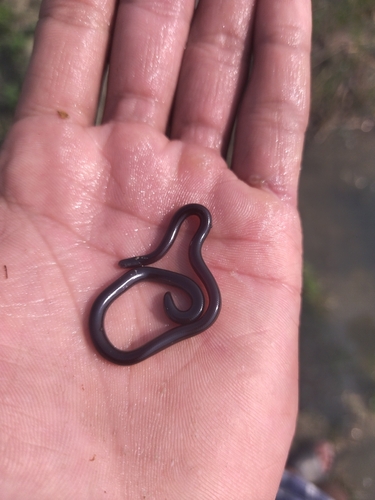
Compiled from verified GBIF & iNaturalist observations. "How often seen" reflects how frequently a snake is reported here, not how dangerous it is. Informational only.
Keep learning
- Are Snakes Dangerous? The Real Risk, in PerspectiveMost snakes are harmless and avoid people. Here is the honest picture of snakebite risk worldwide and how to lower your own.
- Snakebite First Aid: What to Do (and What Never to Do)A clear, CDC-based guide to snakebite first aid: the steps that help, the popular myths that hurt, and how to tell a serious bite from a minor one.
- Venomous vs Nonvenomous: How to Tell the DifferenceThe folk rules for telling venomous snakes apart, where each one fails, and why location-based identification beats guessing by sight.
- What to Do If You Find a SnakeFound a snake at home or on a trail? Here is how to stay calm, give it space, identify it safely, and know when to call a professional.