
French Polynesia
Snakes in French Polynesia
5 snake species have been recorded in French Polynesia, 3 venomous.
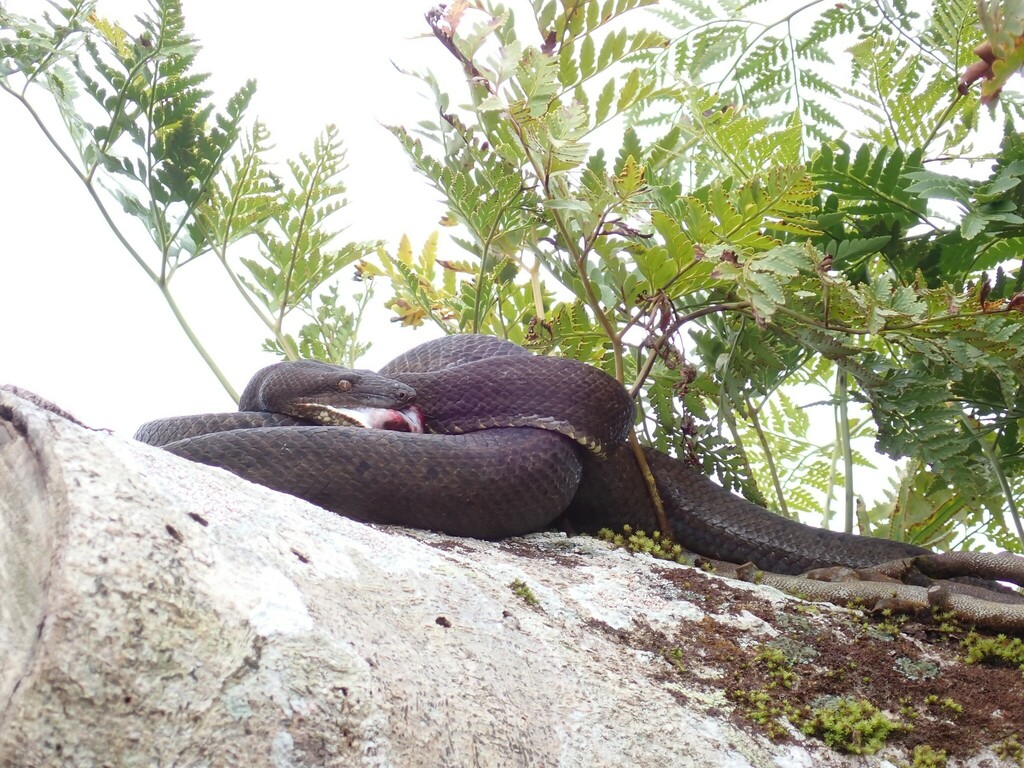
Snakes of French Polynesia
French Polynesia is a vast scatter of volcanic islands and low coral atolls across the South Pacific, grouped into the Society Islands, Marquesas, Tuamotus, Gambier, and Austral archipelagos. As remote oceanic islands separated by thousands of kilometers of open water, these landmasses were never connected to a continent, so they have almost no native terrestrial snake fauna. The snakes recorded here instead reflect a mix of marine species that range naturally across the tropical Pacific and a small number of land snakes carried in by human movement. Our database lists 5 snake species for the territory, 3 of them venomous, and the great majority of snakes a visitor might encounter elsewhere in the world are non-venomous.
The habitats that shape this fauna are overwhelmingly marine. The warm, clear waters around the reefs, lagoons, and shorelines are where the venomous species belong. Sea snakes and sea kraits are true Pacific reptiles, adapted to hunting fish and eels among coral and rock, and they account for the venomous side of the local list. On land, the islands offer little for snakes: lush valley forests, coconut plantations, gardens, and coastal scrub support a few introduced or wide-ranging land species, but there is no rich community of native terrestrial serpents as you would find on a continent. The ocean, not the forest, is the defining snake habitat of French Polynesia.
The venomous snakes genuinely present are marine. These belong to the elapid sea snake and sea krait groups, which carry potent venom used to subdue fish. They are generally not aggressive toward people and tend to move away when given space, but they are still highly venomous animals and should never be touched, picked up, or cornered, whether seen swimming on a reef or resting on a beach. On land, the introduced snakes here are small and harmless. The widespread brahminy blind snake, a tiny burrowing species often mistaken for an earthworm, is a typical example of the kind of harmless land snake that travels with human cargo and poses no threat at all.
Snakes play a real ecological role even in this sparse setting. The marine species help regulate populations of reef fish and eels and are themselves part of the food web that supports larger predators. Small burrowing land snakes feed on ant and termite eggs and larvae, quietly checking insect numbers in soil and leaf litter. In an island system with few reptile predators, these animals occupy niches that would be filled by a much larger cast of species on a mainland, which makes even a short species list ecologically meaningful.
On safety, the honest picture is that most snakes a person meets in daily life pose no danger, and the harmless land species here cannot hurt you. The real medical concern is the marine venomous group, sea snakes and sea kraits, whose bites are rare but can be serious. The correct response to any venomous snakebite is hospital care, where antivenom and supportive treatment are given by medical professionals. Do not attempt to handle, capture, or kill any wild snake, and never assume a snake in or near the water is safe to touch. If a bite occurs, treat it as a medical emergency and seek professional care immediately. In the United States you can reach Poison Control at 1-800-222-1222, and elsewhere contact your local emergency services.
Snakes in French Polynesia: FAQ
- Are there venomous snakes in French Polynesia?
- Yes. 3 venomous snake species have verified records in French Polynesia, including Yellow-bellied Sea Snake, Yellow-lipped Sea Krait, Blue-lipped Sea Krait. Most snakes in French Polynesia, however, are harmless.
- How many snake species live in French Polynesia?
- 5 snake species have verified records in French Polynesia, of which 3 are venomous.
- What is the most commonly seen snake in French Polynesia?
- The Bibron's Bevel-nosed Boa is the most frequently reported snake in French Polynesia, based on verified wildlife observations.
- What should I do if I see a venomous snake in French Polynesia?
- Keep your distance and do not try to catch or kill it. Most bites happen when people handle or corner a snake. If someone is bitten, contact local emergency services or poison control immediately.
Venomous snakes in French Polynesia
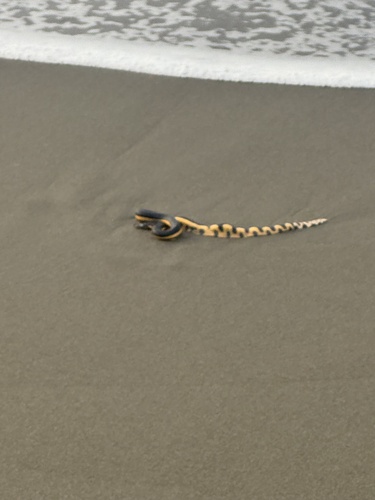
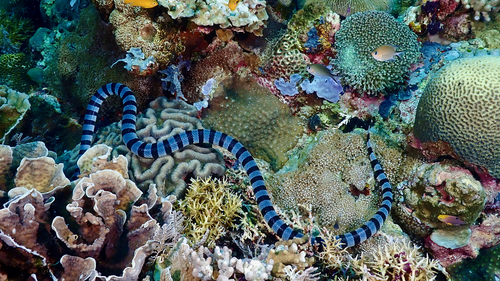
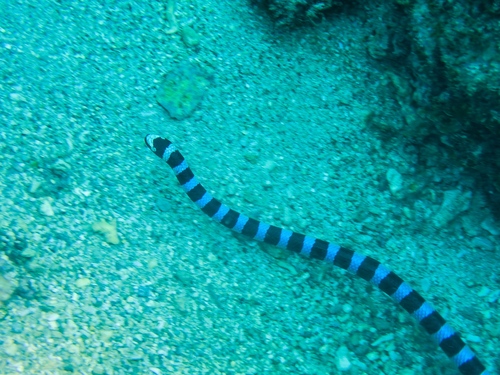
Every snake recorded in French Polynesia
5 species across 3 families, grouped by family. Venomous flagged.
Elapidae (3)
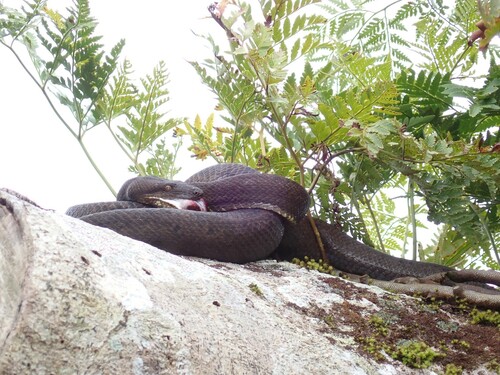
Typhlopidae (1)
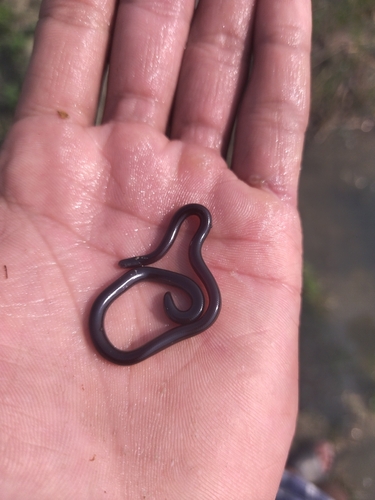
Compiled from verified GBIF & iNaturalist observations. "How often seen" reflects how frequently a snake is reported here, not how dangerous it is. Informational only.
Keep learning
- Are Snakes Dangerous? The Real Risk, in PerspectiveMost snakes are harmless and avoid people. Here is the honest picture of snakebite risk worldwide and how to lower your own.
- Snakebite First Aid: What to Do (and What Never to Do)A clear, CDC-based guide to snakebite first aid: the steps that help, the popular myths that hurt, and how to tell a serious bite from a minor one.
- Venomous vs Nonvenomous: How to Tell the DifferenceThe folk rules for telling venomous snakes apart, where each one fails, and why location-based identification beats guessing by sight.
- What to Do If You Find a SnakeFound a snake at home or on a trail? Here is how to stay calm, give it space, identify it safely, and know when to call a professional.