
Regional guide
Venomous Snakes of Africa: The Groups That Matter Most
A guide to the venomous snakes of Africa: mambas, cobras, the saw-scaled viper, puff adder, gaboon viper, and boomslang, and which ones cause the most bites.
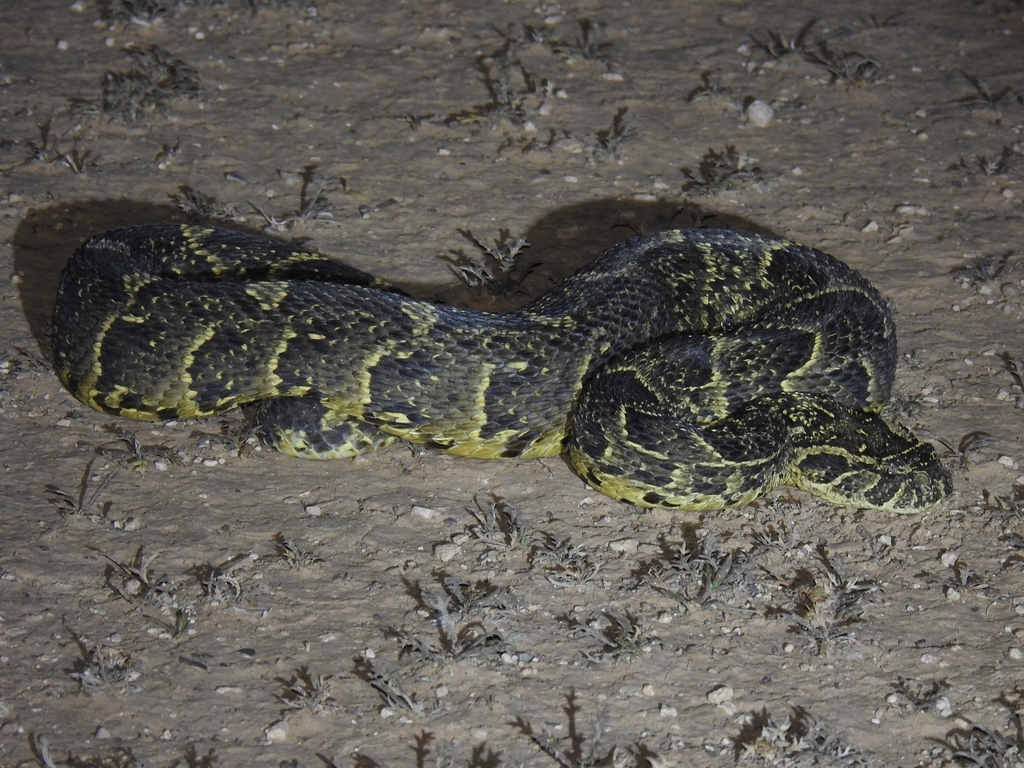
Africa has a fearsome reputation for venomous snakes, and some of the world's most medically important species do live there. But the danger is not spread evenly. A handful of groups account for the vast majority of serious bites, and two unassuming vipers, not the famous mambas, cause the most. This guide walks through the major venomous snakes of Africa and what makes each one notable.
Mambas
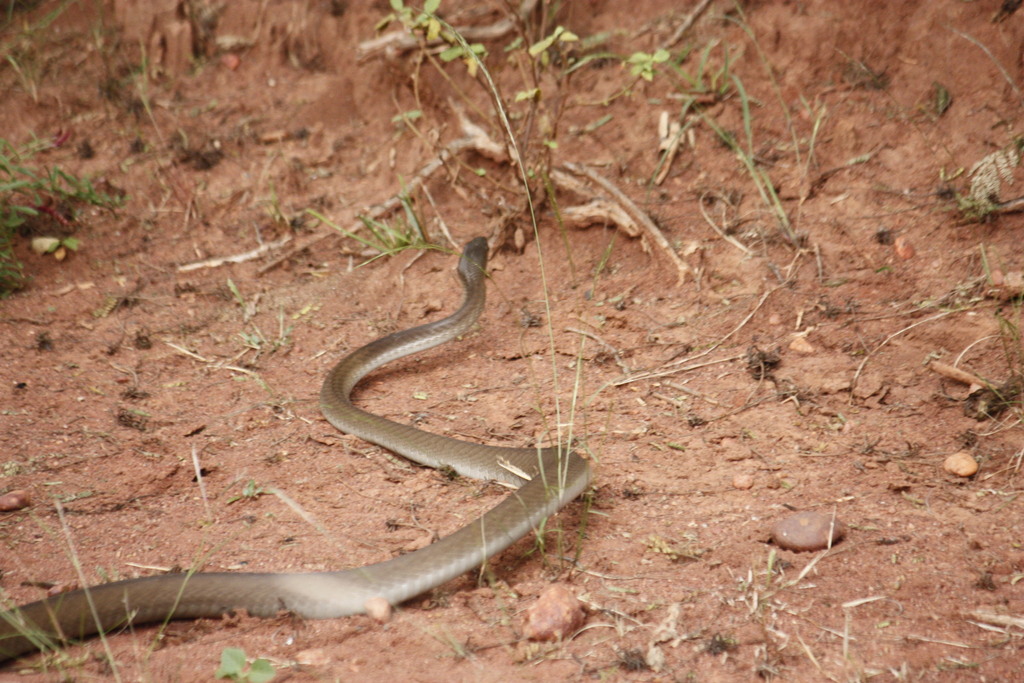
Mambas are fast, alert elapids with potent neurotoxic venom. The black mamba is the most feared, named for the inky black inside of its mouth rather than its body color, which is usually gray to olive. Green mambas such as the eastern green mamba and western green mamba are arboreal and more secretive. Mambas are dangerous, but they generally avoid people and bites are far less common than their reputation suggests.
Cobras
Africa is home to many cobra species in the genus Naja, including the Egyptian cobra and the Cape cobra. Several African cobras can spit venom toward the eyes as a defense, which can cause intense pain and temporary blindness if not rinsed out quickly. Their venom is largely neurotoxic. Cobras adapt well to farmland and settlements, which brings them into contact with people.
The saw-scaled viper
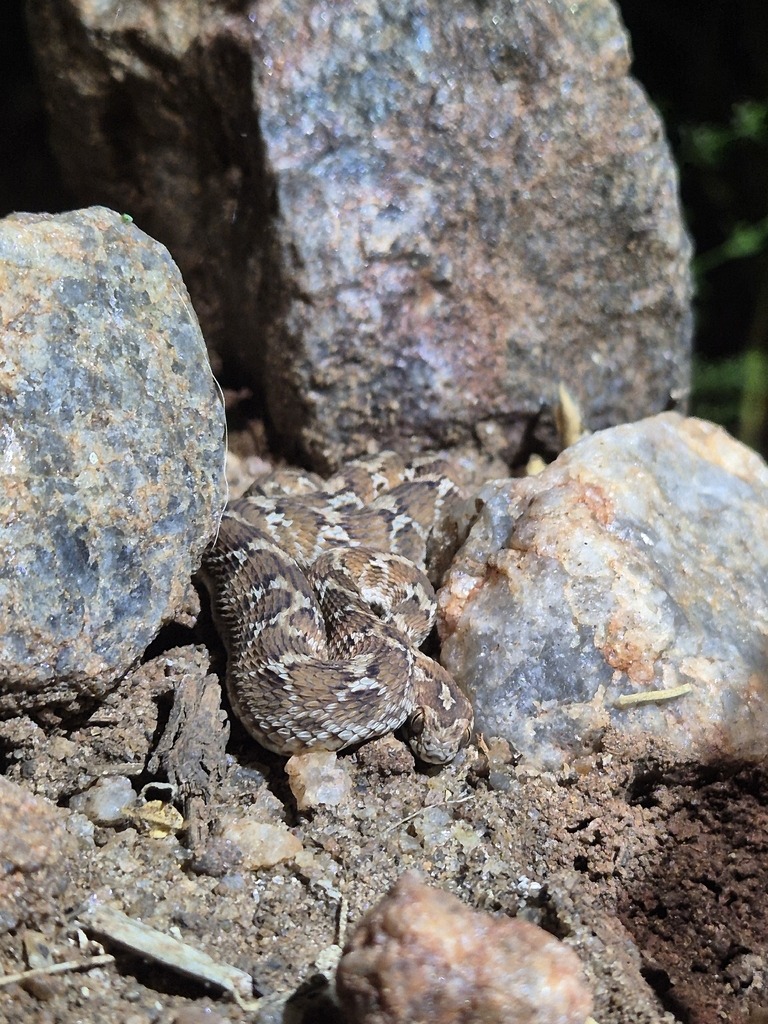
Small but deadly, the saw-scaled viper is one of the snakes responsible for the most bites and deaths across Africa and into the Middle East and Asia. It is easily overlooked, lives in dry country where many people work barefoot, and is quick to defend itself, rubbing its coils together to make a rasping, sizzling sound. Its small size belies a dangerous, tissue-destroying venom.
The puff adder
The puff adder is arguably the most important venomous snake in Africa for human safety. It is widespread, common, well camouflaged, and relies on stillness rather than flight, so people step on it without warning. It is heavy-bodied with a broad head and a habit of inflating and hissing loudly when threatened. Between its abundance and its potent cytotoxic venom, the puff adder causes more serious bites than any flashier species.
The gaboon viper
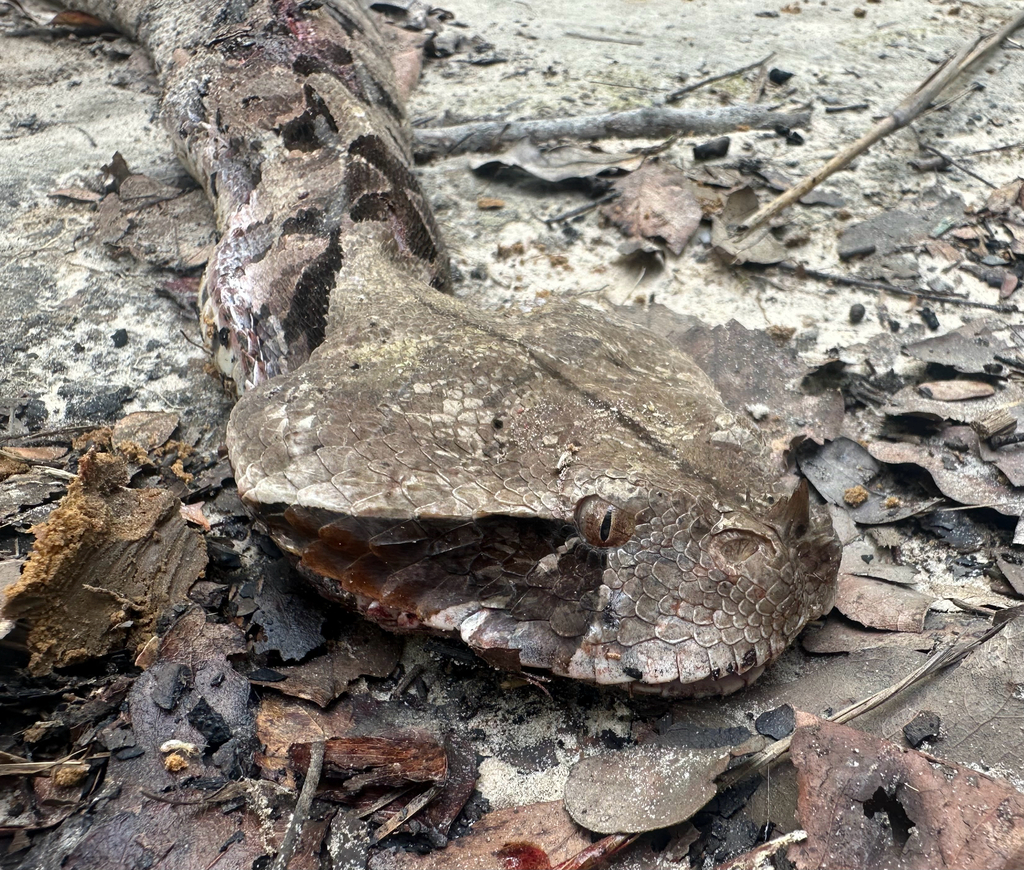
The gaboon viper is a forest-floor giant with the longest fangs of any snake and a huge venom yield. Its intricate, leaf-like pattern makes it nearly invisible in fallen leaves. Fortunately it is placid and slow to bite, so encounters rarely end badly, but a bite is a true medical emergency.
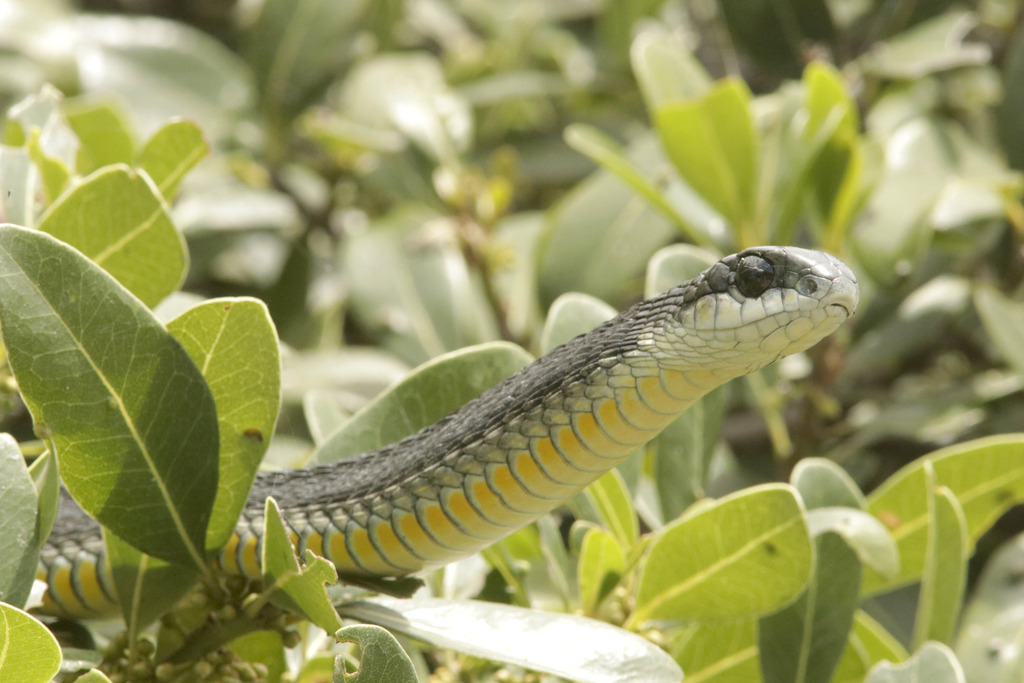
The boomslang
The boomslang is a slender, large-eyed tree snake that is rear-fanged and was once thought harmless. Its venom is in fact a potent hemotoxin that interferes with blood clotting, and symptoms can be delayed for hours. Boomslangs are shy and bites are rare, but they are a reminder that not every dangerous snake fits the thick-bodied viper mold.
Which cause the most harm
Despite the headlines around mambas and cobras, the puff adder and the saw-scaled viper cause the most bites across the continent. Both are small to medium, well camouflaged, common in places where people farm and walk, and quick to defend themselves. Avoiding bites is mostly about footwear, attention to the ground, and not reaching into places you cannot see.
Antivenom and access to care
The deadliness of a snakebite in Africa depends heavily on how quickly the victim reaches treatment. Many of the worst-affected areas are rural, far from clinics, and short on the right antivenom, which must be matched to the species and kept refrigerated. This is why two relatively unglamorous snakes, the puff adder and the saw-scaled viper, do so much harm: they are common where care is hardest to reach. The single most useful thing a bite victim can do is get to a hospital quickly and stay calm rather than relying on folk remedies, which waste time and can make things worse.
Africa's venomous snakes are varied and genuinely dangerous, but serious encounters are far rarer than their reputation implies, and almost all snakes prefer to avoid people. To explore the species in a given country, browse our country guides, and read more about how venom works on the venomous snakes hub and our snake venom explained article.