
Species spotlight
Saw-Scaled Viper Facts: Small Snake, Huge Death Toll
The saw-scaled viper is small but ranks among the deadliest snakes by human death toll. Where it lives, its warning sawing sound, and how to identify it.
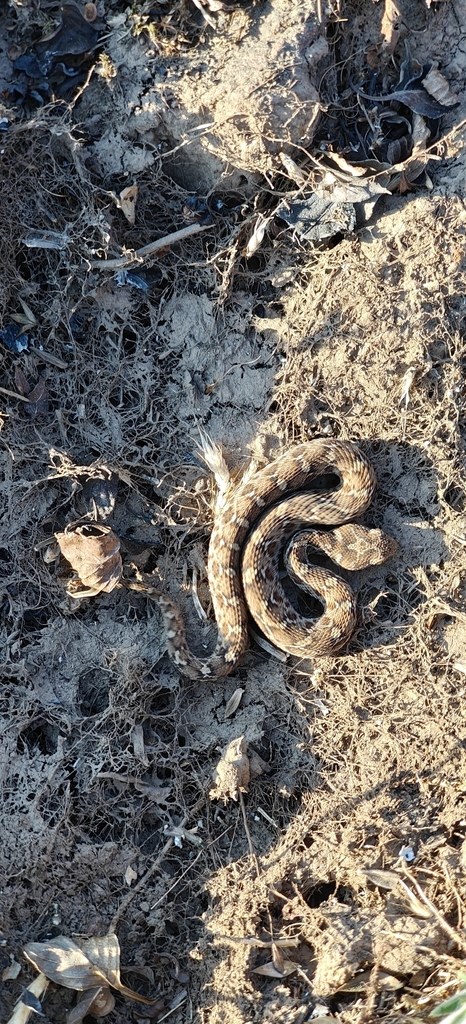
The saw-scaled vipers, genus Echis, are small snakes with an outsized reputation. Few of them grow longer than two feet, yet they are widely counted among the deadliest snakes on Earth by sheer number of human deaths. They live across a vast, densely populated belt from West Africa through the Middle East to South Asia, they are easily provoked, and they announce their alarm with a strange rasping sound made by rubbing their own scales together.
Where the saw-scaled viper lives
Saw-scaled vipers occupy dry and semi-dry country across Africa north of the equator, the Middle East, and South Asia, including much of the Indian subcontinent. They thrive in scrub, savanna, rocky ground, and the edges of farmland and villages. You can explore their range on our India snakes page, Nigeria snakes page, and Egypt snakes page.
Because they live alongside dense rural populations and shelter near homes and fields, encounters with people are frequent, which is a large part of why they cause so many bites.
Size and appearance
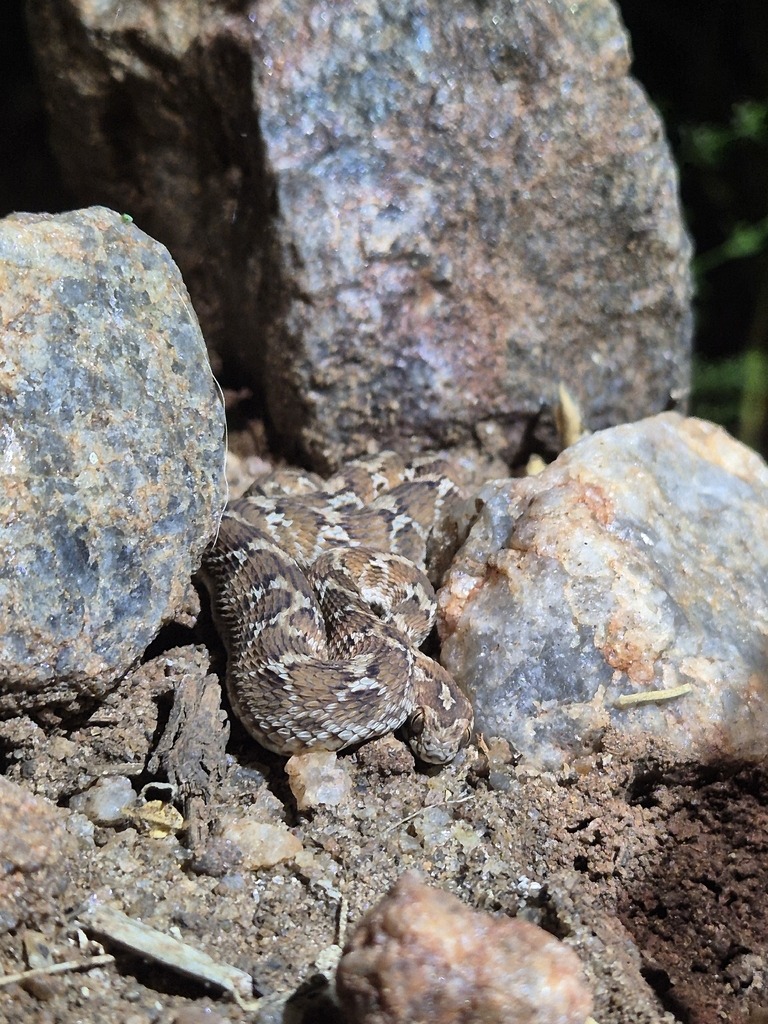
These are small, stout vipers, usually around 1 to 2 feet long. The head is short, broad, and clearly distinct from the neck, with a slightly pear-shaped outline and large eyes with vertical pupils.
Color is sandy, gray, or reddish brown with a pattern of pale, often wavy or arrow-shaped markings down the back and serrated keeled scales along the sides. That base color blends perfectly into dry soil and sand.
Venom and danger to people
Saw-scaled viper venom is potent and acts on the blood, disrupting clotting and damaging tissue, which can lead to severe internal bleeding, kidney injury, and death without proper treatment. What makes the genus so lethal in practice is the overlap of toxic venom, an easily provoked nature, and huge human populations sharing its habitat. Antivenom is the definitive treatment, and prompt medical care is critical.
These vipers are quick to strike when disturbed and can lunge a surprising distance for their size. Most bites happen when people step near one without seeing it, or try to move or kill it. Treat any small viper in this range with serious caution. For more, see the deadliest snakes and most venomous snakes guides.
How to identify a saw-scaled viper
In dry country across its range, look for these clues:
- A small, stout body rarely more than two feet long
- A short, broad head distinct from the neck, with vertical pupils
- Sandy, gray, or reddish color with pale wavy or arrow-shaped markings
- Strongly keeled, serrated scales along the sides
- A coiled, figure-eight posture and a dry sawing or sizzling sound when alarmed
The rasping sound is the giveaway: when threatened the snake coils and rubs its serrated side scales together to produce a continuous hiss-like sizzle. Read the full saw-scaled viper profile or learn how to tell if a snake is venomous.
Notable facts
- Despite small size, the genus is among the top causes of snakebite death worldwide
- It makes its warning rasp by rubbing serrated scales together, not by hissing
- It is fast and willing to strike repeatedly when cornered
- Several species span Africa, the Middle East, and South Asia
- Its camouflage on bare ground makes it easy to step on unseen
The saw-scaled viper is the clearest proof that a snake does not need to be big to be deadly. Its danger comes from venom, attitude, and the simple fact that it lives where millions of people do. Listen for the rasp, watch the ground in its range, and give it a wide path. Continue with the snakes index or the snake venom explained guide.