
Identification
How to Tell if a Snake Is Venomous
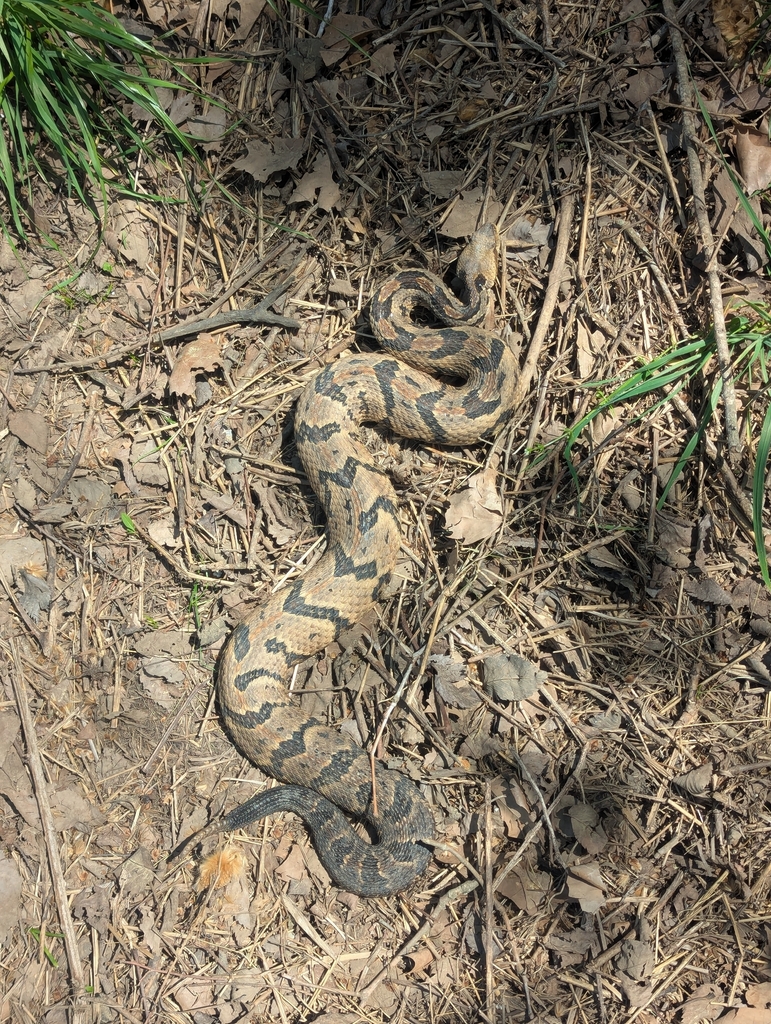
Telling a venomous snake from a harmless one is mostly about knowing which species live in your region and learning their specific markings, not memorizing a single magic rule. Many popular shortcuts are unreliable and some are dangerously wrong. The safest approach is to observe from a distance, identify by range and pattern, and never handle a wild snake to check.
Start With Where You Live
The single most useful identification tool is knowing which venomous species actually occur in your area. Most regions have only a handful of medically significant snakes, so learning those few by sight is far more reliable than trying to apply a universal rule. In the United States, for example, venomous snakes fall into a small set of groups: pit vipers such as rattlesnakes, copperheads, and cottonmouths, plus coral snakes in the Southeast and parts of the Southwest.
Use a trusted regional field guide, a state wildlife or natural resources agency page, or a vetted identification app to build a short mental list of the venomous species near you. Once you know what to look for, you can compare a snake you see against those specific animals rather than guessing. When you are uncertain, treat the snake as potentially venomous and keep your distance.
Why the Common Shortcuts Often Fail
A lot of widely repeated rules do not hold up. The idea that a triangular or arrow-shaped head means venom is unreliable because many harmless snakes flatten and spread their heads to look threatening, while some dangerous snakes, including coral snakes, have narrow rounded heads. Vertical, cat-like pupils are common in pit vipers but pupil shape changes with light, is impossible to judge safely from a distance, and coral snakes have round pupils.
Other myths are simply wrong. The presence or absence of a rattle does not settle anything, since copperheads and cottonmouths have no rattle and young or injured rattlesnakes may not rattle. Body shape, color brightness, and how aggressive a snake acts are all poor indicators. Because the exceptions are exactly the snakes that can hurt you, no single feature is a safe substitute for species-level identification.
Features That Can Help When Used Carefully
Some traits are genuinely useful as part of a fuller picture, viewed from a safe distance and never by handling the animal. North American pit vipers share a heavy-bodied look, a distinct facial pit between the eye and nostril, and keeled scales that give a rough appearance. Rattlesnakes add the obvious tail rattle. These clues work best in combination and only for the species they actually apply to.
Coral snakes are the important exception to most pit viper rules. They are slender, have round pupils and a small head, and wear bands of red, yellow, and black. The familiar rhyme about red touching yellow applies only to certain North American coral snakes and their mimics and does not transfer reliably to coral snakes elsewhere, so do not rely on it outside that specific context. Pattern can be a strong clue, but always confirm it against the documented species for your region.
How to Observe a Snake Safely
Identification should always happen at a distance. Most bites occur when people try to handle, capture, or kill a snake, so the safest move is to stop, back away, and give the animal room to leave. Snakes are not looking for a confrontation and will almost always retreat if you do not corner them. A general rule is to stay at least the snake's body length away, and farther is better.
If you want a closer look for identification, use a zoom lens or your phone camera to take a photo from a safe spot rather than approaching. A clear photo lets you compare markings later or share it with an expert. Never assume a snake is dead, since even a freshly killed venomous snake can deliver a reflexive bite, and never pick up a wild snake to inspect it.
What to Do If You Are Not Sure
When you cannot confidently identify a snake, treat it as if it could be venomous and simply leave it alone. Indecision is not a problem if your default is distance and respect. Most encounters resolve on their own once you stop interacting with the animal and let it move off.
If a snake is somewhere it should not be, such as inside a home or a busy work area, contact a professional. Local animal control, a wildlife removal service, or your state wildlife agency can identify and relocate it safely. For a confirmed identification, sending a clear photo to a regional herpetology group, a university extension office, or a reputable identification community is far safer than trying to capture the snake yourself.
If a Bite Happens
A snakebite is a medical emergency, and in the United States the right response is to call 911 or Poison Control at 1-800-222-1222 immediately. Get the person away from the snake, keep them calm and as still as possible, and move them to medical care quickly. Remove rings, watches, and tight clothing near the bite before swelling starts, and keep the bitten limb roughly at or slightly below the level of the heart.
Do not cut the wound, try to suck out venom, apply a tourniquet, pack it in ice, or give alcohol or medications on your own, because these outdated steps can cause serious harm and delay real treatment. You do not need to capture or kill the snake to be treated; a description or a photo taken from a safe distance is enough. Definitive care is antivenom and monitoring at a hospital, so the priority is always rapid professional help.
Frequently asked
- Is there one reliable way to tell if a snake is venomous?
- No. There is no single trait that works across all snakes. The most reliable approach is to learn which venomous species live in your region and identify by their specific features and range, while treating any unknown snake as potentially venomous.
- Does a triangular head mean a snake is venomous?
- Not reliably. Many harmless snakes flatten their heads to look triangular as a defense, and some venomous snakes such as coral snakes have narrow rounded heads. Head shape alone should never be used to decide whether a snake is dangerous.
- Can I tell by the snake's pupils?
- Pupil shape is unreliable for identification. Vertical pupils are common in pit vipers but vary with light, and coral snakes have round pupils. You also cannot judge pupils safely from a distance, so do not approach a snake to check its eyes.
- What should I do if I find a snake in my yard or home?
- Keep your distance, keep children and pets away, and let an outdoor snake leave on its own. For a snake indoors or in a busy area, call local animal control, a wildlife removal service, or your state wildlife agency to identify and relocate it.
- What is the first thing to do after a snakebite?
- Call 911 or US Poison Control at 1-800-222-1222 right away. Keep the person calm and still, remove tight items near the bite, and get to a hospital fast. Do not cut, suck, apply a tourniquet, or use ice, since these can cause harm.
Last reviewed June 22, 2026. Informational only, and not a substitute for professional medical or wildlife advice.