
Genus · Colubridae
Types of vine snakes
20+ species make up the genus Ahaetulla, the snakes commonly called vine snakes. None are considered dangerous to humans.
About Asian vine snakes
Slender, bright green tree snakes with a pointed snout and famously keyhole-shaped pupils.
Ahaetulla is a genus of slender, day-active tree snakes in the family Colubridae, the largest snake family. The common name covers the Asian vine snakes and whipsnakes, including the Oriental Whipsnake, the Indian Vine Snake, the Northern Western Ghats Vine Snake, and the Long-nosed Whipsnake. Our database lists 20+ species, and ongoing study keeps revising species boundaries within the group.
These snakes range across South and Southeast Asia, from India and Sri Lanka through southern China and out into the islands of Indonesia and the Philippines. They are arboreal and live in forests, scrub, plantations, gardens, and other vegetated places, where they move through branches and foliage hunting by sight. They are most active in the daytime.
Members are easy to recognize as a group. The body is extremely long and thin, often a vivid green or sometimes brown or gray, with a narrow, sharply pointed head and an elongated snout. The most distinctive feature is the horizontal, keyhole or keyhole-slit shaped pupil, paired with a groove along the snout that gives these snakes unusually good binocular vision for judging distance to prey. They often sway gently, blending with wind-moved vines.
Ahaetulla are rear-fanged and mildly venomous. They have enlarged grooved teeth at the back of the upper jaw and a venom suited to subduing small prey. They are not considered dangerous to people and bites are rare, but they are not harmless either. A bite from a rear-fanged snake can cause local swelling, pain, or other reactions, and individual sensitivity varies. Do not handle a wild snake to test how it reacts. If a bite occurs, seek medical care; in the US contact Poison Control at 1-800-222-1222, and elsewhere contact local emergency services.
Ecologically they are sit-and-wait and active visual hunters that feed mainly on lizards, frogs, and small birds, using their keen eyesight to strike. Most species are viviparous, giving birth to live young rather than laying eggs. Behavior is generally calm and cryptic; when threatened they may inflate the neck to show vivid skin between the scales and gape, relying on camouflage and bluff far more than on biting.
Ahaetulla belongs to the Colubridae family (Colubrids). The largest snake family, and the one most snakes you meet belong to. Typically round pupils, a head only slightly wider than the neck, and no heat-sensing facial pit or rattle. Scales may be smooth and glossy or keeled and matte depending on the species.
Danger: Almost all colubrids are harmless. A small number are rear-fanged with medically significant venom, the boomslang and the twig (vine) snakes of Africa being the dangerous exceptions. Most colubrids will flee or bluff rather than bite.
All species (20)
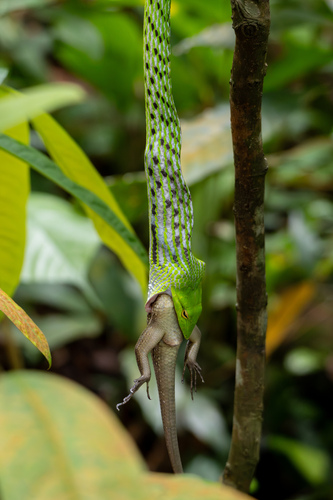 Oriental WhipsnakeAhaetulla prasinaHarmless
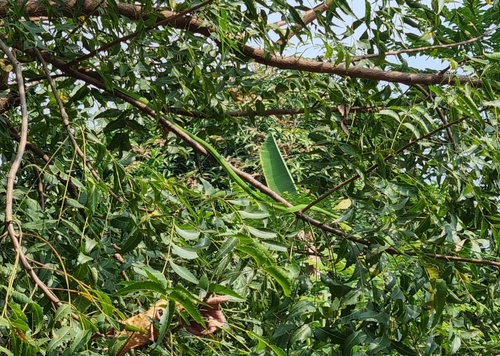 Indian Vine SnakeAhaetulla oxyrhyncaHarmless
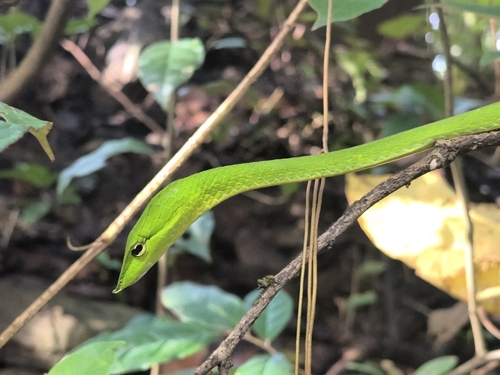 Northern Western Ghats Vine SnakeAhaetulla borealisHarmless
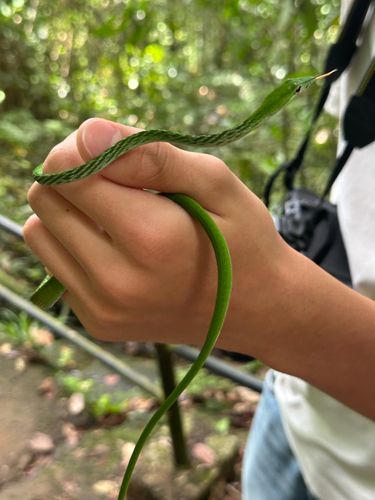 Long-nosed WhipsnakeAhaetulla nasutaHarmless
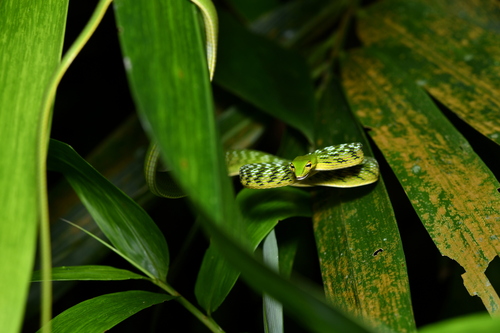 Malayan WhipsnakeAhaetulla mycterizansHarmless
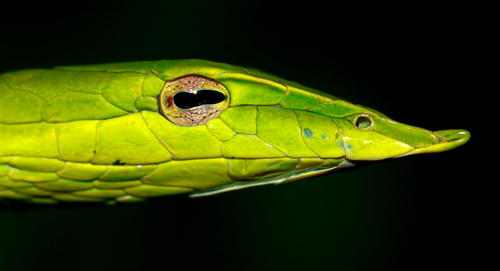 Indochinese Long-nosed WhipsnakeAhaetulla fuscaHarmless
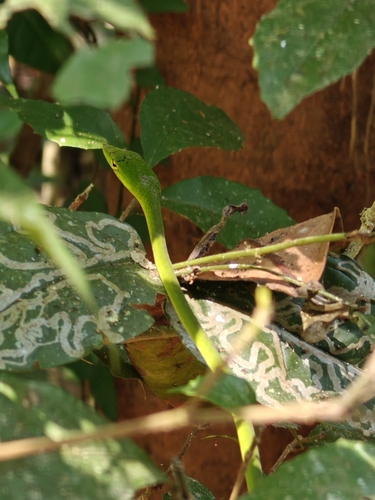 Farnsworth's Vine SnakeAhaetulla farnsworthiHarmless
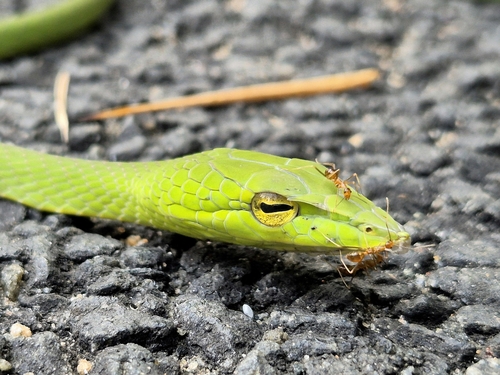 Malabar Vine SnakeAhaetulla malabaricaHarmless
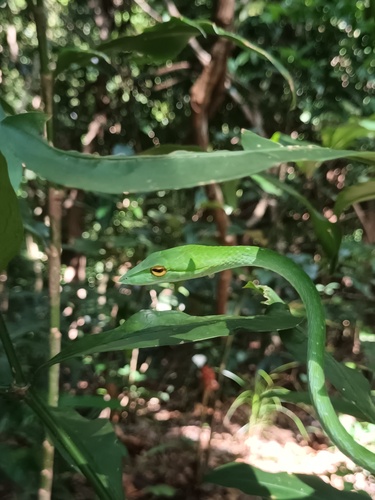 Wall's Vine SnakeAhaetulla isabellinaHarmless
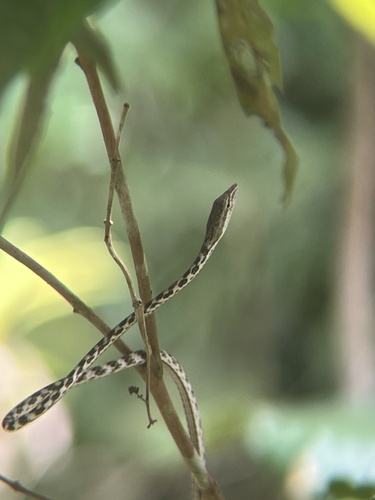 Speckle-headed WhipsnakeAhaetulla fasciolataHarmless
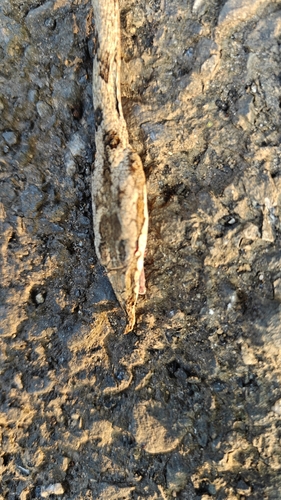 Sahyadri Hills WhipsnakeAhaetulla sahyadrensisHarmless
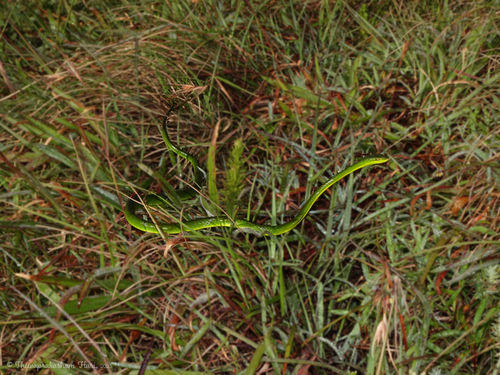 Günther's Vine SnakeAhaetulla disparHarmless
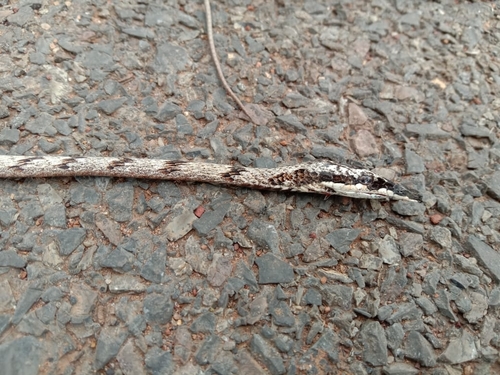 Variable Coloured Vine SnakeAhaetulla anomalaHarmless
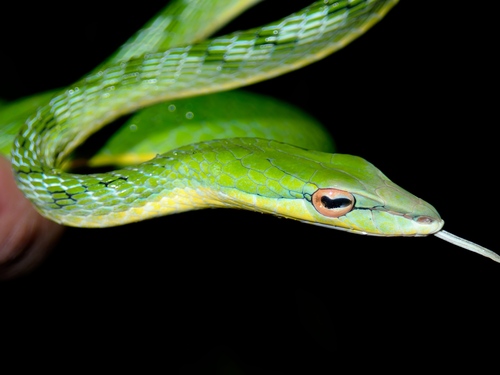 Red-eyed Vine SnakeAhaetulla rufusocularaHarmless
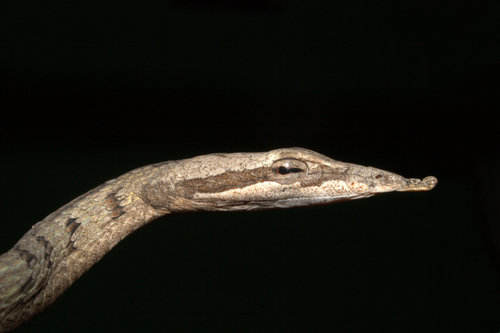 Brown-speckled WhipsnakeAhaetulla pulverulentaHarmless
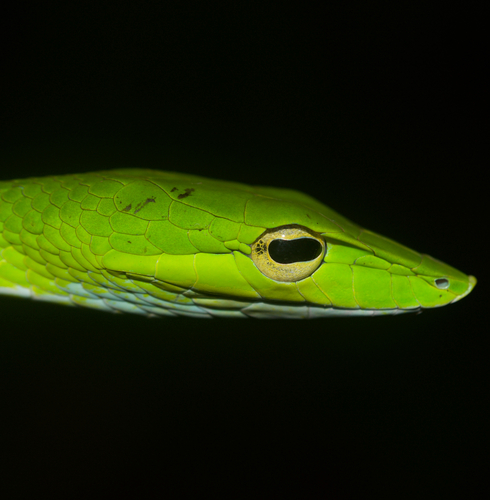 Yellow Whip SnakeAhaetulla flavescensHarmless
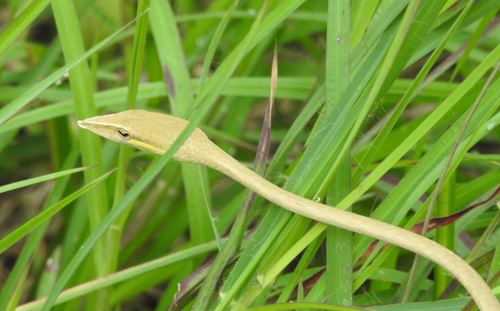 Laudankia Vine SnakeAhaetulla laudankiaHarmless
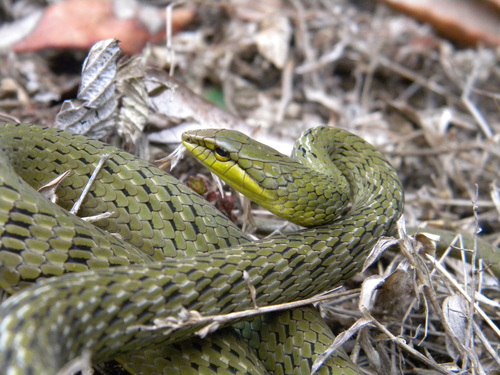 Western Ghats BronzebackAhaetulla perrotetiHarmless
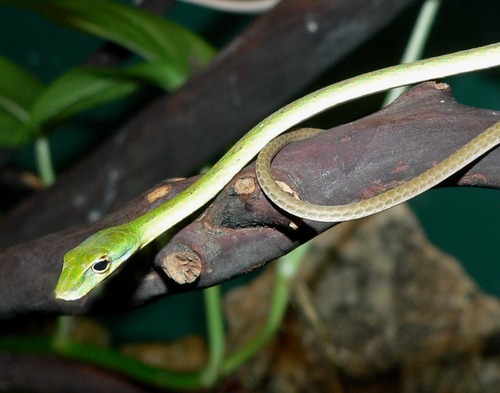 Burmese Vine SnakeAhaetulla fronticinctaHarmless
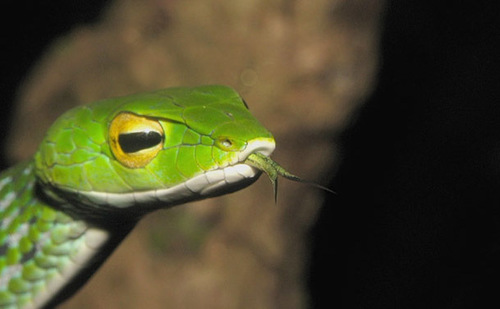 Travancore Vine SnakeAhaetulla travancoricaHarmless
Keep learning
- What Is a Snake? Anatomy and the BasicsA clear overview of what makes a snake a snake: limbless body plan, anatomy, evolution from lizards, species diversity, and why they are ectothermic.
- How Snakes Move, Hunt, and EatHow snakes move without legs, hunt as ambushers or active foragers, kill by constriction or venom, and swallow prey wider than their head.
- What Do Snakes Eat?All snakes are carnivores. Learn what snakes eat, how diet changes with size and age, how often they feed, and how they hunt and swallow prey.
- Venomous vs Nonvenomous: How to Tell the DifferenceThe folk rules for telling venomous snakes apart, where each one fails, and why location-based identification beats guessing by sight.