
Viperidae
Levantine Viper
VenomousMacrovipera lebetinus
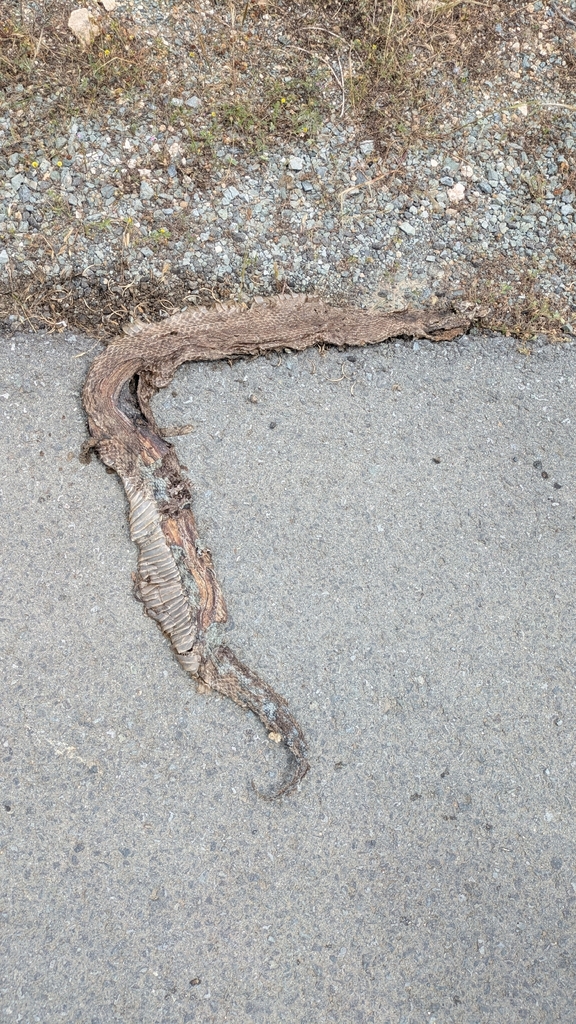
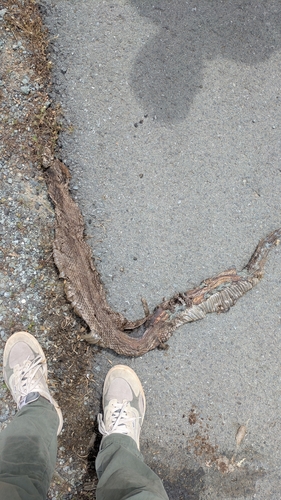
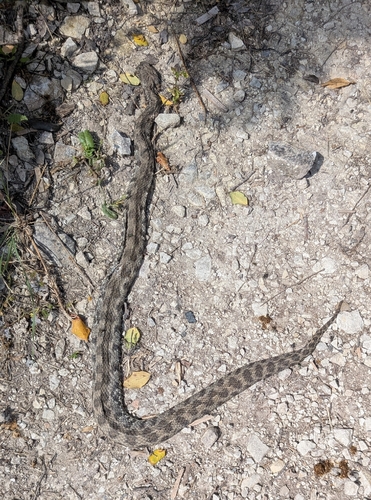
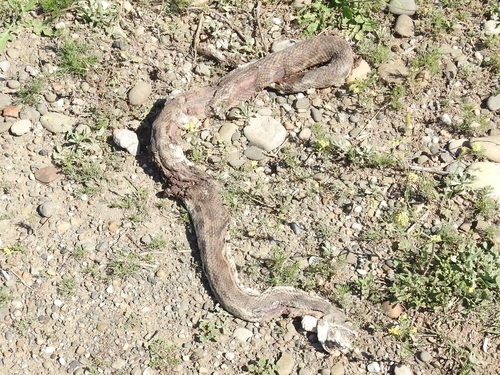
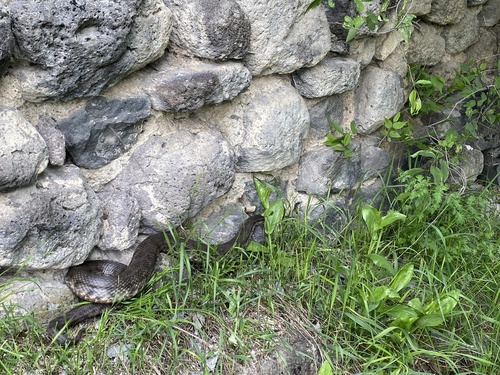
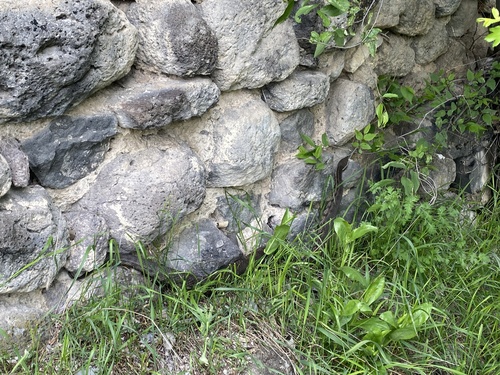
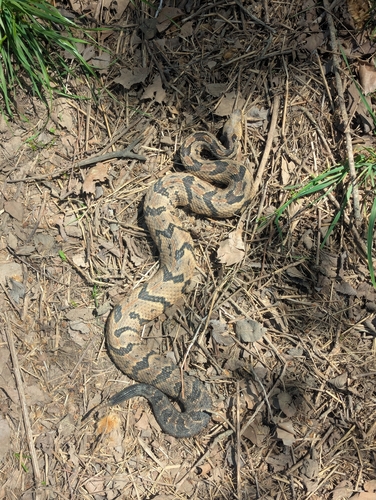
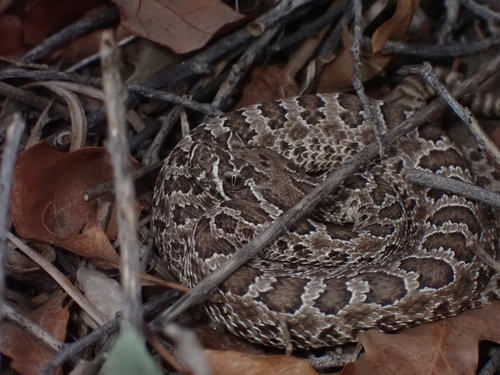
6 photographs of the Levantine Viper. © Ruslan Salimgareev.
The Levantine Viper (Macrovipera lebetinus) is a venomous snake in the Viperidae family, recorded in 1 country.
If you are bitten
This is a venomous snake. Treat any bite as a medical emergency: stay calm, keep the bitten limb still and roughly level with the heart, remove rings and tight clothing, and get to emergency care immediately. Do not apply a tourniquet, cut the wound, apply ice, or try to suck out venom. Call your local emergency number or poison center.
- Family
- Viperidae
- Danger
- high
About the Levantine Viper
Macrovipera lebetinus, known as the blunt-nosed viper, Lebetine viper, Levant viper, and by other common names, is a viper species found on islands in the Aegean Sea, in Algeria, and in much of the Middle East, and as far east as India. Like all other vipers, it is venomous. Six subspecies are currently recognized, including the nominate race described here.
Common names
Common names for this viper include: blunt-nosed viper, Lebetine viper, Levant viper, Levantine viper, Levantine adder, kufi or kufi viper (from the Greek word κωφή meaning deaf), gjurza (from Persian), coffin snake, Levante viper, mountain viper, gunas (from Kashmiri), fina or kontonoura (the second comes from the translation of Greek Cypriot dialect for "short-tailed").
Taxonomy
This species is currently subject to review. It is likely that certain subspecies will soon be elevated to valid species status. The nominate subspecies was restricted to Cyprus in 1928 by Mertens and Müller and so does not actually occur in the Levant region.
The populations found in southern Afghanistan and northern India are sometimes referred to as a separate subspecies: M. l. peilei. These normally have semidivided supraoculars.
Vipera Euphratica was originally used to refer to the populations that occur in the Euphrates river basin of Turkey, Syria and Iraq. It was synonymized with M. l. obtusa in several publications, including Joger (1984). However, Golay et al. (1993) include it in the synonymy of M. l. lebetina.
Obst (1983) suggested inclusion of the species in the genus Daboia instead of Macrovipera.
Subspecies
Description
This is a large snake, with females reaching 150 cm (59.1 in) in total length (body + tail) and males a little less. Sizes vary among different populations, with M. l. lebetina being somewhat smaller.
The head is broad, triangular, and distinct from the neck. The snout is rounded and blunt when viewed from above, which is why it is also called the blunt-nosed viper. The nasal and nasorostral scales are almost completely fused into a single plate, although some variation occurs.
The dorsal scales are strongly keeled, except for those bordering the ventrals. M. l. lebetina usually has 146-163 ventral scales. The anal scale is single.
The color pattern is less varied than one might expect from a species that is so widely distributed. The head is normally uniformly colored, although it can occasionally be marked with a dark V-shape. Dorsally, the ground color of the body can be gray, brown, beige, pinkish, olive, or khaki. The pattern, if present, is darker. It can be gray, bluish, rust, or brown in color, and may consist of a middorsal row or double row of large spots. When two rows are present, the spots may alternate or oppose, which can produce anything from a saddled to a continuous zigzag pattern. The spots are usually brown, dark gray, or black, but are sometimes red, brick, yellow, or olive in color. Males are usually 3 and a half feet (1.1 m) in total length, while females may attain a total length of 5 feet (1.5 m).
Habitat
Adapted from Wikipedia, available under CC BY-SA.
Local and regional names
The Levantine Viper is known by these names across the regions where it lives:
- Arabic
- أفعى المشرق, أفعى ذات الأنف الحاد
- Chinese
- 地中海鈍鼻蝰
- Czech
- zmije levantská
- Danish
- Nordlig Kæmpehugorm
- Dutch
- Levantijnse Adder
- English
- Blunt-nosed Viper, Kufi, Lebanese Viper, Lebetine Viper, Levant viper, West-Asian Blunt-Nosed Viper
- French
- Vipere du Levant, Vipere lebetine, Vipère du Levant, Vipère lébétine
- German
- Kykladenotter, Levante-Otter, Levanteotter, Milosotter, Milosviper
- Greek
- Φίνα
- Hebrew
- צפע מזרחי
- Hungarian
- Levantei vipera
- Italian
- Vipera del Levante
- Russian
- Gyurza, Гюрза, Левантская гадюка, Ливанская гадюка
- Turkish
- Koca Engerek
Frequently asked: Levantine Viper
- Is the Levantine Viper venomous?
- Yes. The Levantine Viper (Macrovipera lebetinus) is venomous and belongs to the Viperidae family (viper). Its bite is considered high risk to people. Treat any bite as a medical emergency.
- Is the Levantine Viper poisonous?
- Snakes are venomous, not poisonous. "Poisonous" means harmful to eat or touch; "venomous" means injecting toxins through a bite. The Levantine Viper is venomous, delivering venom through a bite.
- Is the Levantine Viper dangerous?
- This is a venomous snake. Treat any bite as a medical emergency: stay calm, keep the bitten limb still and roughly level with the heart, remove rings and tight clothing, and get to emergency care immediately. Do not apply a tourniquet, cut the wound, apply ice, or try to suck out venom. Call your local emergency number or poison center.
- Where does the Levantine Viper live?
- The Levantine Viper has verified records in 1 country, including Cyprus. See the distribution section below for its full range.
- Why is it called the Levantine Viper?
- Common names for this viper include: blunt-nosed viper, Lebetine viper, Levant viper, Levantine viper, Levantine adder, kufi or kufi viper (from the Greek word κωφή meaning deaf), gjurza (from Persian), coffin snake, Levante viper, mountain viper, gunas (from Kashmiri), fina or kontonoura (the second comes from the translation of Greek Cypriot dialect for "short-tailed").
If you are bitten by the Levantine Viper
Do
- Get away from the snake and stay calm. Most bites worsen when people panic or try again to handle the snake.
- Call 911 or Poison Control (1-800-222-1222) right away. Antivenom works best when given early.
- Note the time of the bite and, from a safe distance, the snake's color and pattern, a phone photo is enough. Do not chase it.
- Keep the bitten limb still and at roughly heart level. Sit or lie down and limit movement.
- Remove rings, watches, and tight clothing near the bite before swelling starts.
- Gently wash the bite with soap and water and cover it with a clean, dry dressing.
Do not
- Do not cut the wound or try to suck out the venom.
- Do not apply a tourniquet or ice.
- Do not drink alcohol or caffeine.
- Do not take aspirin or ibuprofen, they can worsen bleeding. Acetaminophen is safer for pain.
- Do not try to catch or kill the snake. A dead snake can still bite by reflex.
First-aid guidance adapted from the U.S. Centers for Disease Control and Prevention (CDC NIOSH), Venomous Snakes. Educational only; always follow the instructions of emergency responders.
Where it is found
More Viperidae snakes
Classification
How scientists group this snake, from the broadest category down to the exact species. Each step narrows to its closest relatives.
- OrderThe broad group of scaled reptiles: all snakes and lizards
- Squamata
- FamilyA group of related snakes that share key traits
- Viperidae
- GenusA close-knit group of very similar species
- Macrovipera
- SpeciesThis exact snake, named in the two-part scientific name
- Macrovipera lebetinus
Keep learning
- Are Snakes Dangerous? The Real Risk, in PerspectiveMost snakes are harmless and avoid people. Here is the honest picture of snakebite risk worldwide and how to lower your own.
- Snakebite First Aid: What to Do (and What Never to Do)A clear, CDC-based guide to snakebite first aid: the steps that help, the popular myths that hurt, and how to tell a serious bite from a minor one.
- Venomous vs Nonvenomous: How to Tell the DifferenceThe folk rules for telling venomous snakes apart, where each one fails, and why location-based identification beats guessing by sight.
- What to Do If You Find a SnakeFound a snake at home or on a trail? Here is how to stay calm, give it space, identify it safely, and know when to call a professional.
Distribution from GBIF & iNaturalist. Venom status per CDC. Background: Wikipedia. Informational only. Never handle a snake to identify it.