
Genus · Viperidae
Types of vipers
2 species make up the genus Macrovipera, the snakes commonly called vipers. All of them are venomous.
About blunt-nosed and giant vipers
Macrovipera are large, heavy-bodied true vipers of the dry lands around the eastern Mediterranean, and they are dangerously venomous.
Macrovipera is a small genus in the family Viperidae, the true vipers. Like all true vipers it has long, hinged front fangs that fold against the roof of the mouth and swing forward to inject venom when the snake strikes. The genus is set apart by sheer size and bulk: these are among the largest vipers of the western Palearctic, thick-bodied snakes with broad, somewhat triangular heads distinct from the neck. The two members recognized in our database are the Levantine viper (Macrovipera lebetinus) and Razi's viper (Macrovipera razii), the latter described from Iran, which sits at the edge of this group of large Old World vipers.
The genus is centered on the eastern Mediterranean and the arid belt running from North Africa and the Levant through Anatolia, the Caucasus, and into Central Asia. Typical habitat is dry and rocky: open scrub, stony hillsides, semi-desert, vineyards, and field margins, often near water or human activity where rodent prey is plentiful. In general terms you recognize these snakes by their large size and stout build, keeled scales that give a dull, matte look, and a muted ground color in grays, browns, or olive marked with darker blotches or a broken zigzag. Coloration and pattern vary widely across the range, so size and head shape are more reliable cues than markings, and any large heavy viper in this region should be treated as one of these.
These snakes are venomous and medically serious; the Levantine viper is responsible for severe and sometimes fatal bites across its range, so never handle or approach a wild one and give it distance. Their venom acts mainly on blood and tissue, causing pain, swelling, bleeding, and clotting problems. If a bite occurs, keep the person calm and still, do not cut, suck, or apply a tourniquet, and get to emergency medical care immediately, since antivenom may be needed; in the United States contact Poison Control at 1-800-222-1222, and elsewhere call local emergency services. Ecologically they are ambush hunters that feed largely on rodents, birds, and lizards, helping control pest populations; Macrovipera typically lay eggs rather than bearing live young, and they are most active in the warmer months, often at dusk or night to avoid the heat.
Macrovipera belongs to the Viperidae family (Vipers & pit vipers). Heavy-bodied venomous snakes with long, hinged, hollow fangs. Broad, triangular head distinct from a narrow neck, heavy body, and (usually) vertical, cat-like pupils. Pit vipers also have a heat-sensing pit; true vipers do not.
Danger: Every viper is venomous, and the family includes some of the world's most medically important snakes. Venom is typically hemotoxic, causing pain, swelling, tissue damage, and bleeding. Treat any viper bite as a medical emergency.
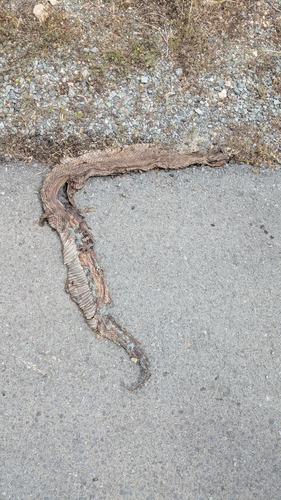
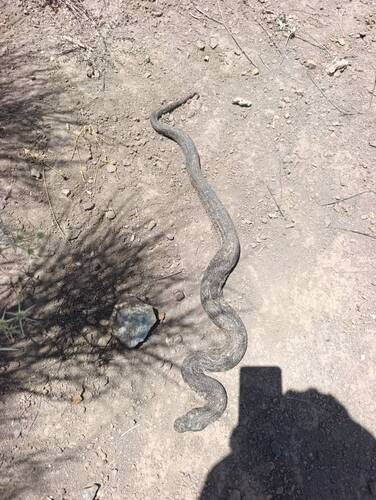
All species (2)
Keep learning
- Venomous vs Nonvenomous: How to Tell the DifferenceThe folk rules for telling venomous snakes apart, where each one fails, and why location-based identification beats guessing by sight.
- Are Snakes Dangerous? The Real Risk, in PerspectiveMost snakes are harmless and avoid people. Here is the honest picture of snakebite risk worldwide and how to lower your own.
- Snake Venom Explained: How It Works and WhyWhat snake venom actually is, why it evolved, the main venom types, fang delivery, how antivenom works, and why ranking the most venomous snake is hard.
- How Snakes Move, Hunt, and EatHow snakes move without legs, hunt as ambushers or active foragers, kill by constriction or venom, and swallow prey wider than their head.