
Genus · Colubridae
Types of ground snakes
40+ species make up the genus Erythrolamprus, the snakes commonly called ground snakes. None are considered dangerous to humans.
About ground snakes
Erythrolamprus is a large genus of small to medium South and Central American ground snakes: active, terrestrial colubrids that are mildly rear-fanged and not considered dangerous to people.
Erythrolamprus is a genus in the family Colubridae, placed in the large assemblage of New World snakes often called dipsadines or xenodontines. Our database lists 40+ species in the genus, which makes it one of the more diverse colubrid groups in the Neotropics. Many species that were once placed in the older genus Liophis have been moved into Erythrolamprus as the relationships among these snakes became clearer, so older field guides and labels may use either name for the same animal.
These are snakes of South and Central America, with the greatest variety in the tropical lowlands of the continent and a reach that extends into parts of the Caribbean. They are typically terrestrial and active by day, living in a wide range of habitats: rainforest floor, savanna and grassland, marsh edges, agricultural land, and gardens. Several species are common near water and in disturbed, human-modified areas, which is why people encounter them in yards and on trails.
Recognizing the genus comes down to general features rather than one field mark, because the 40+ species vary widely. In broad terms they are small to medium snakes with smooth scales, round pupils, and slender to moderately built bodies. Color is highly variable across the genus, from plain browns and olives to bold patterns; some species carry red, orange, or yellow on the belly or sides, and a few show banding that can superficially recall coral snakes. Pinning down a species usually takes scale counts and locality, so the safest approach is to identify the broad group and not assume a name from color alone.
On venom and safety: Erythrolamprus are rear-fanged, meaning they have enlarged grooved teeth toward the back of the upper jaw and a mild venom (a Duvernoy's secretion) used to subdue small prey. They are not front-fanged venomous snakes like vipers or coral snakes, and they are generally regarded as harmless to humans, with bites at most causing minor local effects in the rare cases where a snake chews on a person. This is not a license to handle them. No wild snake should be picked up, rear-fanged species can still cause a reaction in sensitive individuals, and some Erythrolamprus resemble coral snakes closely enough that misidentification is a real risk. If anyone is bitten by a snake they cannot confidently identify, treat it as a medical matter and contact emergency care: in the US, Poison Control at 1-800-222-1222, or local emergency services elsewhere.
Ecologically these are working predators of the leaf litter and water's edge. Diets across the genus lean heavily on amphibians such as frogs and toads, along with lizards, fish, and small reptiles, depending on the species and habitat. They are egg-laying snakes. When threatened many species put on a defensive display rather than fleeing immediately, flattening the head and body, raising the forebody, and striking; some will release musk. These bluffing displays make a harmless snake look more formidable than it is and contribute to needless killing of animals that pose no real threat.
Erythrolamprus belongs to the Colubridae family (Colubrids). The largest snake family, and the one most snakes you meet belong to. Typically round pupils, a head only slightly wider than the neck, and no heat-sensing facial pit or rattle. Scales may be smooth and glossy or keeled and matte depending on the species.
Danger: Almost all colubrids are harmless. A small number are rear-fanged with medically significant venom, the boomslang and the twig (vine) snakes of Africa being the dangerous exceptions. Most colubrids will flee or bluff rather than bite.
All species (46)
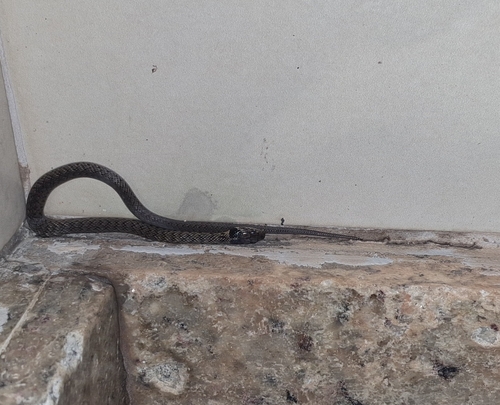 Yellow-bellied LiophisErythrolamprus poecilogyrusHarmless
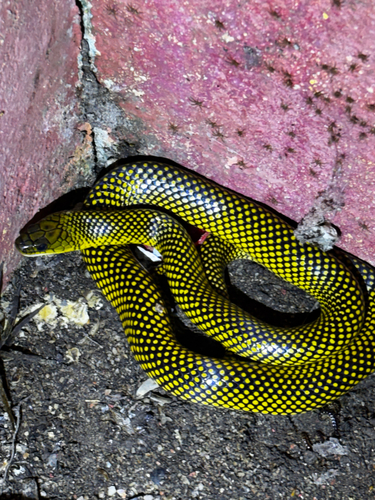 Military Ground SnakeErythrolamprus miliarisHarmless
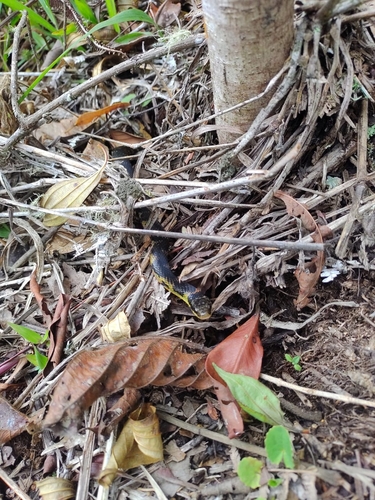 Fire-bellied SnakeErythrolamprus epinephalusHarmless
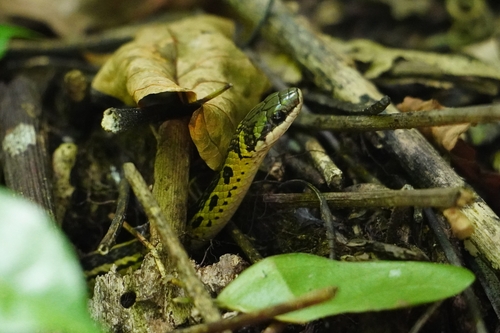 Black-backed SnakeErythrolamprus melanotusHarmless
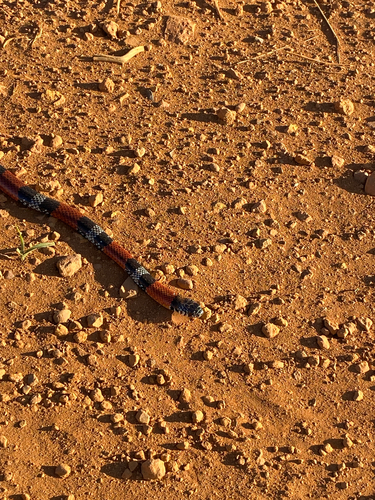 Aesculapian False Coral SnakeErythrolamprus aesculapiiHarmless
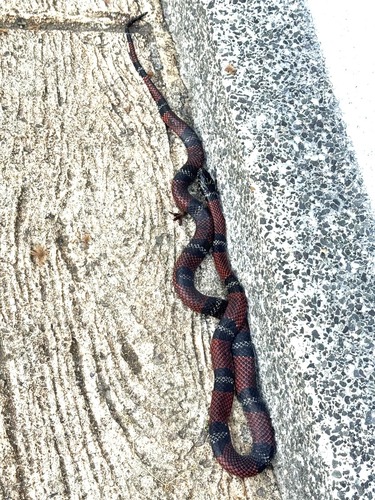 Double-banded Coral Snake MimicErythrolamprus bizonaHarmless
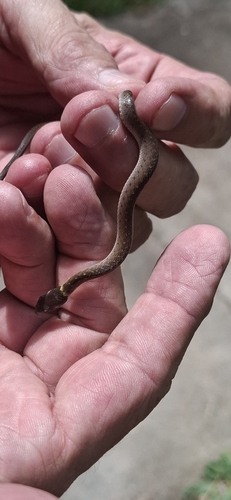 Royal Ground SnakeErythrolamprus reginaeHarmless
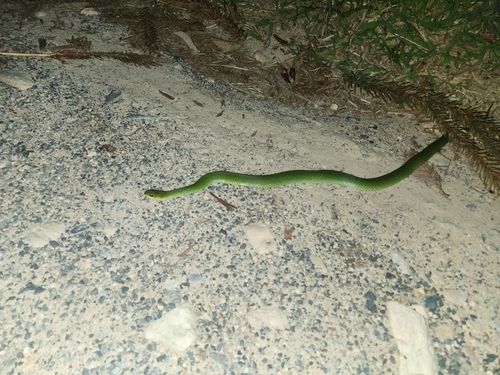 Velvet SwampsnakeErythrolamprus typhlusHarmless
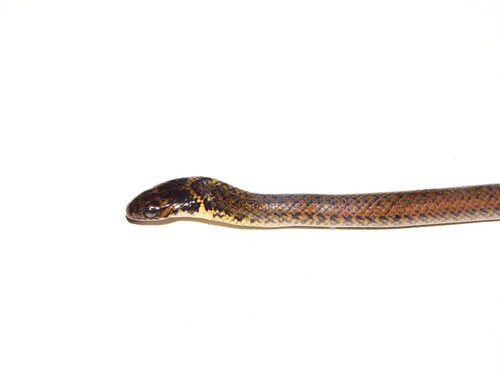 Golden LiophisErythrolamprus semiaureusHarmless
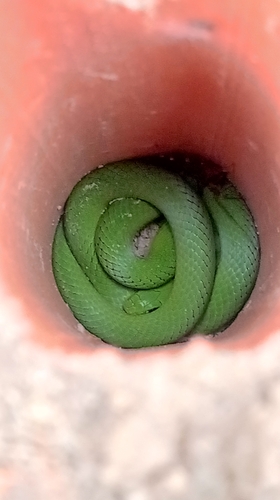 Crown Ground SnakeErythrolamprus viridisHarmless
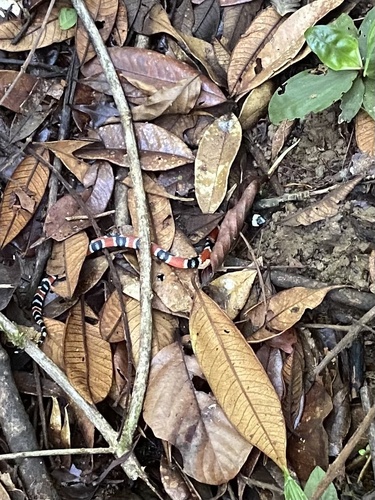 Mimic False Coral SnakeErythrolamprus mimusHarmless
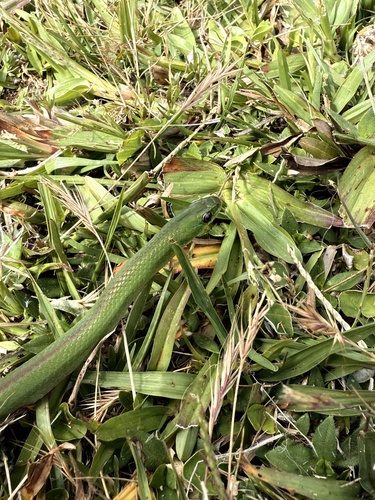 Jaeger's Ground SnakeErythrolamprus jaegeriHarmless
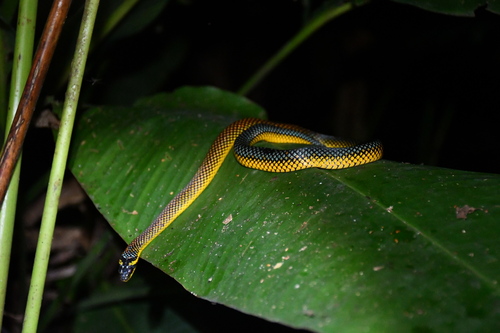 Erythrolamprus dorsocorallinusHarmless
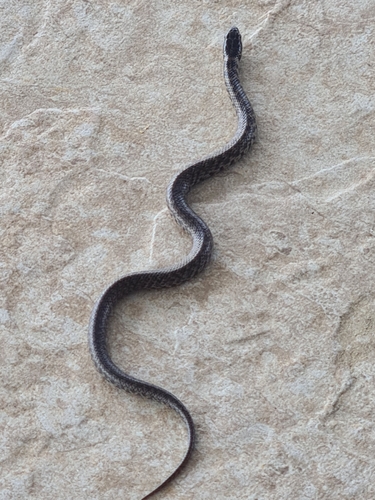 Erythrolamprus cobellaHarmless
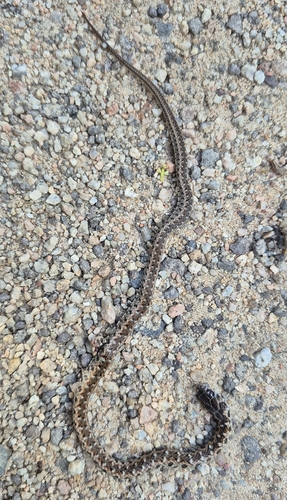 Almaden Ground SnakeErythrolamprus almadensisHarmless
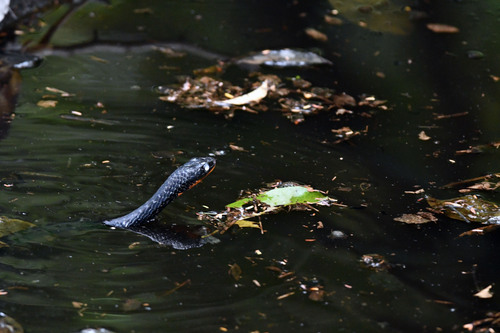 Erythrolamprus taeniogasterHarmless
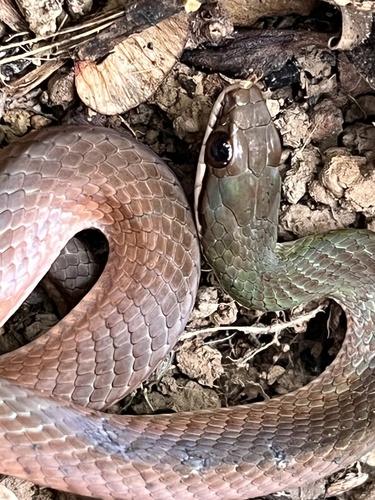 Erythrolamprus macrosomusHarmless
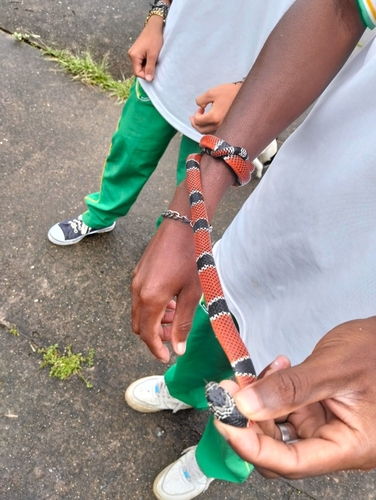 False Coral SnakeErythrolamprus pseudocorallusHarmless
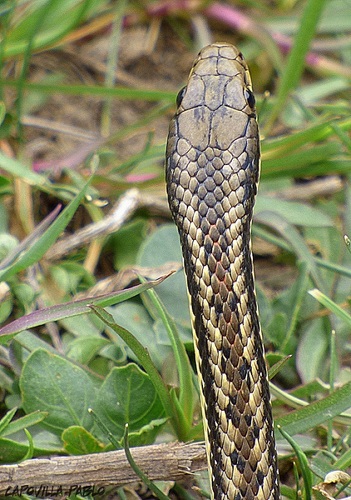 Arrow Ground SnakeErythrolamprus sagittiferHarmless
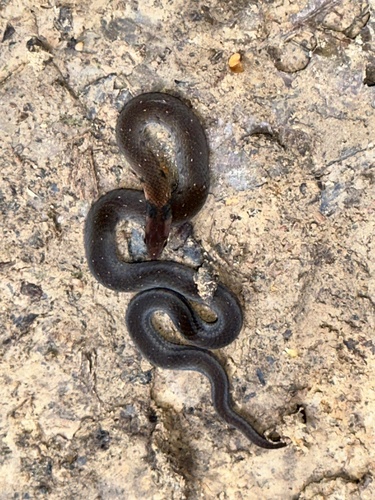 Amazon Tropical Forest SnakeErythrolamprus pygmaeusHarmless
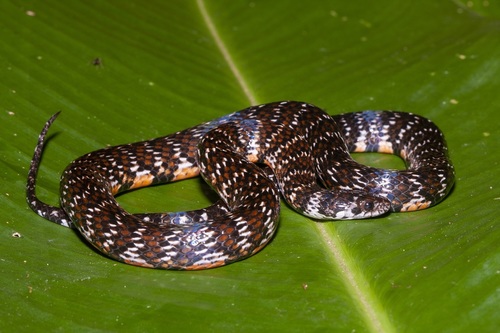 Short Ground SnakeErythrolamprus brevicepsHarmless
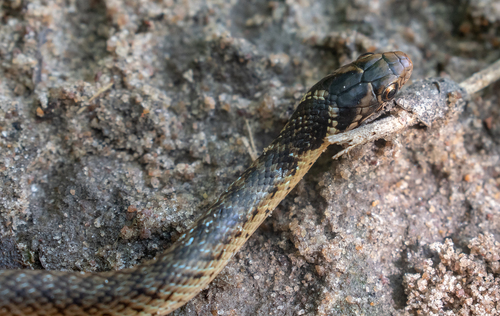 Erythrolamprus aenigmaHarmless
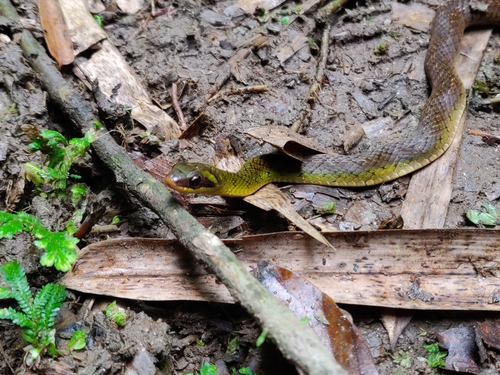 Erythrolamprus zweifeliHarmless
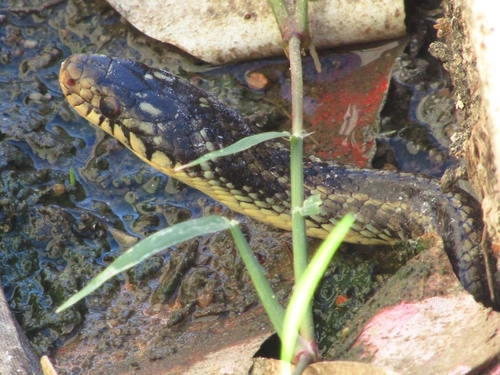 Mossoro Smooth SnakeErythrolamprus mossoroensisHarmless
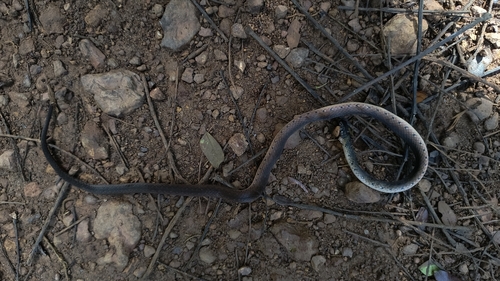 Erythrolamprus oligolepisHarmless
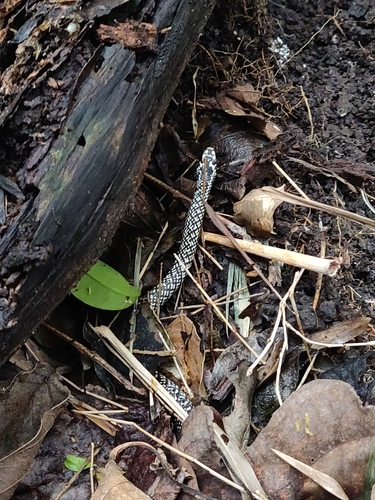 Julia's Ground SnakeErythrolamprus juliaeHarmless
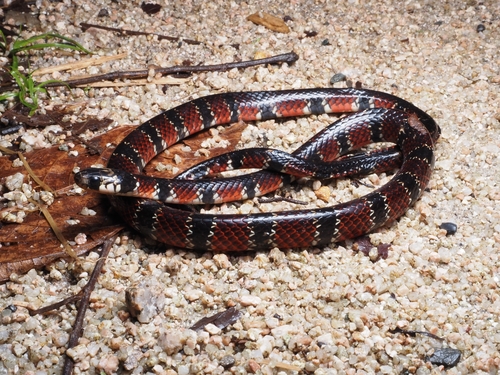 Günther's False Coral SnakeErythrolamprus guentheriHarmless
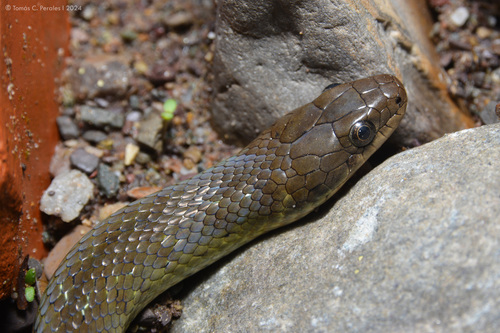 Tucumán Smooth SnakeErythrolamprus ceiiHarmless
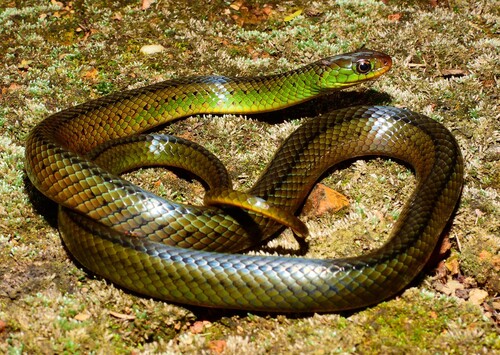 Maryellen's Ground SnakeErythrolamprus maryellenaeHarmless
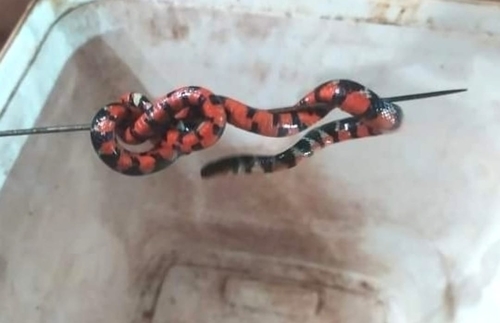 Swamp LiophisErythrolamprus frenatusHarmless
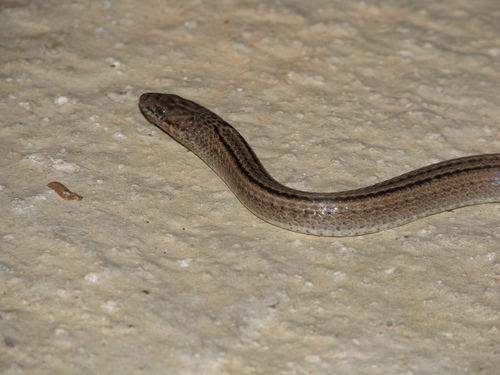 Three-scaled Ground SnakeErythrolamprus triscalisHarmless
 Tobago Stream SnakeErythrolamprus pseudoreginaeHarmless
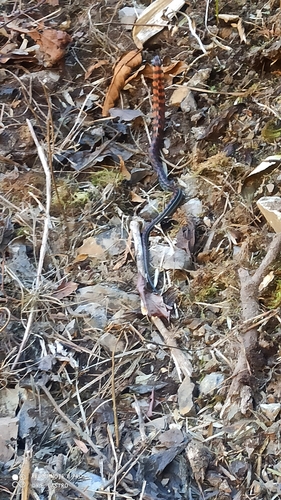 Erythrolamprus vittiHarmless
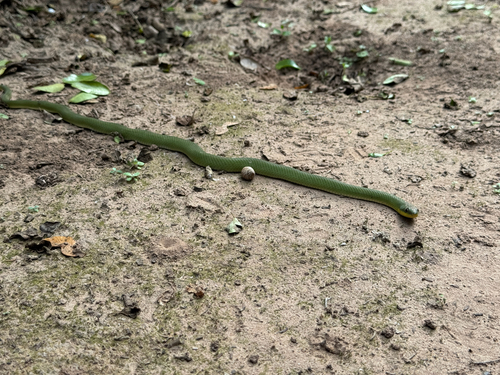 Günther’s Green LiophisErythrolamprus albertguentheriHarmless
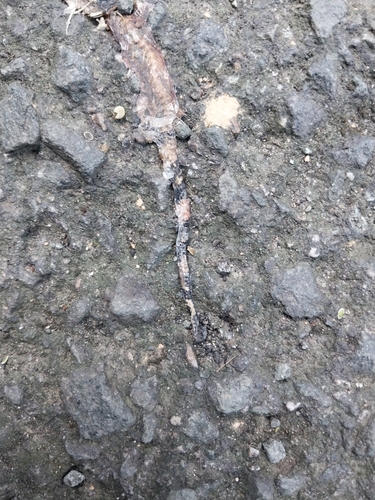 Tobago false coral snakeErythrolamprus ocellatusHarmless
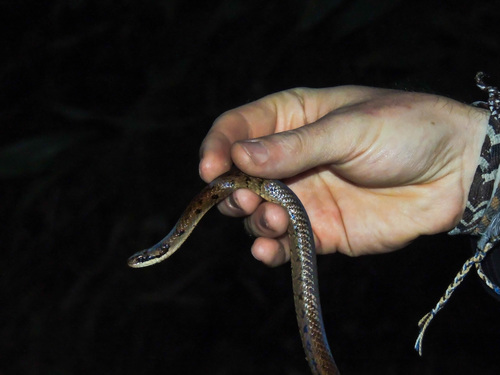 Thin Ground SnakeErythrolamprus taeniurusHarmless
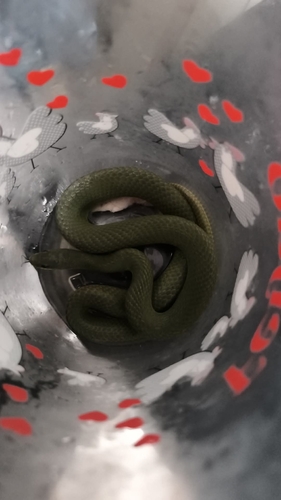 Dixon's Ground SnakeErythrolamprus atraventerHarmless
 Drab Ground SnakeErythrolamprus festaeHarmless
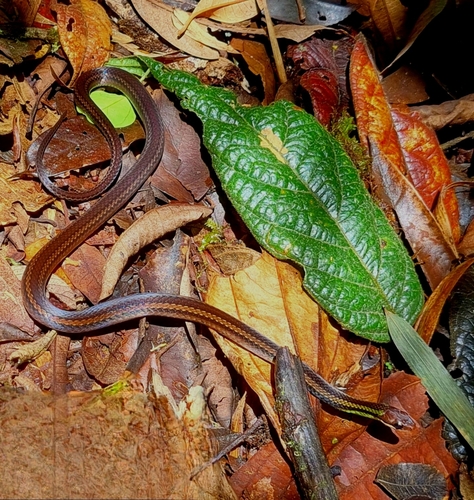 Erythrolamprus andinusHarmless
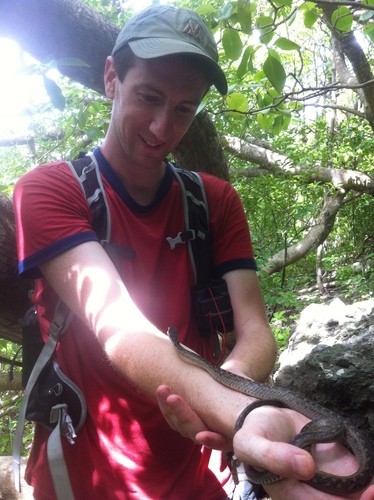 St Lucia RacerErythrolamprus ornatusHarmless
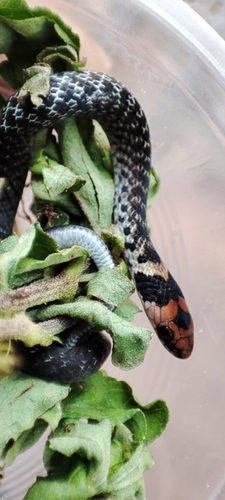 Pyburn's Tropical Forest SnakeErythrolamprus pyburniHarmless
- No photoErythrolamprus carajasensisHarmless
- No photoErythrolamprus janaleeaeHarmless
- No photoErythrolamprus trebbauiHarmless
- No photoMertens' Tropical Forest SnakeErythrolamprus mertensiHarmless
- No photoWilliams' Ground SnakeErythrolamprus williamsiHarmless
Keep learning
- What Is a Snake? Anatomy and the BasicsA clear overview of what makes a snake a snake: limbless body plan, anatomy, evolution from lizards, species diversity, and why they are ectothermic.
- How Snakes Move, Hunt, and EatHow snakes move without legs, hunt as ambushers or active foragers, kill by constriction or venom, and swallow prey wider than their head.
- What Do Snakes Eat?All snakes are carnivores. Learn what snakes eat, how diet changes with size and age, how often they feed, and how they hunt and swallow prey.
- Venomous vs Nonvenomous: How to Tell the DifferenceThe folk rules for telling venomous snakes apart, where each one fails, and why location-based identification beats guessing by sight.